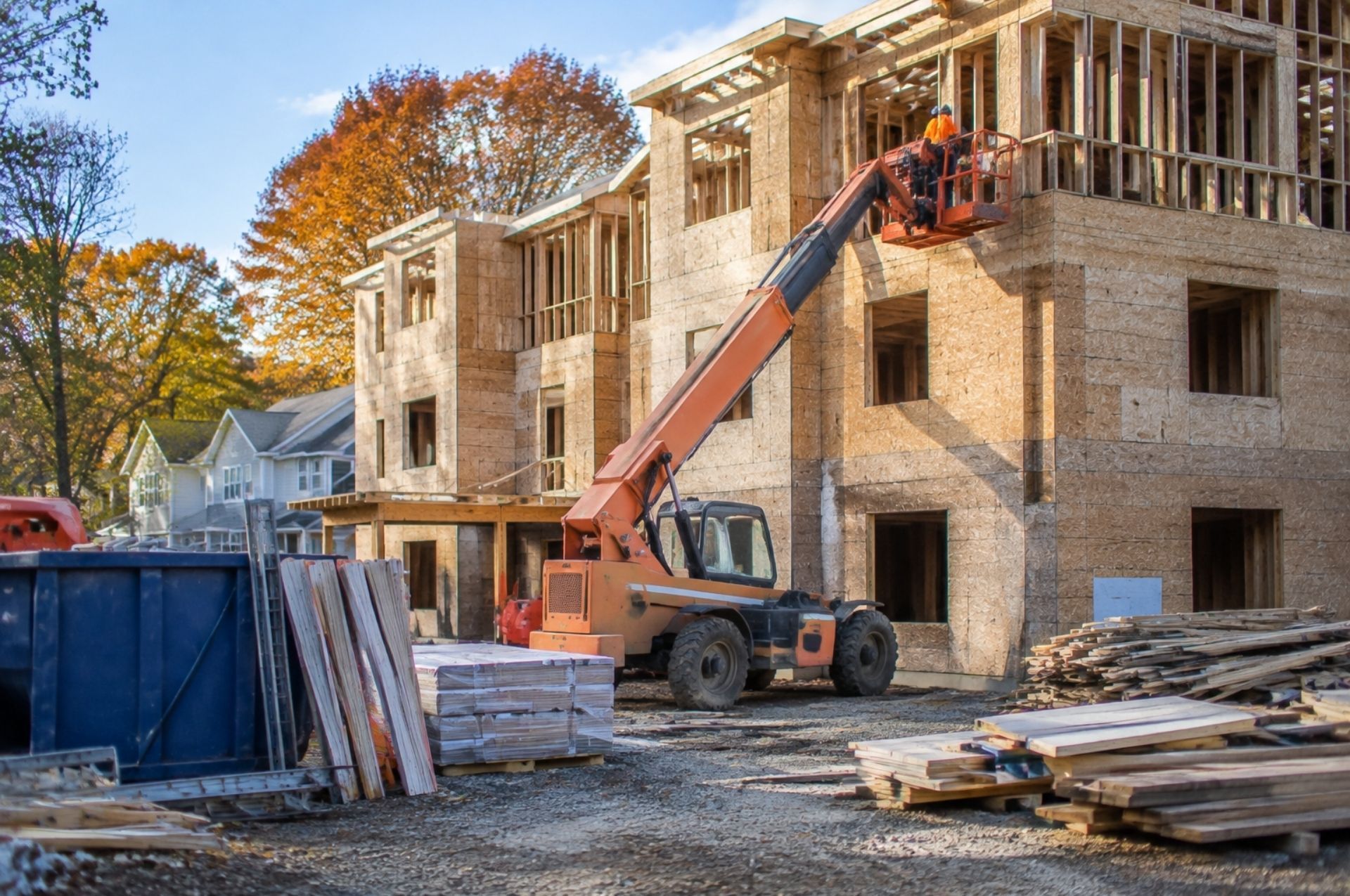
Insurance When a Connecticut Fix-and-Flip Becomes a Rental: Occupancy Changes, Policy Conversion, Loss of Rent, Liability, and Closing
See How We're Different
or call us: (888) 585-5188
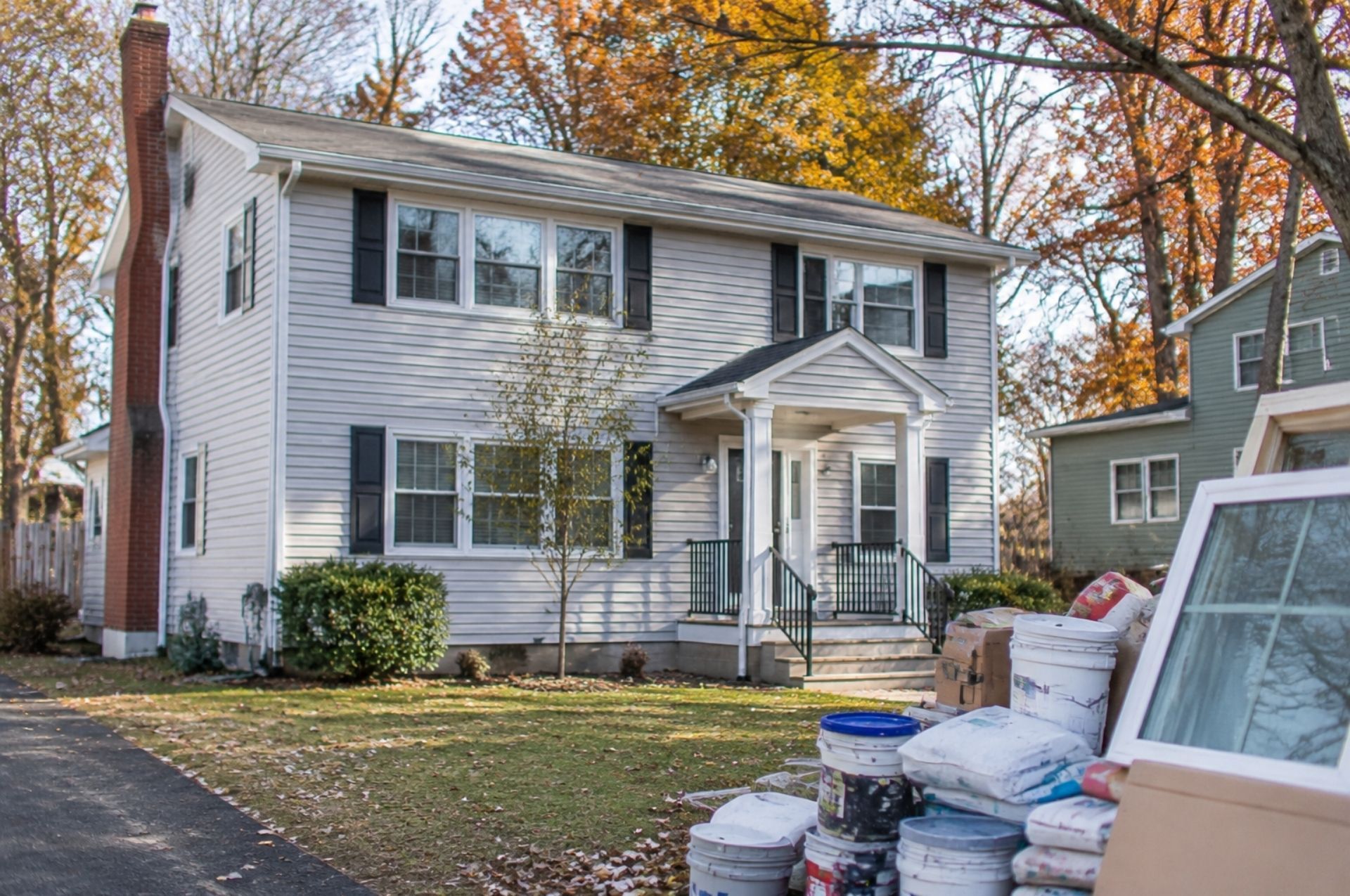
The scenario is common across Connecticut: an investor buys a dated colonial in New Britain, completes a full renovation, lists it, and then watches offers fall short of projections. Holding the property as a rental often makes more financial sense than accepting a discounted sale, and the Hartford metro area being ranked as the top U.S. housing market for 2026 has made this flip-to-rental pivot especially attractive in Hartford, New Britain, and Waterbury. The insurance side of that decision, however, is where many investors expose themselves to serious financial risk.
A renovation policy and a landlord policy are built for fundamentally different exposures. One protects materials, labor, and a vacant structure under construction. The other protects an occupied dwelling, the rental income it produces, and the owner against claims from tenants and visitors. Understanding insurance when a Connecticut fix-and-flip becomes a rental requires attention to occupancy changes, policy conversion, loss of rent protection, liability limits, and the documentation lenders expect at closing or refinancing. Each of these elements carries its own gaps, and a single overlooked detail can leave an investor paying out of pocket for a fire, a burst pipe, or a slip-and-fall lawsuit.
Navigating the Shift from Builder's Risk to Rental Property Insurance
Builder's risk insurance is a temporary policy that covers a structure while it is being renovated, including materials on site, equipment, and the building itself against perils such as fire, theft, and vandalism. Its purpose ends when the work ends, and most forms terminate automatically once the property is occupied or put to its intended use. Some investors carry a vacant dwelling policy instead, which serves a similar holding function but likewise assumes no one is living in the home.
The practical problem is that these policies are often written for short terms, commonly three, six, or twelve months, and investors who decide to rent frequently let them run while searching for a tenant. That approach works only until a lease is signed. The moment a tenant receives keys, the risk profile changes completely, and the carrier that wrote the renovation policy is no longer insuring the exposure that actually exists.
Planning the shift should begin before the final punch list is complete, not after the first rent check arrives.
The Risks of Occupancy Changes and Policy Conversion
Occupancy is one of the most material facts on any property application. A change from vacant to tenant-occupied alters the likelihood of kitchen fires, water damage from appliances, and injury claims, so carriers treat it as a reason to rewrite or re-rate coverage.
Why Your Fix-and-Flip Policy Won't Cover Tenants
Renovation and vacancy forms typically contain occupancy conditions, and violating them can void coverage for a loss. A common claim example illustrates the gap: a tenant's space heater ignites curtains three weeks into a lease, and the adjuster discovers the policy on file was a builder's risk form. The carrier may deny the claim outright on the basis that the property was occupied without disclosure.
These policies also offer no tenant-related protections. They do not pay for lost rent while repairs are made, and they rarely include the premises liability limits a landlord needs. An investor who assumes "the house is insured" may learn otherwise only after a five-figure loss.
Timing the Transition to a DP-3 or Landlord Policy
When a flip becomes a rental, investors should convert to a Dwelling Fire Form (DP-3) designed for non-owner-occupied risks. A DP-3 generally provides open-peril coverage on the structure, meaning any cause of loss is covered unless specifically excluded. The ideal sequence looks like this:
- Before listing for rent: request DP-3 quotes and confirm underwriting requirements, such as updated electrical or roof age.
- At lease signing: bind the DP-3 with an effective date on or before move-in.
- After binding: cancel the renovation policy and request any prorated refund.
A one-day overlap costs far less than a one-day gap.
Protecting Cash Flow with Loss of Rent Coverage
Loss of rent coverage, sometimes called fair rental value coverage, reimburses the rental income an owner loses when a covered peril makes the unit uninhabitable. For a newly converted rental carrying a hard-money loan or fresh mortgage, that income is often what keeps the debt serviced.
The cost is modest relative to the protection. Loss of rent insurance for a property generating $40,000 annually adds approximately $40 to the premium, a small expense compared with months of missed payments. Investors should review the coverage limit carefully, because many policies cap the benefit at a percentage of the dwelling limit or a fixed number of months.
Connecticut winters deserve particular attention here. Rebuilds after winter losses frequently take three to six months once contractor availability, permitting, and weather delays are factored in, and experienced advisors suggest maintaining a 12-month limit for loss of rent. A frozen pipe in January that floods two floors can easily stretch past the point a shorter limit would cover.
General Liability Needs for Connecticut Landlords
Premises liability is the exposure many flippers underestimate, since a vacant property under renovation sees few visitors. Once tenants, their guests, delivery drivers, and service contractors are coming and going, the probability of a third-party claim rises sharply. Typical landlord claims include falls on icy walkways, injuries from loose stair railings, dog bites involving a neighbor, and allegations tied to habitability conditions.
A DP-3 can usually be endorsed with personal liability coverage, though the limits available vary by carrier. Many investors pair that coverage with an umbrella policy, which adds a separate layer above the underlying limits, and holding title in an LLC requires confirming the entity is the named insured. Mismatched ownership names are one of the most frequent errors seen during claims review.
Property type also matters. Buildings with ground-floor retail and upper-floor apartments, common in downtown New Haven or Bridgeport,
require specialized mixed-use policies that address public-facing business liability and residential habitability at the same time. Compliance plays a role too: under Public Act 25-44, landlords must include a
Standardized Rental Terms Summary Form as the first page of any written rental agreement as of April 1, 2026, and sloppy lease documentation can complicate defense of a tenant dispute.
Comparing Fix-and-Flip vs. Long-Term Rental Coverage
The two coverage approaches differ on nearly every major feature. The table below highlights where those differences create real financial consequences.
| Feature | Fix-and-Flip (Builder's Risk / Vacant) | Long-Term Rental (DP-3) |
|---|---|---|
| Occupancy | Vacant or under construction | Tenant-occupied |
| Typical term | 3 to 12 months | Annual, renewable |
| Perils covered | Often named perils | Usually open perils on structure |
| Materials on site | Generally included | Generally not included |
| Loss of rent | Not included | Available, often included |
| Liability | Limited or absent | Endorsable, umbrella-friendly |
| Lender acceptance | During rehab only | Required for rental financing |
The most consequential row for most investors is occupancy, since it determines whether the other protections apply at all. A policy with excellent limits offers nothing if its occupancy conditions have been breached.
Insurance Considerations for Closing and Refinancing
Many flip-to-rental investors refinance out of short-term rehab financing into a long-term rental loan, often a DSCR product, and insurance documentation can delay or derail that closing. Lenders typically require evidence of a landlord or DP-3 policy, not a renovation form, before funding.
Investors preparing for closing should assemble the following:
- Evidence of insurance showing the correct named insured, whether an individual or an LLC.
- Mortgagee clause listing the new lender exactly as its closing instructions specify.
- Dwelling limit that meets the lender's replacement cost requirement.
- Loss of rent coverage, which many rental lenders require, sometimes with a minimum number of months.
- Flood coverage if the property sits in a designated flood zone, a frequent issue along the Connecticut shoreline and river corridors.
The old rehab lender's mortgagee clause should be removed after payoff, and the renovation policy cancelled only once the new policy is confirmed in force. A lapse during the refinance window is a mistake that underwriters will spot immediately.
Common Questions About Connecticut Rental Conversions
Can a homeowners policy be used on a rental? Generally, no. A homeowners policy assumes the owner lives in the home, so a non-owner-occupied rental needs a dwelling form such as a DP-3.
Does a DP-3 cover the tenant's belongings? No. Tenants need their own renters insurance, and many Connecticut landlords require proof of it in the lease.
What happens if the tenant moves in before the new policy starts? The renovation policy may deny any claim because of its occupancy conditions, leaving the owner uninsured until the DP-3 takes effect.
How much loss of rent coverage is enough? Many advisors recommend 12 months, since winter rebuilds in Connecticut can take three to six months or longer.
Is liability coverage required by law for landlords in Connecticut? It is not mandated by statute, but lenders often require it, and the cost of defending a single injury claim makes it essential.
Do new lease rules affect insurance? Indirectly. Connecticut requires a standardized rental terms summary form on written leases starting April 1, 2026, and compliant paperwork strengthens an owner's position in disputes.
Next Steps for Your Investment Strategy
Converting a flip into a rental is a sound strategy in a strong Connecticut market, but the coverage behind it must change as quickly as the business plan does. The renovation policy that protected materials and a vacant shell cannot protect tenants, rental income, or an owner facing a liability claim. A properly structured DP-3, a 12-month loss of rent limit, adequate liability and umbrella protection, and clean closing documentation together form the foundation of a durable rental investment.
The wisest course is to start the conversion conversation with an insurance advisor before the renovation wraps up, so quotes, underwriting conditions, and lender requirements are resolved before a lease is signed. Treating this flip-to-rental coverage transition as part of the investment plan, rather than an afterthought, prevents the kind of uncovered loss that can erase years of profit. The right policy, bound on the right date, delivers genuine peace of mind.
Recent posts