
Operating a non-emergency medical transportation business in Connecticut requires more than reliable vehicles and trained drivers. It demands a thorough understanding of the insurance obligations that protect both the company and the passengers who depend on these services. Connecticut's regulatory environment for medical transport has grown more complex in recent years, and the state legislature continues to refine the rules governing who can provide these rides and under what conditions. Under
HB 05484, effective July 1, 2026, home care providers are now authorized to transport
Medicaid recipients, which expands the pool of entities that need proper
NEMT coverage in the state. This shift means more operators are entering the market, and each one must carry insurance that meets Connecticut's specific standards. For providers evaluating
NEMT insurance cost and coverage in Connecticut, the decisions made at the policy selection stage can determine whether a business survives its first major claim or folds under the financial weight of an uninsured loss. The right policy structure protects against bodily injury claims, vehicle damage, professional liability exposure, and the unique risks that come with transporting medically fragile individuals. Getting this wrong is not merely inconvenient; it can end a business permanently.
Understanding NEMT Insurance Requirements in Connecticut
Connecticut regulates non-emergency medical transport through a combination of state Department of Transportation rules, DMV licensing standards, and Medicaid program requirements. Each layer imposes its own insurance obligations, and failing to satisfy even one can result in license suspension, loss of Medicaid billing privileges, or civil liability exposure that no operator can afford.
The state's Medicaid NEMT program data from July through December 2024 shows consistent demand for these services, which underscores why the state takes compliance seriously. Operators who cut corners on insurance often discover the consequences only after an incident, when it is far too late to correct the gap.
DOT and DMV Compliance Standards
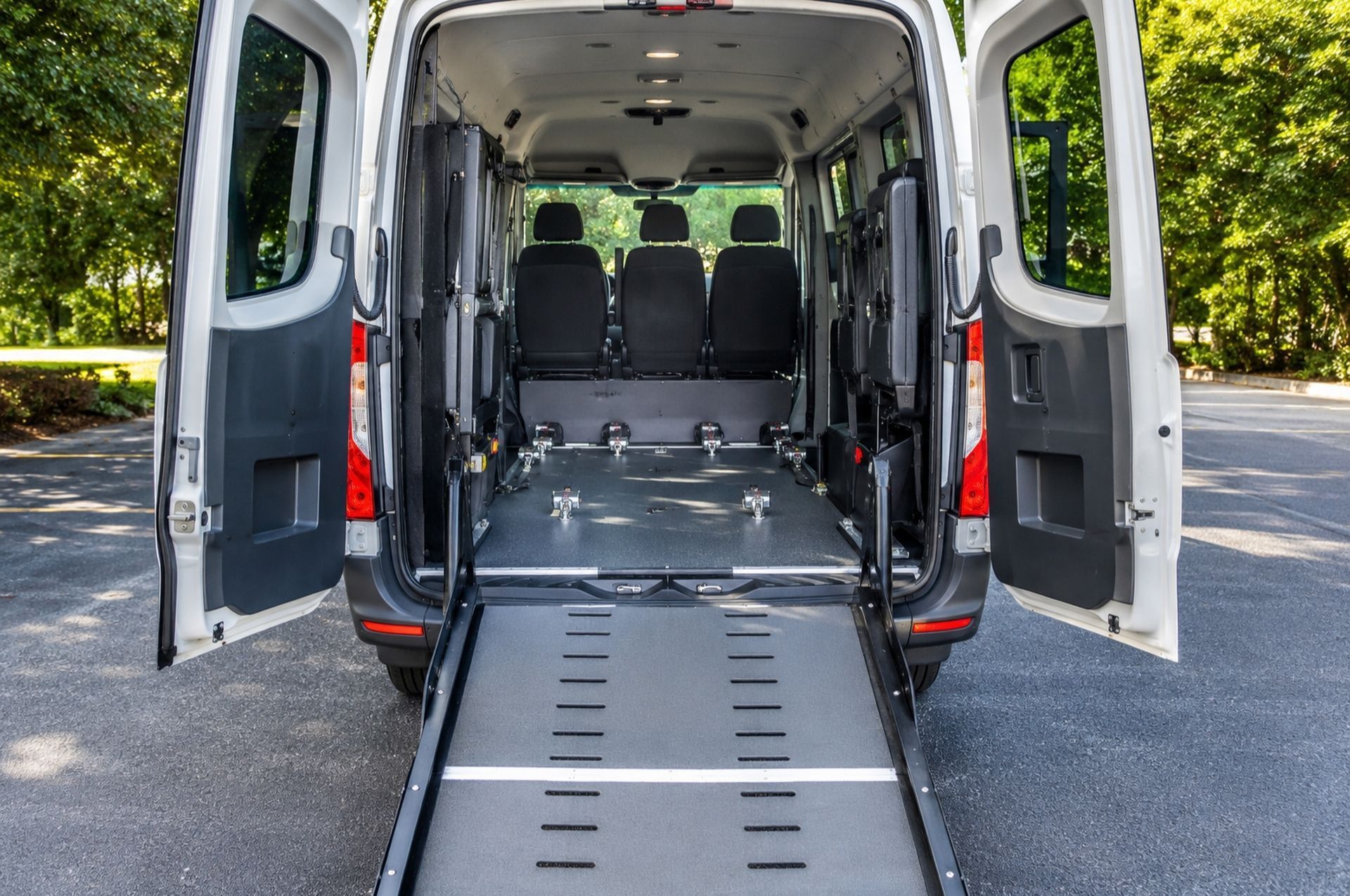
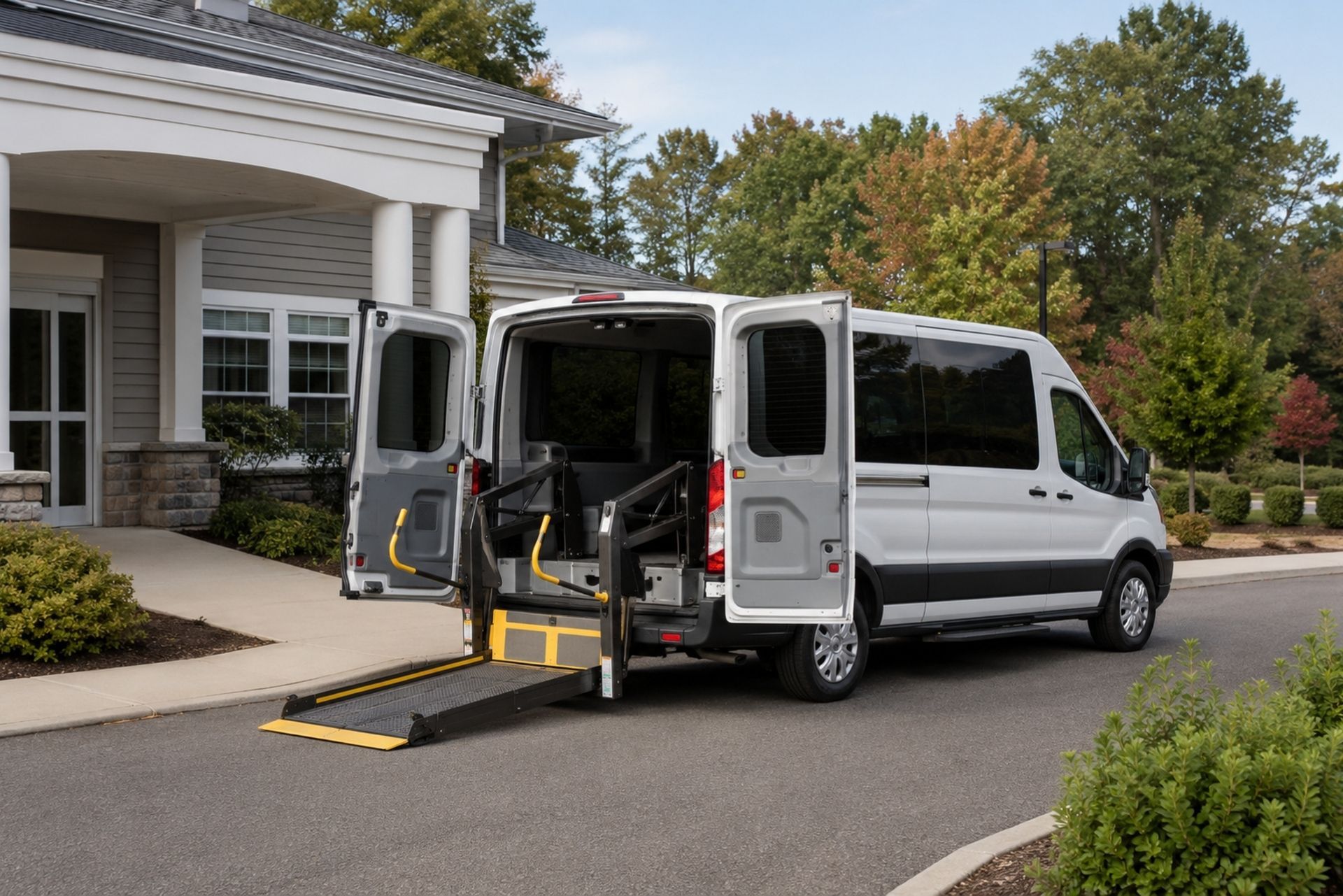
Connecticut requires NEMT providers to register with the DMV as livery or special transportation vehicles, depending on the service type. Each registered vehicle must carry proof of insurance that meets or exceeds state minimums, and that proof must be available for inspection at all times during operation. The DOT imposes additional requirements for vehicles equipped with wheelchair lifts or stretcher mounts, including specific equipment liability endorsements that standard commercial auto policies do not automatically include.
Operators should also be aware that Connecticut's independent analysis of the Medicaid program has led to stricter oversight of transportation providers billing through the state system. Vehicles that fail DOT inspections or lack current insurance documentation can be pulled from approved provider lists without appeal.
State-Mandated Minimum Liability Limits
Connecticut mandates minimum bodily injury liability limits of $25,000 per person and $50,000 per accident for standard commercial vehicles. Property damage liability must be at least $25,000. However, these minimums are rarely sufficient for NEMT operators. A single serious injury claim involving a wheelchair-bound passenger can exceed $250,000 in medical costs alone, which means most experienced providers carry limits of $500,000 or $1,000,000 combined single limit.
Medicaid contracts typically require higher limits than the state minimum, often $1,000,000 per occurrence. Operators who plan to bill Medicaid should confirm the specific requirements of their managed care organization contract before purchasing a policy, as falling short of the contractual minimum can void the entire agreement.
A single insurance policy rarely covers every risk a NEMT operator faces. Most providers need a combination of commercial auto, general liability, and professional liability coverage to fully protect their business. Understanding how these policies interact, and where gaps can form between them, is essential for building a complete risk management program.
Commercial Auto vs. General Liability
Commercial auto insurance covers incidents that occur while vehicles are in operation: collisions, passenger injuries during transport, and damage to third-party property caused by the vehicle. General liability, by contrast, covers incidents that happen off the road, such as a passenger slipping on a wet ramp at the company's office or an employee damaging a client's property while assisting them into a facility.
The distinction matters because commercial auto policies explicitly exclude claims that arise outside vehicle operation, and general liability policies exclude auto-related incidents. A common mistake among new operators is assuming that one policy covers both scenarios. It does not. An NEMT provider who helps a patient into a medical facility and causes an injury during that transfer needs general liability coverage, not commercial auto, to respond to the claim.
Professional Liability and Malpractice Protection
NEMT providers occupy an unusual position in the insurance world because they are not medical providers, yet they transport medically vulnerable individuals. Professional liability coverage, sometimes called errors and omissions insurance, protects against claims that the transport service failed to meet its professional obligations. Examples include transporting a patient to the wrong facility, failing to secure a wheelchair properly, or missing a scheduled pickup that results in a missed medical appointment with documented health consequences.
This coverage type typically costs between $800 and $2,500 annually for small NEMT operations in Connecticut, depending on trip volume and the types of patients served. Providers who transport dialysis patients or individuals requiring oxygen equipment during transit generally pay toward the higher end of that range.
Comparison of Standard vs. Enhanced NEMT Policies
Choosing between a basic policy and an enhanced one is not simply a matter of budget. The coverage gaps in a standard policy can leave a provider exposed to the exact types of claims most common in medical transport.
Coverage Features Comparison Table
| Feature | Standard Policy | Enhanced Policy |
|---|---|---|
| Bodily Injury Liability | $50,000 per accident | $1,000,000 per occurrence |
| Property Damage | $25,000 | $100,000+ |
| Wheelchair/Stretcher Equipment | Not included | Included |
| Hired & Non-Owned Auto | Not included | Included |
| Medical Payments (MedPay) | $1,000 per person | $5,000 - $10,000 per person |
| Uninsured Motorist | State minimum only | Matching liability limits |
| Loading/Unloading Coverage | Limited | Full coverage |
| Substitute Vehicle Coverage | Not included | Included |
The loading and unloading coverage distinction is particularly critical. Many passenger injuries occur not during transit but during the process of boarding or exiting the vehicle. A standard policy may treat these incidents as outside the scope of auto coverage, leaving the provider to absorb the cost of the claim entirely.
NEMT insurance premiums in Connecticut vary widely, ranging from roughly $3,500 per vehicle annually for a clean operation with newer vehicles to $8,000 or more per vehicle for providers with older fleets or adverse claims history. Understanding what drives these costs helps operators make informed decisions about fleet management, hiring, and training.
Vehicle Type and Safety Equipment
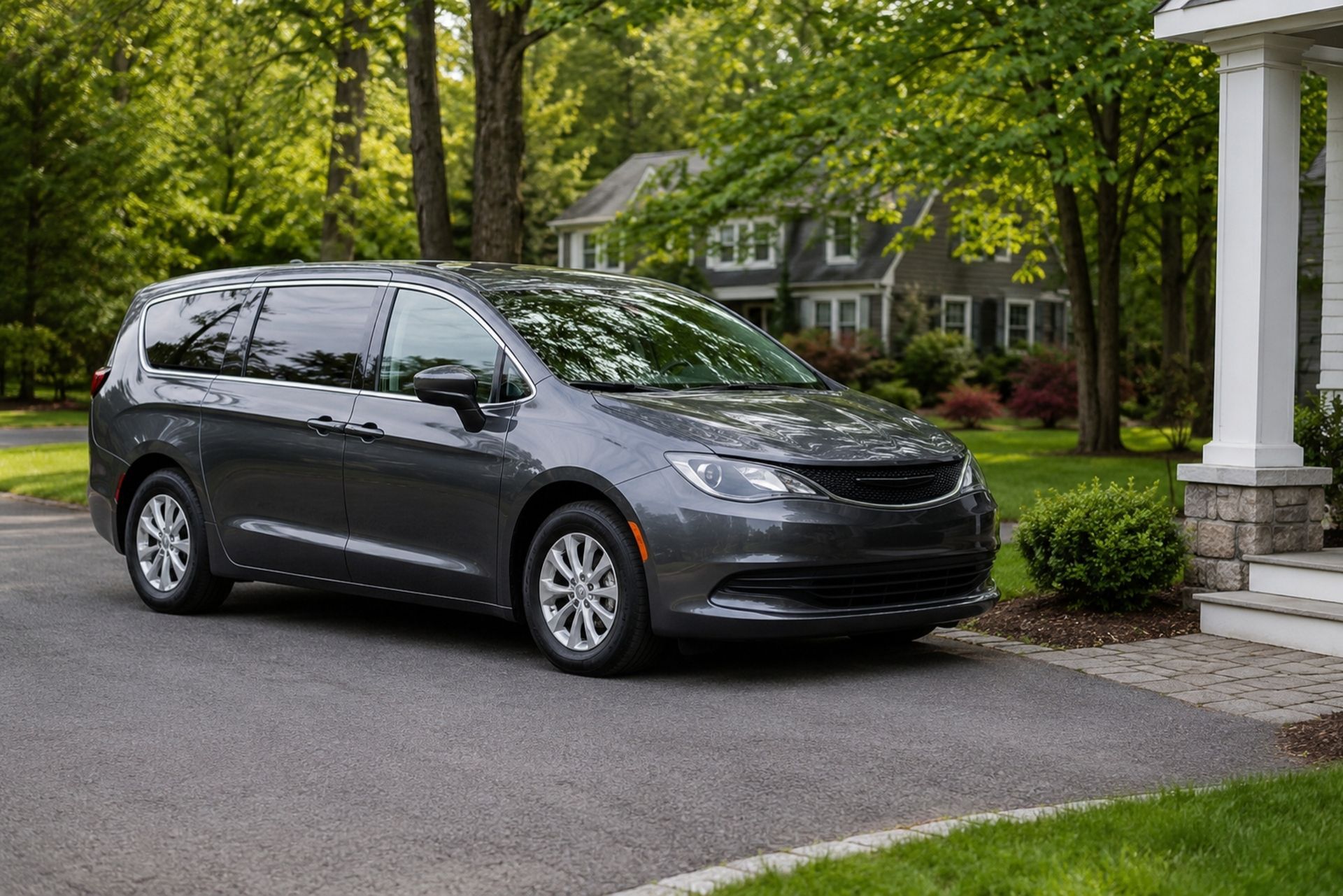
Insurers evaluate each vehicle in a fleet individually. A 2024 Ford Transit with factory-installed wheelchair ramp, backup cameras, and electronic stability control will cost significantly less to insure than a 2016 conversion van with an aftermarket lift and no advanced safety features. Vehicles equipped with GPS tracking and dash cameras often qualify for premium reductions of 5 to 15 percent because these tools reduce fraud exposure and help resolve disputed claims quickly.
Connecticut's research into state Medicaid NEMT contract structures highlights that states increasingly tie provider approval to vehicle safety standards, which creates a direct link between fleet quality and both insurance costs and revenue eligibility.
Driver History and Training Programs
Driver records are the single largest variable in premium calculations. A provider whose drivers all have clean MVRs and completed defensive driving courses can expect premiums 20 to 30 percent lower than a comparable operation with drivers who have at-fault accidents or moving violations within the past three years. Connecticut insurers typically pull MVRs annually and can adjust mid-term if a driver's record changes.
Passenger assistance training also influences underwriting decisions. Drivers certified in CPR, first aid, and wheelchair securement represent lower risk to insurers, and several carriers offer explicit discounts for these credentials. The investment in training, typically $200 to $400 per driver, often pays for itself within the first policy year through reduced premiums.
Common Questions About Connecticut NEMT Insurance
FAQ: Cost, Claims, and Coverage Basics
How much does NEMT insurance cost per vehicle in Connecticut? Most providers pay between $3,500 and $8,000 per vehicle annually. The exact figure depends on vehicle type, driver records, coverage limits, and claims history. Providers with Medicaid contracts requiring $1,000,000 limits should expect costs at the higher end.
Does my personal auto policy cover NEMT trips? No. Personal auto policies contain commercial use exclusions that void coverage the moment a vehicle is used for paid passenger transport. Any claim filed under a personal policy for a commercial trip will be denied, and the policy itself may be canceled.
What happens if a passenger is injured during loading or unloading? Standard commercial auto policies may not cover loading and unloading incidents. Enhanced policies with explicit loading/unloading endorsements respond to these claims, which represent a significant portion of NEMT injury reports in Connecticut.
Are there special requirements for wheelchair-accessible vehicles? Yes. Wheelchair-accessible vehicles require equipment breakdown coverage and specific endorsements for lift mechanisms and securement systems. Damage to a hydraulic lift can cost $3,000 to $7,000 to repair, and without proper coverage, the operator bears that cost.
Do I need separate coverage for Medicaid and private-pay passengers? The insurance policy itself does not typically distinguish between payer sources, but Medicaid contracts impose minimum coverage requirements that exceed what private-pay operations might carry. Operators serving both populations should build their policy around the higher Medicaid standards.
Can new NEMT companies get insurance in Connecticut?
Yes, though options are more limited and premiums are higher for startups. Most insurers require a minimum of one year in business before offering preferred rates. New operators should expect to pay 15 to 25 percent more than established providers with clean claims records, as outlined in
Connecticut's fiscal analysis of transportation legislation.
Before You Buy a Policy
Connecticut NEMT insurance is not a commodity purchase where the lowest price wins. The coverage structure, endorsements, and policy limits must align with the specific risks of medical transport, and those risks are distinct from general commercial trucking or livery services. Operators who select policies based solely on premium cost often discover painful gaps when a claim arises.
The most prudent approach is to work with an insurance agent or broker who specializes in medical transportation. These specialists understand the interplay between Connecticut's regulatory requirements, Medicaid contract obligations, and the practical realities of transporting medically fragile passengers. They can identify coverage gaps that a generalist agent might overlook, such as missing hired and non-owned auto endorsements or inadequate loading and unloading protection.
Before signing any policy, request a full declarations page review and compare it against both state minimums and any contractual requirements from managed care organizations. The time spent on this review is minimal compared to the financial consequences of carrying the wrong coverage when a claim occurs.
About The Author:
Anton Reed
As Managing Principal of Adion Financial Group, I’m committed to helping individuals and businesses achieve financial security through strategic insurance and planning solutions. My focus is on building trust, delivering clarity, and ensuring every client receives expert guidance backed by experience and integrity.
Contact Us
Personal INSURANCE Coverage
Comprehensive Coverage for Every Personal Need
Business Insurance Solutions
Professional Liability Coverage for Service-Based Businesses
General Liability Insurance
Protects businesses from lawsuits related to injuries and property damage.
INDUSTRIES WE SERVE
Specialized Coverage for Leading Connecticut Industries
Contractors
Insurance
Whether you’re a general contractor or a specialized tradesperson, we offer coverage that protects against job site risks, equipment damage, and liability claims.

Commercial Truck Insurance
Whether you operate a single truck or an entire fleet, we provide coverage for cargo, liability, and physical damage to keep your business moving.

Restaurant Business Insurance
Keep your restaurant, café, or bar protected with coverage for property damage, liquor liability, foodborne illness, and employee injuries.

Commercial Real Estate Insurance
Safeguard your commercial properties, rental units, and office spaces from property damage, liability claims, and tenant-related risks.

“I’ve been with AFG for years. Their service is second to none, and I always feel confident that I’m covered.”
Sarah K.
Real Stories.
Real Protection.
Real Trust.
See Why Businesses and Families Trust Us for Coverage.

Quick Answers to Your Insurance Questions
Frequently Asked Questions
about Adion Financial Group
Understanding Insurance Starts with the Right Information
1. What types of insurance do you offer?
At Adion Financial Group, we offer a wide range of insurance options designed to meet the needs of both individuals and businesses. For individuals, we provide coverage for personal auto, home, renters, life, and health insurance. Whether you're looking to protect your home, your car, or your loved ones, we have a solution tailored to your needs.
2. How do I get a quote for insurance?
Getting an insurance quote with Adion Financial Group is simple and fast. First, visit our website and fill out the quote request form, providing some basic information about the type of insurance you need. If you prefer a more personal touch, you can also contact us directly, and one of our agents will walk you through the process.
3. What should I do if I need to file a claim?
If you need to file a claim, the first step is to notify us immediately. You can either call our office or submit your claim online, depending on your preference. Once we receive your claim, our team will guide you through the necessary steps and help you gather the required information.
4. How can I change my coverage or update my policy?
Making changes to your coverage or updating your policy is easy with Adion Financial Group. Whether you're moving to a new home, adding a vehicle, or expanding your business, we can help you adjust your insurance to reflect your current needs.
5. Why should I choose an independent insurance agency?
Choosing an independent insurance agency like Adion Financial Group provides you with a distinct advantage: we work for you, not an insurance company. Our independent status allows us to shop around with multiple carriers to find the most competitive rates and the best coverage options for your unique situation.
6. How can I make sure I have the right amount of coverage?
Determining the right amount of coverage can be overwhelming, but our team at Adion Financial Group is here to help. The first step is assessing your personal or business assets and identifying the potential risks you face. Whether you're an individual looking to protect your home and car, or a business owner trying to safeguard your employees and property, we will walk you through the different coverage options.
Stay Informed on Insurance Trends and Tips
Insights & Tips to Keep You Informed


Contact Us
Phone
Locations
Connecticut Location
703 Hebron Ave., 3rd Floor, Glastonbury, CT 06033
North Carolina Location
436 East 36th St., Charlotte, NC 28205