

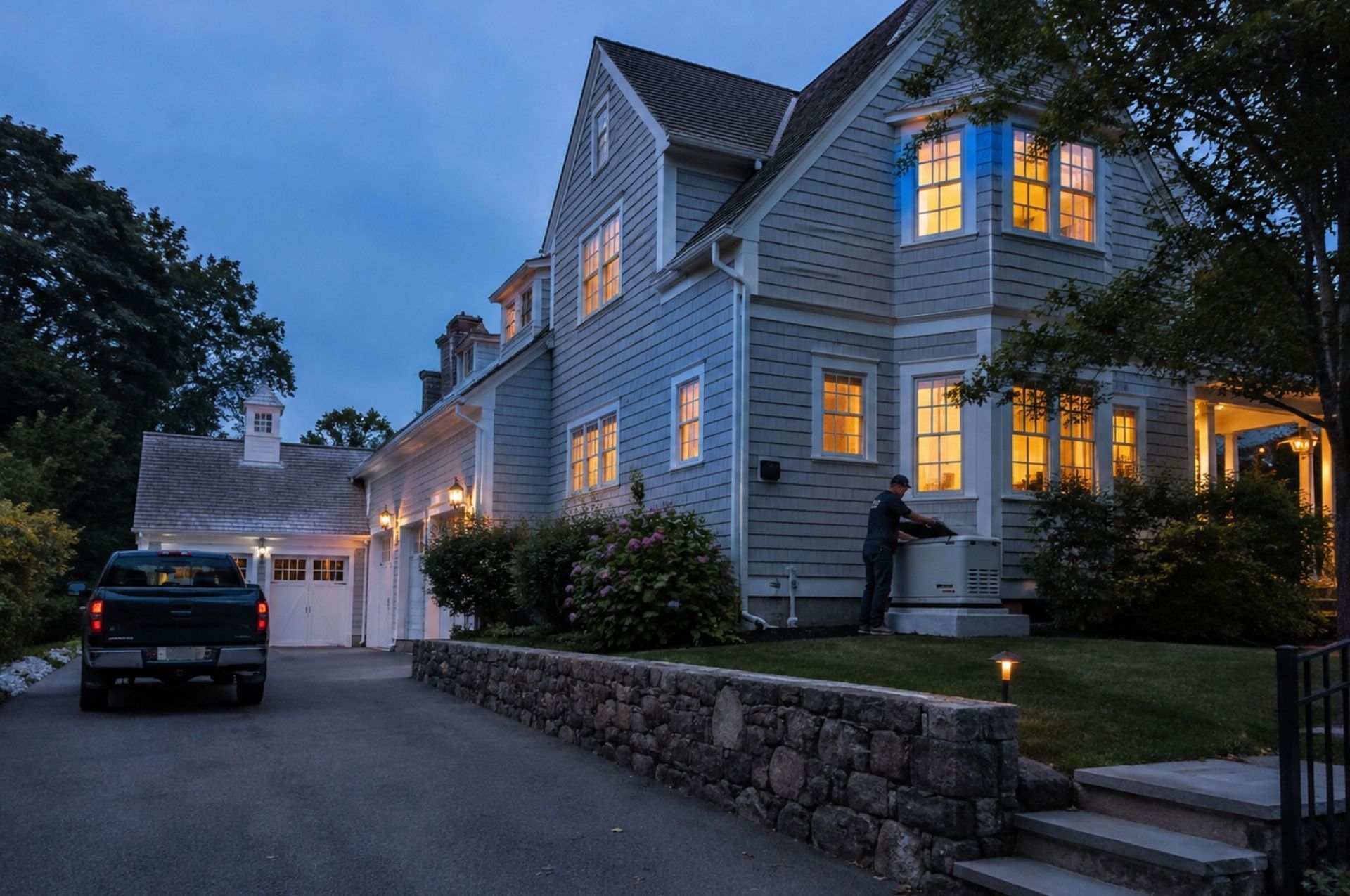
Owning a home in Westport, Connecticut, means living in one of the most desirable communities along the Long Island Sound, but it also means contending with a distinct set of risks that standard insurance policies may not fully address. From
coastal storms and
tidal flooding to the high replacement costs associated with Fairfield County real estate, the stakes of carrying the wrong coverage are substantial. Home insurance premiums across the United States have
remained at historic highs through 2026, and Westport homeowners face an especially complex set of variables that demand careful attention. A well-structured policy does more than satisfy a mortgage lender; it protects the financial foundation of a family's most significant asset. Understanding what shapes insurance costs and coverage decisions in this specific market is the first step toward making informed choices.
Understanding Homeowners Insurance in Westport
Westport sits at the intersection of affluent suburban living and genuine coastal exposure, a combination that creates a unique insurance profile. The town's proximity to Long Island Sound, its network of tidal rivers, and its inventory of high-value homes all factor into how carriers price and structure policies. A homeowner on Compo Beach faces a very different risk calculation than one in the hills north of the Merritt Parkway, yet both need policies tailored to their circumstances. Grasping these local dynamics is essential before comparing quotes or selecting coverage limits.
Coastal Risks and Long Island Sound Exposure
Westport's coastline stretches along the Sound for several miles, and many of the town's most desirable neighborhoods sit within a few hundred feet of tidal waters. Storms moving up the Atlantic seaboard can push significant storm surge into Saugatuck Shores, Compo Beach, and the low-lying areas near the Saugatuck River. Hurricane Sandy in 2012 remains a reference point for local insurers, as it caused widespread damage to waterfront and near-waterfront properties throughout the town.
Wind-driven rain, saltwater intrusion, and debris impact are the primary coastal perils, and each can cause damage that falls under different parts of a homeowners policy, or outside the policy entirely. Saltwater corrosion, for instance, can compromise mechanical systems and structural elements months after a storm event, creating claims that are sometimes disputed by carriers. Homeowners within a mile of the shoreline should expect insurers to scrutinize their applications more closely, and many carriers impose separate wind or hurricane deductibles on these properties.
Standard Coverage vs. High-Value Home Policies
A standard HO-3 policy provides broad coverage for the dwelling and named-peril coverage for personal property, and it works well for homes valued at or below the median range. Westport, however, has a median home value that sits well above the national average, and many properties carry reconstruction costs exceeding two million dollars. For these homes, a standard policy often falls short.
High-value home insurance, sometimes called
high-net-worth coverage, offers broader protection: agreed-value settlements rather than actual cash value, coverage for fine art and collectibles, and higher liability limits that reflect the policyholder's overall financial exposure. Carriers like PURE, Chubb, and AIG Private Client Group specialize in this segment and are well-represented in Fairfield County. The distinction between a standard and high-value policy is not merely about price; it is about the breadth of what gets covered and how claims are settled.
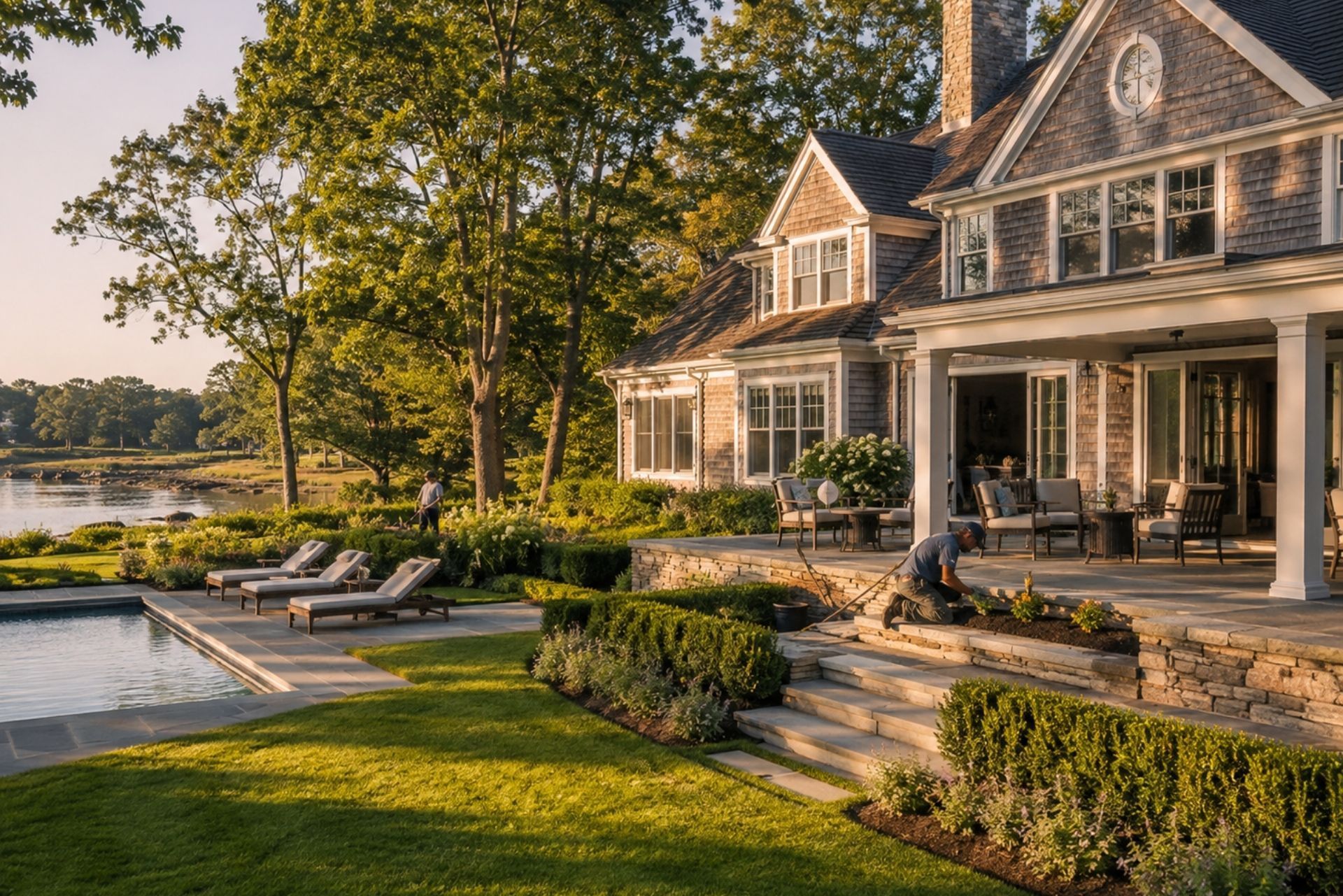
Essential Coverage Types for Fairfield County
Every homeowners policy in Connecticut is built from a set of core coverage components, each addressing a different category of risk. Understanding these components, and how they interact, prevents gaps that surface only during a claim.
Dwelling and Other Structures Protection
Dwelling coverage, often labeled Coverage A, pays to repair or rebuild the home itself after a covered loss. The coverage limit should reflect the full replacement cost of the structure, not its market value or purchase price. In Westport, where custom construction, imported materials, and period architectural details are common, replacement cost estimates can diverge sharply from what online calculators suggest. An independent appraisal every three to five years helps keep this figure accurate.
Coverage B protects other structures on the property: detached garages, pool houses, stone walls, and guest cottages. This is typically set at 10 percent of the dwelling limit, but Westport properties with substantial outbuildings often need that percentage increased. A detached carriage house valued at $400,000 will not be adequately covered under a policy with a $3 million dwelling limit and a standard 10 percent allocation.
Personal Liability and Medical Payments
Liability coverage, designated Coverage E, protects the homeowner if someone is injured on the property or if the homeowner causes damage to another person's property. The standard limit is $100,000, but most insurance professionals recommend at least $300,000 to $500,000 for Westport homeowners, with an umbrella policy layered on top for additional protection.
Medical payments coverage, Coverage F, pays smaller medical bills for guests injured on the property regardless of fault. It typically ranges from $1,000 to $5,000 and functions as a goodwill mechanism that can prevent minor incidents from becoming lawsuits. For homeowners with pools, tennis courts, or waterfront docks, these exposures are not hypothetical; they are recurring sources of claims.
Loss of Use and Additional Living Expenses
If a covered event renders the home uninhabitable, Coverage D pays for temporary housing, meals, and other increased living expenses. In Westport, where comparable rental properties can command $8,000 to $15,000 per month, a loss-of-use limit that seems generous on paper can be exhausted within a few months. Homeowners should verify whether their policy caps this coverage at a dollar amount, a time period, or both, and adjust accordingly.
Reconstruction timelines in Fairfield County often stretch beyond initial estimates due to permitting requirements, contractor availability, and the complexity of custom builds. A policy that limits additional living expenses to twelve months may leave a homeowner covering out-of-pocket costs during the final stages of a rebuild.
Comparing Policy Tiers: Basic vs. Comprehensive
Not all homeowners policies offer the same breadth of protection, and the differences between tiers can be significant. A recent national home insurance report highlighted that many homeowners are underinsured relative to their actual replacement costs, a problem that is amplified in high-value markets like Westport.
Coverage Comparison Chart
| Feature | Basic (HO-3) | Comprehensive (High-Value) |
|---|---|---|
| Dwelling Valuation | Replacement cost with depreciation caps | Agreed or guaranteed replacement value |
| Personal Property | Named perils only | Open perils (all risks unless excluded) |
| Liability Limit | $100,000 to $300,000 | $500,000 to $1,000,000+ |
| Deductible Structure | Flat dollar amount | Percentage-based or flexible options |
| Water Backup | Optional rider, low limits | Often included, higher limits |
| Loss of Use | Capped at 20% of dwelling | Extended or uncapped |
| Claims Settlement | Standard adjuster process | Dedicated claims concierge |
| Fine Art/Jewelry | Sub-limits apply ($1,500 to $2,500) | Scheduled with full appraised value |
For a Westport home with a replacement cost above $1.5 million, the comprehensive tier is not a luxury; it is the appropriate match for the risk profile. The premium difference between tiers is often 15 to 25 percent, but the gap in coverage quality is far wider.
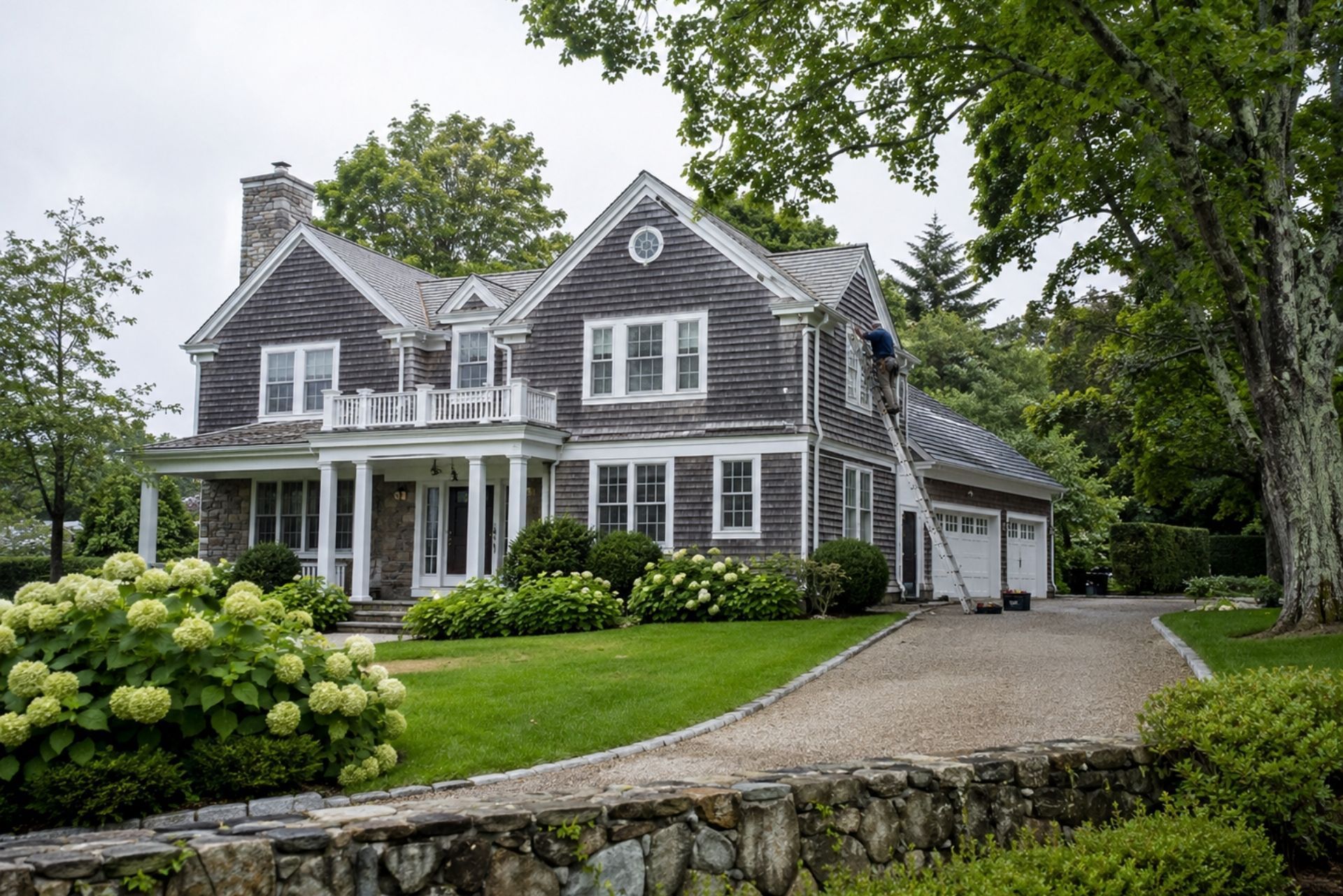
Addressing Westport's Specific Environmental Hazards
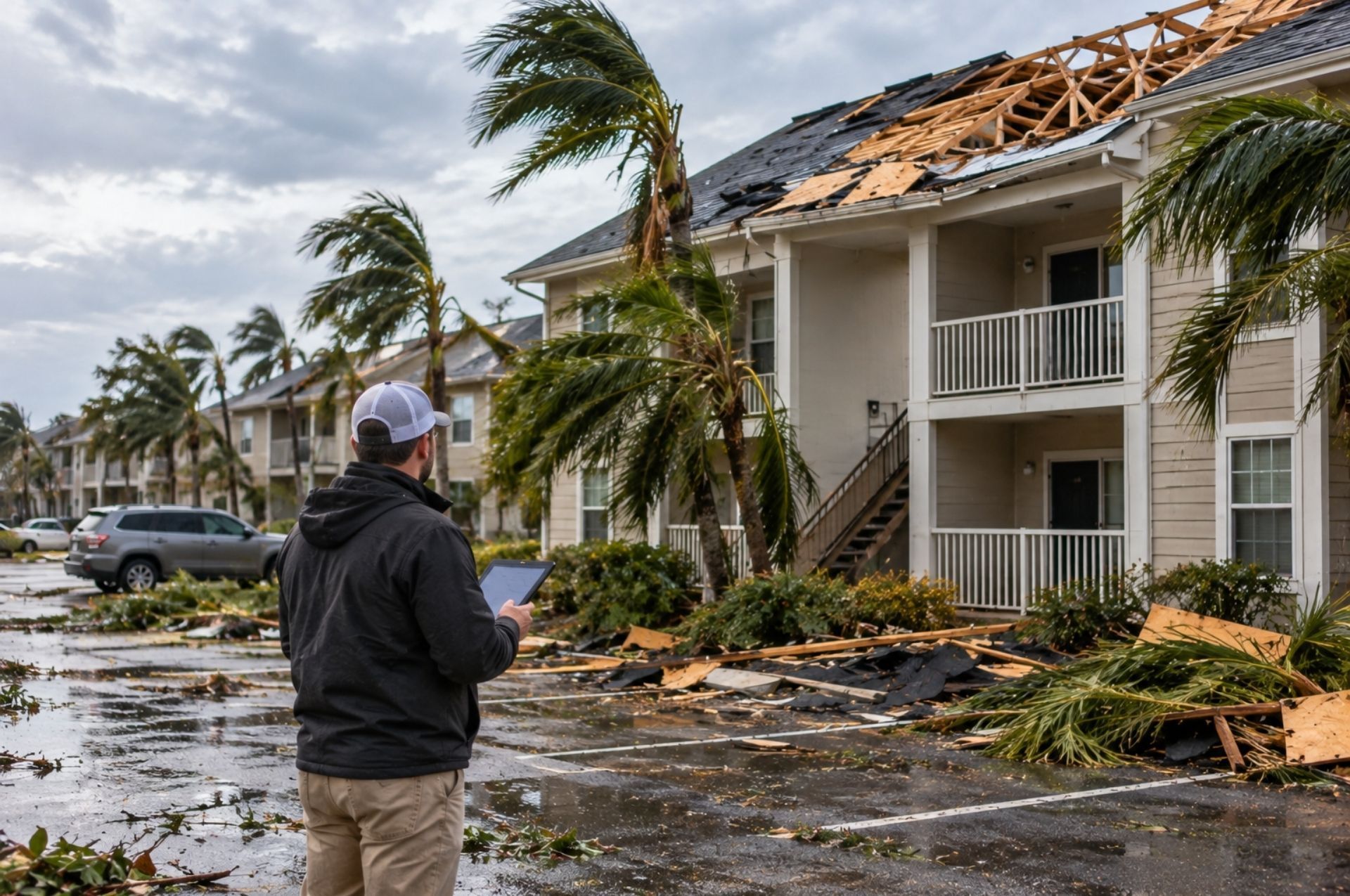
Geography shapes insurance requirements in Westport more than in most Connecticut towns. Two hazards dominate the conversation: wind events and flooding. Neither is fully covered by a standard homeowners policy without modifications or separate coverage.
Hurricane and Windstorm Deductibles
Connecticut law allows insurers to apply a separate hurricane deductible, which is calculated as a percentage of the dwelling coverage limit rather than a flat dollar amount. A 2 percent hurricane deductible on a $2 million home means the homeowner absorbs the first $40,000 of hurricane-related damage before the policy responds. Some carriers offer a 1 percent option at a higher premium, and a few still write flat-dollar deductibles for windstorm claims.
The trigger for a hurricane deductible is typically tied to the National Hurricane Center issuing a hurricane watch or warning for the area. Homeowners should read their policy language carefully, because a storm that is downgraded to a tropical storm before making landfall may or may not trigger the percentage deductible depending on the carrier's specific wording. This is a common source of disputes after coastal storms.
Flood Insurance Requirements and FEMA Zones
Standard homeowners insurance does not cover flood damage, and Westport has significant areas classified in high-risk flood zones. FEMA is currently implementing revised Flood Insurance Rate Maps for the Saugatuck River watershed, and the new classifications are expected to reclassify some properties into higher-risk designations. Homeowners whose properties are remapped into Zone AE or VE will face mandatory flood insurance requirements if they carry a federally backed mortgage.
The National Flood Insurance Program provides coverage up to $250,000 for the dwelling and $100,000 for contents, limits that are insufficient for many Westport homes. Private flood insurance markets have expanded in recent years and can offer higher limits, though premiums vary widely. A detailed flood zone lookup for Westport can help homeowners determine their current classification and anticipate changes. Connecticut's flood insurance rates have been
rising under FEMA's Risk Rating 2.0 methodology, which prices policies based on individual property risk rather than broad zone averages.
Common Questions About Westport Home Insurance
FAQ: Cost, Coverage, and Local Requirements
How much does home insurance cost in Westport? Annual premiums for Westport homes typically range from $3,000 to $12,000 or more, depending on the home's value, proximity to the coast, construction type, and chosen coverage limits. Waterfront properties with high replacement costs can see premiums well above that range.
Is flood insurance required in Westport? If the property is in a FEMA-designated high-risk flood zone and carries a federally backed mortgage, flood insurance is mandatory. Even properties outside high-risk zones can flood, and roughly 25 percent of all flood claims nationally come from moderate- to low-risk areas.
Do I need a separate windstorm policy? Most Connecticut homeowners policies include wind coverage, but they apply a separate hurricane deductible that is percentage-based. This is not a separate policy, but it functions differently from the standard deductible and can result in significant out-of-pocket costs.
What does home insurance in Westport not cover? Standard policies exclude flood damage, earthquake damage, sewer backup (unless added by endorsement), and gradual maintenance issues like mold from a slow leak. Sewer backup endorsements are particularly important in older Westport neighborhoods with aging infrastructure.
How often should I update my policy? A review every one to two years is reasonable, and a full reassessment is warranted after any major renovation, addition, or change in property use. Trends in consumer insurance behavior for 2026 suggest that more homeowners are shopping annually, which can surface better pricing or identify coverage gaps.
Can I lower my premium without reducing coverage? Increasing the standard deductible, bundling home and auto policies, installing a monitored security system, and upgrading the roof to impact-resistant materials are all proven strategies. Some carriers also offer credits for whole-house generators and smart water leak detection systems.
Protecting Your Investment the Right Way
Westport homeowners face a set of insurance decisions that are shaped by coastal geography, high property values, and an evolving regulatory environment around flood risk. The right policy is not simply the cheapest option or the one with the highest dwelling limit; it is the one that matches the specific exposures of the property and the financial profile of the homeowner. Carrying inadequate flood coverage, misunderstanding a hurricane deductible, or relying on a standard policy for a home that demands high-value treatment are mistakes that only become visible during a claim, when the cost of correction is highest.
Working with an independent agent who understands the Westport market, reviewing the policy annually, and staying informed about FEMA map changes are practical steps that protect both the property and the homeowner's financial stability. The time to identify a coverage gap is before the next storm, not after it.
About The Author:
Anton Reed
As Managing Principal of Adion Financial Group, I’m committed to helping individuals and businesses achieve financial security through strategic insurance and planning solutions. My focus is on building trust, delivering clarity, and ensuring every client receives expert guidance backed by experience and integrity.
Contact Us
Personal INSURANCE Coverage
Comprehensive Coverage for Every Personal Need
Business Insurance Solutions
Professional Liability Coverage for Service-Based Businesses
General Liability Insurance
Protects businesses from lawsuits related to injuries and property damage.
INDUSTRIES WE SERVE
Specialized Coverage for Leading Connecticut Industries
Contractors
Insurance
Whether you’re a general contractor or a specialized tradesperson, we offer coverage that protects against job site risks, equipment damage, and liability claims.

Commercial Truck Insurance
Whether you operate a single truck or an entire fleet, we provide coverage for cargo, liability, and physical damage to keep your business moving.

Restaurant Business Insurance
Keep your restaurant, café, or bar protected with coverage for property damage, liquor liability, foodborne illness, and employee injuries.

Commercial Real Estate Insurance
Safeguard your commercial properties, rental units, and office spaces from property damage, liability claims, and tenant-related risks.

“I’ve been with AFG for years. Their service is second to none, and I always feel confident that I’m covered.”
Sarah K.
Real Stories.
Real Protection.
Real Trust.
See Why Businesses and Families Trust Us for Coverage.

Quick Answers to Your Insurance Questions
Frequently Asked Questions
about Adion Financial Group
Understanding Insurance Starts with the Right Information
1. What types of insurance do you offer?
At Adion Financial Group, we offer a wide range of insurance options designed to meet the needs of both individuals and businesses. For individuals, we provide coverage for personal auto, home, renters, life, and health insurance. Whether you're looking to protect your home, your car, or your loved ones, we have a solution tailored to your needs.
2. How do I get a quote for insurance?
Getting an insurance quote with Adion Financial Group is simple and fast. First, visit our website and fill out the quote request form, providing some basic information about the type of insurance you need. If you prefer a more personal touch, you can also contact us directly, and one of our agents will walk you through the process.
3. What should I do if I need to file a claim?
If you need to file a claim, the first step is to notify us immediately. You can either call our office or submit your claim online, depending on your preference. Once we receive your claim, our team will guide you through the necessary steps and help you gather the required information.
4. How can I change my coverage or update my policy?
Making changes to your coverage or updating your policy is easy with Adion Financial Group. Whether you're moving to a new home, adding a vehicle, or expanding your business, we can help you adjust your insurance to reflect your current needs.
5. Why should I choose an independent insurance agency?
Choosing an independent insurance agency like Adion Financial Group provides you with a distinct advantage: we work for you, not an insurance company. Our independent status allows us to shop around with multiple carriers to find the most competitive rates and the best coverage options for your unique situation.
6. How can I make sure I have the right amount of coverage?
Determining the right amount of coverage can be overwhelming, but our team at Adion Financial Group is here to help. The first step is assessing your personal or business assets and identifying the potential risks you face. Whether you're an individual looking to protect your home and car, or a business owner trying to safeguard your employees and property, we will walk you through the different coverage options.
Stay Informed on Insurance Trends and Tips
Insights & Tips to Keep You Informed

Contact Us
Phone
Locations
Connecticut Location
703 Hebron Ave., 3rd Floor, Glastonbury, CT 06033
North Carolina Location
436 East 36th St., Charlotte, NC 28205