Connecticut Rentals Insurance for Out-of-State Investors

or call us: (888) 585-5188
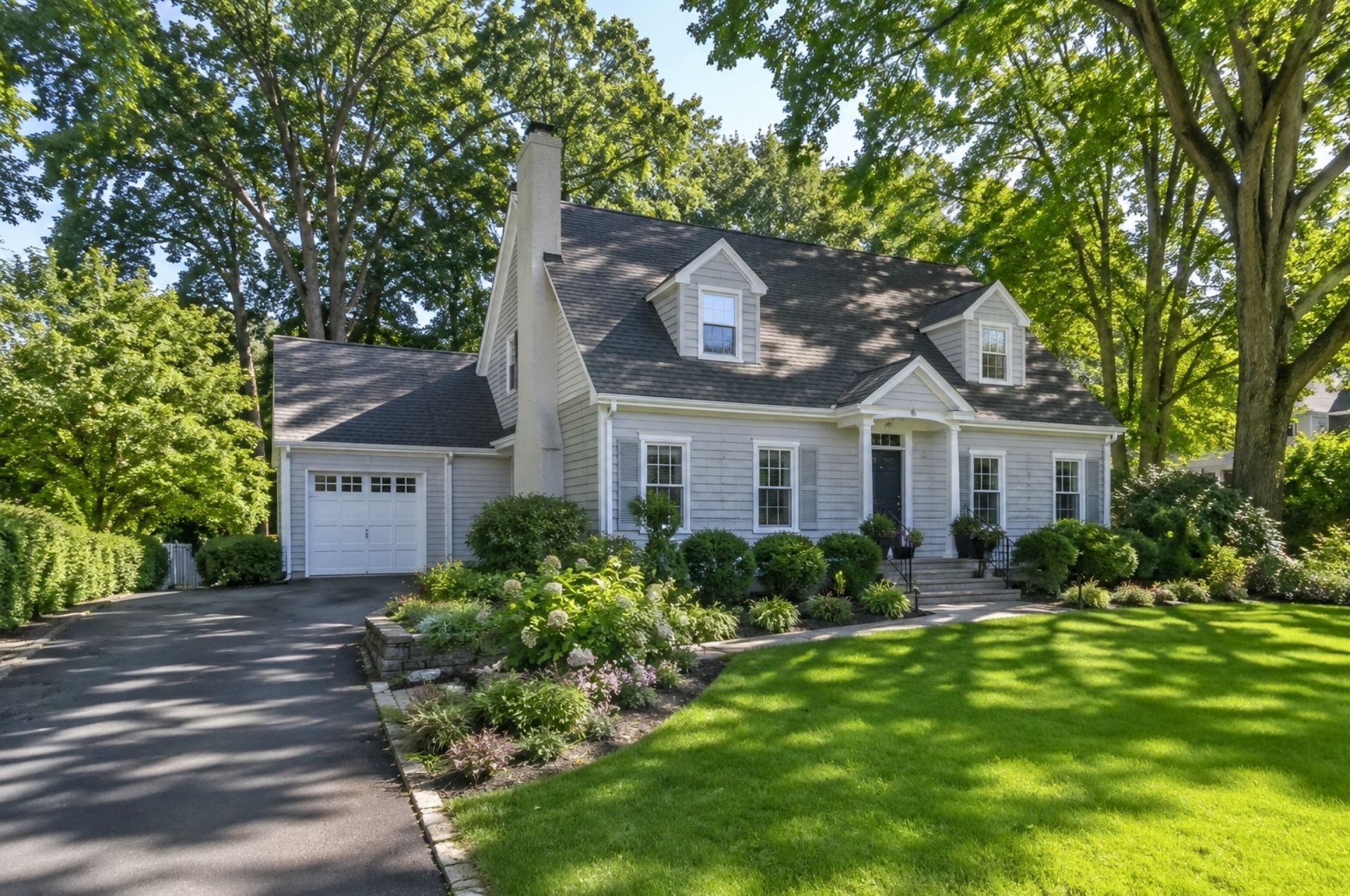
Owning rental property across state lines introduces a distinct set of insurance challenges, and Connecticut is no exception. The state's mix of aging housing stock, coastal weather exposure, and strict landlord liability standards creates a risk profile that demands careful policy selection. For investors who do not reside in Connecticut, the stakes are even higher: a gap in coverage can mean tens of thousands of dollars in uninsured losses, with no ability to drive over and assess the damage firsthand.
Connecticut homeowner insurance premiums have risen roughly 13.5 percent in a single year, and landlord policies have followed that upward trend. A standard three-bedroom rental in the state typically costs between $1,400 and $2,000 annually to insure, though properties in coastal or flood-prone zones can exceed that range significantly. These figures make it clear that insuring a Connecticut rental property as an out-of-state investor is not a line item to treat casually. The right policy structure protects both the physical asset and the income stream it generates, while the wrong one can leave an investor exposed to liabilities they never anticipated.
This guide breaks down the coverage types, policy tiers, risk mitigation strategies, and frequently asked questions that matter most to non-resident landlords with Connecticut holdings.
The Unique Landscape of Connecticut Rental Insurance
Connecticut presents a distinctive insurance environment shaped by geography, building age, and regulatory posture. The state sits squarely in the path of nor'easters, tropical storm remnants, and heavy winter weather, all of which drive claims frequency higher than many inland states. At the same time, a large percentage of the rental housing stock dates to before 1978, introducing risks related to lead paint, outdated electrical systems, and aging plumbing that modern construction simply does not carry.
The Connecticut Insurance Department conducts annual property and casualty rate reviews that reflect these pressures, and 2026 filings show continued upward movement in premiums across most carrier lines. Out-of-state investors who assume Connecticut insurance costs mirror those of their home state are often surprised by the difference.
State-Specific Risks: Coastal Weather and Older Housing Stock
Coastal communities from Stamford to Stonington face wind and flood exposure that inland towns like Hartford or Torrington do not share. Wind-driven rain damage, storm surge, and falling trees account for a disproportionate share of Connecticut rental property claims. Insurers price these risks aggressively, and some carriers have pulled back from writing new policies in the highest-risk shoreline zones, pushing landlords toward the Connecticut FAIR Plan as a last-resort option.
Older housing stock compounds the problem. Lead paint liability remains a serious concern in Connecticut, where lead toxicity continues to affect children in rental units built before federal regulations took effect. An investor who purchases a pre-1978 property without confirming lead abatement status is accepting a liability that most standard landlord policies will not fully cover.
CT Liability Standards for Out-of-State Landlords
Connecticut holds landlords to a duty-of-care standard that does not soften simply because the owner lives in another state. If a tenant or visitor is injured due to a property defect, the landlord is liable regardless of physical proximity. Connecticut courts have consistently upheld this principle, and the state's statute of limitations for personal injury claims gives plaintiffs two years to file suit, meaning an investor might not learn of a claim until well after the incident occurred.
Non-resident landlords also face the practical challenge of responding to code enforcement notices, municipal inspections, and emergency repairs on a timeline that Connecticut law considers reasonable. Failure to act promptly can itself become a basis for liability, making adequate insurance coverage not just prudent but essential.

Essential Coverage Types for Non-Resident Investors
Selecting the right combination of coverage types is the foundation of any sound insurance strategy for out-of-state rental property owners. A single policy rarely addresses every risk, and Connecticut's particular hazards make it important to understand what each coverage component does and does not protect.
DP-3 Special Form Policies: The Gold Standard
The DP-3, or Dwelling Property Special Form, is the most comprehensive landlord policy available and the one most insurance professionals recommend for investment properties. Unlike the more limited DP-1 and DP-2 forms, a DP-3 covers the dwelling on an open-peril basis, meaning it protects against all causes of loss except those specifically excluded in the policy language. This distinction matters enormously because it shifts the burden of proof: the insurer must demonstrate that an exclusion applies rather than the landlord having to prove the loss falls within a named peril.
For out-of-state investors, the DP-3 also typically includes broader coverage for vandalism, accidental discharge of water, and weight of ice and snow, all of which are common Connecticut claim scenarios. The premium difference between a DP-2 and DP-3 is often modest relative to the expanded protection.
Loss of Rent Coverage During Repairs
When a covered loss renders a rental unit uninhabitable, loss of rent coverage (sometimes called fair rental value coverage) reimburses the landlord for the income that would have been collected during the repair period. For a non-resident investor who depends on monthly cash flow from the property, this coverage can mean the difference between a manageable disruption and a financial crisis.
Connecticut repair timelines can stretch longer than investors expect, particularly during winter months when contractor availability shrinks and material deliveries slow. A burst pipe in January that displaces a tenant could easily result in two to three months of lost rent. Policies typically cap this benefit at 12 months or a stated dollar amount, so investors should confirm that the limit aligns with their actual rental income.
General Liability vs. Umbrella Policies
General liability coverage, included in most DP-3 policies, protects against claims arising from bodily injury or property damage on the premises. Standard limits of $100,000 to $300,000 per occurrence are common, but Connecticut's litigation environment can produce judgments that exceed those thresholds quickly, especially in cases involving lead paint exposure or serious slip-and-fall injuries.
An umbrella policy sits above the general liability limit and kicks in once the underlying coverage is exhausted. For investors holding multiple Connecticut properties, or those with significant personal assets to protect, an umbrella policy offering $1 million or more in additional coverage is a relatively inexpensive safeguard. Annual premiums for a $1 million umbrella typically run between $200 and $400, a fraction of the cost of a single uninsured judgment.
Comparing Policy Tiers: Basic vs. Comprehensive
Understanding the differences between DP-1, DP-2, and DP-3 policy forms is critical for making an informed purchasing decision. Each tier offers a different scope of protection, and the cost differential between them is often smaller than investors assume.
Table: Comparison of DP-1, DP-2, and DP-3 Coverage
| Feature | DP-1 (Basic) | DP-2 (Broad) | DP-3 (Special) |
|---|---|---|---|
| Peril Coverage | Named perils only (fire, lightning, etc.) | Broader named perils (adds weight of ice, accidental water discharge) | Open peril (all risks unless excluded) |
| Valuation Method | Actual cash value | Actual cash value | Replacement cost available |
| Theft Coverage | Not included | Not included | Typically included |
| Vandalism | Limited or excluded | Included | Included |
| Loss of Rent | Not standard | Optional add-on | Typically included |
| Best For | Vacant or low-value properties | Budget-conscious investors with occupied units | Active rental properties requiring full protection |
| Typical Annual Cost (CT 3BR) | $800 - $1,100 | $1,100 - $1,500 | $1,400 - $2,000+ |
The DP-1 may seem attractive on price alone, but its narrow coverage leaves significant gaps that Connecticut's weather and housing conditions can exploit. Most experienced investors and insurance advisors consider the DP-3 the appropriate baseline for occupied rental properties, particularly those managed from out of state.
Mitigating Risks from a Distance
Physical distance from a rental property amplifies every risk. A small leak that a resident owner might catch in hours can go undetected for weeks when the landlord lives in another state, turning a minor repair into a major insurance claim. Proactive risk mitigation strategies reduce both the frequency and severity of losses.
The Role of Property Managers in Insurance Compliance
A competent local property manager serves as the investor's eyes and ears on the ground, but the relationship carries insurance implications that many non-resident owners overlook. Some Connecticut insurers require that a licensed property manager be in place before they will write a policy for an out-of-state owner, viewing professional management as a risk reduction factor.
Property managers also play a direct role in maintaining insurance compliance by conducting regular inspections, documenting property conditions, coordinating timely repairs, and ensuring that the property meets local building and safety codes. Investors should verify that their property management agreement includes clear language about insurance-related responsibilities, including who carries what coverage and how claims are reported.
Requiring Renters Insurance: The Landlord's Safety Net
Requiring tenants to carry renters insurance is one of the simplest and most effective risk mitigation tools available to landlords. A tenant's renters policy covers their personal belongings and, critically, includes personal liability coverage that can protect the tenant, and indirectly the landlord, if the tenant causes damage to the unit or injures a third party.
Connecticut law permits landlords to require renters insurance as a condition of the lease. Setting a minimum coverage amount of $100,000 in liability and $20,000 in personal property is a reasonable standard. Landlords should also require that they be listed as an "additional interest" on the tenant's policy, which triggers automatic notification if the tenant cancels or fails to renew coverage.
Common Questions About Insuring CT Property
Non-resident investors frequently encounter the same set of questions as they build out their Connecticut insurance strategy. The answers below address the most common concerns.
FAQ: What happens if my rental is vacant between tenants?
Most landlord policies include a vacancy clause that limits or eliminates coverage after a property sits empty for 30 to 60 consecutive days. Vandalism, water damage, and theft claims are typically excluded during vacancy periods. Investors anticipating extended vacancies should purchase a separate vacancy endorsement or a standalone vacant property policy.
FAQ: Do I need a separate policy for a Connecticut LLC?
If the rental property is held in a Connecticut LLC, the insurance policy should name the LLC as the insured entity, not the individual investor. This alignment is essential for maintaining the liability protection the LLC provides. Some carriers will add the LLC as a named insured on an existing policy; others require a separate commercial policy. Confirming this with the carrier before closing on a property avoids dangerous gaps.
FAQ: Is flood insurance required for inland CT rentals?
Standard landlord policies exclude flood damage regardless of location. While lenders may only require flood insurance for properties in FEMA-designated high-risk zones, Connecticut's inland areas are not immune to flooding. The state has experienced significant inland flooding from heavy rain events in recent years, and rising insurance costs in Connecticut reflect the growing recognition of this risk. A separate NFIP or private flood policy is worth considering even for properties outside mandatory flood zones.
FAQ: Can I use my primary homeowner's agent for out-of-state property?
An agent licensed only in the investor's home state cannot write a Connecticut landlord policy. Connecticut requires that property insurance be written by an agent or carrier licensed to do business in the state. Some national brokerages operate across state lines and can coordinate coverage, but the policy itself must comply with Connecticut's regulatory requirements. Working with a Connecticut-licensed agent who understands local market conditions is the most reliable approach.
FAQ: How does snow removal affect my liability insurance?
Connecticut landlords bear responsibility for maintaining safe conditions on their properties, and snow and ice removal is a frequent source of slip-and-fall claims. If the landlord contracts with a snow removal service, the contractor should carry their own general liability insurance and name the property owner as an additional insured. Failure to clear snow and ice within a reasonable time after a storm can result in liability claims that the landlord's policy will cover, but repeated claims will drive premiums higher and may trigger non-renewal.
The Bottom Line for Your Investment
Insuring Connecticut rental property from out of state requires more than simply purchasing the cheapest policy available. The state's coastal weather exposure, aging housing stock, and strict landlord liability standards create a risk environment that rewards thorough coverage selection and proactive management. A DP-3 policy forms the core of a sound insurance strategy, supplemented by adequate liability limits, loss of rent protection, and, where applicable, flood coverage.
Non-resident investors who pair proper insurance with a reliable local property manager and a lease requirement for renters insurance position themselves to weather both literal and financial storms. The
2026 property insurance outlook suggests that premiums will continue to rise, making it all the more important to secure appropriate coverage now rather than after a loss exposes a gap. Review existing policies annually, confirm that coverage limits keep pace with property values and rental income, and treat insurance not as an expense to minimize but as a structural component of a sound investment.
About The Author:
Anton Reed
As Managing Principal of Adion Financial Group, I’m committed to helping individuals and businesses achieve financial security through strategic insurance and planning solutions. My focus is on building trust, delivering clarity, and ensuring every client receives expert guidance backed by experience and integrity.
Contact Us
Personal INSURANCE Coverage
Comprehensive Coverage for Every Personal Need
Business Insurance Solutions
Professional Liability Coverage for Service-Based Businesses
General Liability Insurance
Protects businesses from lawsuits related to injuries and property damage.
INDUSTRIES WE SERVE
Specialized Coverage for Leading Connecticut Industries
Contractors
Insurance
Whether you’re a general contractor or a specialized tradesperson, we offer coverage that protects against job site risks, equipment damage, and liability claims.

Commercial Truck Insurance
Whether you operate a single truck or an entire fleet, we provide coverage for cargo, liability, and physical damage to keep your business moving.

Restaurant Business Insurance
Keep your restaurant, café, or bar protected with coverage for property damage, liquor liability, foodborne illness, and employee injuries.

Commercial Real Estate Insurance
Safeguard your commercial properties, rental units, and office spaces from property damage, liability claims, and tenant-related risks.

“I’ve been with AFG for years. Their service is second to none, and I always feel confident that I’m covered.”
Sarah K.
Real Stories.
Real Protection.
Real Trust.
See Why Businesses and Families Trust Us for Coverage.

Quick Answers to Your Insurance Questions
Frequently Asked Questions
about Adion Financial Group
Understanding Insurance Starts with the Right Information
1. What types of insurance do you offer?
At Adion Financial Group, we offer a wide range of insurance options designed to meet the needs of both individuals and businesses. For individuals, we provide coverage for personal auto, home, renters, life, and health insurance. Whether you're looking to protect your home, your car, or your loved ones, we have a solution tailored to your needs.
2. How do I get a quote for insurance?
Getting an insurance quote with Adion Financial Group is simple and fast. First, visit our website and fill out the quote request form, providing some basic information about the type of insurance you need. If you prefer a more personal touch, you can also contact us directly, and one of our agents will walk you through the process.
3. What should I do if I need to file a claim?
If you need to file a claim, the first step is to notify us immediately. You can either call our office or submit your claim online, depending on your preference. Once we receive your claim, our team will guide you through the necessary steps and help you gather the required information.
4. How can I change my coverage or update my policy?
Making changes to your coverage or updating your policy is easy with Adion Financial Group. Whether you're moving to a new home, adding a vehicle, or expanding your business, we can help you adjust your insurance to reflect your current needs.
5. Why should I choose an independent insurance agency?
Choosing an independent insurance agency like Adion Financial Group provides you with a distinct advantage: we work for you, not an insurance company. Our independent status allows us to shop around with multiple carriers to find the most competitive rates and the best coverage options for your unique situation.
6. How can I make sure I have the right amount of coverage?
Determining the right amount of coverage can be overwhelming, but our team at Adion Financial Group is here to help. The first step is assessing your personal or business assets and identifying the potential risks you face. Whether you're an individual looking to protect your home and car, or a business owner trying to safeguard your employees and property, we will walk you through the different coverage options.
Stay Informed on Insurance Trends and Tips
Insights & Tips to Keep You Informed


Contact Us
Phone
Locations
Connecticut Location
703 Hebron Ave., 3rd Floor, Glastonbury, CT 06033
North Carolina Location
436 East 36th St., Charlotte, NC 28205