

Operating a limousine or black car service in Connecticut requires more than exceptional vehicles and professional chauffeurs. The insurance landscape for livery operators presents unique challenges that differ substantially from standard
commercial auto coverage, and understanding these requirements can mean the difference between a thriving business and catastrophic financial exposure. Connecticut regulators maintain strict oversight of for-hire transportation, recognizing that passengers place their safety in the hands of operators who must carry adequate protection. Commercial vehicles seating
more than eight passengers must maintain at least $1,500,000 in liability coverage, while larger fleets carrying sixteen or more passengers face minimum requirements of $5,000,000. These thresholds reflect the elevated risks inherent in transporting multiple passengers through busy corridors, airport routes, and event venues. Many operators discover that securing appropriate coverage involves navigating complex endorsements, specialized riders, and premium structures that respond to factors ranging from driver experience to operating territory. This overview of Connecticut limo and black car insurance coverage examines the essential components every operator must understand to maintain compliance while protecting their investment and reputation.
Essential Insurance Requirements for Connecticut Livery Operators
Connecticut law establishes clear mandates for anyone operating vehicles that transport passengers for compensation, creating a regulatory framework that protects both the traveling public and legitimate business operators from underinsured competitors.
DOT and State Minimum Liability Thresholds
The Connecticut Department of Motor Vehicles works in conjunction with federal Department of Transportation requirements to establish minimum coverage thresholds based on vehicle capacity and operational scope. State law mandates baseline coverage of $25,000 per person for bodily injury, $50,000 per accident for bodily injury, and $25,000 per accident for property damage for standard commercial vehicles. Transportation network company drivers providing prearranged rides must maintain primary automobile liability insurance coverage of at least $1 million for damages arising from bodily injury, death, or property damage per accident. Operators crossing state lines or engaging in interstate commerce face additional federal requirements that often exceed state minimums, necessitating careful policy structuring to ensure continuous compliance across all jurisdictions served.
Public Passenger Endorsement and Licensing
To legally operate a limousine service in Connecticut, the Department of Motor Vehicles requires licensing that involves
vetting and proof of commercial insurance to protect both the business and its passengers. This process includes demonstrating that all vehicles carry appropriate public passenger endorsements on their commercial auto policies. Standard commercial auto coverage does not automatically extend to for-hire passenger transportation, and operators who assume otherwise risk denied claims and regulatory penalties. The endorsement process typically requires documentation of driver qualifications, vehicle inspections, and proof that liability limits meet or exceed state thresholds for the specific class of service provided.

Core Coverage Components for Limo and Black Car Fleets
Building a comprehensive insurance program requires understanding how different coverage components work together to address the full spectrum of risks facing livery operations.
Commercial Auto Liability and Property Damage
Commercial auto liability forms the foundation of any livery insurance program, responding when company vehicles cause injury or property damage to third parties. Connecticut requires commercial auto insurance for vehicles transporting people for a fee because personal auto policies explicitly exclude business use from coverage. This coverage pays for medical expenses, lost wages, and pain and suffering claims brought by injured parties, along with legal defense costs that can accumulate rapidly even in cases that never reach trial. Property damage liability covers repairs or replacement of other vehicles, buildings, or infrastructure damaged in covered incidents.
Physical Damage: Collision and Comprehensive
Unlike liability coverage, physical damage protection is not mandated by state law but remains essential for operators who cannot absorb the cost of replacing luxury vehicles out of pocket. Collision coverage pays for repairs when company vehicles strike other objects or overturn, regardless of fault determination. Comprehensive coverage addresses non-collision losses including theft, vandalism, fire, flood, and falling objects. Given that stretch limousines and executive sedans often represent investments of $80,000 to $200,000 or more, most operators find physical damage coverage indispensable despite its significant premium impact.
Uninsured and Underinsured Motorist Protection
Connecticut roads carry drivers who lack adequate insurance or carry none at all, creating exposure that uninsured and underinsured motorist coverage addresses directly. This protection pays for injuries to company drivers and passengers when at-fault parties cannot cover the damages they cause. For livery operators, this coverage proves particularly valuable because injured passengers may pursue claims against the transportation company regardless of fault, and having UM/UIM coverage provides an additional layer of protection for everyone aboard company vehicles.
Specialized Endorsements for Luxury Transportation
Standard commercial auto policies require supplementation through specialized endorsements that address risks unique to the livery industry.
Garagekeepers and Valet Liability
Operators who store client vehicles or provide valet services at events face exposures that commercial auto policies do not address. Garagekeepers coverage protects against damage to customer vehicles while in the care, custody, or control of the insured business, whether stored at company facilities or event venues. Valet liability extends this protection to cover damage occurring during the parking and retrieval process. These coverages prove essential for operators offering comprehensive event services that include vehicle management alongside passenger transportation.
Employment Practices Liability Insurance (EPLI)
As livery companies grow, employment-related claims become increasingly likely, ranging from wrongful termination allegations to discrimination and harassment complaints. EPLI coverage pays for defense costs and settlements arising from employment practices disputes, protecting company assets from claims that can easily reach six figures even when employers have acted appropriately. This coverage has become increasingly important as employment law continues to evolve and employees become more aware of their legal rights and remedies.
Premium calculations for livery operations involve numerous variables that operators can influence through strategic business decisions and risk management practices.
Fleet Size and Vehicle Type Classifications
Insurers assign different rate factors based on vehicle classifications, with stretch limousines typically commanding higher premiums than executive sedans due to their increased passenger capacity and replacement costs. Fleet size creates both challenges and opportunities, as larger operations may qualify for volume discounts while simultaneously presenting greater aggregate exposure. Many limousine operators have experienced insurance premium
increases with double-digit percentage hikes year over year, making fleet composition decisions increasingly consequential for overall profitability.
| Vehicle Type | Typical Premium Range | Key Rating Factors |
|---|---|---|
| Executive Sedan | $4,000 - $8,000 annually | Vehicle value, driver record |
| SUV/Suburban | $5,500 - $10,000 annually | Passenger capacity, usage |
| Stretch Limousine | $8,000 - $15,000 annually | Length, seating capacity |
| Party Bus | $12,000 - $25,000 annually | Passenger count, alcohol exposure |
Driver MVR Records and Experience Requirements
Motor vehicle records serve as primary predictors of future loss experience, and insurers scrutinize driver histories carefully before extending coverage. Operators who implement rigorous hiring standards and ongoing MVR monitoring typically secure more favorable rates than those who accept drivers with recent violations or accidents. Experience requirements vary by insurer, but most prefer chauffeurs with at least three years of commercial driving history and clean records extending back five years or more.
Operating Radius and High-Traffic Corridor Risks
Geographic operating territory significantly impacts premium calculations, with operators serving congested urban areas and high-traffic corridors facing elevated rates compared to those working primarily in suburban or rural markets. Airport runs, which represent significant revenue for many Connecticut operators, involve exposure to heavy traffic, tight schedules, and the stress that contributes to accidents. Insurers evaluate the percentage of operations conducted in various risk zones when determining appropriate premium levels.
Risk Management and Safety Protocols
Proactive risk management reduces both claim frequency and premium costs while demonstrating to insurers that operators take safety seriously.
Telematics and Dash Cam Integration
Modern telematics systems provide real-time monitoring of driver behavior, tracking metrics including speed, hard braking, rapid acceleration, and route adherence. Dash cameras serve dual purposes by documenting incidents for claims purposes and deterring unsafe driving when operators review footage regularly. Many insurers offer premium credits ranging from five to fifteen percent for operators who implement and actively utilize these technologies, recognizing their proven impact on loss experience.
Implementing Formal Safety Training Programs
Documented safety training programs demonstrate commitment to loss prevention and often qualify operators for additional premium credits. Effective programs address defensive driving techniques, passenger assistance protocols, vehicle inspection procedures, and emergency response planning. Refresher training conducted quarterly or semi-annually reinforces initial instruction and addresses emerging risks or regulatory changes that affect operations.
When incidents occur, proper claims handling protects both immediate financial interests and long-term insurability. Operators should establish clear protocols for incident documentation, including photographing damage, collecting witness information, and completing detailed written reports before memories fade. Prompt notification to insurers, typically required within 24 to 72 hours depending on policy terms, preserves coverage rights and enables early investigation while evidence remains fresh.
Compliance audits conducted by state regulators or insurance carriers verify that operators maintain required coverages and follow established safety protocols. Maintaining organized records of insurance certificates, driver qualifications, vehicle inspections, and training documentation simplifies audit processes and demonstrates operational professionalism. Operators who approach audits as opportunities to verify compliance rather than adversarial examinations typically experience smoother interactions and fewer findings requiring correction.
Frequently Asked Questions
What happens if my limousine is involved in an accident while transporting passengers? Your commercial auto liability coverage responds first, covering injuries to passengers and third parties up to policy limits, while physical damage coverage addresses vehicle repairs.
Can I use my personal auto insurance for occasional livery work? Personal auto policies explicitly exclude for-hire transportation, and claims arising from commercial use will be denied regardless of how infrequently the vehicle transports paying passengers.
How often do Connecticut livery insurance requirements change? State requirements typically remain stable for extended periods, though federal regulations and insurer underwriting standards may shift more frequently based on industry loss experience.
Do I need separate coverage for each vehicle in my fleet? Commercial auto policies typically schedule multiple vehicles under a single policy, though each vehicle requires individual listing with appropriate coverage selections.
What documentation should I keep in each vehicle? Maintain current insurance certificates, vehicle registration, driver credentials, and emergency contact information in every vehicle to facilitate roadside compliance verification.
Making the Right Coverage Decision
Securing appropriate insurance coverage for Connecticut limo and black car operations requires balancing regulatory compliance with financial protection and premium affordability. Operators who invest time in understanding coverage components, implementing risk management protocols, and maintaining strong relationships with knowledgeable insurance professionals position themselves for sustainable success. The complexity of livery insurance makes working with agents or brokers who specialize in transportation risks particularly valuable, as they can identify coverage gaps, negotiate competitive terms, and advocate effectively during the claims process. Taking a proactive approach to insurance and safety management protects not only the business investment but also the passengers who trust livery operators with their safety and comfort.
About The Author:
Anton Reed
As Managing Principal of Adion Financial Group, I’m committed to helping individuals and businesses achieve financial security through strategic insurance and planning solutions. My focus is on building trust, delivering clarity, and ensuring every client receives expert guidance backed by experience and integrity.
Contact Us
Personal INSURANCE Coverage
Comprehensive Coverage for Every Personal Need
Business Insurance Solutions
Professional Liability Coverage for Service-Based Businesses
General Liability Insurance
Protects businesses from lawsuits related to injuries and property damage.
INDUSTRIES WE SERVE
Specialized Coverage for Leading Connecticut Industries
Contractors
Insurance
Whether you’re a general contractor or a specialized tradesperson, we offer coverage that protects against job site risks, equipment damage, and liability claims.

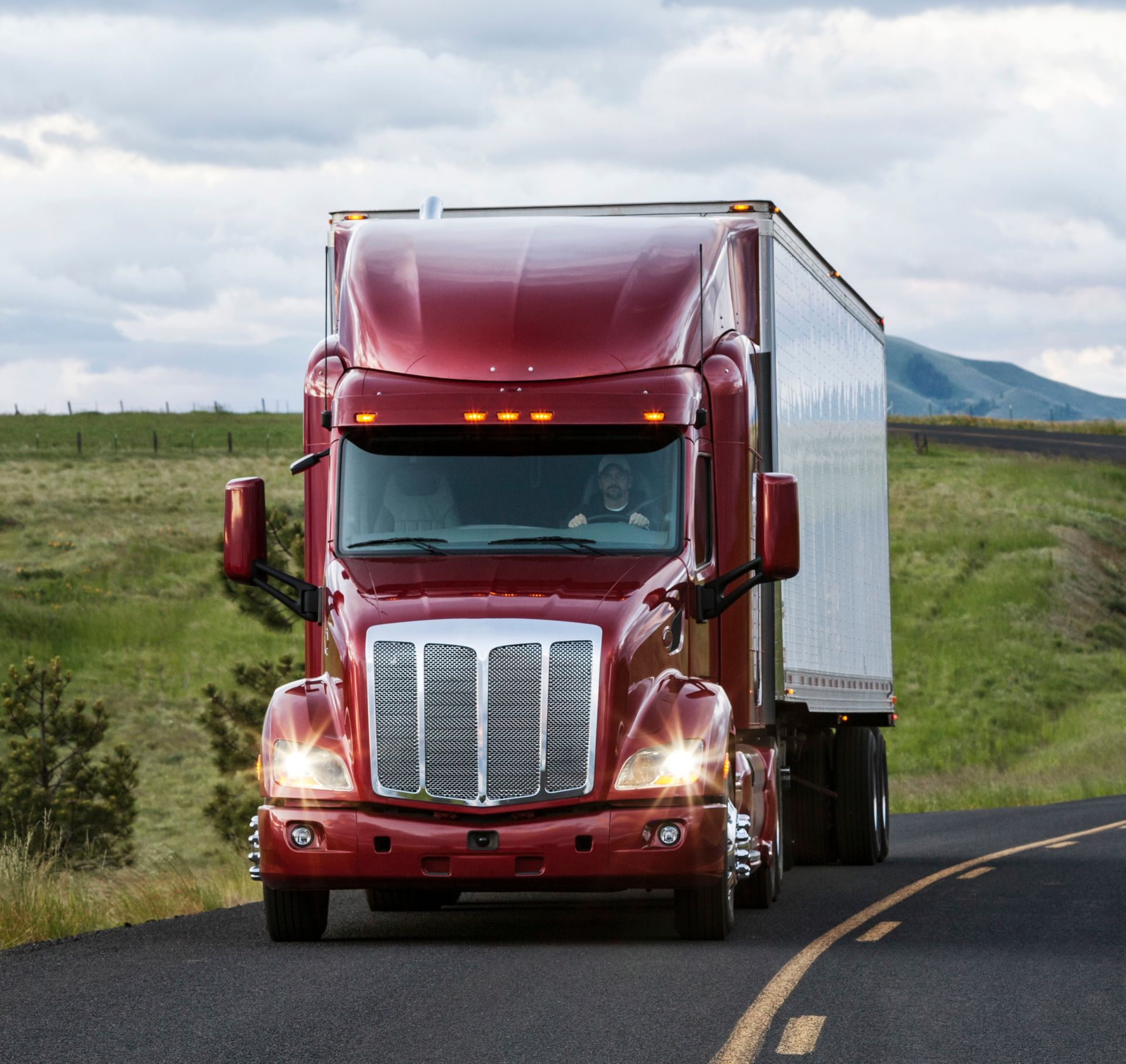
Commercial Truck Insurance
Whether you operate a single truck or an entire fleet, we provide coverage for cargo, liability, and physical damage to keep your business moving.
Restaurant Business Insurance
Keep your restaurant, café, or bar protected with coverage for property damage, liquor liability, foodborne illness, and employee injuries.

Commercial Real Estate Insurance
Safeguard your commercial properties, rental units, and office spaces from property damage, liability claims, and tenant-related risks.

“I’ve been with AFG for years. Their service is second to none, and I always feel confident that I’m covered.”
Sarah K.
Real Stories.
Real Protection.
Real Trust.
See Why Businesses and Families Trust Us for Coverage.

Quick Answers to Your Insurance Questions
Frequently Asked Questions
about Adion Financial Group
Understanding Insurance Starts with the Right Information
1. What types of insurance do you offer?
At Adion Financial Group, we offer a wide range of insurance options designed to meet the needs of both individuals and businesses. For individuals, we provide coverage for personal auto, home, renters, life, and health insurance. Whether you're looking to protect your home, your car, or your loved ones, we have a solution tailored to your needs.
2. How do I get a quote for insurance?
Getting an insurance quote with Adion Financial Group is simple and fast. First, visit our website and fill out the quote request form, providing some basic information about the type of insurance you need. If you prefer a more personal touch, you can also contact us directly, and one of our agents will walk you through the process.
3. What should I do if I need to file a claim?
If you need to file a claim, the first step is to notify us immediately. You can either call our office or submit your claim online, depending on your preference. Once we receive your claim, our team will guide you through the necessary steps and help you gather the required information.
4. How can I change my coverage or update my policy?
Making changes to your coverage or updating your policy is easy with Adion Financial Group. Whether you're moving to a new home, adding a vehicle, or expanding your business, we can help you adjust your insurance to reflect your current needs.
5. Why should I choose an independent insurance agency?
Choosing an independent insurance agency like Adion Financial Group provides you with a distinct advantage: we work for you, not an insurance company. Our independent status allows us to shop around with multiple carriers to find the most competitive rates and the best coverage options for your unique situation.
6. How can I make sure I have the right amount of coverage?
Determining the right amount of coverage can be overwhelming, but our team at Adion Financial Group is here to help. The first step is assessing your personal or business assets and identifying the potential risks you face. Whether you're an individual looking to protect your home and car, or a business owner trying to safeguard your employees and property, we will walk you through the different coverage options.
Stay Informed on Insurance Trends and Tips
Insights & Tips to Keep You Informed

Contact Us
Phone
Locations
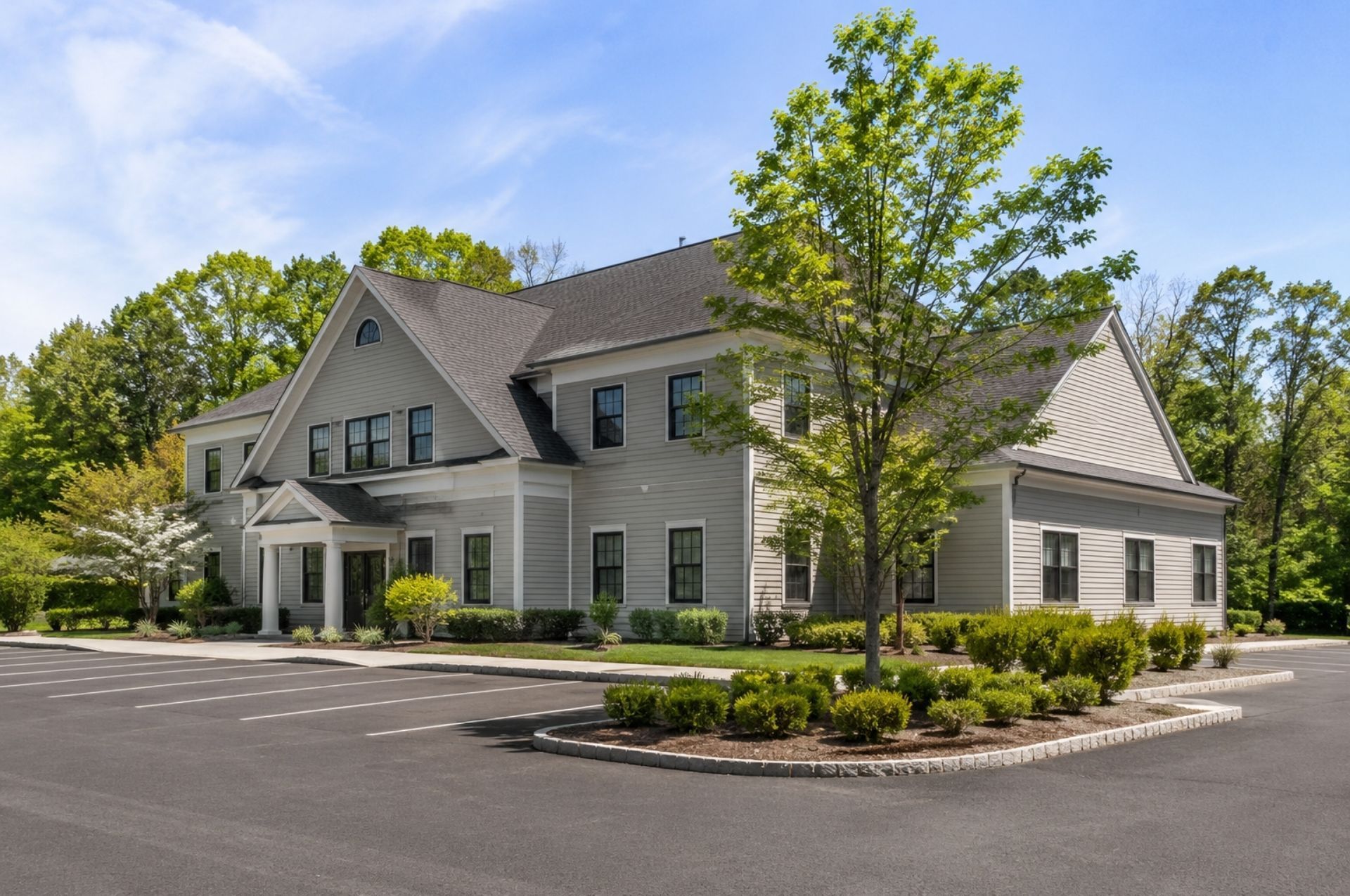
Connecticut Location
703 Hebron Ave., 3rd Floor, Glastonbury, CT 06033
North Carolina Location
436 East 36th St., Charlotte, NC 28205