
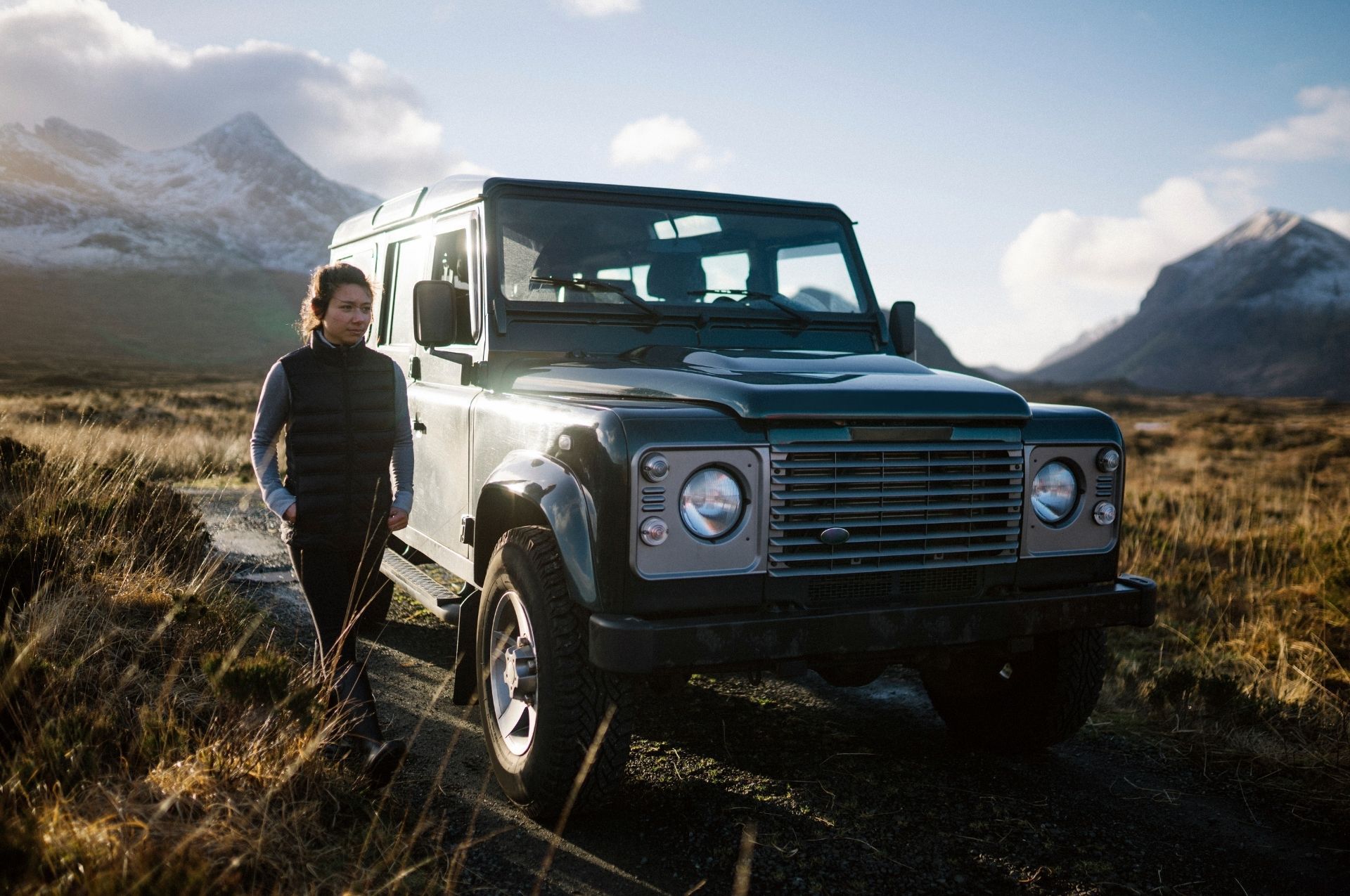
A Connecticut driver who owns a Land Rover and opens a renewal notice right now is likely to feel the shock first, then start wondering what changed so quickly. In 2024, approved
auto insurance rates in the state jumped by 10.7 percent, more than double the national average of 4.8 percent, according to an analysis from S&P Global Market Intelligence that reviewed filings with regulators across the country
of state and national auto insurance rate changes. When that broader spike collides with the cost of repairing a high end SUV packed with technology, premiums can climb faster than many Land Rover owners expect.
Why insuring a Land Rover in Connecticut feels so expensive right now
Connecticut drivers are not imagining the squeeze. Auto insurance analysts have flagged the state as a hot spot for premium increases, and industry experts note that rate hikes here have been especially steep over the past few renewal cycles. One analyst described that trend bluntly, explaining that in the last couple of years Connecticut has seen what he called big rate increases as insurers try to keep up with claim costs and loss trends in interviews about recent filings. For Land Rover owners, those broad market moves sit on top of the usual cost pressures that already come with a luxury vehicle.
Several forces are working together to push premiums higher in the state, and many of them hit Land Rover drivers directly. Dangerous driving patterns, more severe accidents, and a rise in litigation are all being cited in recent coverage of Connecticut rate filings as key reasons companies are asking for larger increases from regulators in reports on why rates are climbing. When the vehicle involved is a large, heavy SUV with significant power and high repair costs, insurers see more potential claim severity, and they price that risk accordingly.
High tech design is another big piece of the puzzle. Recent Land Rover models rely on advanced driver assistance systems, complex body sensors, cameras, radar units, and aluminum or mixed material body panels. Those features are valuable on the road, but they are not cheap in a body shop. Even a minor front end collision that barely crumples the bumper cover can involve sophisticated sensors and cameras behind it, and that pushes both parts and labor costs up. Insurers look closely at the cost to put a vehicle back to its pre loss condition, and the higher those costs, the less flexibility they have on premiums.
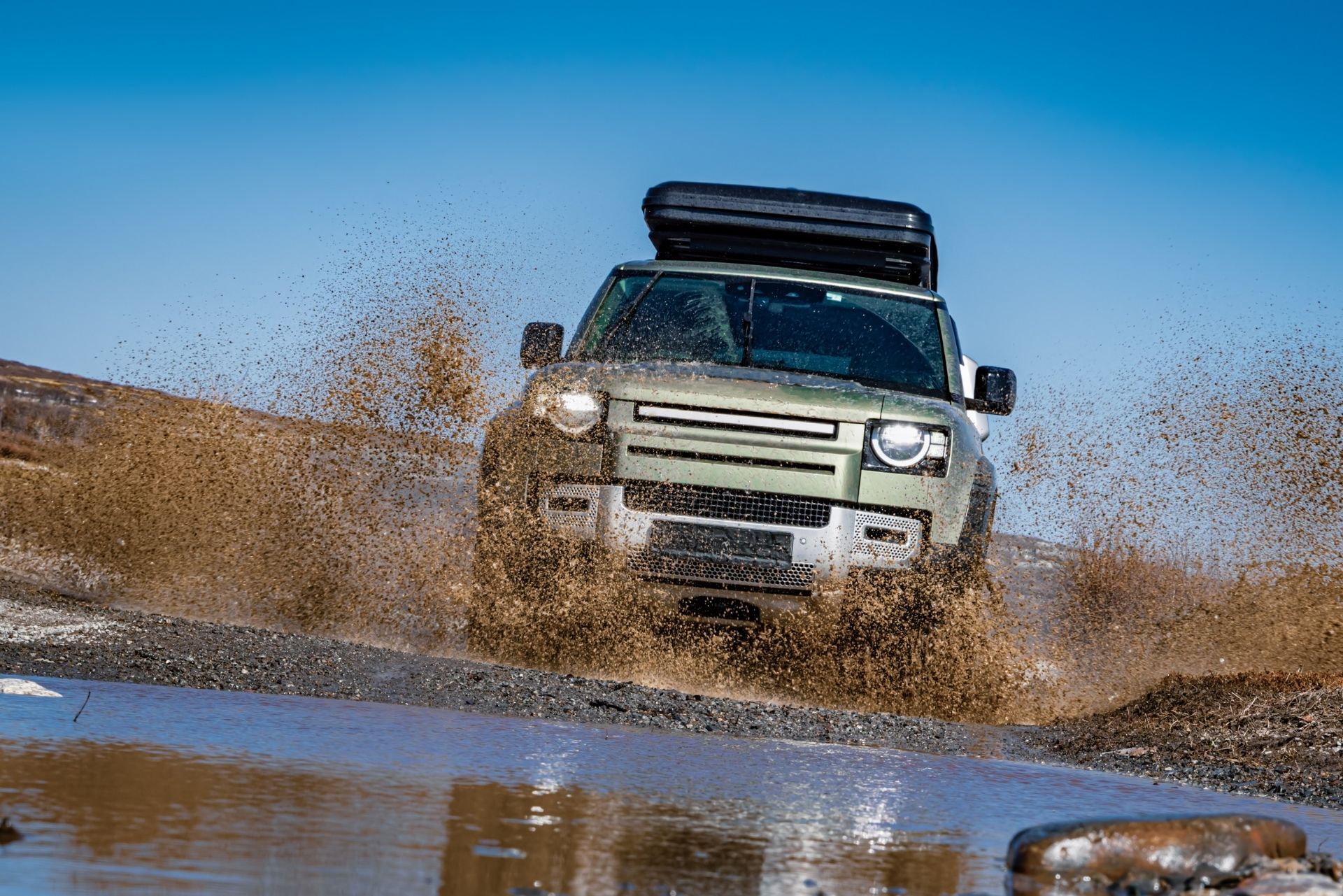
How Connecticut specific risks affect Land Rover premiums
Beyond the vehicle itself, the environment where that Land Rover spends most of its time matters. Connecticut combines dense urban corridors, busy suburban arteries, and winding secondary roads. Traffic congestion, stop and go commuting, and frequent lane changes all translate into more opportunities for fender benders and higher severity crashes. When insurers build their rating models for the state, they take these local driving realities into account, and that flows directly into what a Land Rover owner pays.
There is another trend that worries insurers and hits responsible drivers in the wallet. A study by the Insurance Research Council found that between 2018 and 2023, the share of drivers on American roads without insurance rose from 12.4 percent to 15.4 percent, meaning more crashes involve vehicles with no coverage of their own to draw from for injuries or damage in research on uninsured motorists. That national pattern influences how carriers think about risk in states like Connecticut, and it makes uninsured and underinsured motorist coverage especially important for drivers behind the wheel of an expensive SUV.
Weather plays a quieter, but still important, role. Heavy rain can flood low lying streets and parking areas, snow and ice lead to slick roads and slide offs, and coastal storms can bring flying debris or downed branches onto vehicles. A Land Rover is built to handle challenging conditions on the road, but that rugged capability does not make it immune to comprehensive claims for hail, flood, falling objects, or storm related damage. Insurers factor in local weather history and claim patterns when they price comprehensive coverage, so storm prone areas of the state can see different rate pressures than more sheltered inland zones.
Parking and storage conditions are another Connecticut specific concern. Many drivers live in multi unit buildings, dense neighborhoods, or older homes with narrow driveways and limited garage space. Land Rovers that spend nights on the street or in open lots face higher exposure to vandalism, theft, and hit and run damage. Underwriters look at garaging addresses, crime statistics, and claim frequency in particular zip codes, and that means two drivers with similar vehicles and driving records can see different premiums simply because one vehicle spends nights in a secured garage and the other does not.
Core coverages every Connecticut Land Rover owner should understand
Luxury badge or not, insurance for a Land Rover in Connecticut starts with the same basic building blocks as any auto policy. The difference lies in how much coverage a driver chooses, which options they add on, and how those decisions mesh with the value and technology inside the vehicle. Understanding what each piece does makes it easier to adjust the policy intelligently instead of just chasing the lowest premium.
Liability coverage for injuries and property damage
Liability insurance is the foundation of any auto policy. It responds when a driver in a Land Rover is found legally responsible for injuring someone else or damaging their property. With a heavy, high powered SUV, the potential for serious damage if something goes wrong is significant, which is why many Connecticut drivers choose limits that go well beyond the state minimums. Higher liability limits help protect personal assets, savings, and future income if a lawsuit grows out of a crash.
It is worth remembering that liability coverage only protects other people. It does not pay to repair or replace the Land Rover itself if the policyholder causes the accident. For that, collision and comprehensive coverage come into play. Drivers who opt to carry only liability are taking on the risk of paying for their own vehicle out of pocket if they are at fault, which can be a very expensive gamble with a luxury model.
Collision and comprehensive coverage for the vehicle itself
Collision coverage pays to repair or replace the Land Rover if it is damaged in a crash with another vehicle or a fixed object, regardless of who caused the accident, subject to the deductible. Comprehens
ive coverage steps in for non collision events like theft, vandalism, fire, hail, flood, falling trees, or animal strikes. Together, they are what most people think of when they talk about having full coverage on a vehicle.
For a Connecticut Land Rover, these coverages do a lot of heavy lifting. Modern aluminum body structures, intricate paint finishes, and high end interiors are not cheap to restore. Advanced driver assistance systems mounted in bumpers, grilles, mirrors, and windshields add additional layers of cost, since a simple windshield replacement can require careful calibration of cameras and sensors. Choosing appropriate deductibles, understanding how original equipment parts are handled, and checking whether repair facilities familiar with the brand are in network all matter more when the vehicle itself represents such a large investment.
Uninsured and underinsured motorist protection
When hit by a driver who carries little or no insurance, the coverage on the injured party’s own policy often becomes the main safety net. Uninsured motorist coverage can pay for medical bills, lost wages, and related costs if the at fault driver has no policy at all, while underinsured motorist coverage helps when the other driver’s limits are too low to cover the full damage. Given the documented rise in driving without coverage, many Connecticut Land Rover owners treat these protections as essential rather than optional.
The Insurance Research Council’s findings about the jump in uninsured driving between 2018 and 2023, from 12.4 percent to 15.4 percent of motorists, underline why relying on other drivers to carry adequate coverage can be risky according to its study on uninsured drivers. When the vehicle in question is a Land Rover, the financial impact of an accident caused by an uninsured motorist can be especially severe, because even moderate damage or injuries can quickly grow into a substantial claim.
Coverage options tailored to higher value vehicles
Beyond the basics, several optional protections tend to be especially relevant for Land Rover owners. New car replacement or better replacement endorsements can help bridge the gap between actual cash value and the cost of a comparable new vehicle if a fairly recent model is totaled. Gap coverage is often important for drivers who financed a large portion of the purchase price, since it can cover the difference between what the insurer pays and what remains on the loan or lease.
Another key question is how the policy handles parts. Some insurers offer endorsements that specify original equipment manufacturer parts for repairs when possible, which matters for maintaining performance and value on a Land Rover. Rental reimbursement coverage is also worth a close look, because repair times for complex vehicles with hard to source parts can stretch longer than they might for a basic sedan, and that can leave a driver paying for a temporary vehicle out of pocket if limits are too low.

Comparing coverage choices for Connecticut Land Rover drivers
It helps to see how different coverage approaches line up side by side. While every policy is customized, there are common patterns in how drivers of higher value vehicles structure their insurance compared with those who treat coverage purely as a legal minimum. The following table lays out some of those differences to make the options easier to visualize when reviewing a quote or renewal.
| Coverage Area | Basic Approach | Land Rover Focused Approach |
|---|---|---|
| Liability limits | Meets state minimums, little cushion for lawsuits ne | Higher limits aimed at protecting home equity and savings |
| Collision and comprehensive | May skip on older, low value vehicles | Usually included, with deductibles chosen to balance cost and risk |
| Uninsured or underinsured motorist | Often matched to liability minimums | Frequently increased to address higher vehicle value and medical costs |
| Parts and repairs | Standard replacement parts, any network shop | Preference for original equipment parts, shops experienced with luxury SUVs |
| Extra protections | Limited or no rental, no gap or new car replacement | Rental coverage, gap or replacement endorsements considered, roadside assistance |
This comparison is not a rulebook, but it shows why a simple, bare bones policy can leave gaps when the vehicle insured is a Land Rover. The right mix of coverage depends on finances, tolerance for risk, and how critical the vehicle is for work and family life. Still, reviewing a renewal with this kind of side by side framework in mind can highlight where small adjustments might make a big difference if a serious claim strikes.
Ways Connecticut Land Rover owners can manage premium costs
High premiums are not entirely outside a driver’s control. Even in a state facing significant rate pressure, there are practical ways to influence what a Land Rover policy costs, without gutting the coverage that protects against major loss. The key is to focus on the rating factors a driver can realistically change and to avoid decisions that save a little now but create big problems later.
Adjusting deductibles with care
Deductibles are one of the most direct levers available. A higher deductible typically lowers the premium for collision and comprehensive coverage, because the policyholder agrees to absorb more of the cost when a claim occurs. For a Land Rover, that can be an effective strategy if the driver has savings set aside specifically to handle that out of pocket portion.
The danger comes when a deductible is pushed so high that it would be hard to pay after an accident, especially if that accident also disrupts work or other income. Before changing any deductible, Connecticut drivers are wise to look honestly at their emergency funds and consider how frequently they have filed claims in the past. For people who rarely file small claims, a higher deductible can make sense, but it should never cross the line into a number that would be financially overwhelming if a major loss occurs.
Taking advantage of bundling and policy relationships
Many insurers set their pricing to reward customers who place several policies with them, such as combining auto coverage with homeowners or renters insurance. Those multi policy discounts can be helpful when offsetting the naturally higher cost of covering a Land Rover. On the homeowners side of the market, for example, one well known insurer held the largest share of United States homeowners premiums in 2024, with 31.5 billion in premiums representing 18.2 percent of the market according to data compiled by the National Association of Insurance Commissioners in reporting on homeowners insurance leaders. That kind of scale helps illustrate why many companies design discounts around households that bring multiple lines of business under the same roof.
For a Land Rover owner, the takeaway is less about the specific company and more about strategy. When shopping for coverage or negotiating a renewal, it often makes sense to look at the entire insurance picture, not just the auto policy in isolation. Packaging home, auto, and possibly an umbrella liability policy together can create more room to negotiate overall pricing, provided the coverage terms and claim service on each policy still meet the family’s needs.
Improving risk profile and driving behavior
Driving record remains one of the most powerful influences on premium. Speeding tickets, at fault accidents, and serious violations all send a clear signal to insurers that future losses are more likely, and they adjust pricing to match that perception. For Land Rover drivers, who may be tempted by strong acceleration and comfortable highway cruising, maintaining a clean record is especially valuable.
Some insurers offer telematics or usage based programs that track driving habits through a mobile app or plug in device. Careful braking, smooth acceleration, and limited late night driving can sometimes be rewarded with lower premiums, especially over time. While not every driver is comfortable with that level of monitoring, it is one of the relatively few tools that can give a policyholder some direct influence over how their real world driving affects the final price they pay.
Real world claim scenarios for Connecticut Land Rover owners
It is easier to appreciate the value of thoughtful coverage choices when looking at realistic situations Connecticut drivers might face. Land Rovers are versatile vehicles, often used for a mix of commuting, family transport, road trips, and occasional off pavement adventures. Each of those uses brings its own set of risks, many of which show up regularly in claim files across the state.
Consider a busy weekday on one of the state’s main highways, where traffic suddenly slows and the driver behind a Land Rover fails to stop in time, crumpling the rear and pushing the SUV into the vehicle ahead. In that chain reaction, liability coverage for each driver in the middle becomes critical, as multiple vehicles and passengers are involved. Collision coverage on the Land Rover pays for its own repairs, while medical payments or personal injury protection may help with immediate medical costs depending on how the policy is structured.
In a different scenario, a severe thunderstorm moves through, dropping heavy branches on vehicles parked in a lot near the coast. A Land Rover takes a direct hit to the roof and hood, breaking glass and denting body panels. Comprehensive coverage responds in that situation, stepping in for an unpredictable event completely outside the driver’s control. If OEM parts endorsements are in place, the body shop can use original Land Rover components for the repair instead of generic substitutes, which can be important for long term value and fit.
A third situation might involve a hit and run in a crowded parking garage, where a Land Rover owner returns to find a deep scrape along the side and no note in sight. Depending on how the policy is written and how the insurer classifies the incident, collision coverage often pays for this kind of damage, subject to the deductible. If cameras in the garage capture the incident and the at fault vehicle can be identified, liability coverage from that driver’s insurer may eventually reimburse some or all of the loss.
There is also the risk of being struck by a driver who carries no insurance at all. In that case, uninsured motorist coverage becomes the main path to recovery for injuries and sometimes for vehicle damage, depending on state specific rules and the policy language. For a Connecticut Land Rover owner, that protection can make the difference between a manageable claim process and a long, difficult struggle to pay for repairs and medical expenses out of pocket.
Frequently asked questions about Land Rover insurance in Connecticut
Questions about how coverage works and what really matters in this market come up often. The following answers address some of the most common concerns drivers raise when talking with agents and reviewing their Land Rover policies in Connecticut.
Why are Connecticut Land Rover insurance rates rising so fast?
Statewide rate filings show that auto premiums in Connecticut have been rising faster than the national average, and analysts point to factors like dangerous driving patterns, higher claim severity, and more litigation as core reasons for the increases based on reviews of recent rate approvals. When those state trends combine with the inherently higher repair costs of a Land Rover, premiums can feel like they are climbing very quickly.
Is it ever smart to drop collision or comprehensive on a Land Rover?
Dropping physical damage coverage can reduce premiums, but it shifts the full cost of repairing or replacing the vehicle onto the owner if a loss occurs. Given the value and repair costs associated with Land Rovers, most Connecticut drivers keep collision and comprehensive in place, then adjust deductibles or look for discounts if they need to trim costs.
How important is uninsured motorist coverage for Land Rover drivers?
Uninsured and underinsured motorist coverage is especially important when driving a higher value vehicle, because it can respond when a driver who causes a crash has little or no coverage of their own. With research showing that a growing share of drivers operates without insurance, relying solely on other motorists to carry adequate coverage is increasingly risky for anyone behind the wheel of a Land Rover.
Do all insurers handle Land Rover repairs the same way?
Policies differ in how they address parts, repair shop options, and procedures like sensor calibration. Some companies offer endorsements that specify original equipment parts when available, or maintain networks that include shops very familiar with luxury SUVs, while others rely more heavily on aftermarket components and broader repair networks.
Can bundling home and auto really make a difference with Land Rover premiums?
Multi policy discounts can be meaningful, especially when the household carries both homeowners and auto coverage. For many drivers, working with a single insurer for several lines allows for more competitive combined pricing, as long as the coverage details and claim service on each policy remain strong.
Is telematics worth considering for a Land Rover?
For drivers with consistently safe habits, usage based or telematics programs can help demonstrate low risk behavior and sometimes earn discounts over time. The programs are not a fit for everyone, but they are one of the few tools that give a Land Rover driver some direct influence over how actual driving patterns translate into price.
What to remember before you renew your Connecticut Land Rover policy
A renewal notice for a Land Rover in Connecticut now often arrives with higher numbers than the year before, and sometimes that increase feels dramatic. State filings reviewed by industry analysts show that in 2024 approved auto insurance rates in Connecticut rose by 10.7 percent, more than twice the national average, reinforcing how intense the pressure has become in this market according to coverage of rate trends. Against that backdrop, the goal is not to chase the absolute lowest price at all costs, but to make sure every dollar spent on coverage is actually buying meaningful protection.
Looking at the vehicle’s value, how it is used, where it is parked, and the family’s broader financial picture helps frame that decision. Higher liability limits, thoughtful choices about collision and comprehensive, strong uninsured motorist protection, and a few well chosen endorsements can transform a bare legal policy into a safety net that fits the reality of driving a Land Rover in Connecticut. Balancing those needs with smart steps to manage premium, such as careful deductible choices, bundling strategies, and risk conscious driving, gives owners the best chance to keep coverage strong even as the state’s insurance environment remains challenging.
Most important, Land Rover owners should treat renewals as an opportunity to ask questions instead of just signing and moving on. Policies can be adjusted as vehicles age, as commuting patterns change, or as new risks emerge, and staying engaged with those details helps ensure that insurance remains a tool for financial protection rather than just another bill. In a state where both luxury vehicles and insurance premiums carry a premium price, that level of attention is one of the most effective protections a driver can put in place.
About The Author:
Anton Reed
As Managing Principal of Adion Financial Group, I’m committed to helping individuals and businesses achieve financial security through strategic insurance and planning solutions. My focus is on building trust, delivering clarity, and ensuring every client receives expert guidance backed by experience and integrity.
Contact Us
Personal INSURANCE Coverage
Comprehensive Coverage for Every Personal Need
Business Insurance Solutions
Professional Liability Coverage for Service-Based Businesses
General Liability Insurance
Protects businesses from lawsuits related to injuries and property damage.
INDUSTRIES WE SERVE
Specialized Coverage for Leading Connecticut Industries
Contractors
Insurance
Whether you’re a general contractor or a specialized tradesperson, we offer coverage that protects against job site risks, equipment damage, and liability claims.

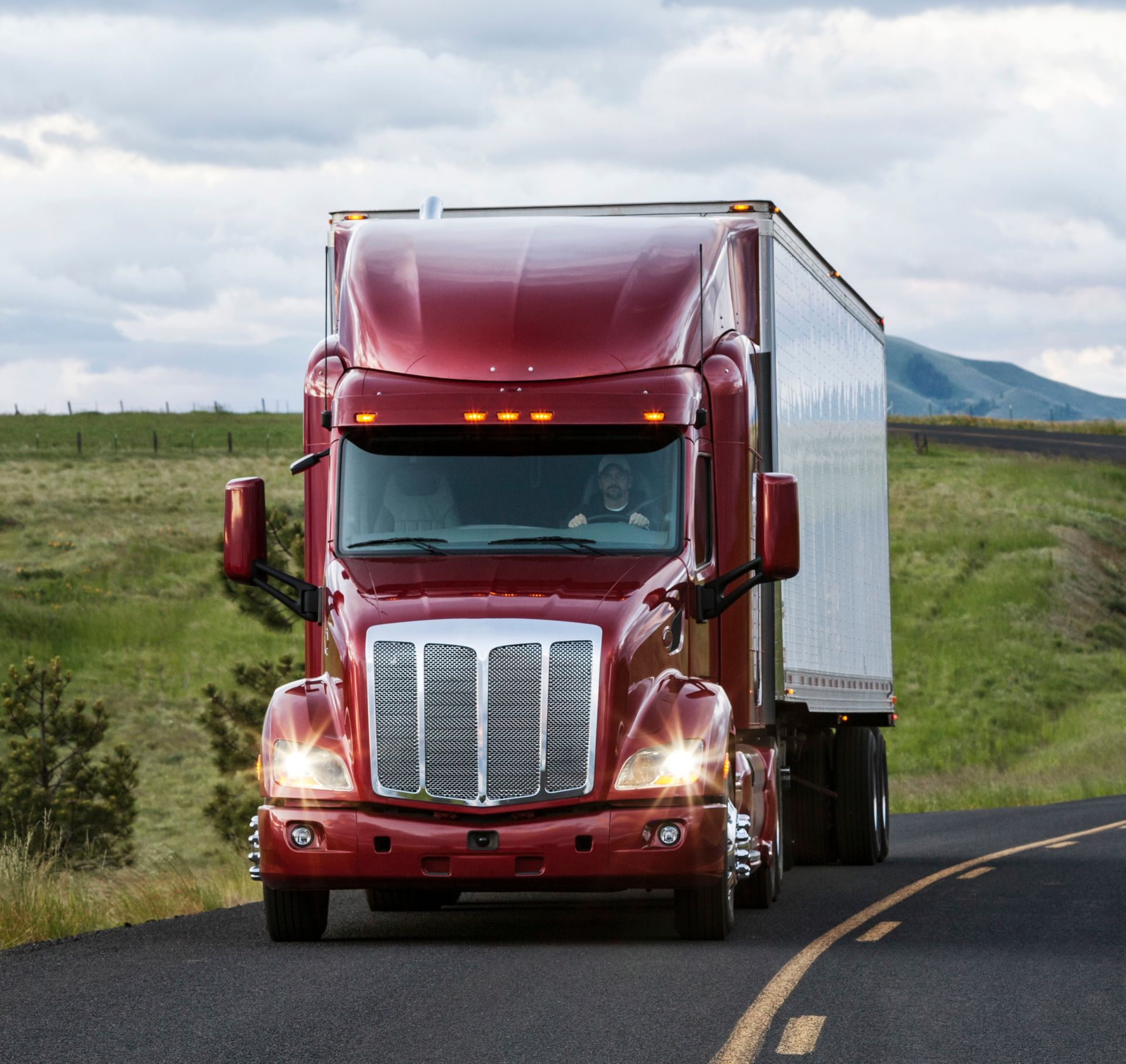
Commercial Truck Insurance
Whether you operate a single truck or an entire fleet, we provide coverage for cargo, liability, and physical damage to keep your business moving.
Restaurant Business Insurance
Keep your restaurant, café, or bar protected with coverage for property damage, liquor liability, foodborne illness, and employee injuries.

Commercial Real Estate Insurance
Safeguard your commercial properties, rental units, and office spaces from property damage, liability claims, and tenant-related risks.

“I’ve been with AFG for years. Their service is second to none, and I always feel confident that I’m covered.”
Sarah K.
Real Stories.
Real Protection.
Real Trust.
See Why Businesses and Families Trust Us for Coverage.

Quick Answers to Your Insurance Questions
Frequently Asked Questions
about Adion Financial Group
Understanding Insurance Starts with the Right Information
1. What types of insurance do you offer?
At Adion Financial Group, we offer a wide range of insurance options designed to meet the needs of both individuals and businesses. For individuals, we provide coverage for personal auto, home, renters, life, and health insurance. Whether you're looking to protect your home, your car, or your loved ones, we have a solution tailored to your needs.
2. How do I get a quote for insurance?
Getting an insurance quote with Adion Financial Group is simple and fast. First, visit our website and fill out the quote request form, providing some basic information about the type of insurance you need. If you prefer a more personal touch, you can also contact us directly, and one of our agents will walk you through the process.
3. What should I do if I need to file a claim?
If you need to file a claim, the first step is to notify us immediately. You can either call our office or submit your claim online, depending on your preference. Once we receive your claim, our team will guide you through the necessary steps and help you gather the required information.
4. How can I change my coverage or update my policy?
Making changes to your coverage or updating your policy is easy with Adion Financial Group. Whether you're moving to a new home, adding a vehicle, or expanding your business, we can help you adjust your insurance to reflect your current needs.
5. Why should I choose an independent insurance agency?
Choosing an independent insurance agency like Adion Financial Group provides you with a distinct advantage: we work for you, not an insurance company. Our independent status allows us to shop around with multiple carriers to find the most competitive rates and the best coverage options for your unique situation.
6. How can I make sure I have the right amount of coverage?
Determining the right amount of coverage can be overwhelming, but our team at Adion Financial Group is here to help. The first step is assessing your personal or business assets and identifying the potential risks you face. Whether you're an individual looking to protect your home and car, or a business owner trying to safeguard your employees and property, we will walk you through the different coverage options.
Stay Informed on Insurance Trends and Tips
Insights & Tips to Keep You Informed
Contact Us
Phone
Locations
Connecticut Location
703 Hebron Ave., 3rd Floor, Glastonbury, CT 06033
North Carolina Location
436 East 36th St., Charlotte, NC 28205