


Connecticut drivers with Teslas have been opening renewal notices and seeing premiums that feel disconnected from how safely they drive or how few miles they put on the car. For many, the shock is not imagined. Regulators approved a statewide auto insurance rate increase averaging 10.7 percent for Connecticut in 2024, more than double the 4.8 percent national average, and auto insurance analyst Brian P. Sullivan summed it up by saying that in the last two years the state has seen big rate hikes, according to S&P Global data reported by CT Insider.
Tesla owners sit at the center of this trend. These vehicles are packed with advanced technology, have expensive body structures, and rely on specialized repair networks. That combination makes insurers cautious, especially in a state with higher claim costs and dense traffic corridors.
This guide looks at why Tesla insurance is priced the way it is in Connecticut, what recent data suggests about average premiums, and which decisions actually move the needle on what you pay. It is written for people who want clear, practical guidance, not slogans or jargon.
Why Tesla insurance tends to cost more in Connecticut
Insurers price risk, not just cars. A Tesla in a quiet rural county with plenty of repair shops around it looks very different on paper from the same Tesla commuting daily along congested interstate routes near major cities. Connecticut leans closer to the second scenario, with tight highways, frequent stop and go traffic, and higher repair and medical costs when accidents happen.
Teslas add a second layer of complexity. Body panels and frames are often aluminum or high strength materials that do not always bend back into shape easily. Sensors and cameras are integrated into bumpers, mirrors, and glass. A low speed parking scrape can damage paint and also knock out a camera or radar component, so a small incident sometimes produces a surprisingly large repair estimate.
Labor is another factor. Many body shops are still building experience with late generation electric vehicles. Those that are Tesla certified may have waiting lists and higher hourly rates. For an insurer, that means each collision or comprehensive claim involving a Tesla can be more expensive, even when the crash itself is minor.

What Tesla insurance really costs in Connecticut
Premiums for Teslas in Connecticut range widely because of differences in models, coverage choices, driving records, and even how far someone commutes. Still, a few recent data points help illustrate the ballpark for one of the most popular Tesla models in the state.
Rate data compiled by Insurance.com shows that in 2025 the average annual premium for a Tesla Model S in Connecticut is 5,147 dollars, which the site notes is about 7 percent higher than the national average for the same model, according to Insurance.com.
Another comparison of electric vehicle pricing from SmartFinancial reports that in 2025 the average annual insurance premium for a Tesla Model Y in Connecticut is 1,126.14 dollars, based on that company’s quoting data for the state, as summarized by SmartFinancial.
The gap between these two averages highlights how model choice, trim level, and rating assumptions change the picture. The Model S is generally more expensive, with higher performance versions and costlier parts, while the Model Y often falls into a slightly more manageable price tier. On top of that, quoting tools may assume different drivers, garaging locations, and coverage limits, which is why two sources can show such different averages without either being inaccurate.
How your profile can swing the price
Even when two Connecticut drivers own the same Tesla model, their premiums can look nothing alike. Insurers weigh a series of personal and vehicle related factors that include where the car is parked overnight, how far it is driven each year, and whether it is used for commuting, business, or mostly personal errands. Age, claims history, moving violations, and credit based insurance scores often have a large impact as well, subject to state regulations.
A detailed breakdown from CareEdge illustrates how sharply these factors can shift premiums, showing that in 2025 the average annual insurance premium for a Tesla Model S in Connecticut is 6,952 dollars for a driver with a clean record, 10,782 dollars for the same driver after a recent at fault accident, and 13,686 dollars when that driver is rated with poor credit, according to CareEdge.
Numbers like this underline a point that many owners feel intuitively. Safe driving and claim free history are rewarded, but negative events can trigger steep surcharges that linger for years. In states where credit information is allowed as part of the rating formula, financial stress can also make car insurance more expensive at the worst possible time, which is one reason consumer advocates encourage regular policy reviews and shopping after major life changes.

Coverage choices that matter for Tesla owners
Beyond the basic decision to carry full coverage instead of only liability, Tesla owners in Connecticut face important choices about limits, deductibles, and optional protections. These decisions determine how much risk is shifted to the insurer and how much remains with the driver.
Liability coverage is the backbone of any auto policy. It pays for injuries to others and damage to their property when the insured driver is at fault. With Teslas sharing the road with luxury SUVs and trucks that are costly to repair, many owners choose higher liability limits so that a serious crash is less likely to exceed policy caps and spill into personal assets.
Collision and comprehensive coverage are especially important for Teslas because they protect the vehicle itself. Collision applies when the car hits another vehicle or object. Comprehensive applies to non collision events such as theft, fire, vandalism, or fallen branches. Given Tesla repair costs and the value of the battery pack, dropping these coverages usually does not make sense, even for older vehicles, unless the owner is fully prepared to walk away from the car after a major loss.
Uninsured motorist and medical related protections
Connecticut roads always include drivers who carry very low liability limits or no insurance at all. Uninsured and underinsured motorist coverage protect a Tesla owner and passengers if they are hit by one of those drivers. This coverage often mirrors liability limits and can be critical in serious injury situations where the at fault party has little insurance of their own.
Medical payments coverage or similar options can help with hospital bills for the driver and passengers regardless of who caused the crash. While health insurance may cover many costs, auto related medical coverage can close gaps such as deductibles, copays, or out of network charges. Tesla owners with frequent passengers or limited health insurance often find these relatively inexpensive add ons reassuring.
Choosing deductibles for a Tesla
Deductibles are one of the few levers drivers directly control. A higher deductible lowers the premium, because the owner agrees to pay more out of pocket each time there is a covered claim. For Teslas, repair estimates sometimes come back at levels where a low deductible barely reduces the financial sting of a loss.
Owners often weigh how much they could comfortably pay from savings after an accident and pick a deductible that matches that number. An owner who almost never files small claims, for example, may choose a higher deductible so that insurance is reserved for truly large losses. The trade off is that little fender benders which might be barely above a low deductible could become entirely out of pocket expenses with a higher one.
Connecticut specific factors that influence Tesla premiums
Each state has its own mix of traffic patterns, legal rules, and claim trends that influence insurance pricing. Connecticut is relatively compact but highly traveled, with heavy commuter flows between suburbs, cities, and neighboring states. More vehicles crammed into limited road space raises the odds of collisions, particularly at merge points and busy intersections.
Weather adds another risk layer. While the state does not see the most extreme winter conditions in the region, snow and ice are still frequent, and spring can bring heavy rain. Electric vehicles deliver strong traction control, yet low temperatures and slick pavement remain common contributors to crashes. Hail, wind, and fallen debris also show up in comprehensive claims.
Medical and legal costs shape the back end of each claim. States where injury treatment, legal representation, and court judgments are more expensive will see that reflected in premiums over time. For Tesla owners, bodily injury and property damage claims can both be costly, especially if advanced safety features do not fully prevent an impact.
Strategies to lower your Tesla premium in Connecticut
A higher baseline for Tesla premiums does not mean owners are powerless. Several habits and choices have a direct and lasting impact on what insurers charge. None is a magic switch, but together they can add up to meaningful savings without sacrificing critical protection.
Shopping smart and comparing quotes
Not every insurer views Tesla risk in the same way. Some carriers work closely with electric vehicle data, invest in training preferred body shops, and build pricing models that better reflect real world experience. Others still rely on more conservative assumptions. As a result, two quotes for the same driver and car can differ by a large margin.
Shopping periodically, especially after a clean driving stretch or life event such as a move or job change, helps reset the baseline. When comparing quotes, it matters to match coverage limits, deductibles, and optional protections as closely as possible. Otherwise, a cheaper price may simply reflect weaker coverage rather than a more competitive offer.
Managing telematics and driving behavior
Usage based insurance programs, sometimes called telematics, track driving habits through phone apps or plug in devices. Teslas have built in connectivity and sensors, so some insurers may be more willing to reward smooth acceleration, gentle braking, and limited nighttime driving. For drivers who are comfortable with that level of monitoring, these programs can lead to discounts.
Even without telematics, maintaining a clean record is one of the strongest cost controls. Avoiding speeding tickets, distracted driving violations, and at fault crashes prevents the surcharges that make already high Tesla premiums spike upward. Defensive driving courses approved by insurers can also help in some situations, especially for younger or newly licensed household members.
Right sizing coverage without leaving gaps
Trimming coverage can go too far, but thoughtful adjustments often reduce waste. Owners sometimes forget to update their policies after paying off an auto loan, moving to a different neighborhood, or changing how often they drive to work. Each of these shifts can justify a fresh look at coverage and rating assumptions.
For example, an owner who now works from home might drive far fewer miles each year than when the Tesla was first insured. Some carriers give better rates to vehicles that are mostly used for pleasure rather than heavy commuting. Similarly, storing a Tesla in a garage instead of on the street can lower the risk of theft, vandalism, and weather related damage, which some insurers recognize in their pricing.
Risks that are easy to overlook with Teslas
While much attention goes to collision repairs and body shop costs, Tesla owners in Connecticut face a few less obvious insurance challenges. Understanding them can prevent unpleasant surprises when a claim arises
Battery related losses
The traction battery is among the most valuable components in any Tesla. Severe impacts near the pack, deep flooding, and certain types of electrical faults can all result in battery damage. In some cases, repairs may be technically possible but uneconomical, pushing the insurer to declare the vehicle a total loss even when the visible exterior damage seems modest.
Most standard full coverage policies treat the battery as part of the vehicle, so collision or comprehensive insurance typically applies as long as the loss is from a covered event. Still, owners who park in flood prone areas or drive frequently on poorly maintained roads might want to ask specific questions about how their insurer handles battery damage, inspection thresholds, and replacement decisions.
Aftermarket modifications and performance upgrades
Many Tesla owners customize wheels, tires, suspension components, wraps, and interior features. Some modifications are mostly cosmetic, while others meaningfully change how the car accelerates, rides, or handles. Insurers sometimes limit or exclude coverage for non factory parts beyond a small allowance.
Documenting upgrades and discussing them with the agent or broker helps avoid gray areas later. In some cases, specialty policies or endorsements are available for high value modifications. Skipping that step can be costly if a crash destroys expensive aftermarket components that were never clearly listed on the policy.
Glass, cameras, and sensor calibration
Tesla windshields and other glass panels often house cameras and sensors that feed advanced driver assistance systems. A stone chip that spreads into a crack may force not only glass replacement but also sensor calibration. That process can require specialized equipment and trained technicians, raising the cost of what used to be a relatively simple claim.
Some policies offer specific glass coverage options, sometimes with separate deductibles. Owners who frequently drive behind trucks, on highways with loose gravel, or in construction zones may want to look closely at how their insurer treats glass claims. While glass only coverage is not essential for everyone, it can soften the cost of repeated minor damage in high risk driving environments.
Frequently asked questions about Tesla insurance in Connecticut
This section answers common questions that come up when Tesla owners in Connecticut start comparing quotes or rethinking their coverage. Each answer is brief and practical so readers can quickly decide which topics deserve a deeper conversation with an insurance professional.
Why is Tesla insurance usually higher than coverage for a typical car?
Teslas combine higher vehicle values, advanced materials, and complex technology. Repairs often require brand specific parts and specialized labor, so even moderate accidents can produce large claims. Insurers build those higher expected costs into their prices.
Is Tesla insurance in Connecticut more expensive than in many other states?
Connecticut auto insurance in general has seen above average rate increases compared with the national trend, and that pressure carries over to Tesla policies. Higher medical costs, legal expenses, and repair bills all influence what insurers charge for any vehicle in the state, including electric ones.
Does driving history really make that much difference for Tesla owners?
Yes. Insurers heavily weight at fault accidents, serious violations, and patterns of claims. For a vehicle that already costs more to repair, adding a history of losses makes the policy look much riskier, so surcharges are often steeper than owners expect.
How does credit affect Tesla insurance in Connecticut?
Where allowed by regulation, many insurers use credit based insurance scores as one indicator of risk. Drivers with stronger credit profiles tend to file fewer and less severe claims on average, so they are often rewarded with lower premiums, while weaker credit can push costs higher.
What should a Tesla owner do after getting a shockingly high renewal quote?
The first step is to review the renewal line by line, checking for changes in coverage, rating factors, or recent claims that might explain the jump. After that, it usually makes sense to gather competing quotes with similar limits and deductibles, then speak with an agent or broker about legitimate ways to adjust coverage without leaving dangerous gaps.
How much does it cost to insure a Tesla Model X in Connecticut?
Rate comparisons from QuoteInspector report that in 2025 the average monthly premium for a Tesla Model X in Connecticut is about 1,810 dollars, based on that site’s sample driver and coverage assumptions for the state, according to QuoteInspector.
Model X owners should treat this as a starting point rather than a guaranteed price, since their own garaging location, driving record, and chosen limits can push the real number above or below that average.
What to remember before you renew
Tesla insurance in Connecticut sits at the intersection of two forces. On one side are statewide trends that have pushed auto premiums up faster than the national average. On the other side are the unique costs and risks that come with insuring technologically advanced electric vehicles.
Despite that challenging backdrop, owners still control many variables. Careful coverage design, smart shopping, strong driving habits, and clear communication about vehicle use and modifications all influence how insurers view a particular driver. With a bit of homework and a willingness to revisit assumptions, it is often possible to keep a high value Tesla properly protected without letting the insurance bill spiral out of reach.
About The Author:
Anton Reed
As Managing Principal of Adion Financial Group, I’m committed to helping individuals and businesses achieve financial security through strategic insurance and planning solutions. My focus is on building trust, delivering clarity, and ensuring every client receives expert guidance backed by experience and integrity.
Contact Us
Personal INSURANCE Coverage
Comprehensive Coverage for Every Personal Need
Business Insurance Solutions
Professional Liability Coverage for Service-Based Businesses
General Liability Insurance
Protects businesses from lawsuits related to injuries and property damage.
INDUSTRIES WE SERVE
Specialized Coverage for Leading Connecticut Industries
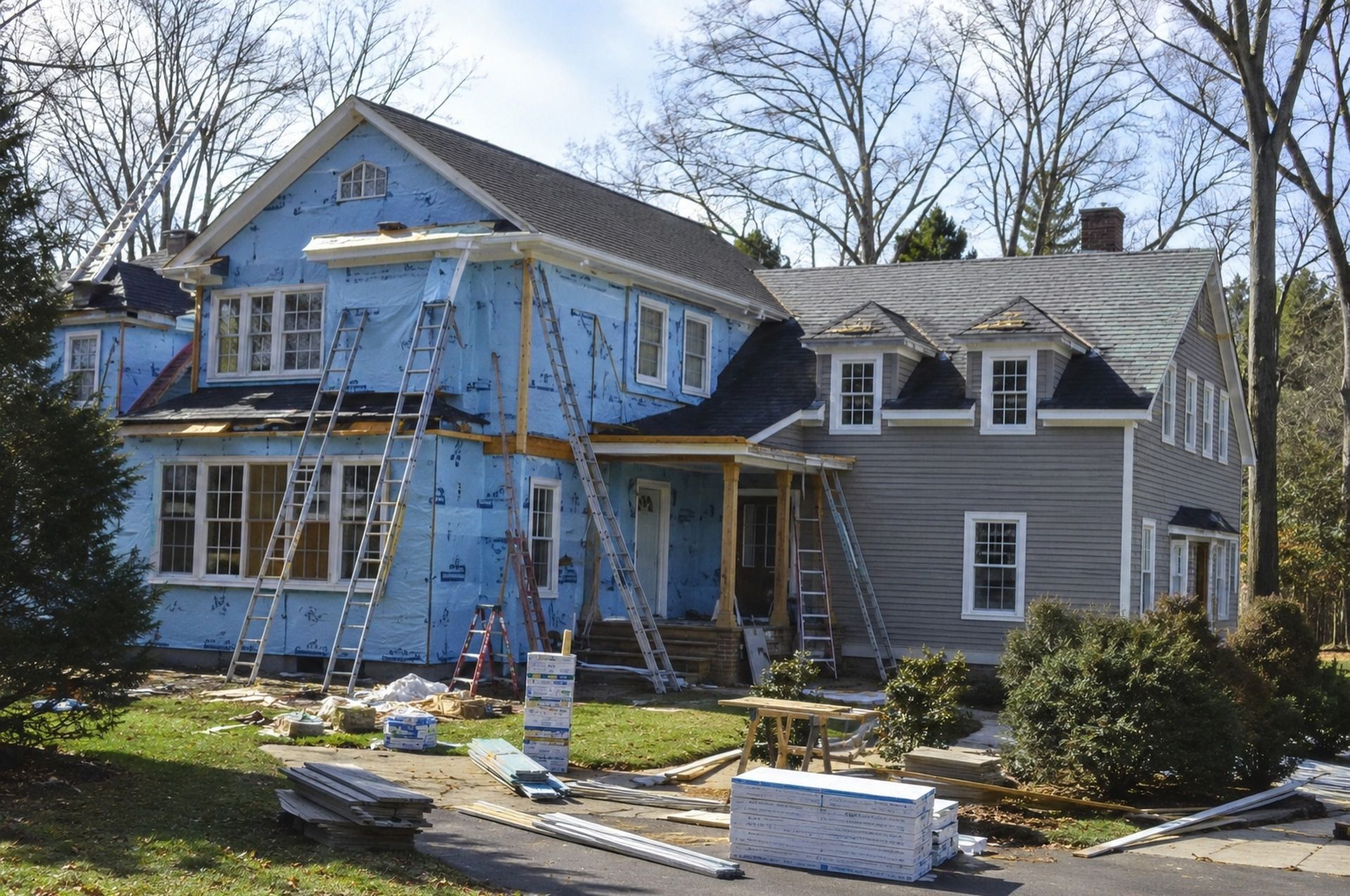
Contractors
Insurance
Whether you’re a general contractor or a specialized tradesperson, we offer coverage that protects against job site risks, equipment damage, and liability claims.

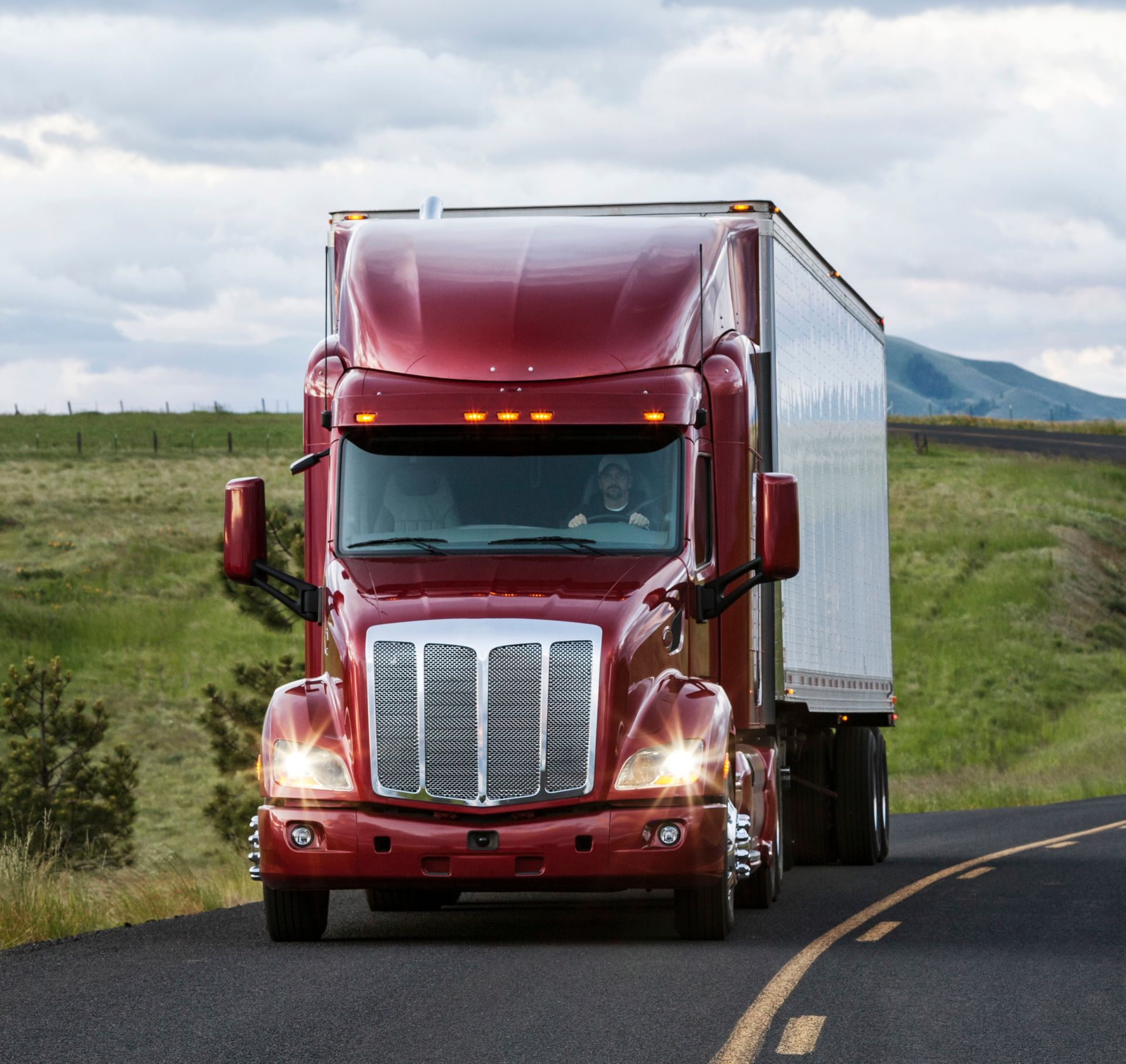
Commercial Truck Insurance
Whether you operate a single truck or an entire fleet, we provide coverage for cargo, liability, and physical damage to keep your business moving.
Restaurant Business Insurance
Keep your restaurant, café, or bar protected with coverage for property damage, liquor liability, foodborne illness, and employee injuries.

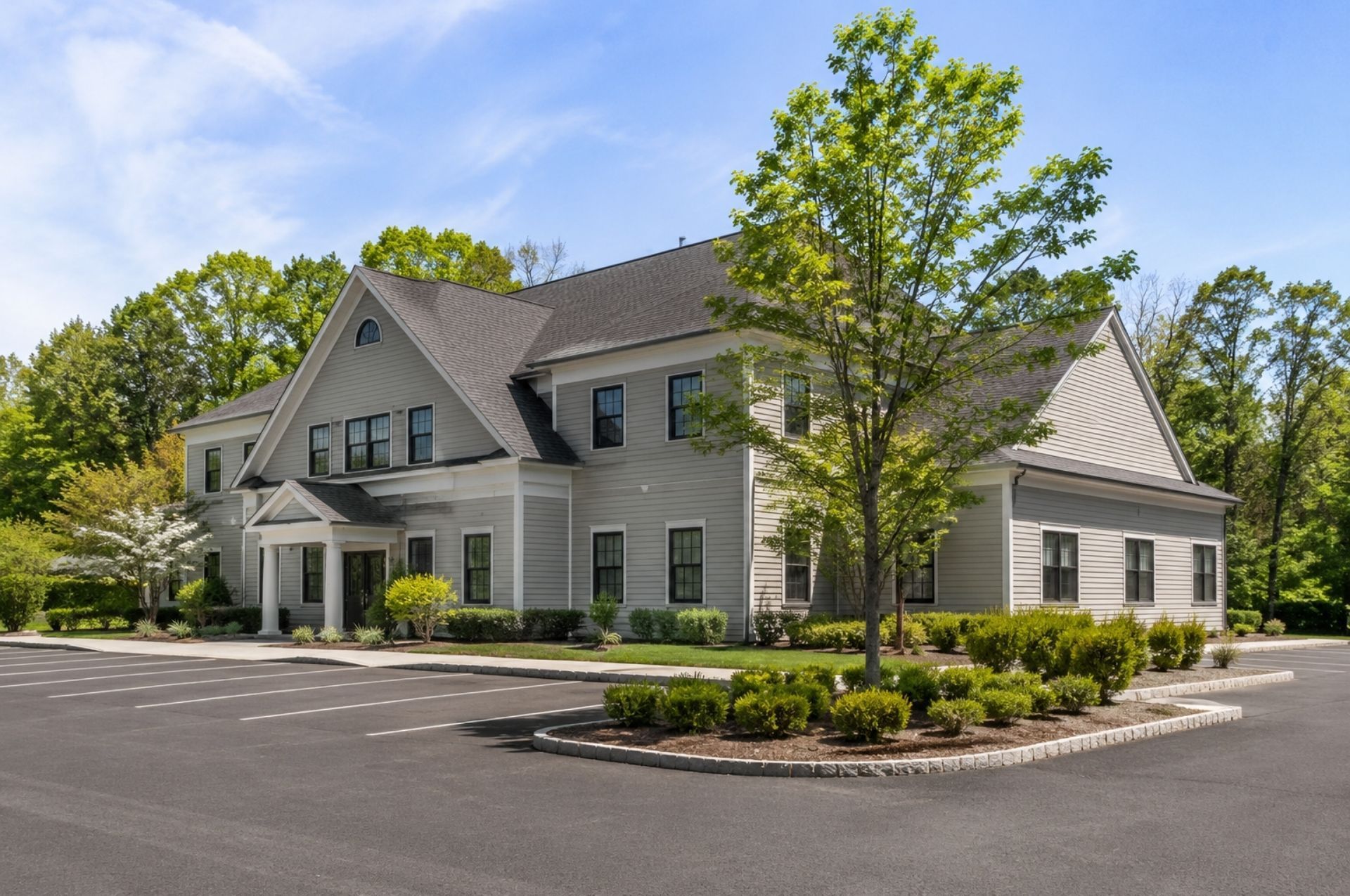
Commercial Real Estate Insurance
Safeguard your commercial properties, rental units, and office spaces from property damage, liability claims, and tenant-related risks.

“I’ve been with AFG for years. Their service is second to none, and I always feel confident that I’m covered.”
Sarah K.
Real Stories.
Real Protection.
Real Trust.
See Why Businesses and Families Trust Us for Coverage.

Quick Answers to Your Insurance Questions
Frequently Asked Questions
about Adion Financial Group
Understanding Insurance Starts with the Right Information
1. What types of insurance do you offer?
At Adion Financial Group, we offer a wide range of insurance options designed to meet the needs of both individuals and businesses. For individuals, we provide coverage for personal auto, home, renters, life, and health insurance. Whether you're looking to protect your home, your car, or your loved ones, we have a solution tailored to your needs.
2. How do I get a quote for insurance?
Getting an insurance quote with Adion Financial Group is simple and fast. First, visit our website and fill out the quote request form, providing some basic information about the type of insurance you need. If you prefer a more personal touch, you can also contact us directly, and one of our agents will walk you through the process.
3. What should I do if I need to file a claim?
If you need to file a claim, the first step is to notify us immediately. You can either call our office or submit your claim online, depending on your preference. Once we receive your claim, our team will guide you through the necessary steps and help you gather the required information.
4. How can I change my coverage or update my policy?
Making changes to your coverage or updating your policy is easy with Adion Financial Group. Whether you're moving to a new home, adding a vehicle, or expanding your business, we can help you adjust your insurance to reflect your current needs.
5. Why should I choose an independent insurance agency?
Choosing an independent insurance agency like Adion Financial Group provides you with a distinct advantage: we work for you, not an insurance company. Our independent status allows us to shop around with multiple carriers to find the most competitive rates and the best coverage options for your unique situation.
6. How can I make sure I have the right amount of coverage?
Determining the right amount of coverage can be overwhelming, but our team at Adion Financial Group is here to help. The first step is assessing your personal or business assets and identifying the potential risks you face. Whether you're an individual looking to protect your home and car, or a business owner trying to safeguard your employees and property, we will walk you through the different coverage options.
Stay Informed on Insurance Trends and Tips
Insights & Tips to Keep You Informed

Contact Us
Phone
Locations
Connecticut Location
703 Hebron Ave., 3rd Floor, Glastonbury, CT 06033
North Carolina Location
436 East 36th St., Charlotte, NC 28205