

Running a delivery fleet in Connecticut presents unique insurance challenges that demand careful attention to both state regulations and Amazon's specific requirements. Delivery Service Partners operating in the Constitution State must balance compliance with Connecticut's minimum liability standards while meeting the more stringent coverage thresholds Amazon mandates for its contracted partners. The stakes are significant: a single underinsured accident can result in policy cancellation, contract termination, and personal financial exposure that threatens the entire business.
Connecticut's dense population corridors, from Hartford to New Haven to Stamford, create high-frequency delivery routes where fender benders and cargo claims occur regularly. DSP operators face the additional complexity of managing multiple drivers, each with varying experience levels and driving records, while maintaining the precise coverage documentation Amazon requires. Understanding how state law intersects with programmatic insurance requirements is essential for any
delivery service provider seeking long-term operational stability. This guide addresses the specific insurance considerations that Connecticut Amazon DSP contractors must understand to protect their drivers, vehicles, and business assets.
Essential Insurance Requirements for Connecticut Amazon DSPs
The insurance framework for Connecticut delivery service providers operates on two distinct levels, each with binding requirements that must be satisfied simultaneously. State law establishes the legal minimum, while Amazon's contractual standards typically exceed those thresholds by substantial margins.
Amazon's Programmatic Coverage Standards
Amazon's Delivery Service Partner program requires business auto liability insurance with a limit of $1,000,000 per occurrence covering both bodily injury and property damage. This threshold reflects the company's risk management philosophy and protects the Amazon brand from liability exposure through its contracted delivery network. DSPs must also maintain general liability coverage, typically at $1,000,000 per occurrence with a $2,000,000 aggregate, to address premises liability and completed operations claims.
Amazon conducts regular certificate of insurance audits, and lapses in coverage can trigger immediate suspension of delivery privileges. The company also requires DSPs to list Amazon as an additional insured on all applicable policies, creating a direct notification pathway if coverage is cancelled or materially altered.
Connecticut State-Mandated Liability Minimums
Connecticut law establishes minimum commercial vehicle insurance requirements of $25,000 for bodily injury per person, $50,000 per accident, and $25,000 for property damage. These figures represent the absolute floor for legal operation, though they fall far short of Amazon's contractual requirements. For DSPs operating larger vehicles, the requirements increase substantially: freight vehicles with a GVWR exceeding 10,000 pounds must carry at least $750,000 in liability coverage for non-hazardous materials.
The penalties for operating without proper coverage are severe.
Driving without insurance in Connecticut can result in fines between $100 and $1,000, along with suspension of license plates and vehicle registration. For a DSP, even a brief coverage gap affecting one vehicle can cascade into fleet-wide operational disruptions.

Core Coverage Types for Delivery Fleet Protection
Building a comprehensive insurance portfolio requires understanding how different policy types interact to create layered protection against the varied risks delivery operations face.
Commercial Auto and Hired/Non-Owned Auto Liability
Commercial auto insurance forms the foundation of any DSP insurance program, covering owned vehicles for liability, collision, and comprehensive losses. This coverage is crucial for business owners using vehicles for activities like delivering goods because personal auto policies typically exclude commercial use entirely. A driver using their personal vehicle for a delivery route without proper commercial coverage could face a denied claim, leaving the DSP exposed to direct liability.
Hired and non-owned auto liability extends protection to vehicles the DSP does not own but uses in operations. This coverage becomes relevant when drivers occasionally use personal vehicles, rental vehicles substitute for damaged fleet units, or temporary capacity needs require borrowed transportation.
Cargo Legal Liability for Package Protection
Cargo coverage protects against loss or damage to packages while in transit. Standard limits for Amazon DSP operations typically range from $50,000 to $100,000 per occurrence, though high-value delivery routes may require elevated thresholds. Claims arise from theft, vehicle accidents that damage cargo, weather exposure, and driver negligence in handling packages.
The policy should specify coverage for packages from the moment they leave the Amazon facility until successful delivery confirmation. Gaps in coverage during loading, sorting, or temporary storage at DSP facilities can create unexpected exposure.
General Liability and Umbrella Policies
General liability addresses claims arising from driver conduct on customer property, including slip-and-fall incidents, property damage during delivery, and personal injury allegations. This coverage extends beyond vehicle operations to encompass the full scope of delivery activities, from walking across icy driveways to interacting with pets and homeowners.
Umbrella policies provide excess coverage above primary policy limits, activating when underlying commercial auto or general liability limits are exhausted. For DSPs operating in Connecticut's affluent Fairfield County communities, where property values and injury awards trend higher, umbrella coverage of $2,000,000 to $5,000,000 offers meaningful protection against catastrophic claims.
Connecticut requires workers' compensation coverage for nearly all employers, with limited exceptions that rarely apply to delivery operations. Understanding compliance requirements and claims management strategies helps DSPs control this significant expense category.
Compliance for Multi-Driver Operations
Connecticut workers' compensation requirements apply to any employer with one or more employees, making coverage mandatory for virtually every DSP operation. The policy must cover all drivers, dispatchers, and administrative staff for injuries sustained during employment activities. Premiums are calculated based on payroll, job classification codes, and the DSP's experience modification rating.
Classification codes matter significantly for delivery operations. Drivers typically fall under codes that reflect the physical nature of the work, including lifting packages, entering and exiting vehicles repeatedly, and navigating varied terrain in all weather conditions. Misclassification can result in audit assessments and penalties.
Managing Claims in High-Traffic Delivery Zones
Connecticut's urban corridors present elevated injury risk profiles due to traffic density, parking challenges, and pedestrian interactions. New Haven, Bridgeport, and Hartford routes generate higher claim frequency than suburban and rural areas, influencing both premium calculations and safety program priorities.
Effective claims management begins with prompt reporting, thorough documentation, and early return-to-work programs that accommodate injured drivers in modified duty roles. DSPs that actively manage claims rather than simply processing them typically see better experience modification outcomes over time.

Specialized Risk Management for the Logistics Industry
Beyond core coverages, DSP operators face emerging risks that require specialized policy solutions to address adequately.
Employment Practices Liability Insurance (EPLI)
EPLI protects against claims alleging wrongful termination, discrimination, harassment, and other employment-related violations. Delivery operations face particular exposure due to high driver turnover, performance-based terminations, and the diverse workforce characteristics common in logistics. A single wrongful termination lawsuit can generate defense costs exceeding $50,000 before any settlement or judgment.
Connecticut employment law provides robust worker protections that create additional liability exposure for employers. EPLI policies should include coverage for wage and hour claims, which have become increasingly common in the delivery sector.
Cyber Liability for Digital Dispatch and Data
DSP operations depend on digital systems for route optimization, driver communication, and customer data management. Cyber liability coverage addresses breach notification costs, data recovery expenses, and liability arising from compromised customer information. Even small DSPs maintain databases containing driver personal information, delivery addresses, and access credentials that represent attractive targets.
The policy should cover both first-party losses, such as business interruption and data restoration, and third-party liability for customer notification and credit monitoring services.
Premium calculations reflect multiple variables that DSP operators can influence through operational decisions and risk management investments.
Fleet Size and Vehicle Safety Tech Impact
Larger fleets generate higher base premiums but often qualify for volume discounts that improve per-vehicle costs. Insurance carriers evaluate fleet composition, including vehicle age, safety ratings, and maintenance records. Vehicles equipped with backup cameras, collision avoidance systems, and telematics monitoring typically qualify for premium credits ranging from 5% to 15%.
| Factor | Premium Impact | Improvement Strategy |
|---|---|---|
| Fleet size | Volume discounts at 10+ vehicles | Consolidate coverage with single carrier |
| Vehicle age | Older vehicles cost more | Maintain 5-year replacement cycle |
| Safety technology | 5-15% credits available | Install telematics and cameras |
| Claims history | 3-year lookback period | Implement safety training programs |
Driver MVR Standards and Training Programs
Driver motor vehicle records directly influence premium calculations, with violations and accidents triggering surcharges that can persist for three to five years. A DUI conviction can increase annual insurance premiums by 123% in Connecticut, making driver screening and ongoing monitoring essential cost control measures.
Documented safety training programs demonstrate risk management commitment to underwriters and may qualify for premium reductions. Programs should address defensive driving techniques, package handling procedures, and Connecticut-specific traffic regulations.
Selecting the Right Insurance Partner for Your Delivery Business
The insurance marketplace for DSP operations includes generalist commercial carriers, logistics-focused specialists, and program administrators with Amazon-specific expertise. Each approach offers distinct advantages depending on fleet size, growth trajectory, and risk profile.
Specialists in delivery and logistics insurance understand the unique operational patterns, seasonal volume fluctuations, and contractual requirements that define DSP operations. These carriers typically offer more flexible coverage structures and faster certificate issuance than generalist competitors. That said, pricing competitiveness varies, and DSPs should obtain quotes from multiple sources before committing.
Key evaluation criteria include carrier financial strength ratings, claims handling reputation, certificate management capabilities, and willingness to provide risk management resources. The lowest premium rarely represents the best value when claims service quality and policy responsiveness factor into the equation.
Frequently Asked Questions
What happens if my insurance lapses for even one day? Amazon's monitoring systems flag coverage gaps immediately, potentially suspending delivery privileges until valid certificates are provided. Connecticut may also impose registration suspensions and fines.
Can I use personal auto insurance for my delivery vehicles? Personal policies exclude commercial use. Any claim arising from delivery activities would likely be denied, leaving the DSP personally liable for damages.
How often does Amazon audit DSP insurance compliance? Audits occur at contract renewal and randomly throughout the year. Many DSPs report quarterly certificate verification requests.
Does workers' compensation cover independent contractor drivers? Connecticut law requires coverage for employees, not independent contractors. However, misclassification of drivers as contractors rather than employees creates significant legal exposure.
What umbrella limit should a Connecticut DSP carry? Most carriers recommend $2,000,000 to $5,000,000 depending on fleet size and delivery territory demographics.
Making the Right Coverage Decision
Connecticut DSP operators face a complex insurance environment where state minimums, Amazon requirements, and practical risk management intersect. The investment in proper coverage protects not only business assets but also the personal finances of owners who might otherwise face liability exposure from underinsured claims. Working with an insurance partner who understands both Connecticut regulations and Amazon's programmatic standards simplifies compliance while ensuring coverage actually responds when claims occur.
About The Author:
Anton Reed
As Managing Principal of Adion Financial Group, I’m committed to helping individuals and businesses achieve financial security through strategic insurance and planning solutions. My focus is on building trust, delivering clarity, and ensuring every client receives expert guidance backed by experience and integrity.
Contact Us
Personal INSURANCE Coverage
Comprehensive Coverage for Every Personal Need
Business Insurance Solutions
Professional Liability Coverage for Service-Based Businesses
General Liability Insurance
Protects businesses from lawsuits related to injuries and property damage.
INDUSTRIES WE SERVE
Specialized Coverage for Leading Connecticut Industries
Contractors
Insurance
Whether you’re a general contractor or a specialized tradesperson, we offer coverage that protects against job site risks, equipment damage, and liability claims.

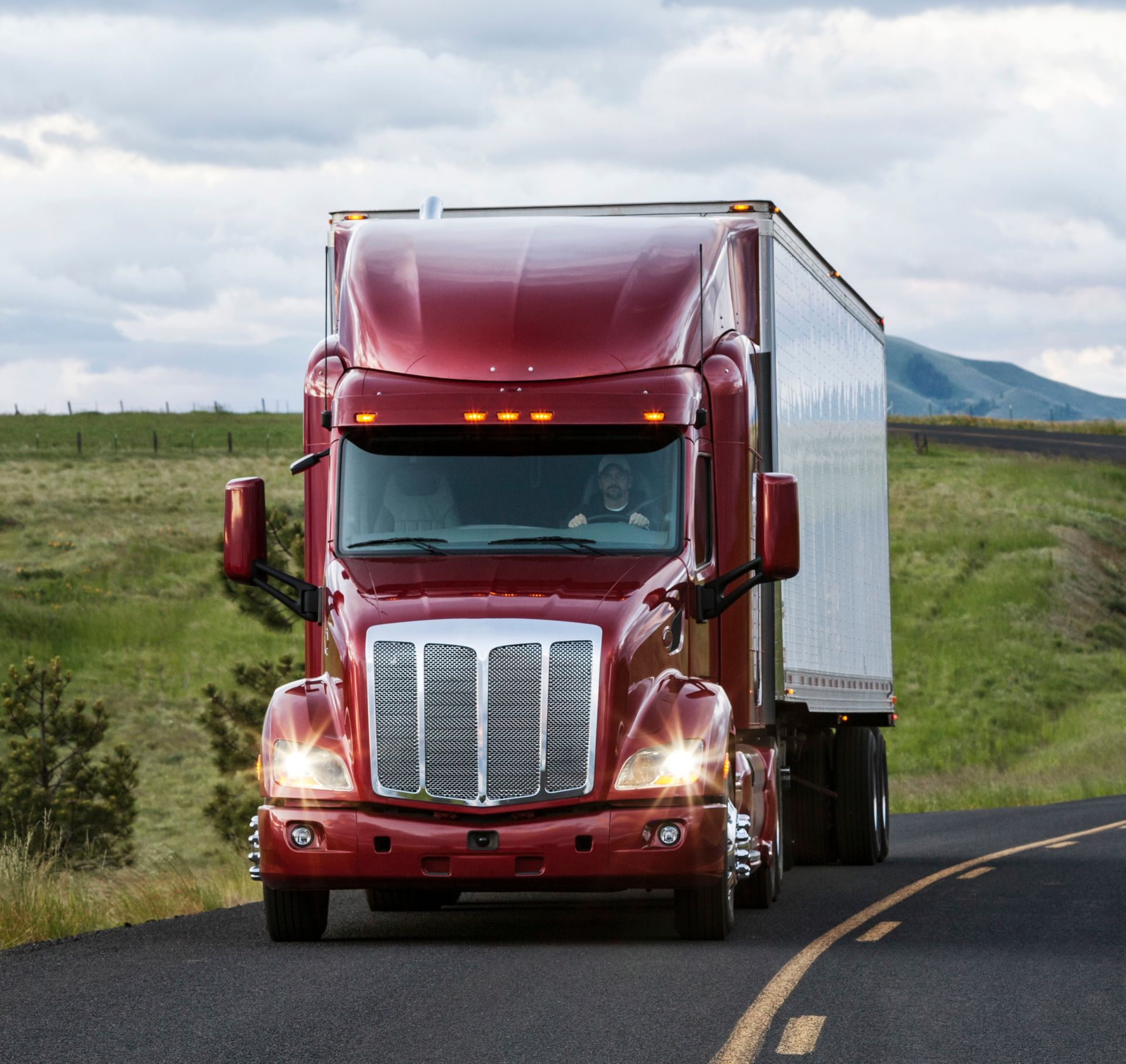
Commercial Truck Insurance
Whether you operate a single truck or an entire fleet, we provide coverage for cargo, liability, and physical damage to keep your business moving.
Restaurant Business Insurance
Keep your restaurant, café, or bar protected with coverage for property damage, liquor liability, foodborne illness, and employee injuries.

Commercial Real Estate Insurance
Safeguard your commercial properties, rental units, and office spaces from property damage, liability claims, and tenant-related risks.

“I’ve been with AFG for years. Their service is second to none, and I always feel confident that I’m covered.”
Sarah K.
Real Stories.
Real Protection.
Real Trust.
See Why Businesses and Families Trust Us for Coverage.

Quick Answers to Your Insurance Questions
Frequently Asked Questions
about Adion Financial Group
Understanding Insurance Starts with the Right Information
1. What types of insurance do you offer?
At Adion Financial Group, we offer a wide range of insurance options designed to meet the needs of both individuals and businesses. For individuals, we provide coverage for personal auto, home, renters, life, and health insurance. Whether you're looking to protect your home, your car, or your loved ones, we have a solution tailored to your needs.
2. How do I get a quote for insurance?
Getting an insurance quote with Adion Financial Group is simple and fast. First, visit our website and fill out the quote request form, providing some basic information about the type of insurance you need. If you prefer a more personal touch, you can also contact us directly, and one of our agents will walk you through the process.
3. What should I do if I need to file a claim?
If you need to file a claim, the first step is to notify us immediately. You can either call our office or submit your claim online, depending on your preference. Once we receive your claim, our team will guide you through the necessary steps and help you gather the required information.
4. How can I change my coverage or update my policy?
Making changes to your coverage or updating your policy is easy with Adion Financial Group. Whether you're moving to a new home, adding a vehicle, or expanding your business, we can help you adjust your insurance to reflect your current needs.
5. Why should I choose an independent insurance agency?
Choosing an independent insurance agency like Adion Financial Group provides you with a distinct advantage: we work for you, not an insurance company. Our independent status allows us to shop around with multiple carriers to find the most competitive rates and the best coverage options for your unique situation.
6. How can I make sure I have the right amount of coverage?
Determining the right amount of coverage can be overwhelming, but our team at Adion Financial Group is here to help. The first step is assessing your personal or business assets and identifying the potential risks you face. Whether you're an individual looking to protect your home and car, or a business owner trying to safeguard your employees and property, we will walk you through the different coverage options.
Stay Informed on Insurance Trends and Tips
Insights & Tips to Keep You Informed

Contact Us
Phone
Locations
Connecticut Location
703 Hebron Ave., 3rd Floor, Glastonbury, CT 06033
North Carolina Location
436 East 36th St., Charlotte, NC 28205