

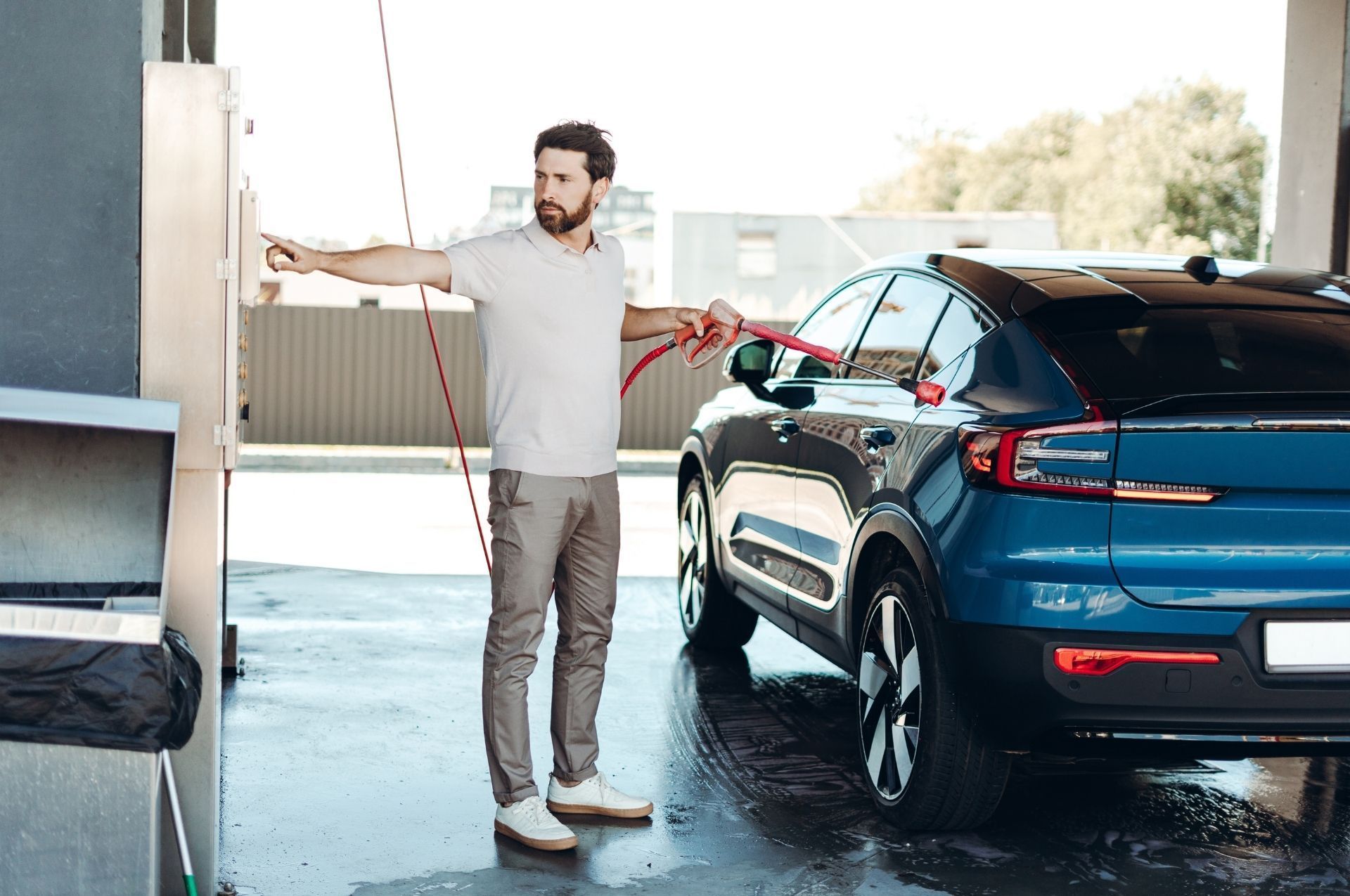
Owning a Polestar in Connecticut presents a unique intersection of Scandinavian engineering excellence and New England driving conditions, where icy winters, coastal humidity, and dense urban corridors create distinct insurance considerations that standard vehicle policies may not adequately address. The state's growing embrace of electric vehicles has created a market where traditional insurance frameworks are rapidly evolving to accommodate the specialized needs of premium EV owners, yet many Polestar drivers remain underinsured or overpaying for coverage that fails to protect their investment properly. This Connecticut Polestar insurance guide for EV owners examines the specific coverage requirements, state regulations, and cost factors that influence how much protection costs and what type of protection makes sense for these sophisticated Swedish-designed vehicles. Understanding these nuances can mean the difference between a seamless claims experience and a financial setback that undermines the benefits of electric vehicle ownership.
The State of EV Adoption in CT
Connecticut has emerged as a leader in electric vehicle adoption among northeastern states, with 73,156 registered EVs as of January 2026 reflecting the state's commitment to sustainable transportation. This growth has been supported by initiatives like the CHEAPR program, which as of October 2025 increased the standard rebate for battery electric vehicles to $1,000. The concentration of EV ownership tends to cluster in Fairfield County's affluent communities and the Hartford metropolitan area, where charging infrastructure has expanded significantly. Insurance carriers have responded to this shift by developing EV-specific products, though coverage options and pricing vary considerably between providers.
Why Polestar Models Require Specialized Coverage
Polestar vehicles incorporate advanced technology that standard auto policies were never designed to cover comprehensively. The integrated Google infotainment system, over-the-air update capabilities, and performance-oriented electric drivetrain represent significant replacement costs if damaged. Battery packs alone can exceed $15,000 to replace, while the proprietary aluminum and carbon fiber body components require
specialized repair facilities that may not exist in every Connecticut community. The Polestar 2's 78 kWh battery and the Polestar 3's dual-motor architecture demand coverage that accounts for both the high cost of components and the limited availability of
certified technicians capable of performing repairs correctly.

Connecticut Insurance Laws and Minimum Requirements
Connecticut maintains specific insurance requirements that all vehicle owners must satisfy, though these minimums often prove inadequate for protecting a premium electric vehicle investment. The state's regulatory framework establishes baseline liability coverage while leaving comprehensive and collision decisions to individual owners, creating situations where Polestar drivers may technically comply with the law while remaining financially vulnerable to significant losses.
State-Mandated Liability and Uninsured Motorist Limits
Connecticut requires all registered vehicles to carry minimum liability coverage of 25/50/25, meaning $25,000 per person for bodily injury, $50,000 per accident for bodily injury, and $25,000 for property damage. The state also mandates uninsured and underinsured motorist coverage at the same 25/50 limits, providing protection when at-fault drivers lack adequate insurance. For Polestar owners, these minimums present an obvious gap: the property damage limit of $25,000 would barely cover repairs to another vehicle if a Polestar caused an accident, let alone the potential damage to the Polestar itself. Most insurance professionals recommend liability limits of at least 100/300/100 for premium vehicle owners, with many suggesting even higher thresholds given the replacement costs involved.
The Impact of CT's No-Fault Insurance Nuances
Connecticut operates under a traditional tort system rather than true no-fault insurance, meaning injured parties can pursue claims against at-fault drivers for damages. This distinction matters for Polestar owners because it affects how medical payments and personal injury protection function within their policies. The state does require medical payments coverage as an option that insurers must offer, though drivers can reject it in writing. For EV owners who may face higher premiums already, understanding which optional coverages provide genuine value versus redundant protection helps optimize spending without sacrificing necessary protection.
Beyond state-mandated minimums, several coverage types prove particularly valuable for Polestar vehicles given their technological complexity and repair costs. These optional protections address specific vulnerabilities that standard policies either exclude entirely or cover inadequately.
Battery Replacement and Hardware Protection
The battery pack represents both the most valuable and most vulnerable component in any Polestar vehicle, with replacement costs that can approach the value of the entire vehicle depending on age and depreciation. Standard comprehensive coverage typically includes battery damage from covered perils like fire, theft, or weather events, but the specific terms vary significantly between carriers. Some policies treat batteries as separate components with their own deductibles, while others include them under the vehicle's overall coverage. Electric vehicles can cost up to $44 more per month to insure than gasoline-powered cars partly because of these expensive components, making it essential to verify exactly how a policy addresses battery replacement before signing.
Gap Insurance for New Polestar Leases
Gap insurance covers the difference between what an owner owes on a lease or loan and the vehicle's actual cash value if totaled, a protection that proves especially relevant for Polestar leases given rapid depreciation in the EV market. A Polestar 2 that cost $48,000 new might be worth only $35,000 after two years, leaving a lessee responsible for the $13,000 difference without gap coverage. Many lease agreements include gap protection automatically, but purchased vehicles financed through traditional loans typically require separate gap policies. The cost generally runs between $20 and $40 annually when added to an existing auto policy, representing modest protection against potentially devastating financial exposure.
OEM Parts Coverage for Tech-Heavy Repairs
Original equipment manufacturer parts coverage ensures that repairs use genuine Polestar components rather than aftermarket alternatives that may compromise vehicle performance or warranty status. This coverage matters significantly for Polestar vehicles because the integrated nature of their systems means aftermarket parts may not communicate properly with the vehicle's software architecture. A non-OEM sensor or body panel might technically fit but fail to integrate with the Polestar's safety systems or over-the-air update capabilities. Industry experts note that
electric cars tend to be more expensive to insure because of their higher purchase price and the cost of specialized repairs, such as battery replacement, making OEM coverage a worthwhile investment for maintaining vehicle integrity.

Maximizing EV Discounts and Incentives in CT
Connecticut insurers offer various discounts that can offset the typically higher premiums associated with electric vehicle ownership, though availability and amounts vary considerably between carriers. Proactively identifying and applying for these reductions can substantially reduce annual insurance costs.
Green Vehicle Premium Reductions
Several major insurers operating in Connecticut provide discounts ranging from 5% to 15% for electric and hybrid vehicle owners, recognizing both the environmental benefits and the statistical safety advantages these vehicles often demonstrate. These green vehicle discounts may appear under various names including eco-friendly vehicle discounts, alternative fuel discounts, or sustainable transportation credits. Not all carriers advertise these reductions prominently, requiring direct inquiry during the quote process. Some insurers also offer additional savings for homes with solar installations or other green energy features, creating stacking opportunities for environmentally conscious Polestar owners.
Safety Tech Discounts for Polestar Driver Assistance
Polestar vehicles come equipped with comprehensive driver assistance features including Pilot Assist, blind spot monitoring, and automatic emergency braking that qualify for safety technology discounts with most Connecticut insurers. These systems demonstrably reduce accident frequency and severity, translating to lower risk profiles that carriers reward with premium reductions. The Polestar 2's standard safety suite and the Polestar 3's enhanced capabilities both exceed the thresholds most insurers require for maximum safety discounts. Documenting these features during the application process ensures proper credit, as some carriers may not automatically recognize all available safety technologies without explicit notification.
Insurance premiums for Polestar vehicles in Connecticut reflect multiple variables beyond the vehicle itself, including geographic location, driving patterns, and individual driver characteristics. Understanding these factors helps owners anticipate costs and identify opportunities for savings.
Regional Risk Profiles: Fairfield vs. Litchfield Counties
Where a Polestar is garaged significantly affects insurance costs, with Connecticut car insurance generally costing higher than the national average and considerable variation within the state. Fairfield County's proximity to New York City brings higher traffic density, theft rates, and accident frequency that translate to elevated premiums despite the area's affluence. Litchfield County's rural character typically produces lower rates, though limited repair facility access can complicate claims resolution. Hartford and New Haven present moderate risk profiles with good repair infrastructure, while shoreline communities face additional considerations related to flood and storm exposure. Full coverage car insurance in Connecticut can cost between $1,745 and $2,753 per year, with location being a primary determinant of where within that range a specific policy falls.
Annual Mileage and Connecticut Commuter Habits
Connecticut's position between New York and Boston creates commuting patterns that significantly influence insurance costs, with many residents logging substantial annual mileage on Interstate 95 and the Merritt Parkway. Higher mileage correlates directly with increased accident exposure, making accurate mileage reporting essential for appropriate premium calculation. Polestar owners who work remotely or maintain shorter commutes may qualify for low-mileage discounts that can reduce premiums by 10% to 20%. Some carriers now offer usage-based insurance programs that track actual driving through smartphone apps or vehicle telematics, potentially benefiting Polestar owners whose careful driving habits exceed statistical averages for their demographic profiles.
Choosing the Best Carrier for Your Polestar
Selecting an insurance carrier for a Polestar requires evaluating factors beyond premium cost alone, including claims handling reputation, EV-specific expertise, and network access to certified repair facilities. Not all insurers have developed the infrastructure necessary to handle electric vehicle claims efficiently, potentially leading to extended repair times and substandard outcomes even with adequate coverage.
| Factor | Traditional Carriers | EV-Specialized Carriers |
|---|---|---|
| Premium Cost | Often lower base rates | May offer EV-specific discounts |
| Repair Network | Broader general network | Certified EV technician access |
| Battery Coverage | Varies significantly | Typically comprehensive |
| Claims Experience | General auto expertise | EV-specific knowledge |
| OEM Parts | May require endorsement | Often standard |
Carriers with established EV programs typically maintain relationships with certified Polestar service centers, ensuring repairs meet manufacturer specifications. Requesting quotes from at least four carriers, including both traditional insurers and EV-focused options, provides adequate comparison data for informed decision-making.
Frequently Asked Questions
Does Polestar insurance cost more than comparable gas vehicles? Yes, expect premiums approximately 15% to 25% higher due to battery replacement costs, specialized repair requirements, and higher vehicle values.
Can charging equipment damage affect my auto insurance claim? Home charging equipment typically falls under homeowner's insurance rather than auto coverage, though damage to the vehicle from charging malfunctions may be covered under comprehensive.
Do Connecticut insurers require special inspections for Polestar vehicles? Most carriers do not require inspections beyond standard documentation, though some may request photos of the vehicle's condition for high-value policies.
Will my premium decrease as my Polestar ages? Premiums typically decrease as vehicle value depreciates, though battery degradation concerns may partially offset these reductions for older EVs.
Does Polestar's warranty affect insurance requirements? The warranty does not change minimum insurance requirements, but maintaining OEM parts coverage helps preserve warranty validity for covered components.
Making the Right Coverage Decision
Protecting a Polestar investment in Connecticut requires moving beyond minimum state requirements toward coverage that reflects the vehicle's actual value and repair complexity. The combination of battery protection, OEM parts coverage, and appropriate liability limits creates a foundation that addresses the specific vulnerabilities these vehicles present. Shopping multiple carriers, documenting all safety features, and understanding regional risk factors positions owners to secure appropriate protection at competitive rates. Taking time to review policy details before signing prevents unpleasant discoveries during the claims process when coverage gaps become painfully apparent.
About The Author:
Anton Reed
As Managing Principal of Adion Financial Group, I’m committed to helping individuals and businesses achieve financial security through strategic insurance and planning solutions. My focus is on building trust, delivering clarity, and ensuring every client receives expert guidance backed by experience and integrity.
Contact Us
Personal INSURANCE Coverage
Comprehensive Coverage for Every Personal Need
Business Insurance Solutions
Professional Liability Coverage for Service-Based Businesses
General Liability Insurance
Protects businesses from lawsuits related to injuries and property damage.
INDUSTRIES WE SERVE
Specialized Coverage for Leading Connecticut Industries
Contractors
Insurance
Whether you’re a general contractor or a specialized tradesperson, we offer coverage that protects against job site risks, equipment damage, and liability claims.

Commercial Truck Insurance
Whether you operate a single truck or an entire fleet, we provide coverage for cargo, liability, and physical damage to keep your business moving.

Restaurant Business Insurance
Keep your restaurant, café, or bar protected with coverage for property damage, liquor liability, foodborne illness, and employee injuries.

Commercial Real Estate Insurance
Safeguard your commercial properties, rental units, and office spaces from property damage, liability claims, and tenant-related risks.

“I’ve been with AFG for years. Their service is second to none, and I always feel confident that I’m covered.”
Sarah K.
Real Stories.
Real Protection.
Real Trust.
See Why Businesses and Families Trust Us for Coverage.

Quick Answers to Your Insurance Questions
Frequently Asked Questions
about Adion Financial Group
Understanding Insurance Starts with the Right Information
1. What types of insurance do you offer?
At Adion Financial Group, we offer a wide range of insurance options designed to meet the needs of both individuals and businesses. For individuals, we provide coverage for personal auto, home, renters, life, and health insurance. Whether you're looking to protect your home, your car, or your loved ones, we have a solution tailored to your needs.
2. How do I get a quote for insurance?
Getting an insurance quote with Adion Financial Group is simple and fast. First, visit our website and fill out the quote request form, providing some basic information about the type of insurance you need. If you prefer a more personal touch, you can also contact us directly, and one of our agents will walk you through the process.
3. What should I do if I need to file a claim?
If you need to file a claim, the first step is to notify us immediately. You can either call our office or submit your claim online, depending on your preference. Once we receive your claim, our team will guide you through the necessary steps and help you gather the required information.
4. How can I change my coverage or update my policy?
Making changes to your coverage or updating your policy is easy with Adion Financial Group. Whether you're moving to a new home, adding a vehicle, or expanding your business, we can help you adjust your insurance to reflect your current needs.
5. Why should I choose an independent insurance agency?
Choosing an independent insurance agency like Adion Financial Group provides you with a distinct advantage: we work for you, not an insurance company. Our independent status allows us to shop around with multiple carriers to find the most competitive rates and the best coverage options for your unique situation.
6. How can I make sure I have the right amount of coverage?
Determining the right amount of coverage can be overwhelming, but our team at Adion Financial Group is here to help. The first step is assessing your personal or business assets and identifying the potential risks you face. Whether you're an individual looking to protect your home and car, or a business owner trying to safeguard your employees and property, we will walk you through the different coverage options.
Stay Informed on Insurance Trends and Tips
Insights & Tips to Keep You Informed



Contact Us
Phone
Locations
Connecticut Location
703 Hebron Ave., 3rd Floor, Glastonbury, CT 06033
North Carolina Location
436 East 36th St., Charlotte, NC 28205