
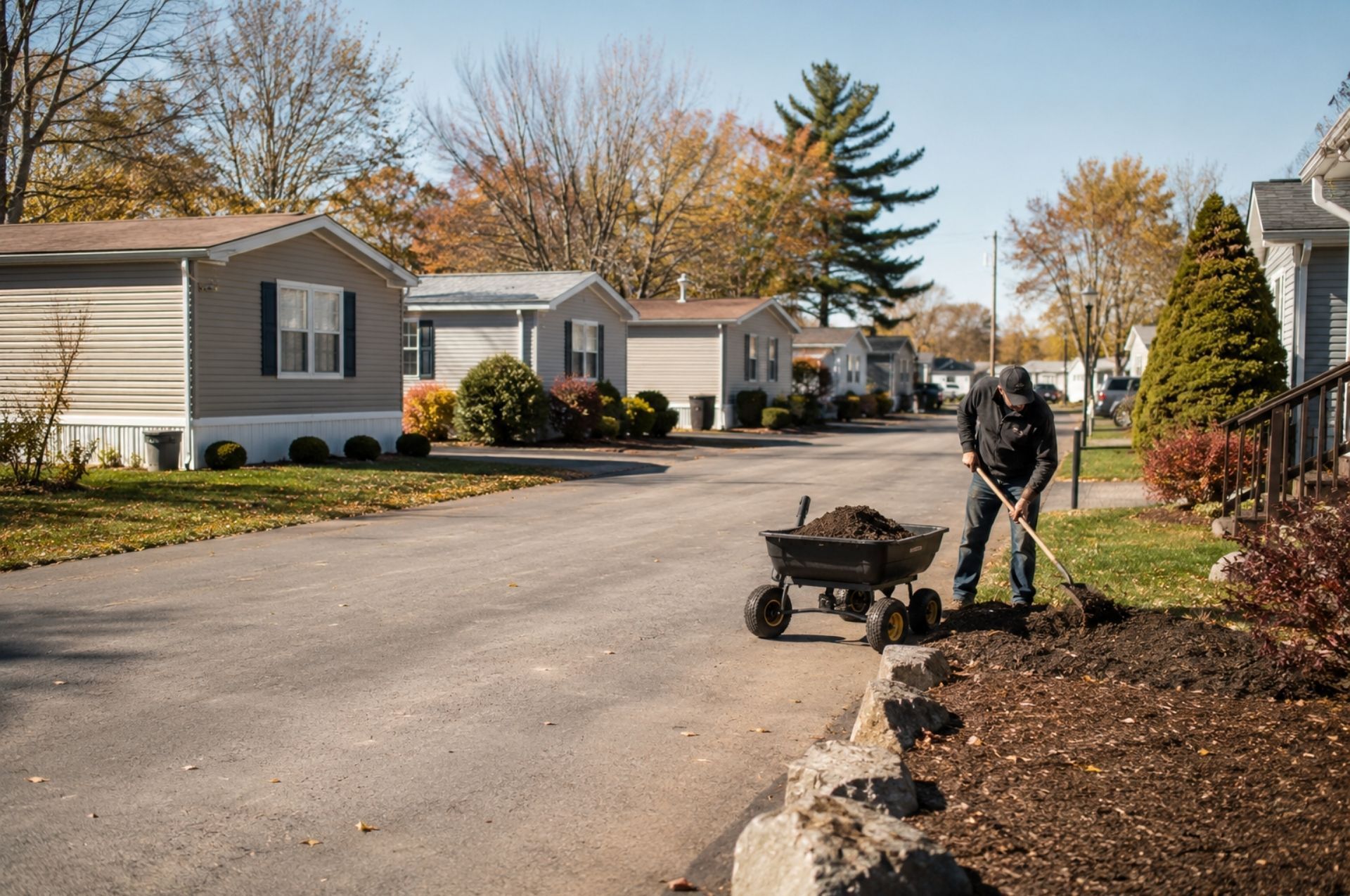
Owning a manufactured housing community in Connecticut presents a unique blend of opportunity and risk that standard commercial policies rarely address in full. With the state's exposure to nor'easters, coastal flooding, and aging infrastructure across many parks, the insurance needs of park owners differ sharply from those of traditional landlords or single-property investors. The average annual premium for mobile home insurance in Connecticut currently ranges between $600 and $1,320, with nor'easter and winter storm exposure driving much of that cost, but park-level commercial policies involve far more complex pricing and coverage considerations.
Manufactured housing communities are
poised for significant growth heading into 2026 as the affordability crisis pushes more residents toward these properties, making proper insurance coverage not just prudent but essential. Whether a park contains 15 units or 150, the right policy structure can mean the difference between financial recovery and devastating loss after a major event. This guide breaks down what Connecticut park owners need to know about coverage, risk management, and choosing the right plan for their specific property.
Understanding Mobile Home Park Insurance in Connecticut
Mobile home park insurance is a specialized form of commercial coverage designed for owners and operators of manufactured housing communities. It bundles several policy types, including property, liability, and business income protection, into a single package tailored to the specific risks these properties face. Connecticut's regulatory environment, weather patterns, and demographic trends create conditions that demand more than a generic commercial property policy.
The state has roughly 250 licensed manufactured housing communities, many of them decades old, with infrastructure that requires ongoing maintenance and carries inherent liability. Park owners are responsible not only for the land and common structures but also for roads, utility lines, recreational facilities, and sometimes the homes themselves. This layered responsibility is precisely why insurance for mobile home parks in Connecticut requires careful, specialized attention.
Why Standard Homeowners Policies Are Not Enough
A standard homeowners or even a basic commercial property policy leaves critical gaps for park owners. Homeowners policies cover a single dwelling and its contents, while a mobile home park involves multiple structures, shared infrastructure, and dozens of tenants whose activities create liability exposure every day. A slip on an icy communal walkway, a tree falling across power lines serving multiple units, or a sewage backup affecting an entire section of the park: these are scenarios a homeowners policy simply does not contemplate.
Standard commercial property policies may cover the buildings themselves but often exclude manufactured or mobile structures, treating them as a separate risk class. They also tend to lack coverage for tenant relocation costs, loss of rental income from multiple units, or the specialized equipment (septic systems, community wells, propane distribution) common to Connecticut parks. The distinction matters because a denied claim on a $200,000 loss can threaten the financial viability of an entire operation.
Connecticut State Requirements for Park Owners
Connecticut regulates manufactured housing communities under Chapter 412 of the state statutes, which imposes specific obligations on park owners regarding maintenance, safety, and habitability. While the state does not mandate a specific insurance policy type for park owners, it does require compliance with building codes, fire safety standards, and environmental regulations that effectively make insurance a practical necessity.
Park owners who finance their properties will find that lenders universally require comprehensive coverage, often with minimum liability limits of $1 million per occurrence. Local municipalities may also impose requirements, particularly in
flood-prone coastal areas where parks near Long Island Sound or along river corridors face heightened scrutiny. Connecticut's Department of Consumer Protection oversees park licensing, and maintaining adequate insurance is a de facto condition of operating legally and responsibly.
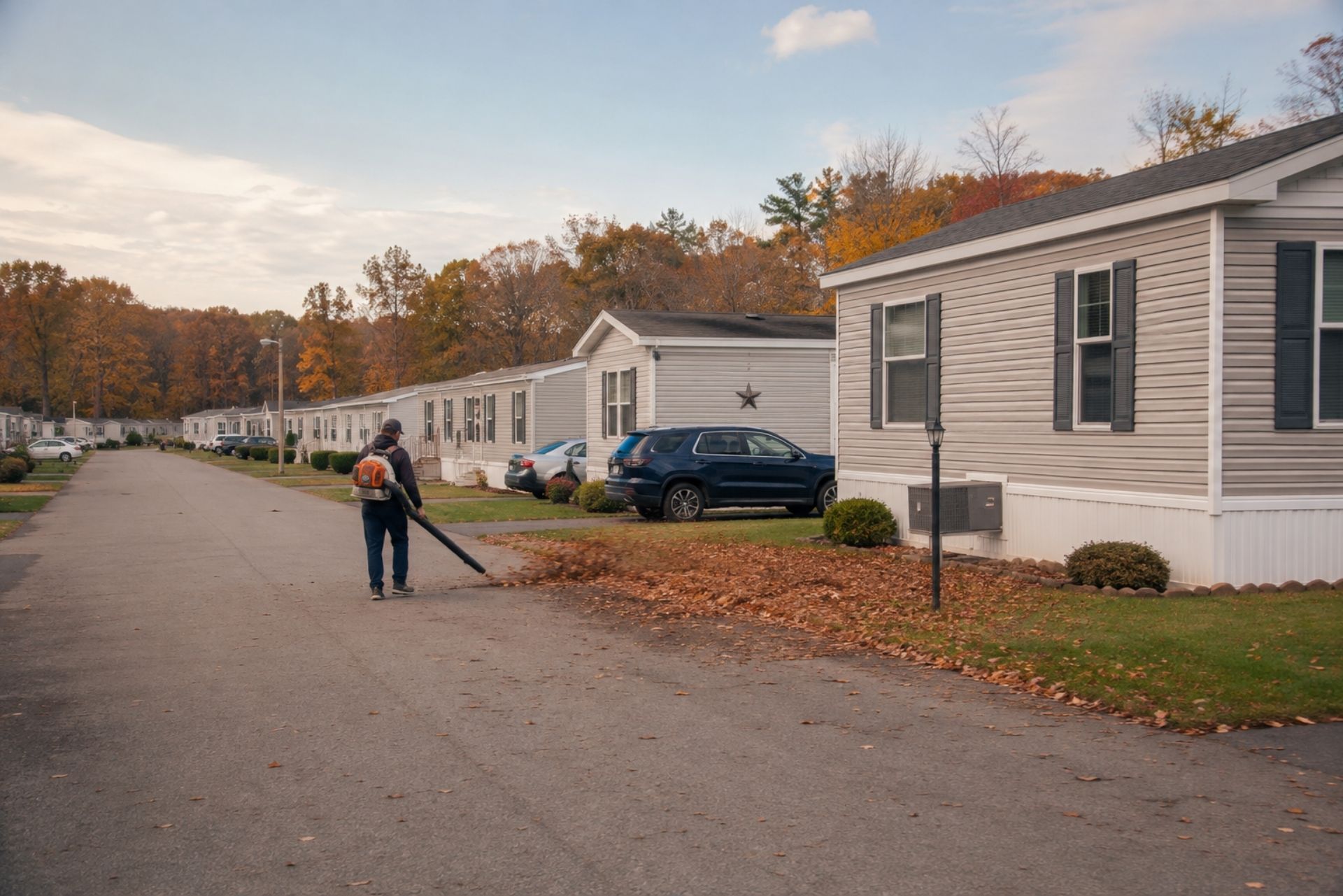
Building the right insurance program for a Connecticut manufactured housing community means understanding the distinct coverage components and how they interact. No single policy element is sufficient on its own; the strength of the program lies in how well the pieces fit together.
General Liability and Property Damage
General liability coverage protects park owners against claims arising from bodily injury or property damage that occurs on the premises. This is the foundation of any commercial insurance program, and for mobile home parks, the exposure is significant. Common claims include slip-and-fall injuries on shared walkways, injuries at playgrounds or community pools, and damage caused by falling trees or poorly maintained infrastructure.
Property damage coverage, meanwhile, protects the physical assets the park owner controls: community buildings, maintenance facilities, roads, fencing, signage, and in some cases the mobile homes themselves if they are owner-retained units. A thorough policy should account for commercial property risks specific to Connecticut, including wind damage, ice dam formation, and the freeze-thaw cycles that wreak havoc on older utility systems. Liability limits for parks typically start at $1 million per occurrence with a $2 million aggregate, though larger communities or those with amenities like pools should consider higher limits.
Business Income and Extra Expense Coverage
Rental income is the lifeblood of any mobile home park, and a catastrophic event can halt that income for months. Business income coverage replaces lost rental revenue when a covered peril, such as a fire or major storm, renders units uninhabitable. Extra expense coverage pays for the additional costs incurred to maintain operations during recovery, such as temporary office space, emergency repairs to restore utilities, or expedited contractor fees.
This coverage is particularly relevant in Connecticut, where a severe winter storm can damage multiple units simultaneously, displacing tenants and halting rent collection across a significant portion of the park. Without business income protection, a park owner may face mortgage payments, property taxes, and maintenance costs with no revenue to offset them. The waiting period (often 72 hours) and the coverage duration (typically 12 months, though extensions are available) are two policy details that deserve close attention during the purchasing process.
Comparing Coverage: Basic vs. Comprehensive Plans
Not all insurance programs for manufactured housing communities offer the same depth of protection. Understanding the difference between a basic plan and a comprehensive one helps park owners make informed decisions based on their risk profile, budget, and long-term goals.
Comparison Table: Essential vs. Extended Protection
| Coverage Feature | Basic Plan | Comprehensive Plan |
|---|---|---|
| General Liability | $1M per occurrence | $2M+ per occurrence |
| Property Damage | Named perils only | All-risk (open perils) |
| Business Income | 6-month limit | 12-month limit with extended period |
| Business Income | 6-month limit | 12-month limit with extended period |
| Equipment Breakdown | Not included | Included (boilers, HVAC, septic) |
| Tenant Relocation | Not included | Included up to policy sublimit |
| Umbrella/Excess Liability | Not included | $1M-$5M umbrella available |
| Pollution Liability | Excluded | Limited coverage for sudden events |
A basic plan may suffice for a small, inland park with minimal amenities, but most Connecticut park owners benefit from the broader protections of a comprehensive program. The cost difference between the two tiers is often modest relative to the increased protection, particularly when equipment breakdown and flood endorsements are factored in.
Managing Risks Specific to Connecticut Parks
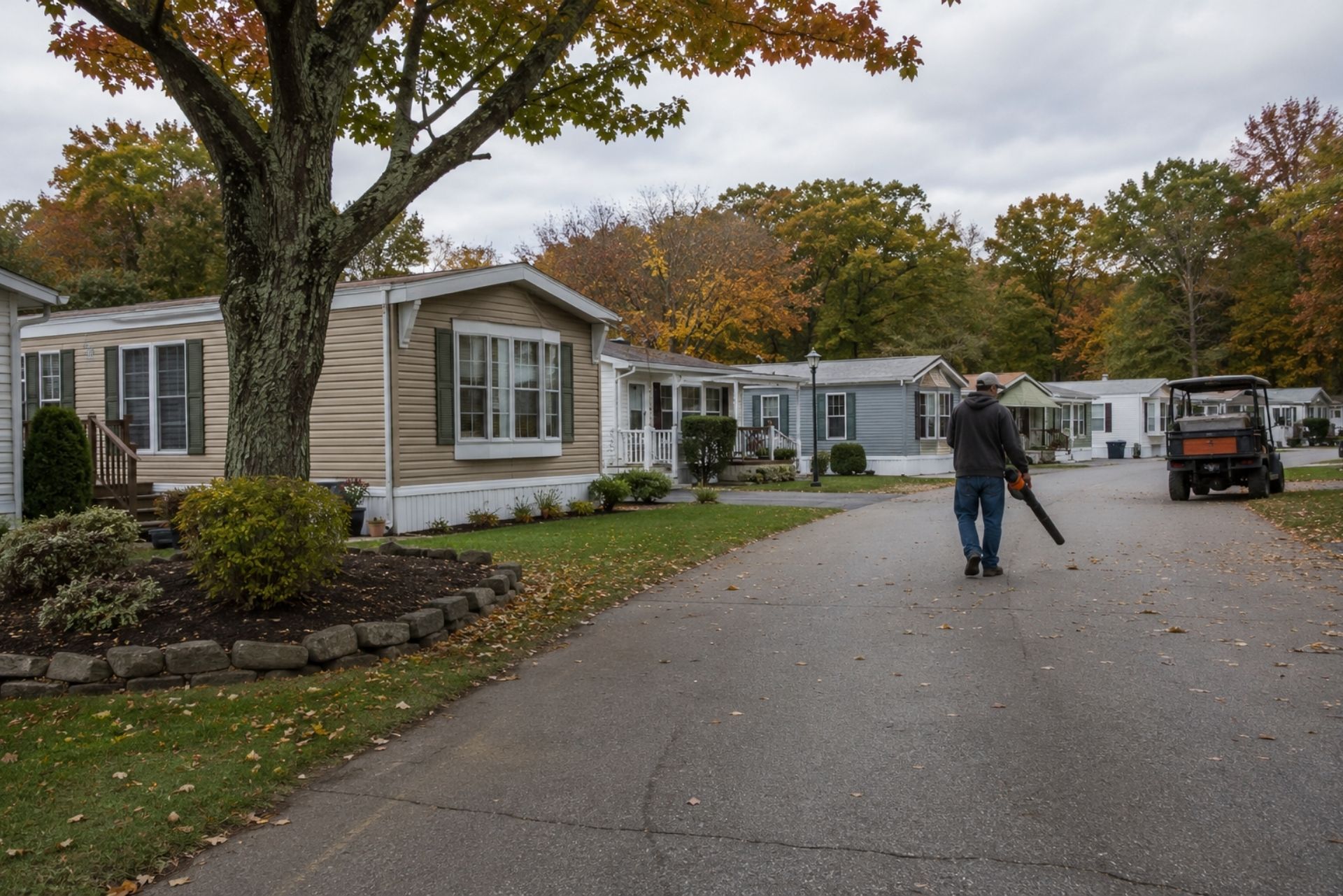
Connecticut's geography, climate, and regulatory environment create a distinct risk profile for manufactured housing communities. Effective risk management goes beyond purchasing insurance; it involves understanding the threats and taking proactive steps to reduce exposure.
Handling Severe Weather and Coastal Risks
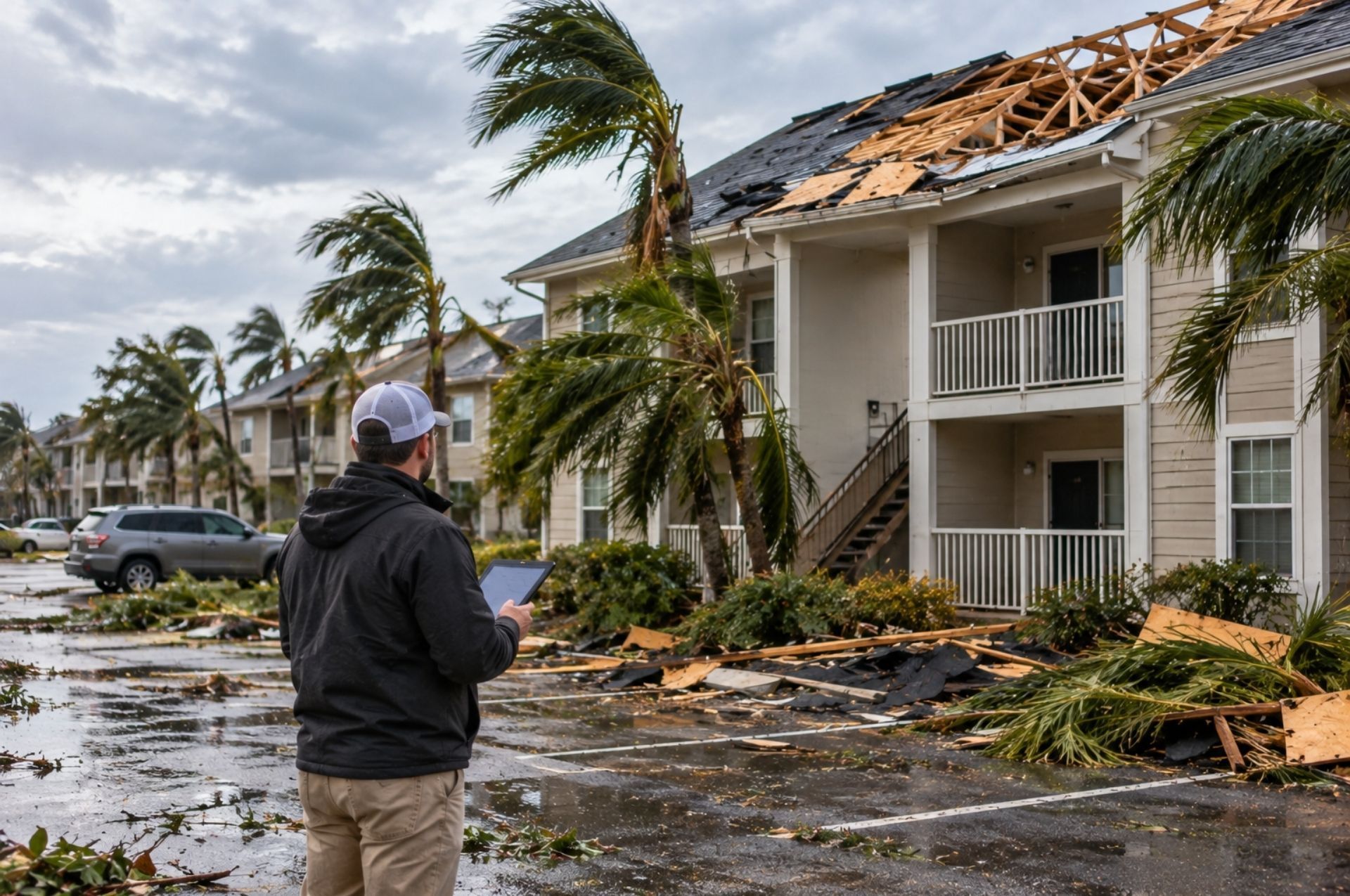
The state's position along the northeastern seaboard exposes it to nor'easters, tropical storm remnants, and heavy winter precipitation. Mobile homes, even modern manufactured units built to HUD code, are more vulnerable to high winds than site-built structures. Parks located along the Connecticut coastline or in river floodplains face compounded risk from storm surge and inland flooding.
Flood insurance through the National Flood Insurance Program (NFIP) or private flood markets is essential for parks in FEMA-designated flood zones, but even parks outside those zones can experience significant water damage. The key risk management steps for Connecticut park owners include understanding the specific insurance requirements for manufactured housing in the state, enforcing tie-down and anchoring standards for all units, maintaining storm drainage systems, and trimming trees that could damage homes or infrastructure during high winds. Investing in these preventive measures can also reduce premium costs over time.
Liability for Common Areas and Amenities
Common areas represent some of the highest liability exposure for park owners. Playgrounds, swimming pools, laundry facilities, community rooms, and even parking lots all create opportunities for injury claims. Connecticut courts have consistently held property owners to a high standard of care for maintaining safe conditions on their premises.
A
detailed risk assessment for mobile home park operations should evaluate each amenity and common area for potential hazards. Pool areas require proper fencing, signage, and chemical maintenance records. Playgrounds need regular inspections and age-appropriate equipment. Roads and walkways demand prompt snow and ice removal during Connecticut's long winters. Documenting maintenance activities creates a defensible record in the event of a liability claim, which is just as valuable as the insurance policy itself.
Common Questions About Connecticut Park Insurance
FAQ: What new owners need to know
Do I need separate flood insurance for my mobile home park? Standard commercial property policies exclude flood damage. If any portion of the park sits in a FEMA flood zone, separate flood coverage is necessary. Even parks outside designated zones should consider it, as roughly 25% of flood claims nationwide come from properties in low-to-moderate risk areas.
Who is responsible for insuring individual mobile homes: the park owner or the tenant? This depends on ownership structure. If tenants own their homes and lease the land, they are responsible for insuring their own units. If the park owner retains ownership of the homes, those structures must be covered under the park's commercial policy.
How does Connecticut's winter weather affect premiums? Winter storm exposure is a primary premium driver in the state. Parks with older infrastructure, poor drainage, or deferred maintenance on roofs and utilities will generally pay higher premiums than well-maintained communities.
Can I bundle liability and property coverage into one policy? Yes. Most insurers offer a Business Owner's Policy (BOP) or a commercial package policy that combines general liability, property, and business income coverage into a single program. Bundling typically reduces overall cost compared to purchasing each coverage separately.
What liability limits should a new park owner carry? A minimum of $1 million per occurrence and $2 million aggregate is standard, but parks with pools, playgrounds, or more than 50 units should consider a $1 million to $5 million umbrella policy for additional protection.
Are environmental or pollution claims covered? Most standard policies exclude pollution liability. Parks with underground storage tanks, older septic systems, or any history of chemical use should add a pollution liability endorsement or a standalone environmental policy.
Making the Right Choice for Your Property
Selecting the right insurance program for a Connecticut manufactured housing community requires more than comparing premium quotes. The cheapest policy is rarely the best value when a major claim reveals gaps in coverage that leave the owner exposed to six- or seven-figure losses.
Start by conducting a thorough inventory of the park's physical assets, amenities, and infrastructure. Identify the specific perils most relevant to the property's location, whether that means coastal flood risk in Milford, river flooding in the Connecticut River Valley, or heavy snow loads in the northwestern hills. Work with a broker who specializes in manufactured housing or commercial property rather than a generalist agent who may not understand the nuances of park operations.
Request quotes that include both basic and comprehensive options so the cost difference is transparent. Pay close attention to exclusions, sublimits, and deductible structures, as these details determine whether a policy truly protects the investment or merely creates an illusion of security. Connecticut mobile home park insurance is not a commodity product; it is a tailored program that should reflect the specific risks, assets, and operational realities of each individual community. The time invested in getting it right pays dividends the first time a claim arises.
About The Author:
Anton Reed
As Managing Principal of Adion Financial Group, I’m committed to helping individuals and businesses achieve financial security through strategic insurance and planning solutions. My focus is on building trust, delivering clarity, and ensuring every client receives expert guidance backed by experience and integrity.
Contact Us
Personal INSURANCE Coverage
Comprehensive Coverage for Every Personal Need
Business Insurance Solutions
Professional Liability Coverage for Service-Based Businesses
General Liability Insurance
Protects businesses from lawsuits related to injuries and property damage.
INDUSTRIES WE SERVE
Specialized Coverage for Leading Connecticut Industries
Contractors
Insurance
Whether you’re a general contractor or a specialized tradesperson, we offer coverage that protects against job site risks, equipment damage, and liability claims.

Commercial Truck Insurance
Whether you operate a single truck or an entire fleet, we provide coverage for cargo, liability, and physical damage to keep your business moving.

Restaurant Business Insurance
Keep your restaurant, café, or bar protected with coverage for property damage, liquor liability, foodborne illness, and employee injuries.

Commercial Real Estate Insurance
Safeguard your commercial properties, rental units, and office spaces from property damage, liability claims, and tenant-related risks.

“I’ve been with AFG for years. Their service is second to none, and I always feel confident that I’m covered.”
Sarah K.
Real Stories.
Real Protection.
Real Trust.
See Why Businesses and Families Trust Us for Coverage.

Quick Answers to Your Insurance Questions
Frequently Asked Questions
about Adion Financial Group
Understanding Insurance Starts with the Right Information
1. What types of insurance do you offer?
At Adion Financial Group, we offer a wide range of insurance options designed to meet the needs of both individuals and businesses. For individuals, we provide coverage for personal auto, home, renters, life, and health insurance. Whether you're looking to protect your home, your car, or your loved ones, we have a solution tailored to your needs.
2. How do I get a quote for insurance?
Getting an insurance quote with Adion Financial Group is simple and fast. First, visit our website and fill out the quote request form, providing some basic information about the type of insurance you need. If you prefer a more personal touch, you can also contact us directly, and one of our agents will walk you through the process.
3. What should I do if I need to file a claim?
If you need to file a claim, the first step is to notify us immediately. You can either call our office or submit your claim online, depending on your preference. Once we receive your claim, our team will guide you through the necessary steps and help you gather the required information.
4. How can I change my coverage or update my policy?
Making changes to your coverage or updating your policy is easy with Adion Financial Group. Whether you're moving to a new home, adding a vehicle, or expanding your business, we can help you adjust your insurance to reflect your current needs.
5. Why should I choose an independent insurance agency?
Choosing an independent insurance agency like Adion Financial Group provides you with a distinct advantage: we work for you, not an insurance company. Our independent status allows us to shop around with multiple carriers to find the most competitive rates and the best coverage options for your unique situation.
6. How can I make sure I have the right amount of coverage?
Determining the right amount of coverage can be overwhelming, but our team at Adion Financial Group is here to help. The first step is assessing your personal or business assets and identifying the potential risks you face. Whether you're an individual looking to protect your home and car, or a business owner trying to safeguard your employees and property, we will walk you through the different coverage options.
Stay Informed on Insurance Trends and Tips
Insights & Tips to Keep You Informed
Contact Us
Phone
Locations
Connecticut Location
703 Hebron Ave., 3rd Floor, Glastonbury, CT 06033
North Carolina Location
436 East 36th St., Charlotte, NC 28205