Theft and Vandalism Coverage for Connecticut Properties Under Construction: Materials, Tools, Copper, Security Controls, Deductibles, and Claims
See How We're Different
or call us: (888) 585-5188

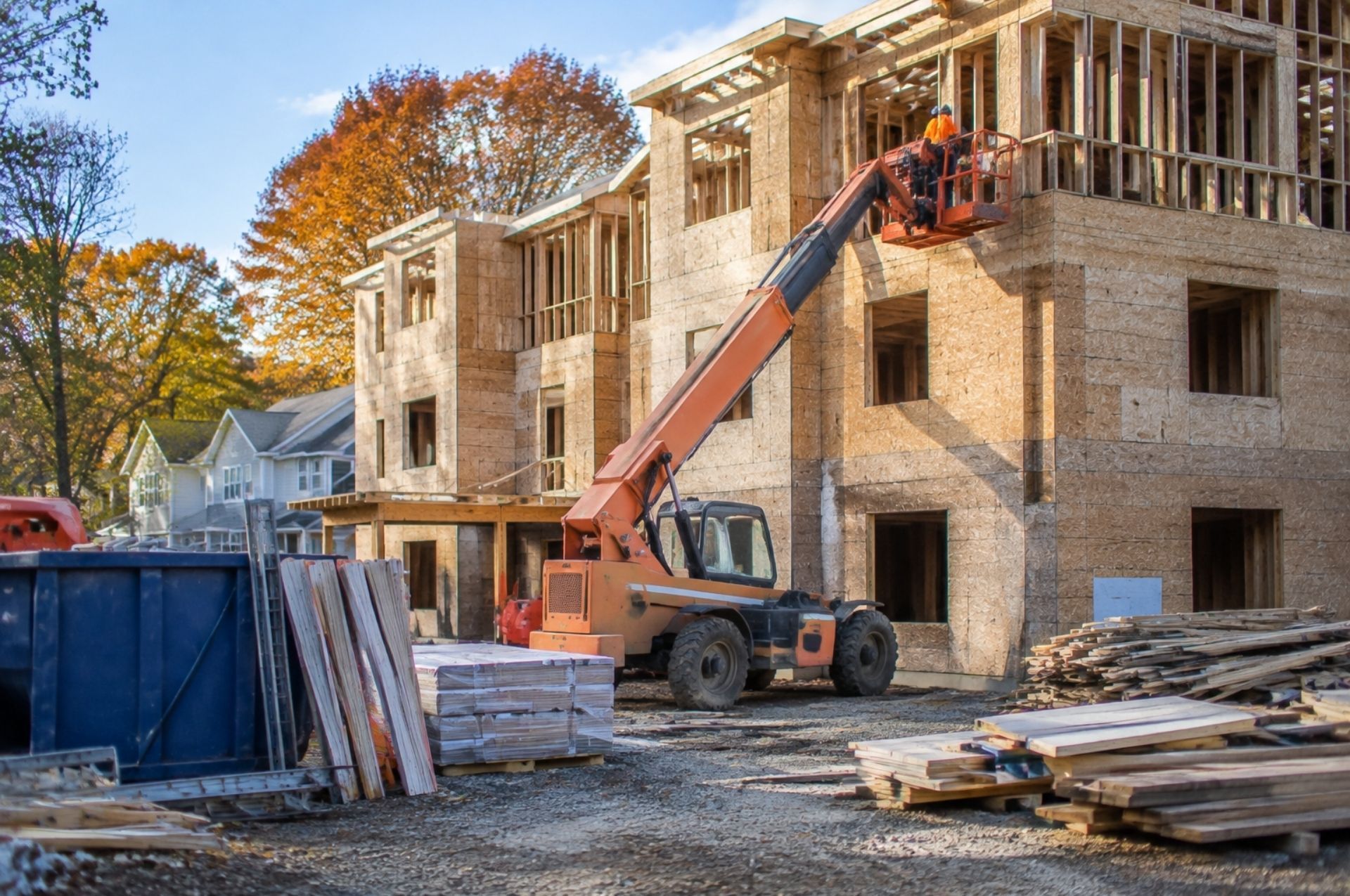
Copper pipe, coiled wire and stacked lumber on an unfenced lot in Hartford County can disappear overnight, and the replacement cost often lands on the contractor or owner rather than the thief. Connecticut builders face this exposure on every project, from a single-family addition in Fairfield County to a mixed-use renovation in New Haven. Theft and vandalism coverage for properties under construction exists to absorb these losses. Its value depends on details that many buyers overlook until a claim is filed.
The structure of a policy, the security conditions attached to it, and the deductible chosen all determine whether a stolen boiler or a vandalized drywall package is fully reimbursed or only partly covered. Many contractors assume their builders risk form protects everything on site. Others believe their general liability policy will respond to theft, which it will not. These misunderstandings tend to surface at the worst possible moment, during a stalled project with a lender waiting for an updated draw schedule.
The sections below explain how materials, tools and copper are treated, how security controls influence pricing, and what a well-documented claim looks like. The goal is a clear understanding of where the coverage gaps typically sit and how to close them before a loss occurs.
The Real Cost of Theft and Vandalism on Connecticut Jobsites
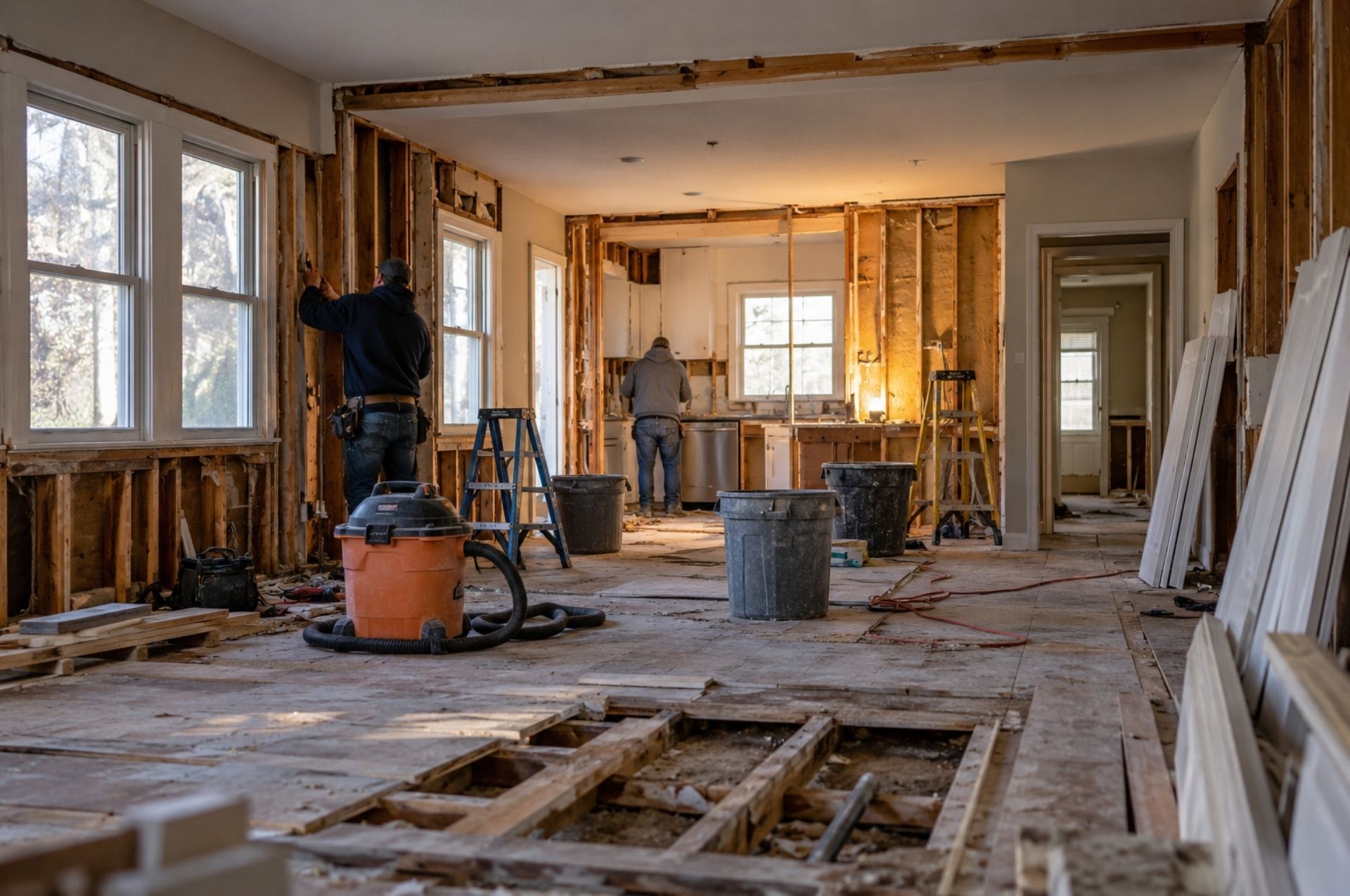
A jobsite theft rarely costs only the value of the stolen items. When thieves strip installed copper from a partially finished building, the owner pays for replacement material, labor to reinstall it, repairs to cut drywall or framing, and sometimes reinspection fees. Schedule delays then push back occupancy, extend financing costs and can trigger liquidated damages under the construction contract.
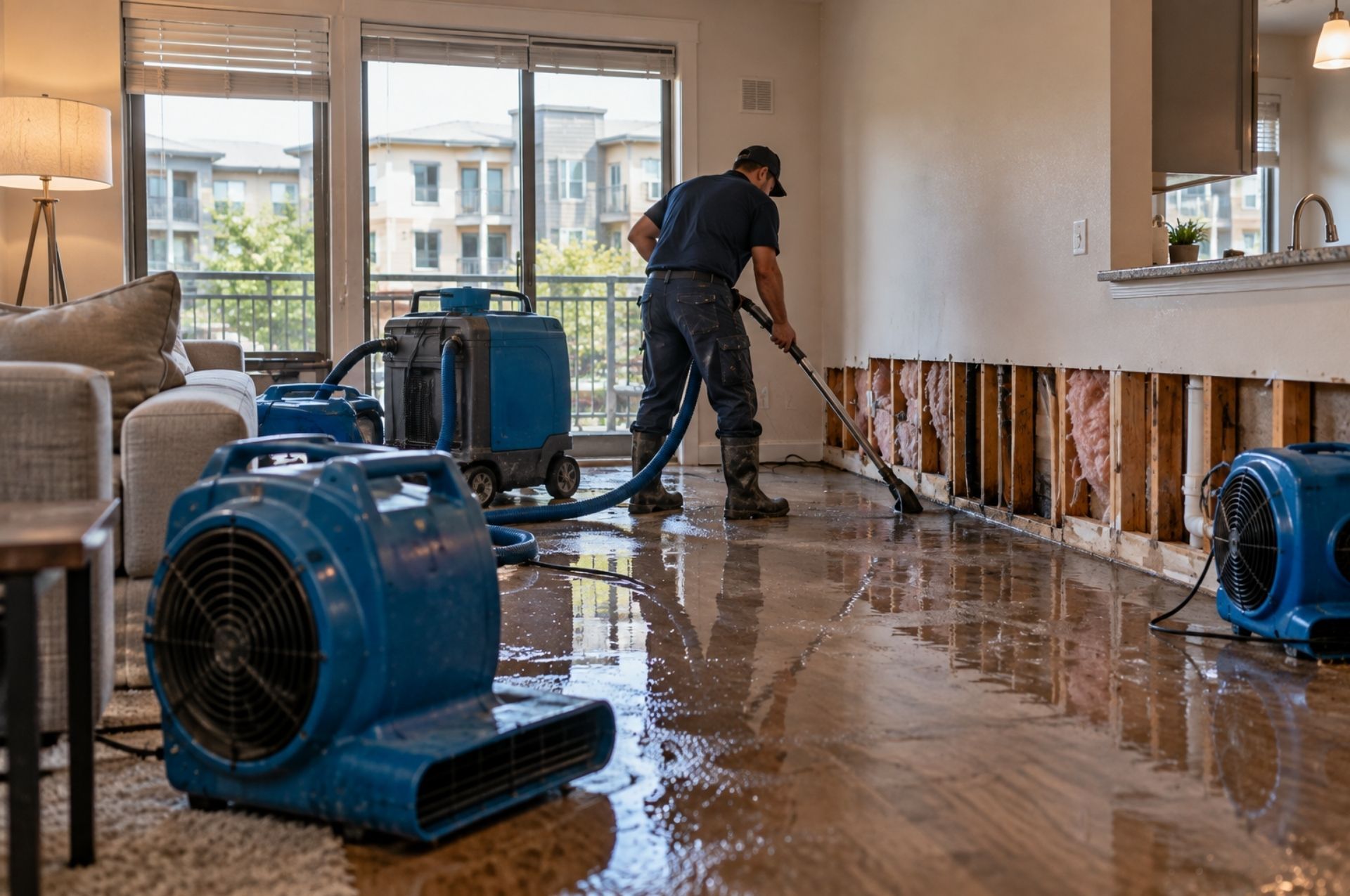
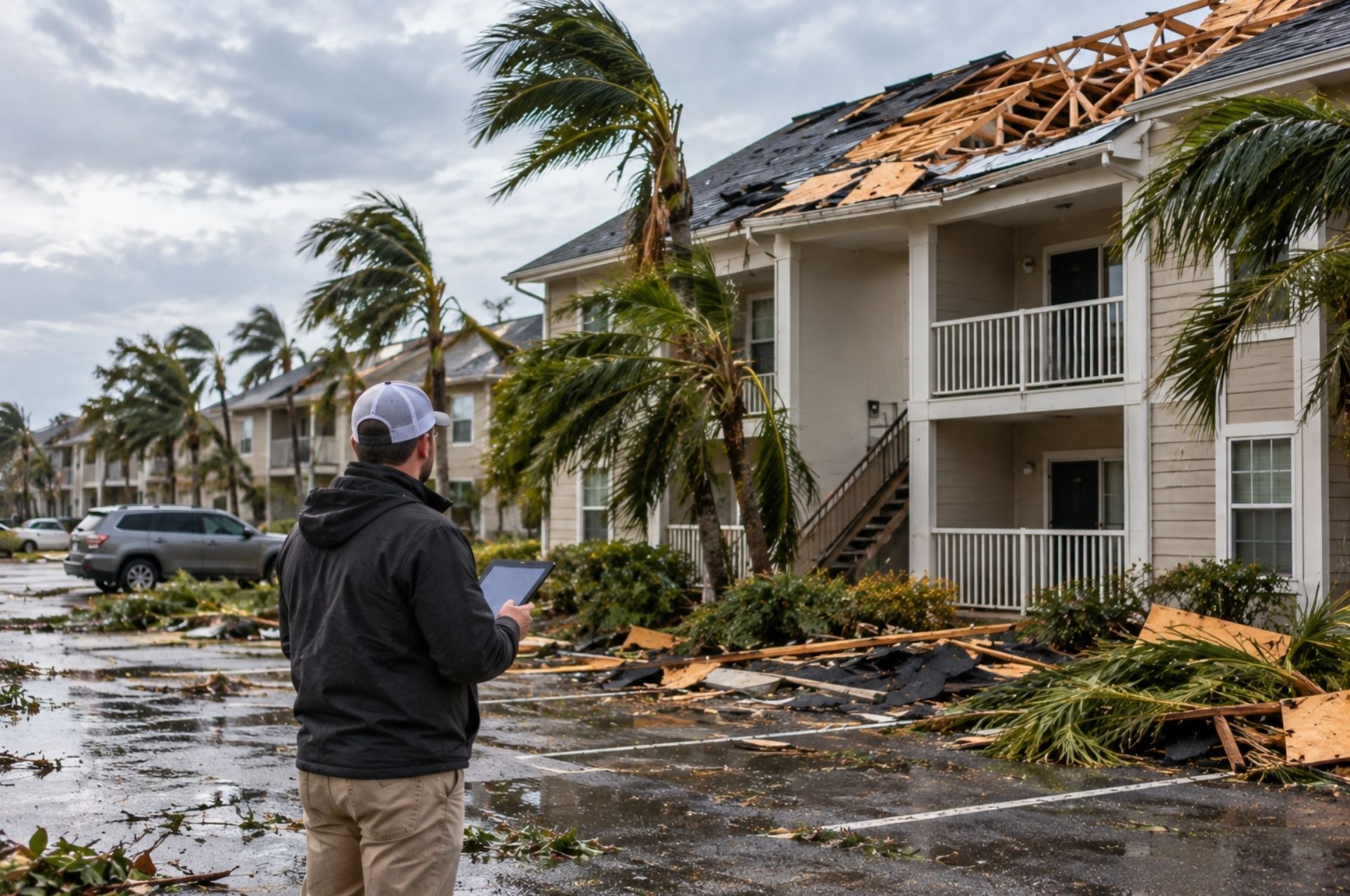
Vandalism carries similar consequences. Graffiti on exterior sheathing, broken windows, flooded basements from opened valves, and damaged mechanical equipment all require rework that crews must fit into an already compressed schedule. Unoccupied sites at night and on weekends are the most exposed, particularly in urban corridors and in rural areas with little traffic.
Pricing reflects this exposure. Annual builders risk premiums for a $1 million project in Connecticut typically range between $10,000 and $50,000, depending on construction type and location. Frame construction in a high-loss area sits toward the upper end, while masonry projects with strong site controls tend to price lower. The premium is a small fraction of what a single uninsured copper strip-out can cost once delays are counted.
Protecting Your Assets: Materials, Tools, and Copper
Three categories of property need separate attention on a construction site, because insurers treat each one differently.
- Materials include lumber, fixtures, appliances and components that will become part of the finished structure. These usually fall under builders risk once they are on site, and sometimes while in transit or in temporary storage.
- Tools and equipment include generators, saws, laser levels, compressors and mobile machinery. These are commonly excluded from builders risk.
- Copper and high-value metals include piping, wire and HVAC components. They may face sublimits or special conditions, even when they are technically covered.
Why Copper and High-Value Metals Need Specific Coverage
Copper is attractive to thieves because it is easy to remove and quick to sell. Many builders risk forms cap theft of building materials at a sublimit, or exclude theft entirely unless there is visible forced entry into a locked, secured structure. Installed copper creates a further problem. Thieves often cause more damage cutting it out than the metal itself is worth, and the resulting claim combines theft and vandalism. Reviewing how the policy defines theft, and whether materials awaiting installation are covered the same way as installed materials, is essential before work begins.
Installation Floaters vs. Builders Risk for Tools
Standard builders risk policies in Connecticut frequently exclude contractor tools and mobile equipment, so a separate inland marine policy is needed to cover them. A contractor's equipment floater follows tools from site to site. An installation floater, by contrast, protects materials that a subcontractor is responsible for installing, which suits trades such as HVAC or electrical contractors who do not control the overall project policy.
Security Controls and Their Impact on Your Policy
Underwriters assess site security much as a lender assesses collateral. Projects with documented controls receive better terms, and sites without them may face exclusions, higher deductibles or declined theft coverage. Many policies also include protective safeguard conditions. If a required control, such as an alarm or locked storage, is not in place at the time of loss, the carrier may deny the claim.
Controls that insurers commonly favor include:
- Perimeter fencing with locked gates and adequate lighting
- Monitored camera systems, particularly those with remote live-view or motion alerts
- Lockable storage containers for tools and uninstalled materials
- Just-in-time delivery of copper and appliances, which reduces the time they sit unsecured on site
- Equipment GPS tracking and immobilizers for mobile machinery
- Security patrols during nights and weekends on larger projects
A common client mistake is describing controls on the application that are not actually maintained on site. If the application promised a monitored alarm and the system was disconnected during a utility changeover, the carrier has grounds to contest the loss. Every security representation should be accurate and kept current for the life of the project.
Comparing Coverage Levels for Construction Site Perils
Coverage for construction projects varies considerably, and the differences matter most when a theft claim is filed. The table below compares typical structures.
| Feature | Basic Builders Risk | Broad Builders Risk | Builders Risk + Inland Marine |
|---|---|---|---|
| Installed materials | Covered | Covered | Covered |
| Stored materials on site | Often limited | Covered | Covered |
| Theft of materials | May require forced entry | Broader theft wording | Broader theft wording |
| Vandalism | Usually covered | Covered | Covered |
| Contractor tools | Excluded | Excluded | Covered under floater |
| Copper sublimit | Common | Sometimes | Negotiable |
| Materials in transit | Rarely | Often | Typically |
The difference between these levels is significant. A basic form might pay for a vandalized window but deny the theft of stored fixtures that showed no sign of forced entry. Pairing a broad builders risk form with an inland marine policy closes the most frequent gaps, particularly for contractors who carry substantial tools from job to job.
Navigating Deductibles and the Claims Process
Deductibles and claim handling determine how much of a loss is actually recovered. A policy with broad wording can still disappoint if the theft deductible equals most of the stolen value, or if documentation is too weak to support the amount claimed.
How Deductibles Change Based on Security Measures
Carriers often apply a separate, higher deductible to theft than to other perils, and some apply a percentage deductible for theft in high-loss locations. Strong security controls can reduce that figure. Fencing, monitoring and locked storage give underwriters grounds to offer a lower theft deductible or to remove restrictive conditions. Choosing a deductible means weighing the premium savings against how often small losses occur. A site that expects repeated minor thefts may benefit from a lower deductible, despite the higher premium.
Steps to Document a Loss for a Faster Payout
Prompt and organized claims move faster. The following steps support a smooth recovery:
- File a police report immediately. Most carriers require one for theft.
- Photograph the scene before cleanup, including points of entry and damaged areas.
- Gather invoices and delivery tickets that prove the quantity and cost of the stolen materials.
- Provide serial numbers for tools and equipment, ideally from an inventory kept before the loss.
- Notify the carrier promptly in writing and secure the site against further damage.
- Track rework costs separately from replacement material costs.
Common Questions About Connecticut Construction Insurance
Does my general liability policy cover stolen tools? No. General liability responds to injury or damage to others. Stolen tools need an inland marine or equipment floater.
Is theft automatically included in builders risk? Not always. Some forms exclude it or require evidence of forced entry, so the policy wording should be confirmed before purchase.
Who should buy the builders risk policy, the owner or the contractor? The construction contract usually decides this. Both parties should be named so that either one can recover after a loss.
Are materials covered before they reach the jobsite? Only if the policy includes transit or off-site storage coverage, which many basic forms omit.
What if my coverage comes from a surplus lines carrier? Hard-to-place projects often end up there. Under Public Act 26-69, effective October 1, 2026, the Insurance Commissioner gains authority to regulate that market, and the "diligent effort" requirement is replaced with annual reporting.
Are there other new Connecticut rules contractors should watch?
Yes. Starting January 1, 2027,
general contractors become jointly and severally liable for unpaid subcontractor wages on private projects. Property insurance does not cover this exposure, so it should be planned for separately.
The Bottom Line for Protecting Your Project
Protecting a Connecticut jobsite from theft and vandalism depends on matching the right policy to each type of property. Builders risk addresses materials and the structure, inland marine addresses tools, and the policy wording on copper determines whether the most stolen material on site is actually protected. Security controls influence pricing and deductibles, and they must be maintained exactly as described on the application.
State regulators have stressed that insurance plays a critical role in helping businesses navigate uncertainty, and construction sites carry a great deal of it. The most effective time to review theft sublimits, forced-entry wording and deductibles is before ground is broken, not after a loss.
Owners and contractors should ask for a side-by-side review of their builders risk and inland marine policies at the start of each project. A careful comparison now prevents a stolen copper run from becoming a project-ending financial setback later.
Recent posts