Existing Structure Claims During Major Connecticut Renovations: Valuation, Collapse, Water Damage, Theft, and Contractor Responsibility
See How We're Different
or call us: (888) 585-5188

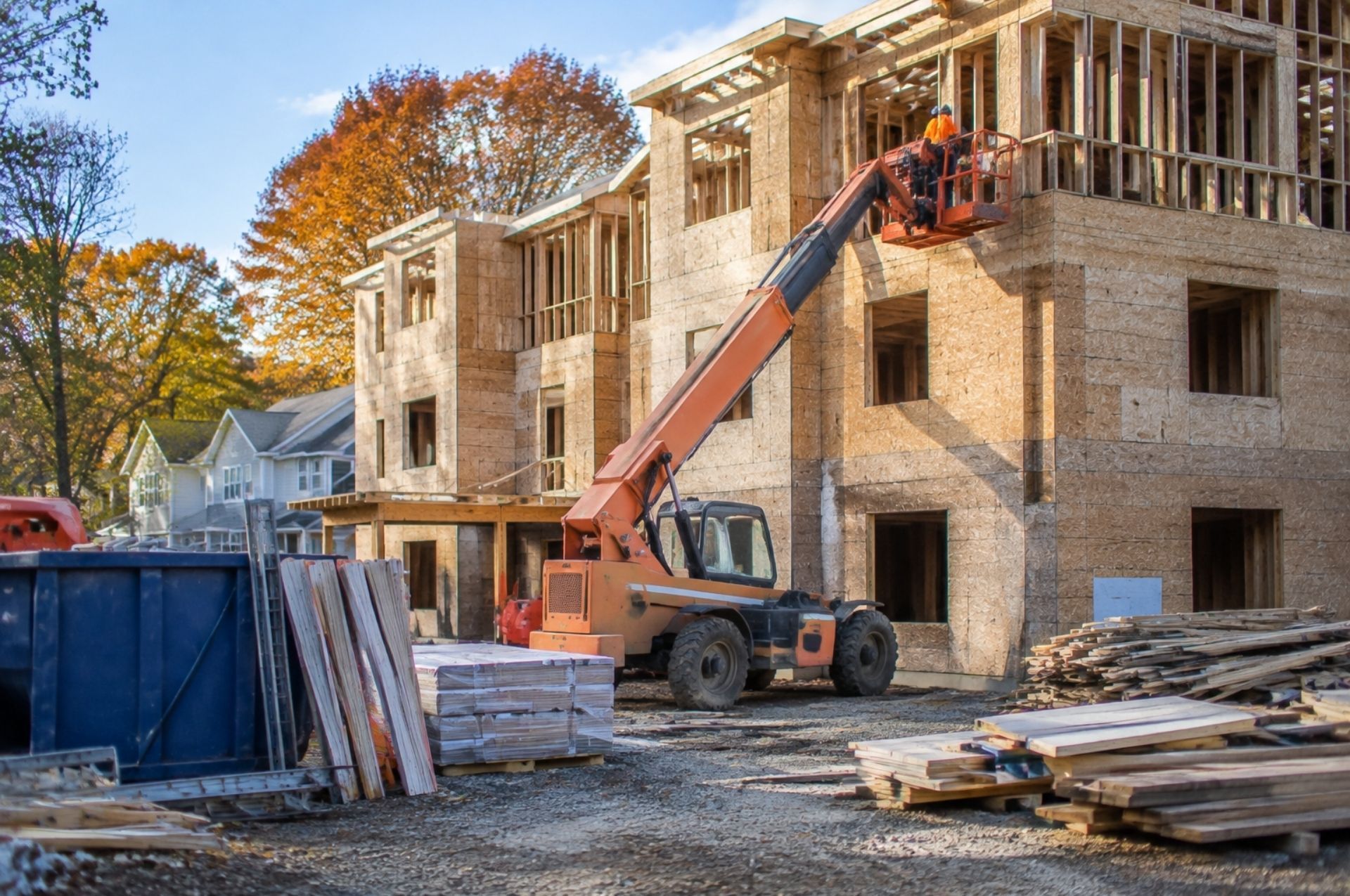
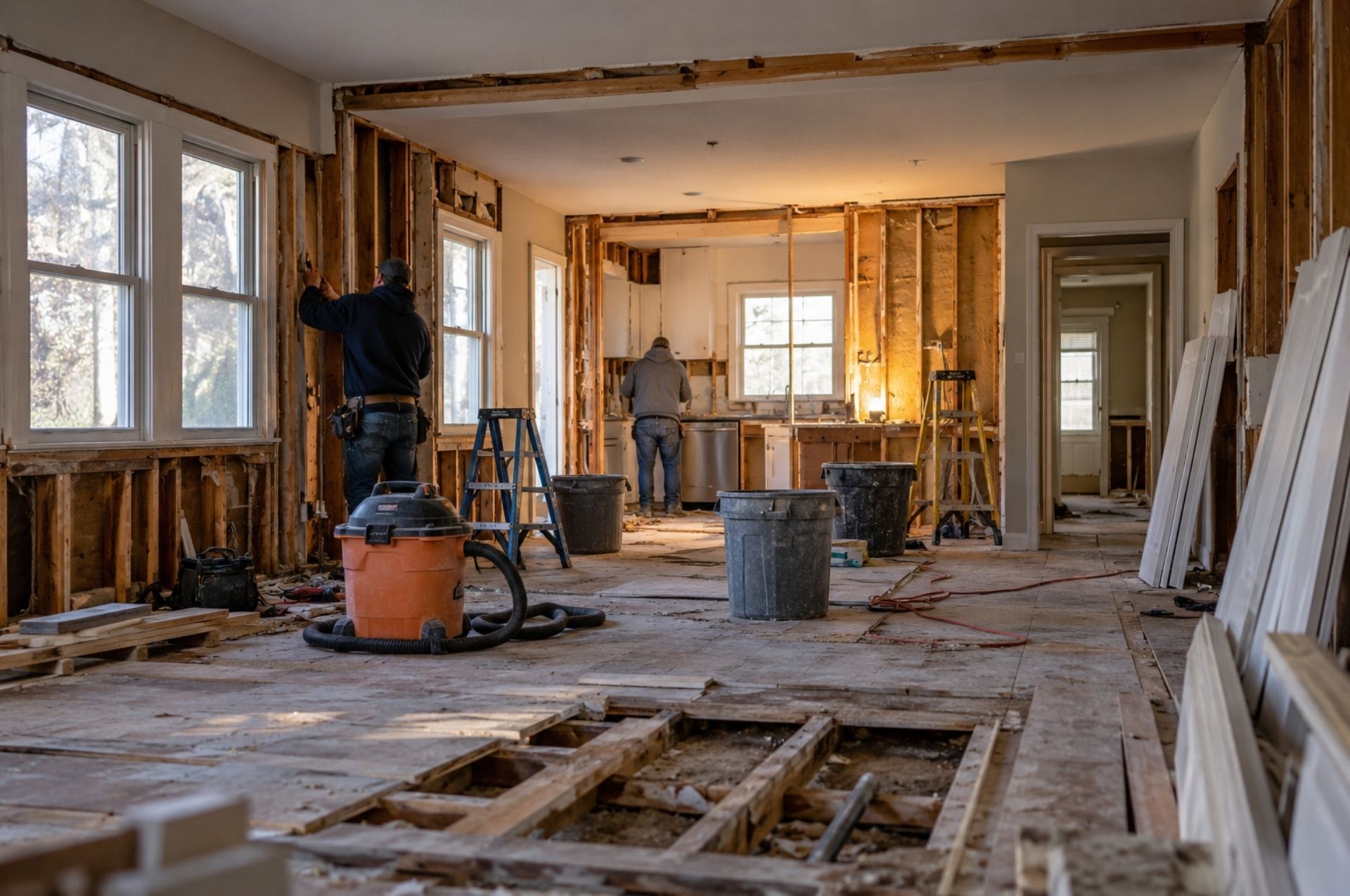
Lifting a 1920s Colonial in Greenwich to add a second story, or opening the rear wall of a Glastonbury ranch for a kitchen addition, exposes the original home to risks that ordinary homeowners policies were never designed to absorb. Claims involving the existing structure during major Connecticut renovations are among the most contested files in the residential insurance market. They involve overlapping policies, ambiguous contract language, and damage that can be difficult to separate from the planned demolition.
Homeowners often assume their carrier, their contractor, or a builders risk policy will step in automatically. In practice, valuation, collapse, water damage, theft, and contractor responsibility each follow different coverage rules. A gap in any one of them can leave a family absorbing six-figure losses on a home that was supposed to be gaining value.
The sections below explain how these claims are evaluated, where coverage commonly breaks down, and which protective steps should be completed before demolition begins. The guidance applies equally to historic shoreline estates, mid-century homes in the Farmington Valley, and newer properties undergoing substantial upgrades.
Navigating Existing Structure Claims in Connecticut Renovations
An existing structure claim is a loss affecting the portion of a building that stood before the renovation began, as opposed to the new work being installed. The distinction sounds simple, but it shapes nearly every coverage decision that follows. Many builders risk forms cover only new construction and materials unless the policy specifically adds the existing building, so the original home is often left on the homeowners policy alone.
That homeowners policy may not respond as expected. Carriers frequently include vacancy provisions, construction exclusions, or notification requirements that change once a home is gutted or unoccupied. A family that moves into a rental during a nine-month renovation without telling its insurer may discover that a burst pipe claim is restricted or denied.
Connecticut has also added new jobsite obligations for 2026. The state building code now requires temporary battery-operated carbon monoxide alarms near interior alterations in occupied single-family dwellings, effective January 1, 2026. Compliance matters because adjusters increasingly review whether code requirements were followed when evaluating a loss.
Three questions should be answered before any work starts:
- Which policy covers the original structure? The answer is homeowners, builders risk, or both.
- Who must be notified? The carrier should receive written notice of the project scope and occupancy changes.
- What contract terms shift risk?
Indemnity, insurance, and subrogation clauses all determine who ultimately pays.
Valuation Methods for Renovated Historic and Modern Homes
Valuation determines how much a claim pays, and it is one of the least understood elements of renovation coverage. A home under construction has a moving value: the original structure, partially removed components, and new work in place all carry different worth on any given day. Adjusters must decide what the property was worth immediately before the loss, which can become contentious when walls are already open.
Actual Cash Value vs. Replacement Cost
Actual cash value pays the replacement cost minus depreciation, meaning a 40-year-old roof or original plaster walls may be valued at a fraction of what restoration would cost. Replacement cost pays to repair or rebuild with materials of like kind and quality without a depreciation deduction, though many policies hold back part of the payment until repairs are completed.
The difference becomes dramatic on older Connecticut homes. Hand-split lath, chestnut beams, and original window sash have high replacement costs but heavy depreciation on paper. Homeowners who never confirmed replacement cost on the dwelling sometimes receive settlements that cover only a portion of the true restoration expense.
Agreed Value Endorsements for Connecticut Estates
For high-value or historically significant homes, an agreed value endorsement sets the insured amount in advance, usually supported by a professional appraisal. This approach removes much of the post-loss debate over what the structure was worth. It is especially useful for properties in Litchfield County or along the shoreline where craftsmanship, not square footage, drives value.
Owners should update their appraisal before major work, since renovation itself changes the value. An appraisal completed five years earlier rarely reflects current labor and material pricing.
The Risk of Structural Collapse During Construction
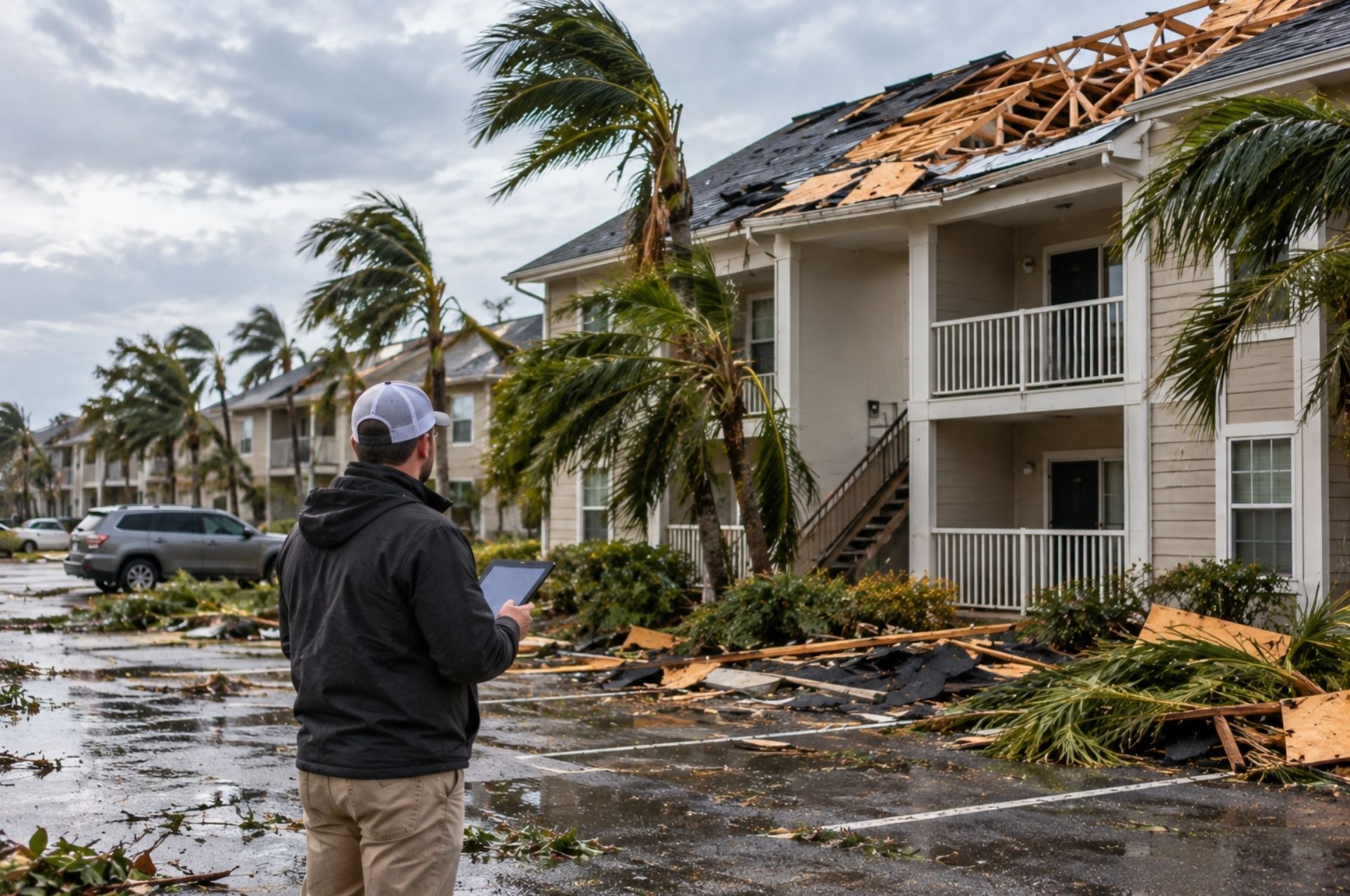
Collapse claims arise when shoring fails, load-bearing walls are removed without proper support, or excavation undermines a foundation. They are among the most expensive renovation losses, because a partial collapse can render the entire home structurally unsound and trigger demolition of components that were never part of the project scope.
Coverage depends heavily on policy wording. Most homeowners forms provide only limited collapse coverage, often restricted to abrupt falling down caused by specific perils such as hidden decay, insect damage, or the weight of people and contents. Many forms restrict or exclude collapse caused by defective construction methods or materials when it occurs during the course of construction. That carve-out is precisely the scenario a renovation creates.
Connecticut homeowners are often familiar with collapse disputes because of the state's history with crumbling concrete foundations in the northeastern region. Those cases demonstrated how narrowly carriers and courts can read collapse language, and the same strict interpretation applies to construction-related failures.
In practical terms, a collapse caused by a framing subcontractor removing a bearing wall without temporary supports is likely a liability matter for the contractor's insurer rather than a first-party homeowners claim. That makes the contractor's general liability limits, and the exclusions within that policy, critical to the homeowner's recovery. Requiring a structural engineer's stamped shoring plan for any load-bearing work creates both a safety measure and a documentation trail that strengthens any later claim.
Water Damage and Plumbing Failures in Open Structures
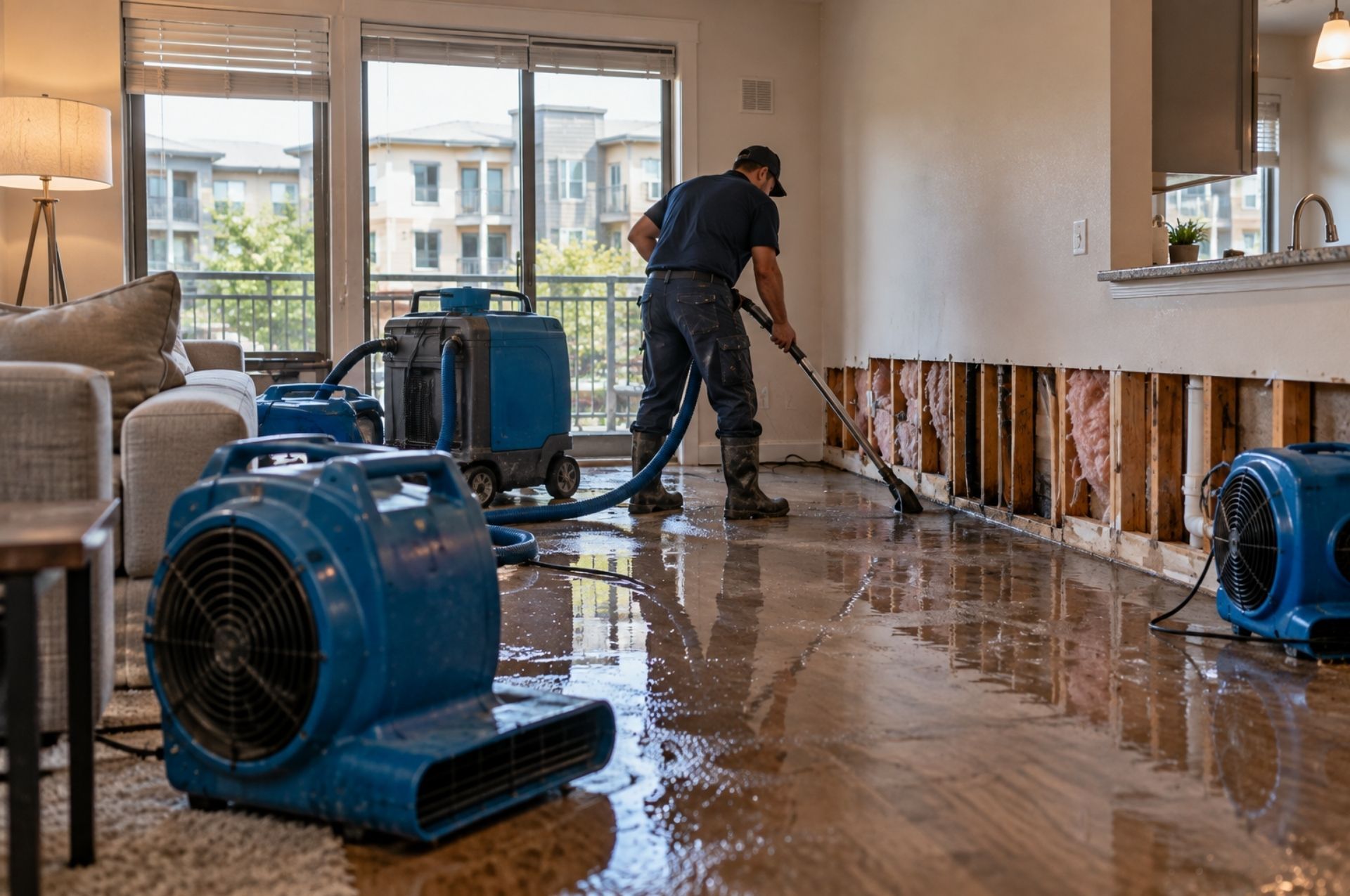
Water is the most frequent cause of renovation losses, and Connecticut winters make it worse. Contractors routinely remove insulation, disconnect heating zones, or leave exterior walls open with temporary sheathing. The average frozen pipe claim in the Northeast for 2026 is approximately $18,000, and many of those losses occur during renovations when insulation is pulled or heating systems are compromised.
Rain intrusion through an open roof is a separate exposure. When a crew tears off shingles and a storm arrives before the tarp is secured, water can saturate ceilings, floors, and finished rooms below. Many homeowners policies require that the wind or hail first create an opening in the roof or walls before interior rain damage is covered, so rain entering through an opening the contractor created may not qualify.
Mold often follows, and Connecticut has tightened the standards for its cleanup. Under a new law effective October 1, 2026, mold remediation contractors must hold certification from bodies such as IICRC or NORMI and follow the ANSI/IICRC S520 standard. Homeowners should confirm that any remediation firm hired after a water loss meets these requirements, since noncompliant work could complicate reimbursement and future resale disclosures.
Practical protections include:
- Maintained heat: contract language requiring the contractor to keep the home above a specified temperature
- Water shutoff sensors: automatic valves that stop flow when a leak is detected
- Daily weather protocols:
written procedures for securing roof and wall openings before each night and each forecast storm
Job Site Theft and Vandalism of Existing Fixtures
Renovation sites attract thieves because they are often unoccupied, lightly secured, and full of valuable material. Metal is the primary target. Copper prices reached approximately $6.51 per pound in October 2026, contributing to a 77 percent surge in construction site metal theft. Thieves strip copper supply lines, wiring, and HVAC components from occupied neighborhoods in Fairfield County as readily as rural properties.
The coverage problem lies in ownership and timing. Existing fixtures such as a vintage clawfoot tub, original light fixtures, or a newly removed but salvageable marble mantel belong to the homeowner and typically fall under the homeowners policy. New materials stored on site may belong to the contractor until installed, which places them under the contractor's builders risk or inland marine coverage.
Vacancy provisions create the largest gap. Many homeowners policies restrict or exclude theft and vandalism after the home has been vacant for a set period, commonly 30 or 60 consecutive days depending on the form. A home that is under renovation but not lived in may or may not count as vacant, depending on the policy wording and whether the carrier was informed.
Security cameras, fenced storage, removal of salvageable fixtures to off-site storage, and documented photo inventories all help. Photographing every existing fixture worth preserving before demolition begins gives an adjuster clear evidence of what existed and in what condition.
Allocating Liability Between Owners and Contractors
Contractor responsibility is ultimately determined by the construction contract, the insurance policies each party carries, and Connecticut law. Homeowners often sign contractor-drafted agreements without reviewing the insurance clauses, then discover after a loss that the document shifted risk back onto them.
Connecticut sets a minimum floor for contractors: the Department of Consumer Protection requires Home Improvement Contractors to carry at least $20,000 in general liability insurance to register. That figure is a registration threshold, not an adequate limit for major renovation work, where a single collapse or fire can exceed it many times over.
Builders Risk vs. General Liability Coverage
Builders risk is property insurance covering the structure under construction, materials, and sometimes the existing building if endorsed. General liability covers the contractor's legal responsibility for bodily injury and property damage to others, including damage the contractor causes to the client's home. The two policies serve different purposes, and neither automatically covers everything.
A common client mistake is assuming general liability will pay for defective work itself. Most liability policies exclude the cost of redoing faulty workmanship, though they may cover resulting damage to other property. Owners should request certificates of insurance, confirm limits, and ask to be named as additional insureds.
Waivers of Subrogation in Connecticut Contracts
A waiver of subrogation prevents an insurer, after paying a claim, from pursuing the party responsible for the loss. Many contracts include mutual waivers so that the owner's insurer cannot sue the contractor. These clauses can be reasonable, but the homeowner's carrier should approve them first, since an unapproved waiver may violate policy conditions.
Labor liability has also shifted. Effective January 1, 2027, Public Act 26-12 makes general contractors
jointly and severally liable for unpaid wages owed by subcontractors at any tier
on renovation and rehabilitation projects. The law also
bars contract clauses that attempt to waive that liability, so contractors will likely tighten subcontractor vetting and payment documentation.
Comparison of Coverage for Existing Structures
The table below summarizes how common renovation losses typically interact with each policy type. Actual results depend on specific policy language and endorsements, so it should be used as a starting point for a conversation with a licensed advisor.
| Loss Type | Homeowners Policy | Builders Risk | Contractor GL |
|---|---|---|---|
| Collapse from faulty shoring | Often excluded | Limited, varies | Likely primary |
| Frozen pipes, heat maintained | Usually covered | Possibly | Rarely |
| Frozen pipes, heat shut off | Often denied | Varies | If contractor caused |
| Rain through open roof | Often restricted | Sometimes | If negligent |
| Theft of existing fixtures | Covered unless vacant | Rarely | No |
| Theft of new materials | No | Usually covered | No |
| Fire from contractor tools | Covered, then subrogated | If endorsed | Likely primary |
| Defective workmanship itself | Excluded | Excluded | Excluded |
The pattern is clear: the original home and the new work frequently sit on different policies, and contractor negligence shifts the burden toward liability coverage. Owners who coordinate all three before work begins face far fewer disputes.
For unusual projects such as historic restorations, the surplus lines market can fill gaps. A
new Connecticut law effective October 1, 2026, repealed the diligent effort requirement that previously obliged brokers to collect three declinations from standard insurers first, which may speed access to specialty coverage.
Common Questions About Renovation Insurance Claims
Does my homeowners insurance cover my house while it is being renovated? Usually yes, but conditions apply, especially if the home becomes vacant or the carrier was not notified. Call your insurer before work begins and get any coverage changes in writing.
Who pays if my contractor damages my house? The contractor's general liability policy typically responds to damage caused by negligence. Your homeowners policy may pay first and then seek reimbursement from the contractor's insurer.
Do I need builders risk insurance for a home renovation? For large projects, often yes, particularly additions or gut renovations. Confirm whether the policy covers only new work or also the existing structure.
What happens if pipes freeze while I am living elsewhere during construction? Many policies require reasonable heat to be maintained in unoccupied homes. If heat was shut off, the claim may be denied unless the contractor caused it, in which case their liability coverage may apply.
Is $20,000 in contractor liability coverage enough? It meets Connecticut's registration minimum, but it is rarely sufficient for major work. Many owners require $1 million or more, depending on project size.
Can I be held responsible if a subcontractor is injured on my property? Possibly, which is why verifying workers compensation coverage for every contractor on site is essential.
Protecting Your Investment Before the Hammer Swings
Renovation losses are rarely caused by a single failure. They come from an unnotified carrier, a vague contract, an outdated valuation, and a contractor carrying only the minimum limits, all combining at the worst possible moment. Each of these weaknesses can be corrected before demolition begins, and doing so costs a fraction of what a contested claim would.
A sensible pre-construction checklist includes:
- Notifying your homeowners carrier in writing about the scope, timeline, and occupancy plans
- Confirming replacement cost or agreed value on the dwelling, supported by a current appraisal
- Securing builders risk coverage that explicitly addresses the existing structure
- Collecting certificates of insurance and additional insured endorsements from every contractor
- Having an advisor review indemnity and subrogation clauses before signing
- Documenting the home's condition with dated photos and video
Handled carefully, claims on the existing structure during a major renovation become manageable rather than financially crippling. The homeowners who fare best treat insurance planning as the first phase of construction, not an afterthought once the walls are open.
Recent posts