Do You Need Renovation Insurance or Builder's Risk in Connecticut? Existing Structures, New Work, Property Owners, Contractors, and Coverage Gaps
See How We're Different
or call us: (888) 585-5188

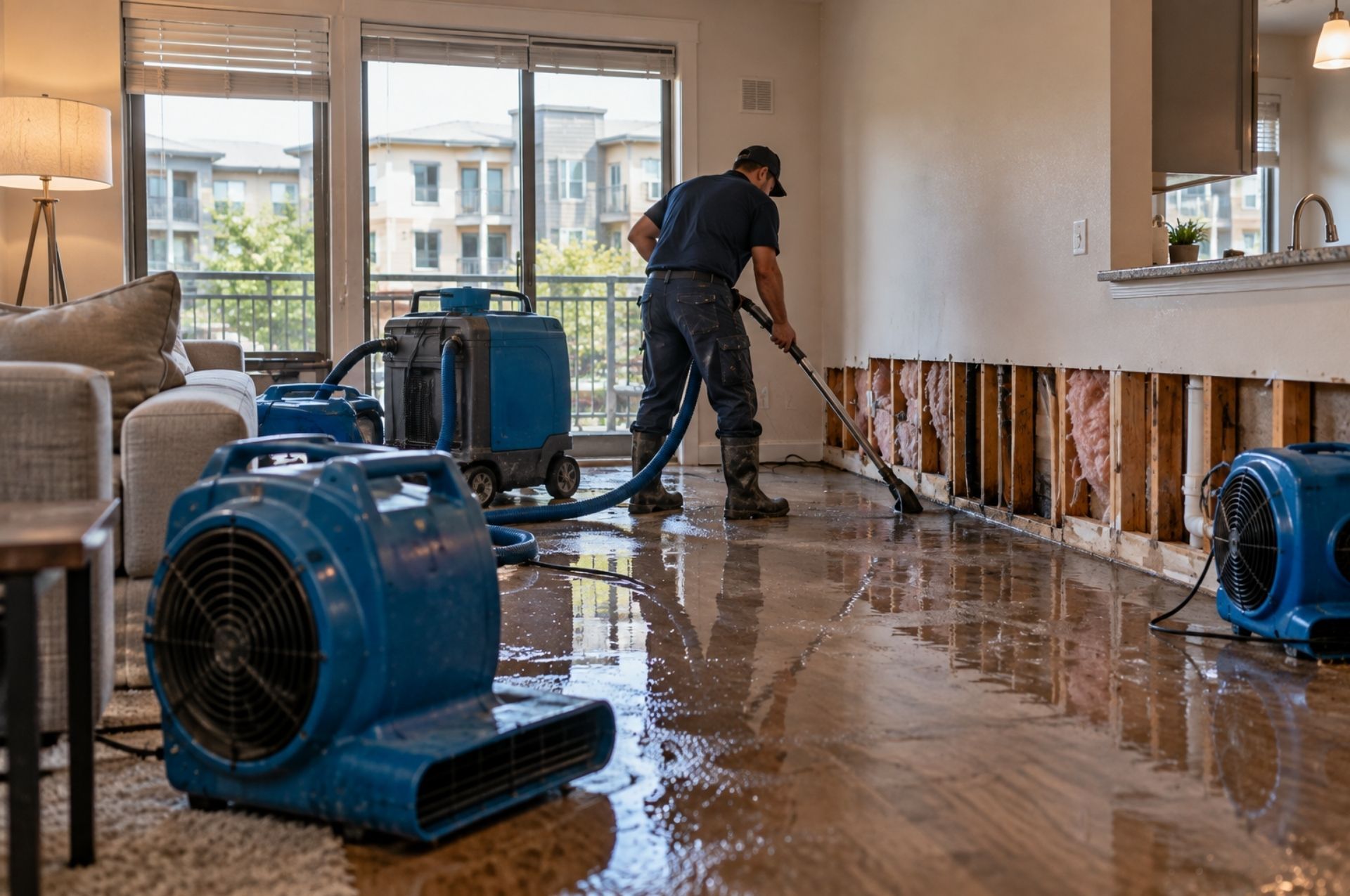
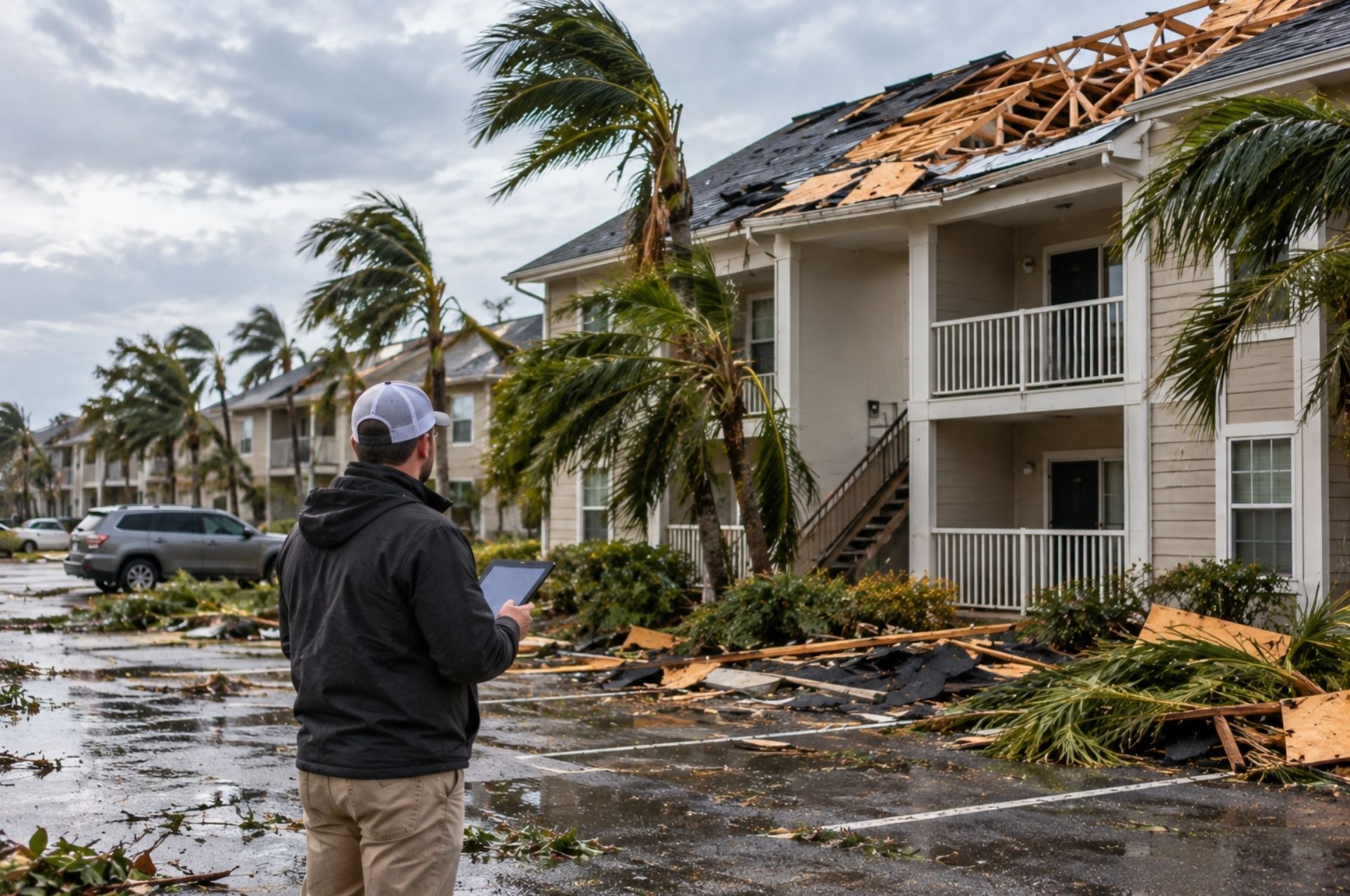
Picture a Connecticut homeowner in West Hartford halfway through a kitchen and rear addition project when a spring storm tears the temporary roof sheathing loose, soaking new framing, stored cabinetry, and the original plaster ceilings below. The question that follows is rarely simple: which policy responds, who purchased it, and does it cover the old house, the new work, or neither? Deciding between renovation insurance and builder's risk in Connecticut is one of the most consequential choices a property owner or contractor makes before the first wall comes down.
The answer depends on the scope of the project, the contract language, lender requirements, and a set of state rules that changed meaningfully in 2026. A mistake at this stage does not show up as an inconvenience; it shows up as a denied claim on a six-figure loss. The sections below explain how these policies work, where they overlap, where they leave dangerous gaps, and how Connecticut owners and builders can structure protection that holds up when something goes wrong.
Understanding Renovation Insurance vs. Builder's Risk in Connecticut
Renovation insurance is a broad, informal term that usually refers to a homeowners or commercial property policy that has been endorsed or adjusted to account for construction activity. In practice, it often means notifying the existing carrier, adding a renovation endorsement, or purchasing a vacancy or "under renovation" policy when the building will be unoccupied. It is built around the structure that already exists.
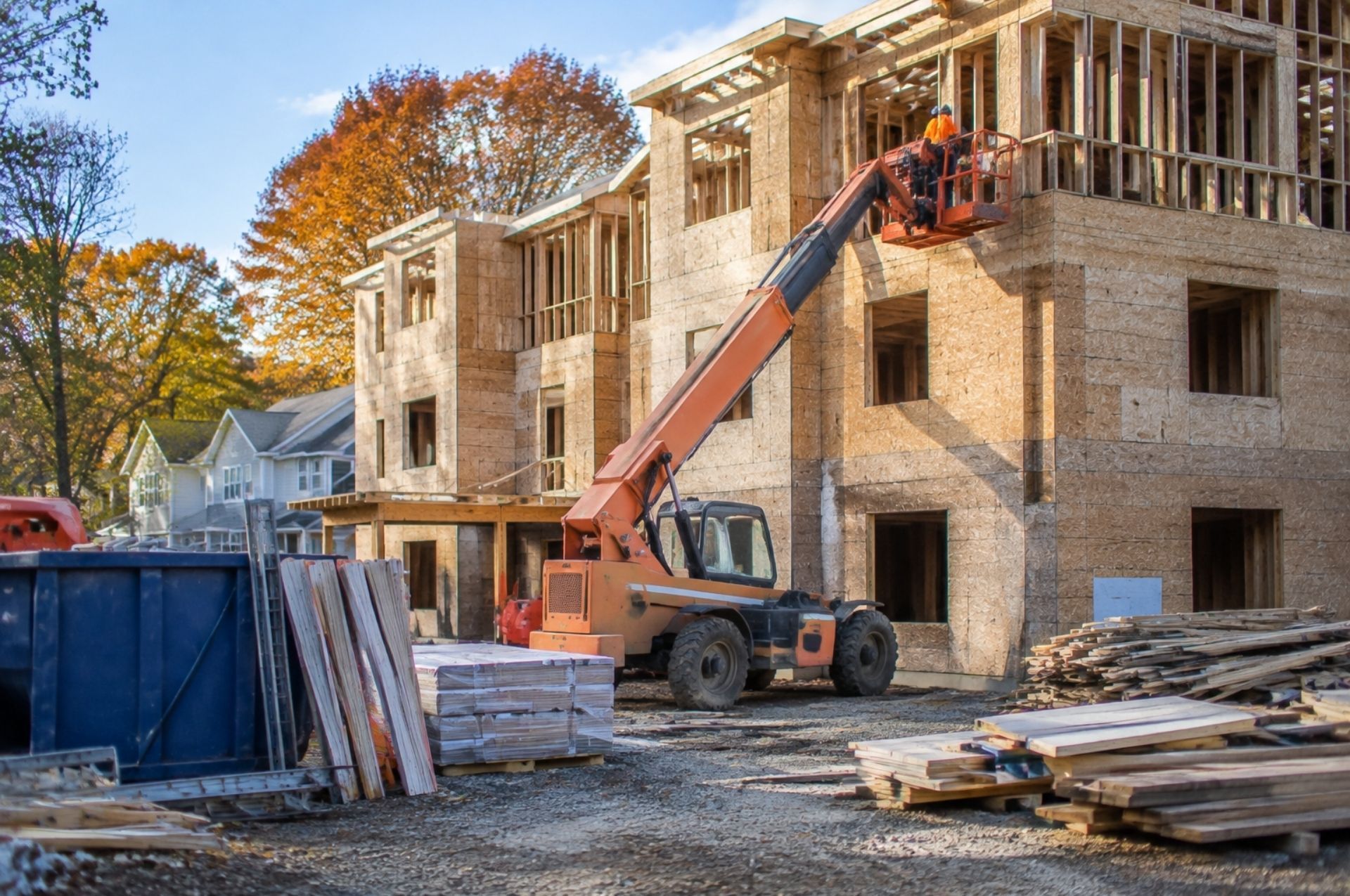
Builder's risk insurance, by contrast, is a specialized property policy designed to cover a building while it is under construction or substantial alteration. It typically protects the project itself: materials on site, materials in transit or temporary storage, framing, installed systems, and work in progress against perils such as fire, wind, theft, and vandalism. The policy usually terminates once the project is completed, accepted, or occupied.
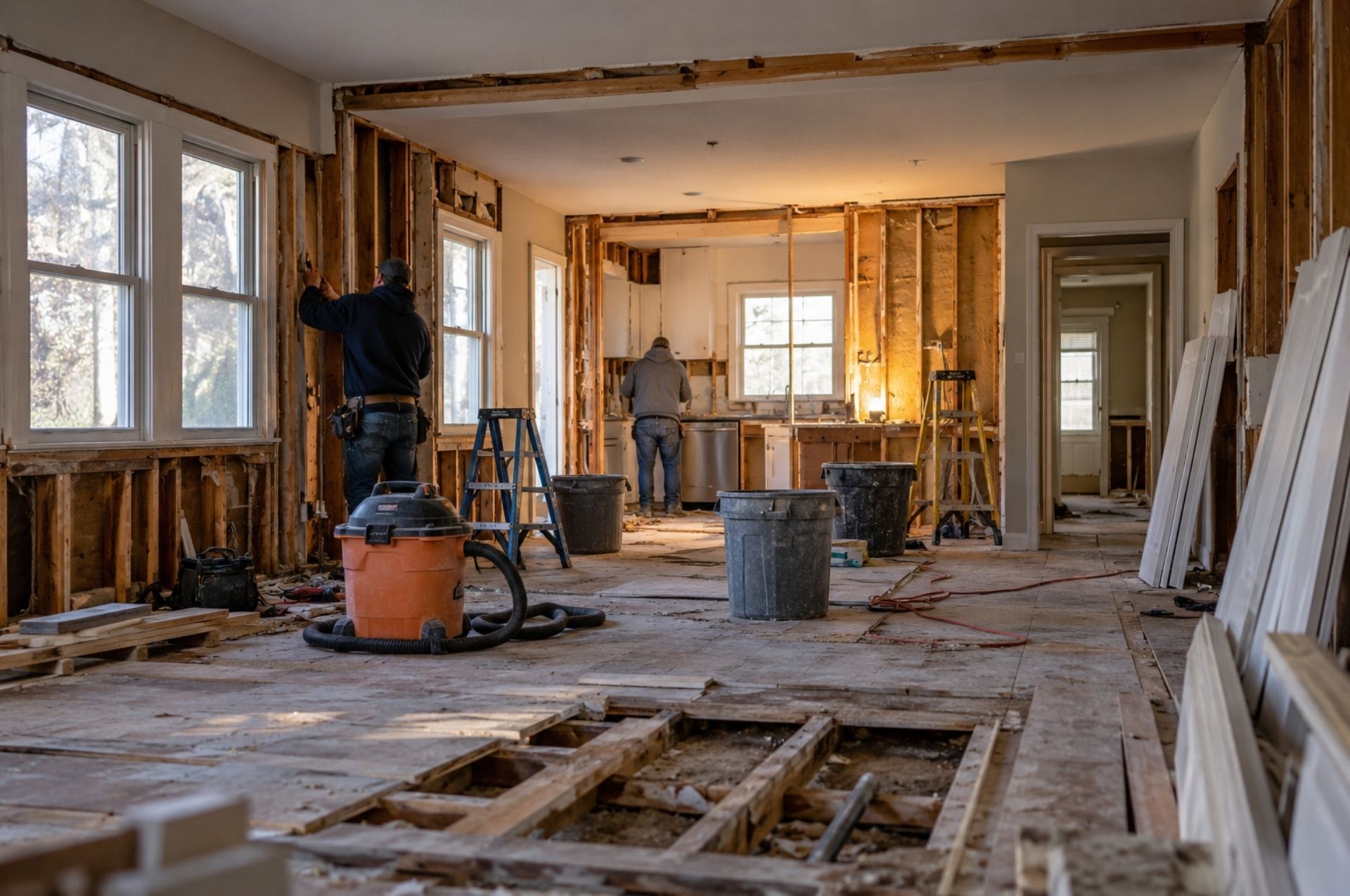
The distinction matters most on larger jobs. In the Connecticut market, when a renovation involves gutting or rebuilding more than 50% of an existing structure, a dedicated builder's risk policy is typically required, because standard homeowners forms may exclude or sharply limit coverage once a building is substantially torn apart. For a cosmetic bathroom update, the existing policy with proper notice may suffice. For a down-to-the-studs renovation of a Victorian in New Haven, it almost certainly will not.
Protecting the Existing Structure and New Work
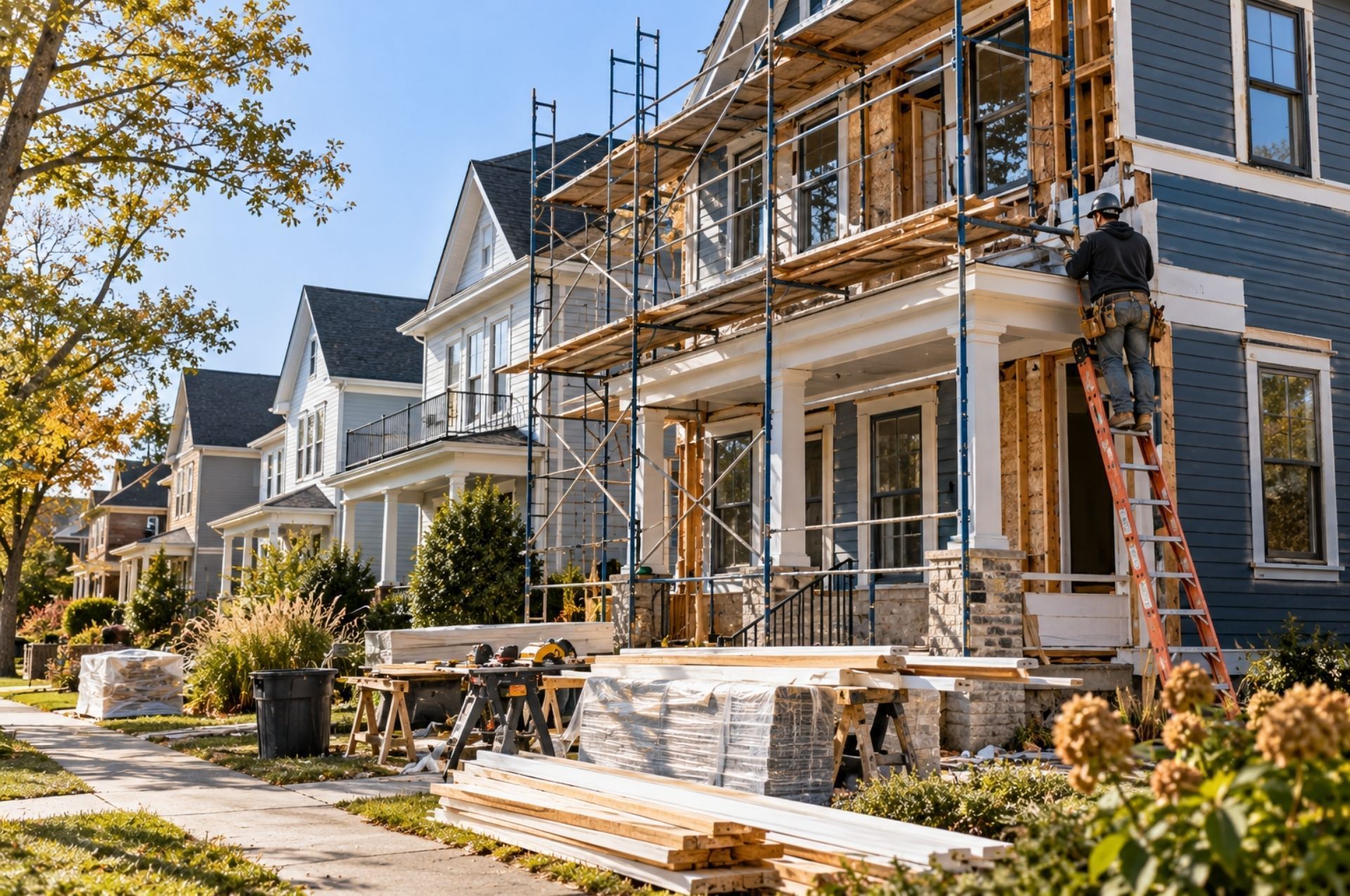
Every renovation project contains two distinct values: what was standing before work began and what is being added or rebuilt. Both are exposed to loss, but insurers frequently treat them under separate rules, and that separation creates the risk.
Why Standard Homeowners Policies Often Fall Short
Homeowners policies are written for occupied, functioning residences, not active job sites. Many forms contain vacancy or unoccupancy clauses that suspend or reduce coverage for certain perils, such as vandalism, glass breakage, or water damage, after a building has been empty for a specified period. Families who move out during a major renovation often trigger these provisions without realizing it.
Other common shortfalls include exclusions for faulty workmanship, limited coverage for building materials not yet installed, and theft provisions that do not apply to unattached materials. A homeowner whose garage holds $40,000 in new windows awaiting installation may discover that the policy treats those items very differently than finished parts of the home. The policy also may not have been rated for the increased fire exposure that comes with torches, temporary wiring, and open walls.
Insuring the Gap Between Old and New Construction
The most expensive gap appears when the existing structure and the new work sit on different valuation bases. Real estate investors have documented this repeatedly: lenders typically require replacement cost coverage for the entire building value, not just the new work, which creates a major shortfall when a policy covers the existing structure only at actual cash value.
Consider a fire that destroys a partially renovated two-family home in Bridgeport. If the builder's risk policy covers only the renovation costs, and the original building is insured at actual cash value after depreciation, the owner may receive far less than the cost of rebuilding. Closing this gap usually requires either a builder's risk form that explicitly includes existing structure coverage or a coordinated pairing of policies with matched valuation terms.
Key Differences: Builder's Risk vs. General Liability
One of the most common client mistakes is assuming that a contractor's general liability policy will pay for damage to the project itself. It generally will not. These two coverages answer entirely different questions.
Builder's risk is first-party property insurance. It pays to repair or replace the building and materials when an insured peril causes physical loss, regardless of who is at fault. If lightning strikes the framing of an addition in Litchfield County, builder's risk responds to rebuild that framing.
General liability is third-party coverage. It responds when the insured is legally responsible for bodily injury or property damage to someone else, such as a neighbor's car crushed by falling debris or a delivery driver injured on site. It typically contains exclusions for damage to "your work" and property in the insured's care, custody, or control, which is precisely the project under construction.
That said, the two policies frequently work together on a single incident. A crane accident might damage the project (builder's risk), the neighboring property (general liability), and injure a worker (workers' compensation). Understanding which policy carries which piece of the loss allows owners and contractors to confirm that every exposure has a designated responder. Market conditions add urgency here: in Connecticut,
liability markets remain constrained due to social inflation and escalating legal defense costs, so contractors should expect tighter underwriting on the liability side.
Comparison of Coverage Types for CT Projects
The following table summarizes how the main policy types typically function on Connecticut renovation and construction projects. Actual terms vary by carrier and endorsement, so this should guide conversations with an agent rather than replace a policy review.
| Feature | Homeowners with Renovation Endorsement | Builder's Risk | Contractor General Liability |
|---|---|---|---|
| Primary purpose | Protects existing home | Protects project under construction | Protects against third-party claims |
| Covers existing structure | Yes, subject to vacancy terms | Only if endorsed | No |
| Covers new work and materials | Limited | Yes | No |
| Materials in transit or storage | Rarely | Often, by endorsement | No |
| Soft costs (fees, interest) | No | By endorsement | No |
| Injuries to visitors or neighbors | Limited personal liability | No | Yes |
| Best suited for | Minor, occupied remodels | Major renovations and additions | All contractors on site |
| Typical purchaser | Property owner | Owner or general contractor | Contractor |
The pattern is clear: no single policy covers everything. A well-structured project usually combines at least two of these, with the contract specifying who carries each one.
Who is Responsible for Buying the Policy?
Responsibility for purchasing builder's risk is not dictated by a universal rule. It is assigned by contract, shaped by lender demands, and increasingly influenced by Connecticut statute.
Property Owners vs. General Contractors
On residential renovations, the property owner often purchases builder's risk, particularly when a construction loan is involved and the lender wants to control the policy and be named as loss payee. Owner-purchased coverage also preserves continuity if the owner replaces the contractor mid-project, which happens more often than most people expect.
On larger commercial projects and many custom homes, the general contractor frequently purchases the policy and builds the premium into the contract price. This arrangement allows the contractor to maintain consistent terms across projects and to manage claims directly. The risk for owners is assuming that coverage exists without seeing proof. Owners should request a certificate of insurance, confirm that they are named as an insured, and verify that the limit reflects the full completed value.
Contractual Obligations and CT State Requirements
Connecticut tightened the rules for home improvement work in 2026. Under HB 05263, the General Assembly modified home improvement contract terms and requires contractors to maintain additional insurance types as prescribed by the Commissioner. Contractors should monitor guidance from the Department of Consumer Protection to confirm which policies apply to their registration.
The same legislation prohibits contractors from offering to pay, waive, or rebate a homeowner's insurance deductible as an inducement to sign a contract. This affects roofing and storm restoration work most directly, where deductible-waiver pitches were once common. Owners should treat any such offer as a warning sign.
Common Coverage Gaps and How to Avoid Them
Most denied construction claims do not involve exotic perils; they involve ordinary losses that fall between policies or exceed sublimits. The gaps below appear repeatedly on Connecticut projects:
- Soft cost underinsurance: Architectural fees, permit costs, and loan interest typically account for 15% to 30% of total project costs. If a fire delays completion by six months, those carrying costs continue, and a policy without a soft cost endorsement will not reimburse them.
- Valuation mismatches: Insuring the existing structure at actual cash value while lenders expect replacement cost, as described earlier, leaves owners funding the difference.
- Policy expiration before completion: Builder's risk policies carry fixed terms. Projects that run late, which is common during winter in northern Connecticut, can lose coverage unless an extension is purchased before expiration.
- Occupancy triggers: Moving back into part of the home or beginning to use a commercial space may end builder's risk coverage early, before the homeowners or commercial property policy is properly adjusted.
- Water and flood exclusions: Standard builder's risk forms often exclude flood, which matters for shoreline properties in Fairfield and New London counties.
Avoiding these gaps requires a timeline review at the start of the project, matching policy dates and valuations to the construction schedule and lender requirements. Owners can also benefit from a new consumer protection: under Bulletin PC-94-26, insurers must provide a reasonable explanation for premium increases within 20 business days of a policyholder's request, which helps owners understand renewal pricing after a renovation changes the home's value.
Theft of Materials and Transit Coverage
Theft is one of the most frequent builder's risk claims, and copper wiring, appliances, lumber, and tools are common targets on unsecured sites. Many policies require evidence of forced entry, restrict coverage for materials left outside, or exclude contractor tools entirely, which belong under a separate inland marine or tools and equipment policy.
Transit and off-site storage present another blind spot. Custom millwork stored at a fabricator's shop in Waterbury or windows held at a supplier's warehouse may not be covered unless the policy includes transit and temporary storage extensions. Contractors should document delivery dates, secure materials in locked containers, and confirm sublimits for off-site property before ordering high-value items.
Frequently Asked Questions About Renovation Insurance
Do I need builder's risk insurance for a small remodel in Connecticut? Usually not, provided the home remains occupied and the existing carrier has been notified. Larger projects, especially those that gut most of the structure, generally require a dedicated builder's risk policy.
Will my homeowners insurance cover my renovation? It may cover the existing house, but often with limits on unattached materials, vacancy, and construction-related damage. Calling the carrier before work begins is the only way to know for certain.
Can my contractor's insurance cover damage to my house? A contractor's general liability policy covers damage the contractor causes to other property, but it typically excludes the work itself. That is why builder's risk exists.
What happens if my project runs past the policy end date? Coverage can lapse, leaving the project uninsured. Request an extension from the carrier before the expiration date rather than after a loss.
Can a contractor offer to cover my insurance deductible? Not anymore. Connecticut law now prohibits contractors from paying, waiving, or rebating a homeowner's deductible to win a contract.
Is builder's risk getting more expensive in Connecticut?
Property pricing has been stabilizing, while liability coverage remains more costly. The state is experiencing a
two-speed insurance market in which commercial property premiums have softened but general liability and auto remain hard.
Making the Right Choice for Your Property
The right structure depends on project scope, occupancy, financing, and contract terms. Minor remodels in occupied homes can often rely on an endorsed homeowners policy, while substantial renovations, additions, and gut rehabs call for builder's risk with existing structure coverage, soft cost protection, and terms that match the construction schedule. Contractors must carry their own liability coverage and keep pace with the additional insurance obligations introduced under Connecticut's 2026 home improvement reforms.
Before signing a contract, owners and builders should put the insurance allocation in writing, exchange certificates, and confirm that valuations satisfy any lender. A short review with an experienced Connecticut agent at the planning stage costs little compared with discovering a coverage gap after a fire, a theft, or a storm. The goal is straightforward: every dollar of value on the site, old and new, should have a policy prepared to answer for it.
Recent posts