Water Damage Insurance for Apartments and Rentals
See How We're Different
or call us: (888) 585-5188
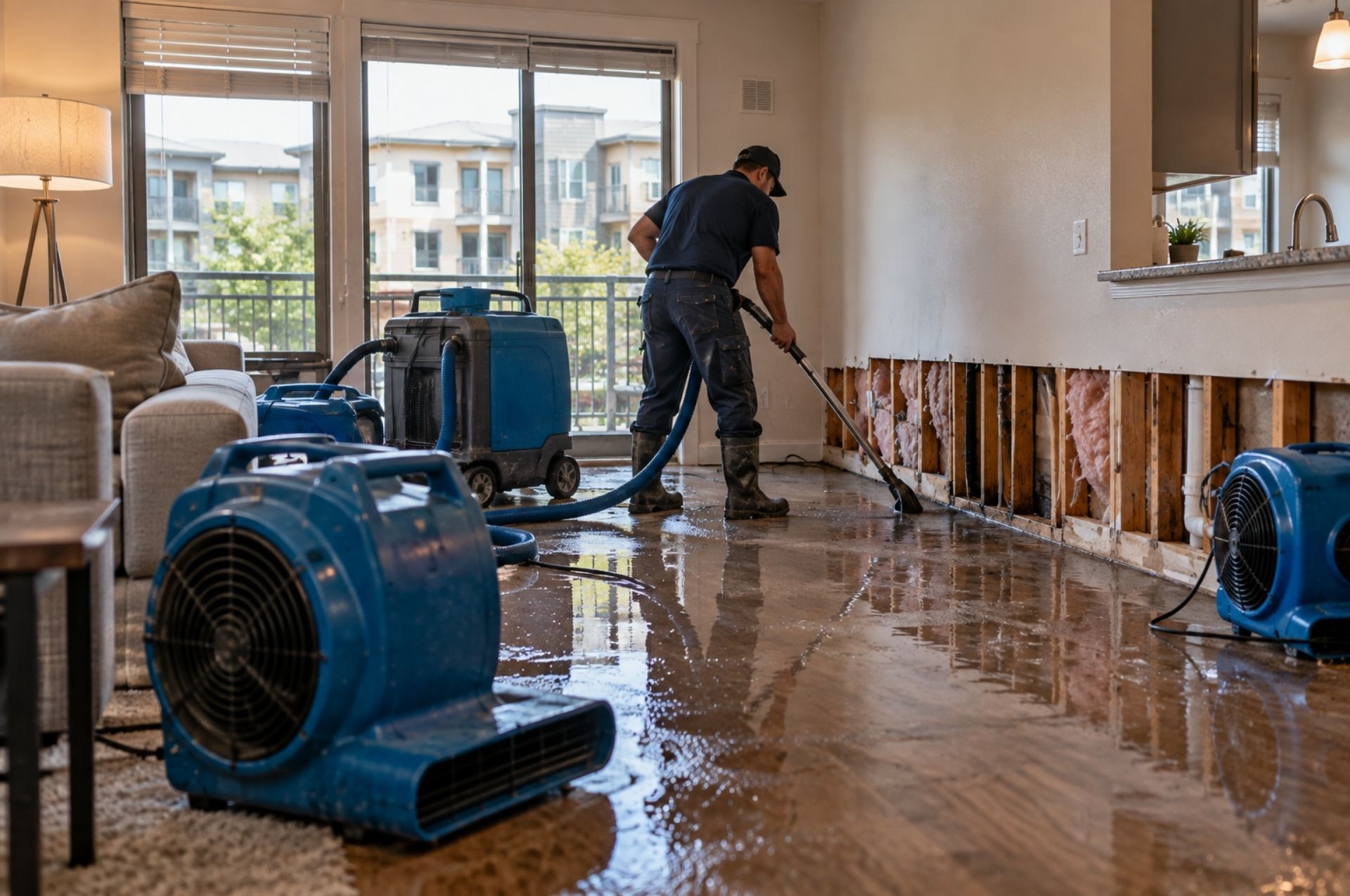
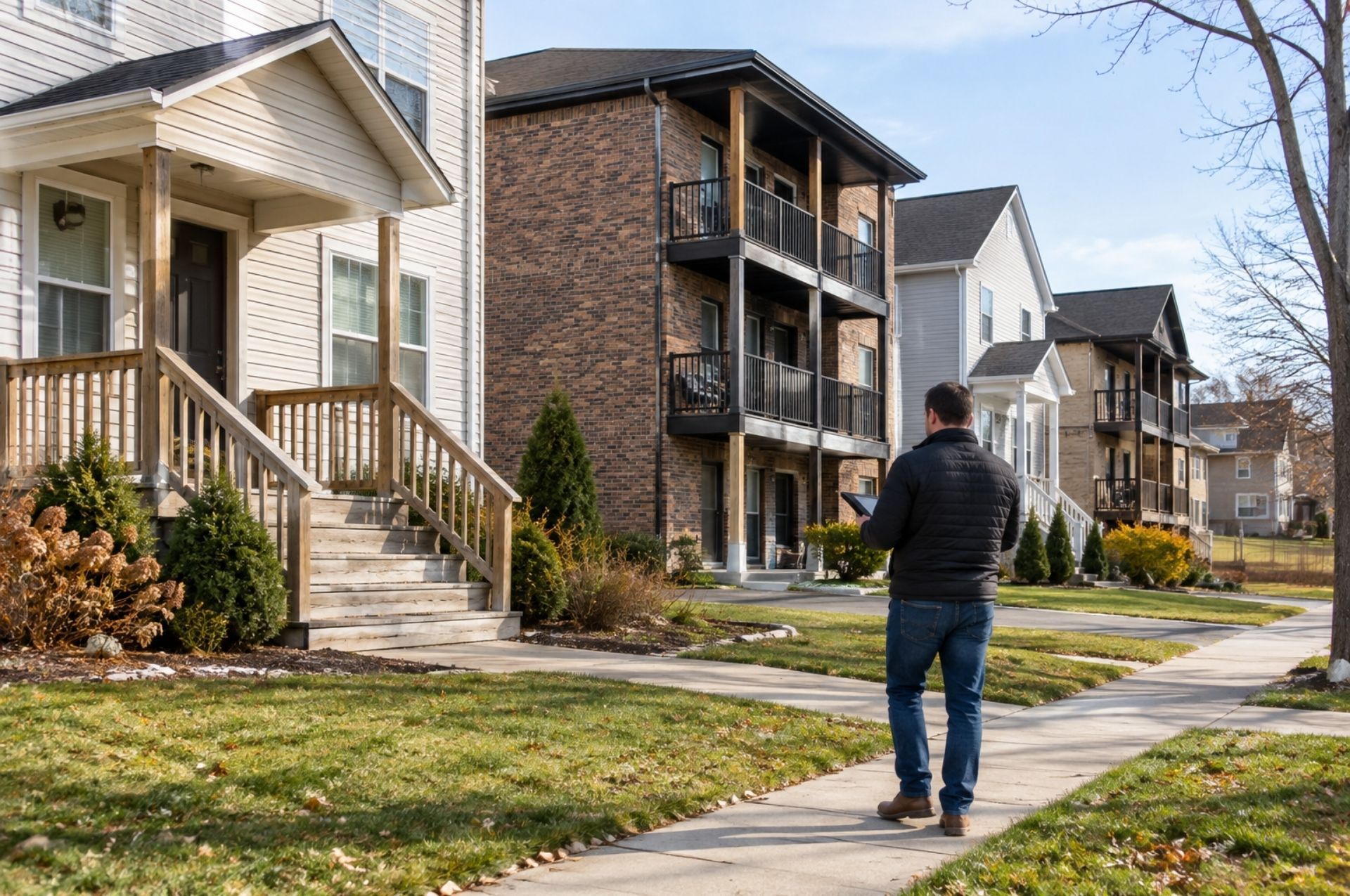
A burst pipe at 2 a.m., a sewer line backing up into the kitchen, or mold creeping behind drywall after weeks of unnoticed moisture: these are not hypothetical scenarios for apartment residents. Roughly 1 in 60 insured properties files a water damage claim each year, and water damage along with freezing ranks as the second most common property insurance claim category, trailing only wind and hail. For renters and landlords alike, understanding how insurance handles burst pipes, sewer backup, mold, tenant-caused damage, and deductibles is not optional: it is a financial necessity. The stakes are high because only 55% to 57% of renters carry active insurance, leaving a significant portion of the renting population fully exposed to losses that can reach thousands of dollars in a single incident. Whether the concern is a frozen pipe in a third-floor unit or gradual mold growth behind a bathroom wall, the right coverage can mean the difference between a manageable inconvenience and a devastating financial setback.
Understanding Water Damage Coverage in Rental Agreements
Water damage coverage in rental properties is not a single, uniform protection. Policies distinguish sharply between different causes, timelines, and responsible parties. A standard renters insurance policy typically covers sudden and accidental water damage, such as a pipe that bursts without warning, but it will often exclude damage that develops slowly over time. The distinction matters because it determines whether a claim gets paid or denied outright.
Lease agreements also play a role. Many landlords now require proof of renters insurance before handing over keys, and some use automated platforms to track insurance compliance and confirm they are listed as an additional insured party. This means the insurance question is not something renters can afford to ignore during the lease-signing process.
The Difference Between Sudden and Gradual Damage
A pipe that freezes overnight and bursts, sending water across a living room floor, qualifies as sudden and accidental damage under virtually every standard renters policy. The insurer treats this as an unforeseeable event, and the claim proceeds through normal channels. Gradual damage, on the other hand, tells a different story. If a slow leak under the bathroom sink has been dripping for months and the tenant never reported it, the insurer will likely classify the resulting water damage and mold as a maintenance issue, not a covered peril.
The practical test most adjusters apply is straightforward: could the policyholder have reasonably known about the problem and failed to act? If the answer is yes, expect a denial. This is why documenting the condition of plumbing fixtures at move-in and reporting even minor leaks immediately to the landlord can protect a renter's ability to file a successful claim later.
Landlord vs. Renter Responsibilities
The landlord's property insurance covers the building structure itself: walls, floors, plumbing systems, and permanently installed fixtures. It does not extend to a tenant's personal belongings. If a pipe bursts inside a wall and destroys a renter's furniture, the landlord's policy pays to repair the wall, and the renter's policy pays to replace the furniture. Without renters insurance, the tenant absorbs that loss entirely.
Landlords bear responsibility for maintaining the building's plumbing, roof, and structural integrity. Renters are responsible for reporting problems promptly and for damage caused by their own negligence, such as leaving a window open during a storm or failing to mention a dripping faucet for weeks. This division of responsibility is central to how claims are assigned and paid.
Essential Coverage Types for Apartment Dwellers
A well-structured renters insurance policy addresses water damage through several distinct coverage components. Each one protects against a different type of financial loss, and understanding what each does helps renters avoid gaps that only become apparent after a disaster.
Personal Property Protection
Personal property coverage reimburses the policyholder for belongings damaged or destroyed by a covered peril. If a burst pipe soaks a laptop, clothing, and a bookshelf, this is the portion of the policy that pays. Most policies offer either actual cash value, which factors in depreciation, or replacement cost, which pays the current price of a comparable new item. Replacement cost coverage costs slightly more in monthly premiums but prevents the unpleasant surprise of receiving a fraction of what it costs to actually replace damaged items.
Loss of Use and Temporary Relocation
If water damage renders an apartment uninhabitable, loss of use coverage pays for additional living expenses while the unit is being repaired. This can include hotel stays, restaurant meals above normal food costs, and even laundry expenses. The coverage typically applies for a reasonable period until the apartment is restored to livable condition. For renters living in areas prone to pipe freezing or older buildings with aging plumbing, this coverage component can prevent a water emergency from becoming a financial crisis.
Personal Liability for Accidental Overflows
Liability coverage protects the policyholder if they accidentally cause water damage to someone else's property. A bathtub left running that floods the unit below, or a washing machine hose that detaches and sends water into the hallway: these scenarios trigger the liability portion of the policy. It covers the cost of repairing the landlord's property and any damage to neighboring tenants' belongings, up to the policy limit. Most standard renters policies include $100,000 in liability coverage, though higher limits are available for a modest increase in premium (https://www.viubyhub.com/personal-insurance-blog/2026/04/how-much-renters-insurance-do-i-need).
Comparison: Standard Renters Policy vs. Water Backup Endorsements
The gap between what a standard renters policy covers and what renters assume it covers is where most claim denials originate. Standard policies handle sudden, accidental water damage well but leave significant exposure for sewer backups, sump pump failures, and drain overflows. A water backup endorsement closes this gap for a relatively small additional cost, usually between $30 and $70 per year depending on the insurer and location (https://www.realcostreport.com/insurance/home-insurance/water-backup-coverage/).
Coverage Comparison Table
| Scenario | Standard Renters Policy | With Water Backup Endorsement |
|---|---|---|
| Burst pipe (sudden) | Covered | Covered |
| Sewer line backup | Not covered | Covered |
| Sump pump overflow | Not covered | Covered |
| Drain backup into unit | Not covered | Covered |
| Mold from covered event | Limited coverage | Limited coverage |
| Flooding from external water | Not covered (requires separate flood policy) | Not covered |
| Tenant negligence (e.g., left faucet on) | Liability covers damage to others; personal property may be excluded | Same as standard |
The table makes one thing clear: renters who live in basement or ground-floor apartments, or in buildings with older sewer infrastructure, should treat the water backup endorsement as essential rather than optional.
Common Exclusions and How to Bridge the Gaps
Every renters policy contains exclusions, and water-related exclusions are among the most consequential. Knowing where the gaps exist is the first step toward closing them.
Why You Might Need Separate Flood Insurance
Standard renters insurance and water backup endorsements do not cover flooding caused by external water sources, such as rising rivers, storm surge, or overwhelmed municipal drainage systems. Flood insurance is a separate policy, typically purchased through the National Flood Insurance Program or a private insurer. Renters in FEMA-designated flood zones should treat this as a required purchase, not an optional one. Even renters outside high-risk zones face some flood exposure, as roughly 25% of flood claims historically come from properties in moderate- or low-risk areas.
Addressing Negligence and Maintenance Issues
If an insurer determines that water damage resulted from a tenant's failure to maintain a reasonable standard of care, the claim will likely be denied. Examples include ignoring a known leak for weeks, failing to keep the apartment heated during freezing temperatures when the lease requires it, or blocking a drain with debris. The best protection against a negligence-based denial is a paper trail: written maintenance requests to the landlord, photos of plumbing issues when they first appear, and records of any communication about building conditions.
How to File a Successful Water Damage Claim
Filing a water damage claim successfully depends heavily on what happens in the first 24 to 48 hours after the damage occurs. Insurers expect policyholders to act quickly, document thoroughly, and take reasonable steps to prevent additional loss.
Documenting the Evidence
Before cleaning up or discarding anything, photograph and video every affected area and item. Capture wide shots of the room and close-ups of individual damaged belongings. Save receipts for any items that were damaged, and create a written inventory with estimated values. If the water source is visible, photograph it as well: a burst pipe connection, a backed-up drain, or water entering from a ceiling. This documentation forms the backbone of the claim and gives the adjuster the evidence needed to process payment.
Mitigating Further Loss
Every renters insurance policy includes a duty to mitigate, meaning the policyholder must take reasonable steps to prevent additional damage after the initial event. This can include shutting off the water supply, moving undamaged belongings to a dry area, placing towels or buckets to catch ongoing drips, and running fans or a dehumidifier to reduce moisture. Failing to mitigate can give the insurer grounds to reduce or deny the portion of the claim attributable to the additional damage. Keep receipts for any emergency supplies purchased during mitigation, as these costs are often reimbursable under the policy.
Frequently Asked Questions About Water Damage
Does my insurance cover damage if my neighbor's tub overflows into my unit?
Yes. Personal property coverage on a renters policy pays for belongings damaged by water from a neighboring unit, regardless of who caused the overflow. The insurer may then pursue reimbursement from the neighbor's liability coverage through a process called subrogation.
Will my policy pay for a hotel if my apartment is flooded?
If the flooding results from a covered peril, the loss of use portion of the policy covers additional living expenses, including hotel stays and meals that exceed normal daily costs. The coverage applies until the apartment is habitable again or until the policy's sub-limit is reached.
Does renters insurance cover damage from a leaking roof?
If a storm damages the roof and water enters the unit, the resulting damage to personal property is generally covered. The landlord's policy covers the structural roof repair. If the roof has been leaking for months due to deferred maintenance, the renter's claim may face scrutiny, as the insurer could classify the loss as gradual rather than sudden.
Am I covered if a sewer pipe backs up into my kitchen?
Standard renters policies typically exclude sewer backup damage. A water backup endorsement, which costs a small monthly fee added to the base policy, extends coverage to include sewer and drain backups. Without this endorsement, the full cost of cleanup and replacement falls on the tenant.
What happens if I accidentally leave the sink running and flood the floor?
The liability portion of the policy protects the policyholder against claims for damage to the landlord's property or a neighbor's belongings. Personal property damaged by the policyholder's own negligence, however, may not be covered depending on the specific policy language. Reviewing the policy's negligence provisions before a loss occurs is the safest approach.
The Bottom Line on Protecting Your Rental
Water damage insurance for apartment and rental properties covers a broad spectrum of risks, from burst pipes and sewer backups to mold and tenant-caused incidents. The deductible, which typically ranges from $250 to $1,000 on a renters policy, is the out-of-pocket cost before coverage begins, and choosing a higher deductible lowers the monthly premium but increases exposure during a claim (https://zolve.com/blog/how-much-is-renters-insurance-in-the-us/). The growing population of renters over age 40 represents a segment increasingly aware of these tradeoffs, and insurers are responding with more tailored products.
The most important step any renter can take is to read the policy declarations page, understand the exclusions, and add endorsements where gaps exist. A water backup endorsement, adequate personal property limits, and a clear understanding of the deductible structure provide a solid foundation. Renters who document their belongings, report maintenance issues promptly, and know how to file a claim effectively will recover faster and with far less financial strain when water damage strikes. Do not wait for a flooded apartment to discover what the policy actually covers: review coverage today and make adjustments while everything is still dry.
Recent posts