Blanket Versus Scheduled Property Coverage for Real Estate Investors: Shared Limits, Catastrophe Exposure, Coinsurance, and Portfolio Growth
See How We're Different
or call us: (888) 585-5188
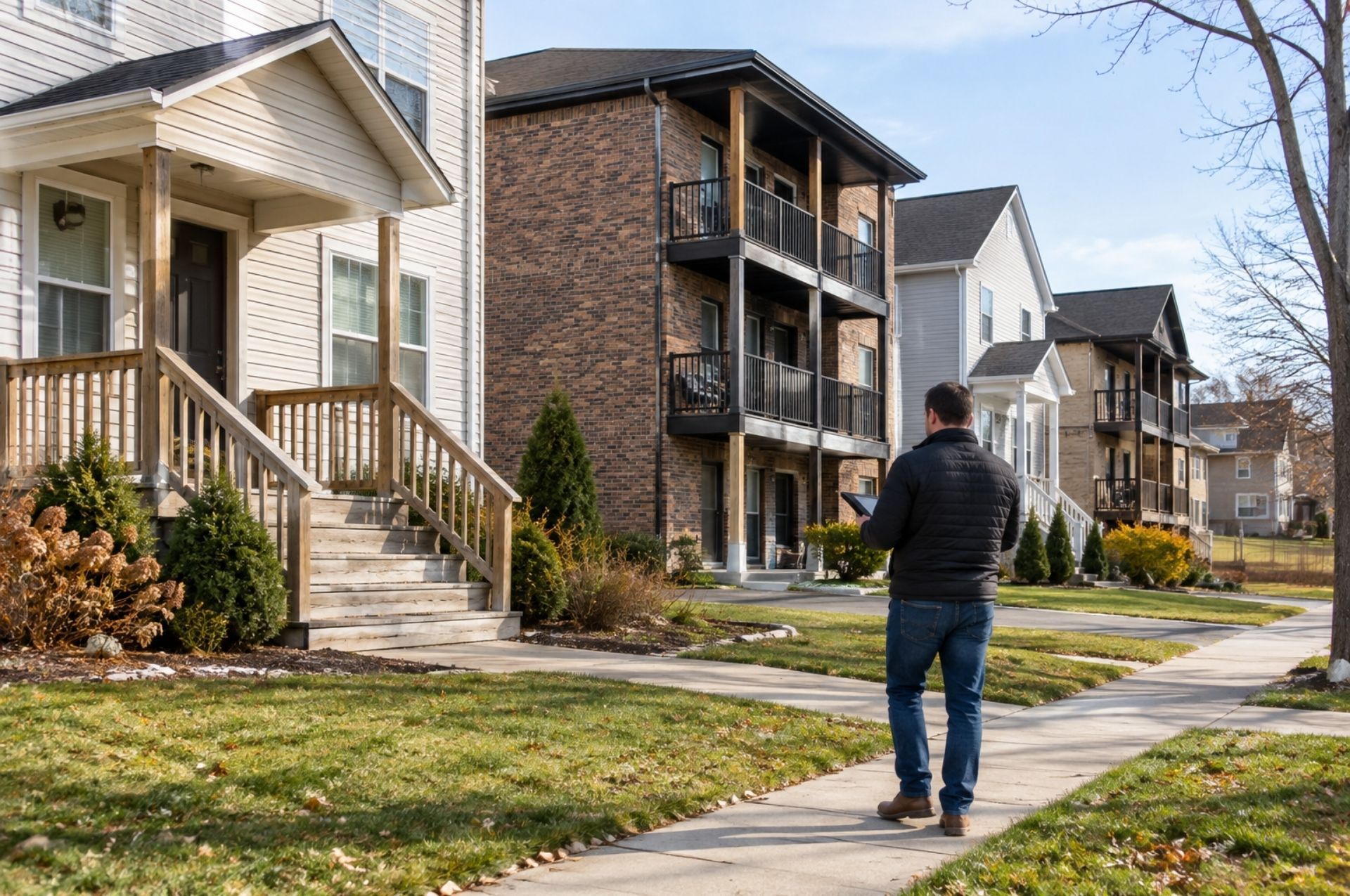
Real estate investors with growing portfolios face a fundamental decision about how their properties are insured: whether to group assets under a single blanket limit or list each one individually on a scheduled basis. The choice between blanket and scheduled property coverage shapes everything from coinsurance obligations to how well a portfolio can absorb a catastrophic loss event. Getting this decision wrong can mean paying penalties at claim time, carrying gaps in protection, or spending far more on premiums than necessary.
The current insurance market makes this decision even more consequential. Commercial property insurance rates fell by 13% in Q2 2026, driven by a surplus of capacity where roughly 75% of accounts saw price decreases. That softening creates an opportunity for investors to restructure their programs, but only if they understand the trade-offs between shared limits, catastrophe exposure, coinsurance mechanics, and the flexibility each structure offers as portfolios expand. This article breaks down those trade-offs in practical terms, with specific attention to how each approach performs under real loss scenarios and rapid growth conditions.
Understanding Blanket vs. Scheduled Coverage Basics
The structural difference between blanket and scheduled coverage is straightforward in concept but carries significant implications for claim settlements, premium calculations, and administrative burden. Both approaches can protect the same underlying assets, yet they allocate limits, assign values, and respond to losses in fundamentally different ways. Investors who understand these mechanics are better positioned to negotiate favorable terms, especially during the current soft market cycle where buyers hold more bargaining power.
Defining Blanket Limits for Multiple Properties
A blanket policy assigns one total limit of insurance across an entire group of properties rather than attaching a specific dollar amount to each building. If an investor owns ten apartment buildings collectively valued at $20 million, a blanket policy might carry a single $20 million limit that applies to any combination of losses across the portfolio. The primary advantage is flexibility: a loss at one property can draw on the full limit without being capped by a per-location amount.
This structure also simplifies administration. There is no need to report exact values for each property at inception, and minor fluctuations in individual building values do not trigger coverage gaps. The trade-off is that a blanket limit is a shared resource, meaning a large loss at one location reduces the limit available for simultaneous losses elsewhere.
How Scheduled Property Lists Work
Scheduled coverage takes the opposite approach by assigning a specific insured value to each property on a detailed list, or "schedule." That $20 million portfolio might appear as ten separate line items, each with its own stated amount. The insurer pays up to the scheduled value for any given property, regardless of what happens at other locations.
This per-property specificity gives underwriters clearer risk profiles, which can translate to more competitive pricing on lower-hazard buildings. It also means that a total loss at one location does not consume limits that other properties might need. The downside is rigidity: every acquisition, disposition, or renovation requires a formal policy endorsement to update the schedule, and any property left off the list has no coverage at all.
Comparison Chart: Blanket vs. Scheduled Structures
| Feature | Blanket Coverage | Scheduled Coverage |
|---|---|---|
| Limit Structure | Single shared limit across all properties | Individual limit per property |
| Coinsurance Risk | Applies to aggregate portfolio value | Applies per scheduled location |
| Adding New Properties | Often automatic within reporting periods | Requires endorsement for each addition |
| Catastrophe Exposure | Shared limit can be depleted by one large loss | Each property has its own protected amount |
| Premium Basis | Total insured values, often with margin clause | Sum of individual scheduled values |
| Administrative Burden | Lower: fewer endorsements needed | Higher: schedule must stay current |
| Best Suited For | Portfolios with similar property types and values | Mixed portfolios with varied risk profiles |
The Impact of Shared Limits and Catastrophe Exposure
Shared limits represent both the greatest strength and the most significant vulnerability of blanket coverage. A single catastrophic event, or even two moderate losses occurring simultaneously, can test the adequacy of a blanket limit in ways that scheduled coverage never would. Investors with properties concentrated in specific geographic areas need to pay particular attention to how shared limits distribute risk across a portfolio, because a hurricane, wildfire, or flood does not respect the boundaries between insured locations.
Managing Risk in High-Hazard Zones
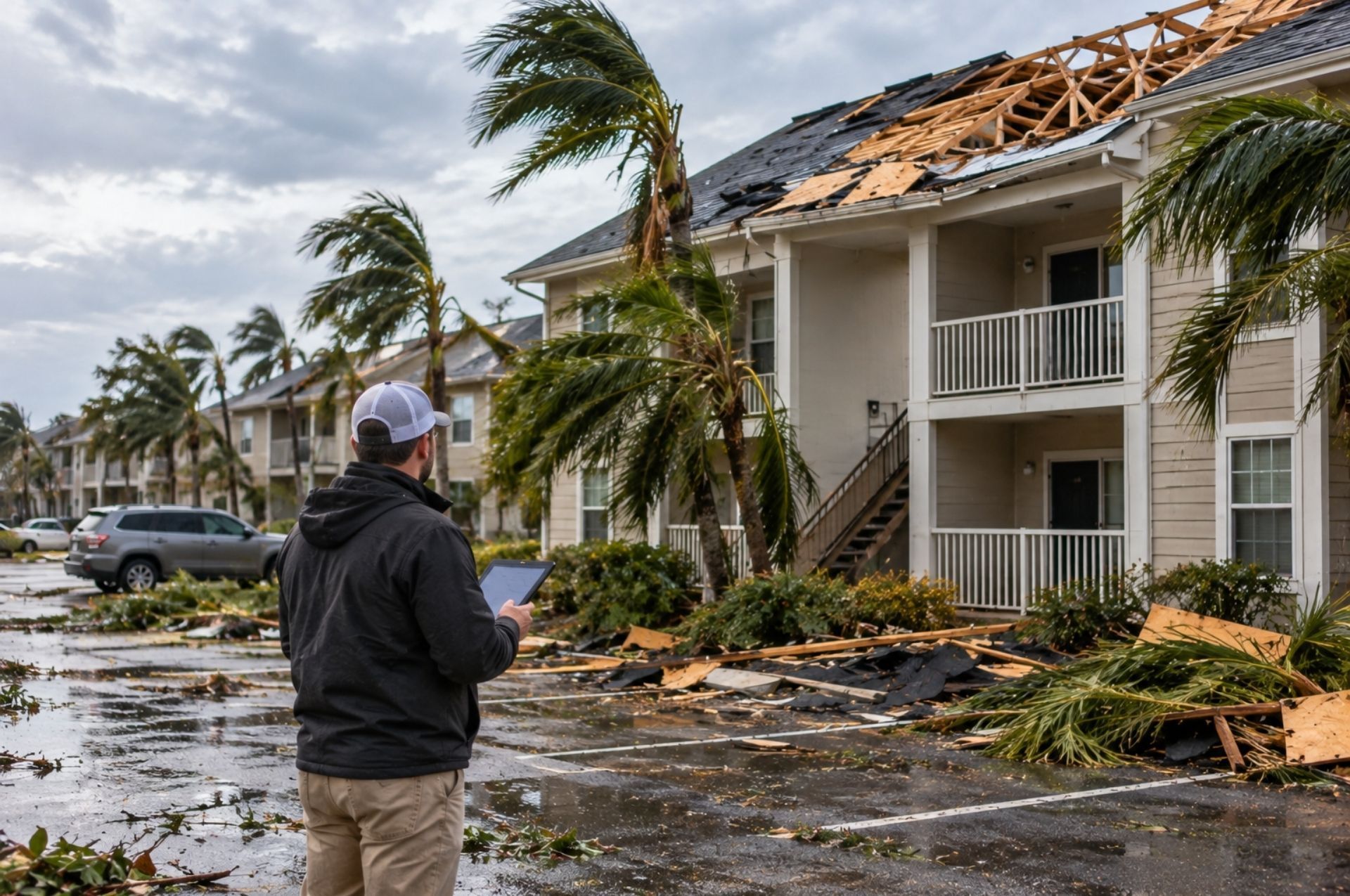
Investors holding multiple properties within the same windstorm zone, earthquake fault area, or wildland-urban interface face a specific problem under blanket coverage: a single catastrophe can damage several properties at once, and all of those claims draw from the same pool of coverage. Consider an investor with five coastal properties in Florida valued at $3 million each under a $15 million blanket limit. A Category 4 hurricane that damages all five buildings simultaneously could exhaust the entire limit, leaving nothing for contents, business income, or debris removal costs.
Scheduled coverage isolates this risk by capping each property at its own stated value. That said, the total premium for scheduled coverage in high-hazard zones is often higher because underwriters price each location individually based on its specific exposure. Many investors address this tension by carrying blanket coverage with a per-occurrence sublimit or by purchasing separate catastrophe excess policies that sit above the blanket layer.
Margin Clauses and Loss Limits
Most blanket policies include a margin clause, sometimes called a cushion clause, that automatically increases the covered value at any single location by a stated percentage, typically 110% to 125% of the last reported value. This provision protects against minor undervaluation without requiring constant appraisals. If a property was last reported at $2 million and the margin clause is 120%, coverage at that location extends to $2.4 million even if the blanket limit is adequate overall.
Margin clauses do not eliminate the need for accurate reporting, however. They function as a buffer, not a substitute for proper valuations. Investors who rely too heavily on margin clauses while property values rise sharply may still face coinsurance penalties, a topic addressed in the next section.
Coinsurance and Valuation Accuracy
Coinsurance clauses penalize policyholders who insure their properties for less than a specified percentage of actual value, typically 80%, 90%, or 100%. The penalty reduces the claim payment proportionally, meaning an investor who insures a $5 million building for only $3 million under a 90% coinsurance clause would collect significantly less than the full loss amount even on a partial claim. This mechanism exists because insurers price premiums based on reported values, and underinsurance shifts risk back to the policyholder without a corresponding premium reduction.
Avoiding Penalties with Agreed Value Provisions
The most effective way to eliminate coinsurance penalties is through an agreed value endorsement, which suspends the coinsurance clause for the policy period in exchange for the insured submitting a signed statement of values. Under this arrangement, the insurer and policyholder agree on property values at inception, and no coinsurance penalty applies as long as the insured carries coverage equal to or exceeding the agreed amount.
Agreed value provisions are available under both blanket and scheduled structures, but they function differently. On a blanket policy, the agreed value applies to the total insured portfolio. On a scheduled policy, it applies per location. Investors should request agreed value endorsements whenever possible, as the cost is minimal relative to the protection against claim-time penalties. Insurance professionals who handle commercial property programs for real estate investors consistently recommend this endorsement as a standard part of any placement.
The Risk of Underinsurance in a Rising Market
Construction costs and property values have risen significantly over the past several years, and many investors carry insured values that lag behind replacement cost reality. A building insured at its 2022 replacement cost may be 15% to 25% undervalued by 2026 standards, depending on the region and construction type. Under a coinsurance clause, that gap directly reduces claim payments.
Blanket policies offer some natural protection here because the aggregate limit may absorb individual property undervaluations if other properties in the portfolio are adequately valued. Scheduled policies offer no such cross-subsidy: each property stands on its own. Investors should update appraisals at least every three years and use construction cost indices annually to adjust reported values between appraisal cycles. The relationship between rising property values and insurance adequacy is one of the most common sources of claim disputes in
commercial real estate.
Scaling Your Portfolio with Flexible Coverage
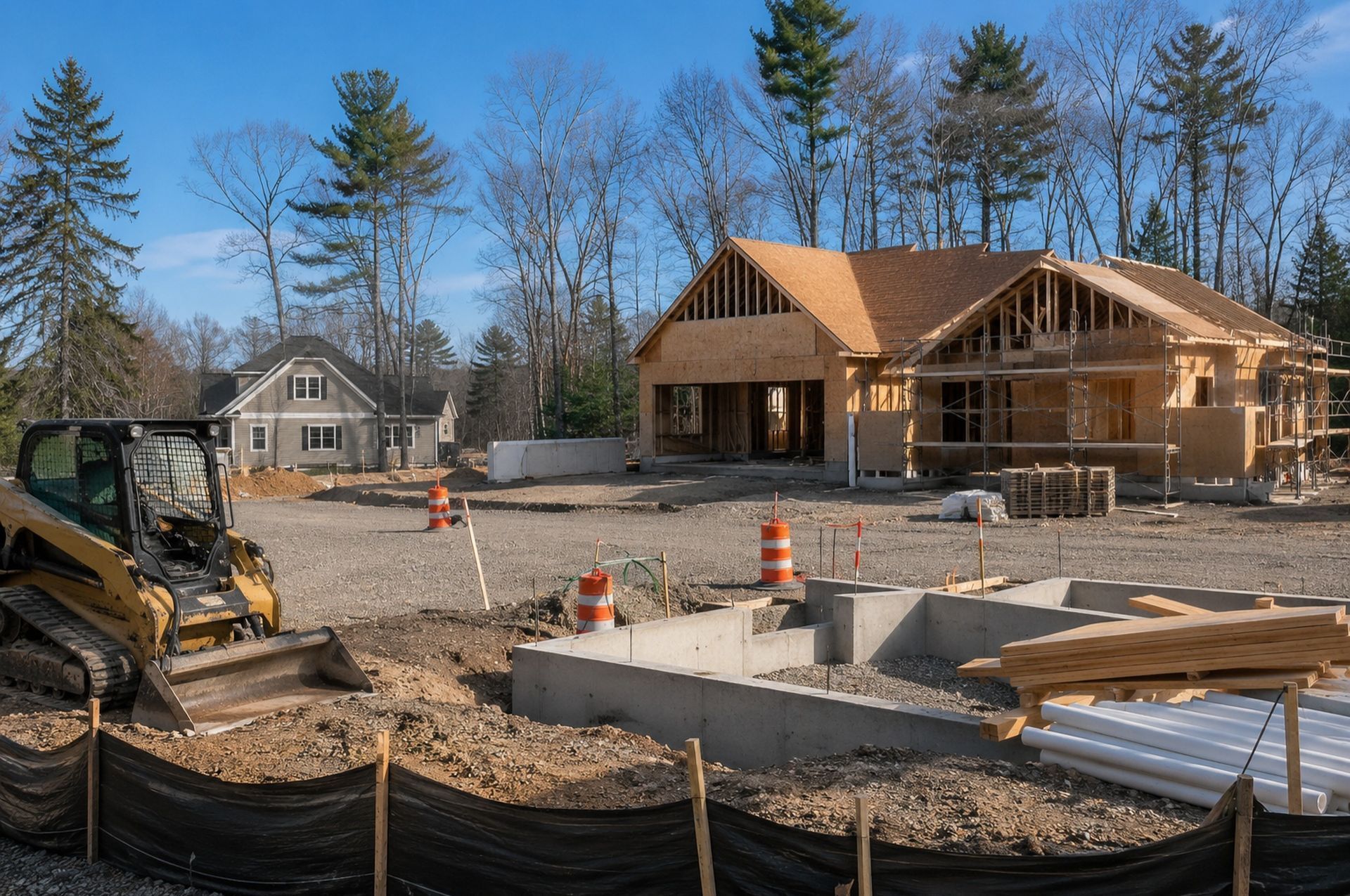
Portfolio growth introduces a practical question that many investors overlook until it becomes a problem: how quickly and efficiently can the insurance program absorb new acquisitions? A policy that works well for a five-property portfolio may create administrative headaches or coverage gaps when the portfolio reaches twenty or thirty properties. The structure chosen at the outset, blanket or scheduled, has a direct impact on how smoothly the program scales.
Ease of Adding and Removing Assets
Blanket policies generally accommodate new acquisitions more easily because the aggregate limit can absorb additional properties without immediate endorsement, provided the total insured value remains within the policy limit and any applicable margin clause. Many blanket programs require the insured to report new acquisitions within 30 to 90 days, giving investors time to close transactions and gather property details before formally adding them to the policy.
Scheduled policies require a formal endorsement for every addition, which means contacting the broker, providing property details, waiting for underwriter approval, and paying any additional premium before coverage attaches. Dispositions follow the same process in reverse. For investors acquiring multiple properties per quarter, this endorsement cycle can become a significant administrative burden and a source of coverage gaps if properties are not added promptly.
Reporting Form Policies for Rapid Growth
A reporting form policy represents a hybrid approach that is particularly well suited to rapidly growing portfolios. Under this structure, the insured reports property values to the insurer at regular intervals, typically monthly or quarterly, and premiums adjust based on those reports. The policy carries a maximum limit, but the premium reflects actual exposure throughout the year rather than a fixed estimate at inception.
This structure rewards investors who maintain accurate records and report consistently. The risk is that late or inaccurate reports can trigger penalties similar to coinsurance, where the insurer reduces claim payments in proportion to the underreporting. For
investors pursuing aggressive acquisition strategies in a soft insurance market, reporting form policies offer the best combination of flexibility and cost efficiency, provided the administrative discipline exists to support timely reporting.
Real Estate Insurance FAQs
Can a blanket policy cover properties in different states? Yes. Blanket policies routinely cover multi-state portfolios under a single program, though some states have specific filing requirements that may affect how the policy is structured.
What happens if a property is accidentally left off a scheduled policy? It has no coverage. Unlike blanket policies, scheduled coverage only applies to properties specifically listed on the schedule. Any omission creates a complete gap for that location.
Does blanket coverage cost more than scheduled coverage? Not necessarily. Blanket policies sometimes carry a slightly higher rate per $100 of value, but the total premium depends on portfolio composition, loss history, and the insurer's appetite for the risk class.
How often should property values be updated for insurance purposes? Full appraisals every three years and annual adjustments using construction cost indices represent the standard recommendation. Properties undergoing renovation should be reappraised upon project completion.
Is agreed value the same as guaranteed replacement cost? No. Agreed value suspends the coinsurance penalty but still caps payment at the policy limit. Guaranteed replacement cost pays whatever it costs to rebuild, even if that exceeds the stated limit, and is far less common in commercial policies.
Are reporting form policies available for small portfolios?
They are typically offered to portfolios with total insured values above $10 million, though some insurers will write them for smaller accounts with strong loss histories.
Making the Right Choice for Your Investments
The decision between blanket and scheduled property coverage is not permanent, and the best programs often evolve as portfolios change. A five-property investor with similar assets in one metro area may benefit from the simplicity of a blanket limit, while a twenty-property portfolio spanning multiple states and property types may need the precision of scheduled coverage or a hybrid reporting form approach.
Three factors should drive the decision. First, geographic concentration: portfolios with heavy exposure in a single catastrophe zone need to think carefully about shared limit depletion. Second, growth velocity: investors adding properties frequently will find blanket or reporting form structures far easier to manage. Third, valuation confidence: investors who struggle to maintain current appraisals face greater coinsurance risk under scheduled policies, where each property must stand on its own.
The 2026 soft market, with its declining rates and expanded capacity across nearly all account sizes, creates a favorable environment to restructure coverage. Investors who take the time to evaluate their programs now, while competition among insurers remains strong, will secure better terms and build insurance structures that support rather than constrain portfolio growth.
Recent posts