Connecticut EV Charger Installation Contractor Insurance

or call us: (888) 585-5188
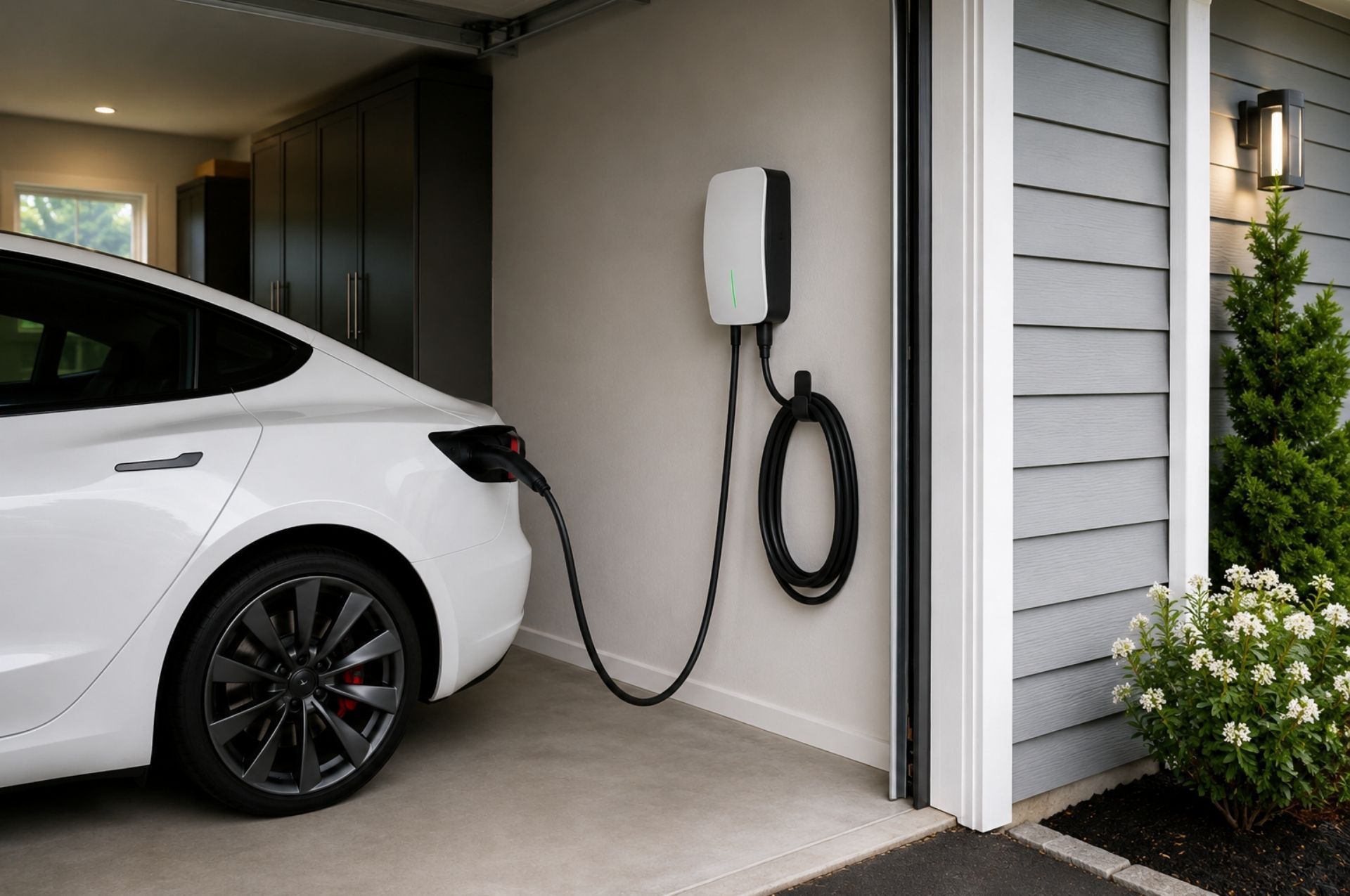
Connecticut's electric vehicle charging infrastructure is expanding at a pace that few predicted even three years ago. State incentives, utility rebate programs, and federal funding have created a surge in demand for qualified contractors who can install Level 2 and DC fast charging stations at commercial properties, multifamily residences, and municipal lots. Yet the specialized nature of this work, which involves high-voltage electrical systems, networked software, and expensive customer property, creates an insurance profile that standard electrician policies often fail to address. Contractors who install EV chargers in Connecticut face a distinct combination of regulatory requirements, technical hazards, and liability exposures that demand purpose-built coverage. The right insurance program does more than satisfy a licensing checkbox; it protects against the specific claims that arise from working with 480-volt circuits, trenching through commercial parking structures, and connecting smart chargers to cloud-based management platforms. This guide breaks down the coverage types, state mandates, and risk factors that shape insurance for EV charger installation contractors operating across Connecticut.
Essential Insurance Coverage for CT EV Contractors
The insurance needs of an EV charger installer extend well beyond what a typical electrical contractor might carry. Because charger installations touch multiple disciplines, from civil trenching to network configuration, the exposure profile is broader than most general electrical work. A single project can involve excavation near underground utilities, mounting equipment on a building facade, pulling high-amperage circuits through occupied commercial spaces, and commissioning software that processes payment transactions. Each of these activities introduces a distinct category of risk, and each requires a corresponding layer of insurance protection.
General Liability for On-Site Property Damage
General liability insurance is the foundation of any contractor's risk management plan, but EV charger installers face property damage scenarios that are uncommon in other trades. Drilling into a parking garage deck and striking a post-tension cable, for instance, can result in structural repair costs exceeding $50,000. Trenching through a commercial lot and severing a fiber optic line or water main creates immediate third-party property damage claims. A standard commercial general liability policy with $1 million per occurrence and $2 million aggregate is the minimum most property owners and general contractors will accept. Many commercial site owners now require $5 million in umbrella coverage as well, particularly for projects involving occupied retail or multifamily properties. The policy should specifically cover completed operations, since a faulty installation that causes a fire months after project completion still traces liability back to the installing contractor.
Professional Liability and Design Errors
Many EV charger installation firms do more than simply mount hardware. They provide site assessments, load calculations, panel upgrade recommendations, and charging network design services. If a contractor recommends an undersized electrical panel upgrade and the system trips repeatedly, or if a site layout causes vehicles to queue into a traffic lane, the resulting losses fall under professional liability rather than general liability. Errors and omissions (E&O) coverage protects against claims arising from faulty advice, incorrect specifications, or design oversights. Policies typically start at $1 million in coverage and cost between $1,200 and $3,500 annually for small to mid-size firms, depending on revenue and project scope.
Workers' Compensation and Connecticut Mandates
Connecticut requires workers' compensation insurance for virtually all employers, with very few exceptions. The state does not exempt electrical contractors from this mandate, and the penalties for non-compliance include fines of up to $50,000 and potential criminal charges. EV charger installation work carries a workers' compensation classification code that reflects the elevated risk of electrical shock, arc flash injuries, and falls from ladders or lifts. Premiums are calculated as a rate per $100 of payroll, and for electrical contractors in Connecticut, that rate typically falls between $4.50 and $7.00 per $100 depending on the firm's experience modification factor. Contractors with strong safety records and documented training programs can earn modification credits that reduce premiums significantly over time.
Comparing Standard vs. Specialized Coverage
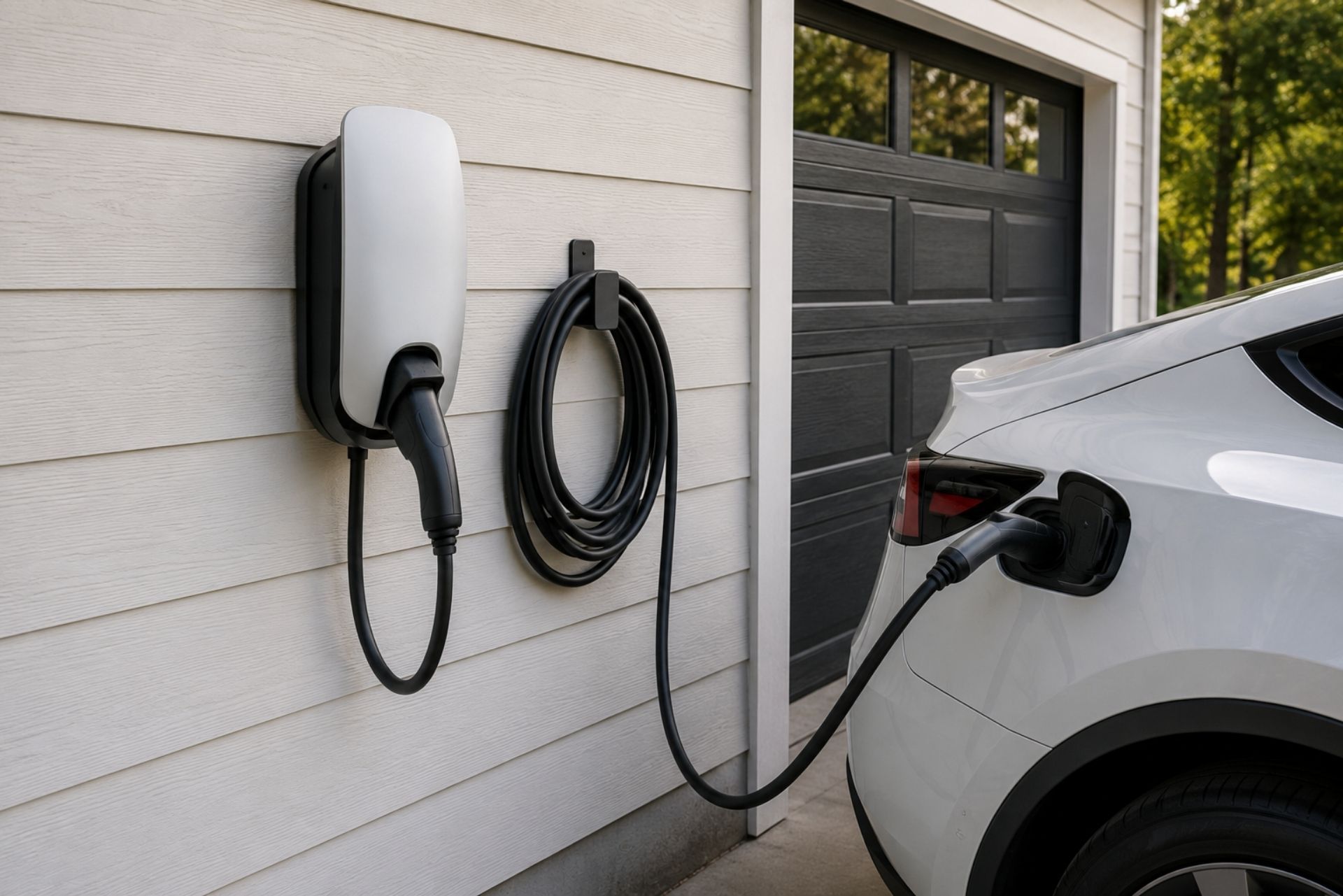
A general electrician's insurance policy and a program designed specifically for EV infrastructure contractors may look similar on a declarations page, but the differences become apparent at the point of a claim. Standard policies often contain exclusions for pollution (relevant if battery coolant leaks during DCFC installation), cyber incidents (relevant for networked chargers), and professional services (relevant if the contractor provided design input). Specialized programs written for EV contractors address these gaps directly, and they often include coverage extensions for equipment in transit, rented tools, and installation floaters that protect charger hardware before it is permanently mounted.
Coverage Comparison Table
| Coverage Element | Standard Electrician Policy | Specialized EV Contractor Policy |
|---|---|---|
| General Liability | Included, standard limits | Included, with completed operations for EV systems |
| Professional Liability | Typically excluded | Available as endorsement or included |
| Pollution Liability | Excluded or limited | Included for battery coolant and refrigerant release |
| Cyber Liability | Not included | Available for networked charger systems |
| Tools & Equipment | Basic inland marine | Expanded to cover charger units in transit |
| Workers' Comp | Standard classification | EV-specific classification with safety credits |
| Commercial Auto | Standard coverage | Includes mounted equipment and tool theft |
This comparison highlights why Connecticut EV charger installation contractor insurance should be tailored rather than borrowed from a generic electrical policy. The cost difference between standard and specialized programs is often modest, typically 10 to 20 percent more in premium, but the gap in claim coverage can be substantial.
Connecticut-Specific Licensing and Insurance Requirements
Connecticut regulates electrical contractors through several overlapping agencies, and the insurance requirements vary depending on the type of work performed and the jurisdiction in which the contractor operates. State law requires electrical contractors to hold a valid license issued by the Department of Consumer Protection, and most municipalities impose additional registration or permitting requirements. Insurance documentation is a prerequisite for both state licensing and local permits.
DCP Regulations for Electrical Contractors
The Department of Consumer Protection (DCP) oversees electrical contractor licensing in Connecticut and mandates specific insurance minimums as a condition of licensure. Contractors must carry general liability insurance and, if they employ anyone, workers' compensation coverage. The state's EV charging program guidelines add another layer: as of June 30, 2024, contractors installing Direct Current Fast Chargers (DCFC) must be EVITP-certified, which is the Electric Vehicle Infrastructure Training Program credential recognized by federal and state authorities. This certification requirement indirectly affects insurance because carriers view EVITP-certified firms as lower-risk, which can translate into more favorable premium rates. Contractors pursuing utility rebate programs through Eversource and United Illuminating should verify that their insurance certificates meet the specific requirements outlined in those programs, as utility companies often require additional insured endorsements naming them on the contractor's policy.
Commercial Auto Insurance for Service Vans
EV charger installation contractors rely heavily on service vehicles to transport tools, conduit, wire, and sometimes the charging units themselves. Connecticut requires minimum auto liability limits of 25/50/25, meaning $25,000 per person for bodily injury, $50,000 per accident for bodily injury, and $25,000 for property damage. These minimums are far too low for a commercial operation. Most contractors carry $1 million in combined single limit (CSL) commercial auto coverage, which satisfies the requirements of general contractors, property managers, and utility program administrators. The policy should include hired and non-owned auto coverage for situations where employees use personal vehicles for work purposes, as well as coverage for permanently mounted equipment such as ladder racks, tool boxes, and wire reels that could be damaged in a collision.
Managing Risks Unique to EV Infrastructure
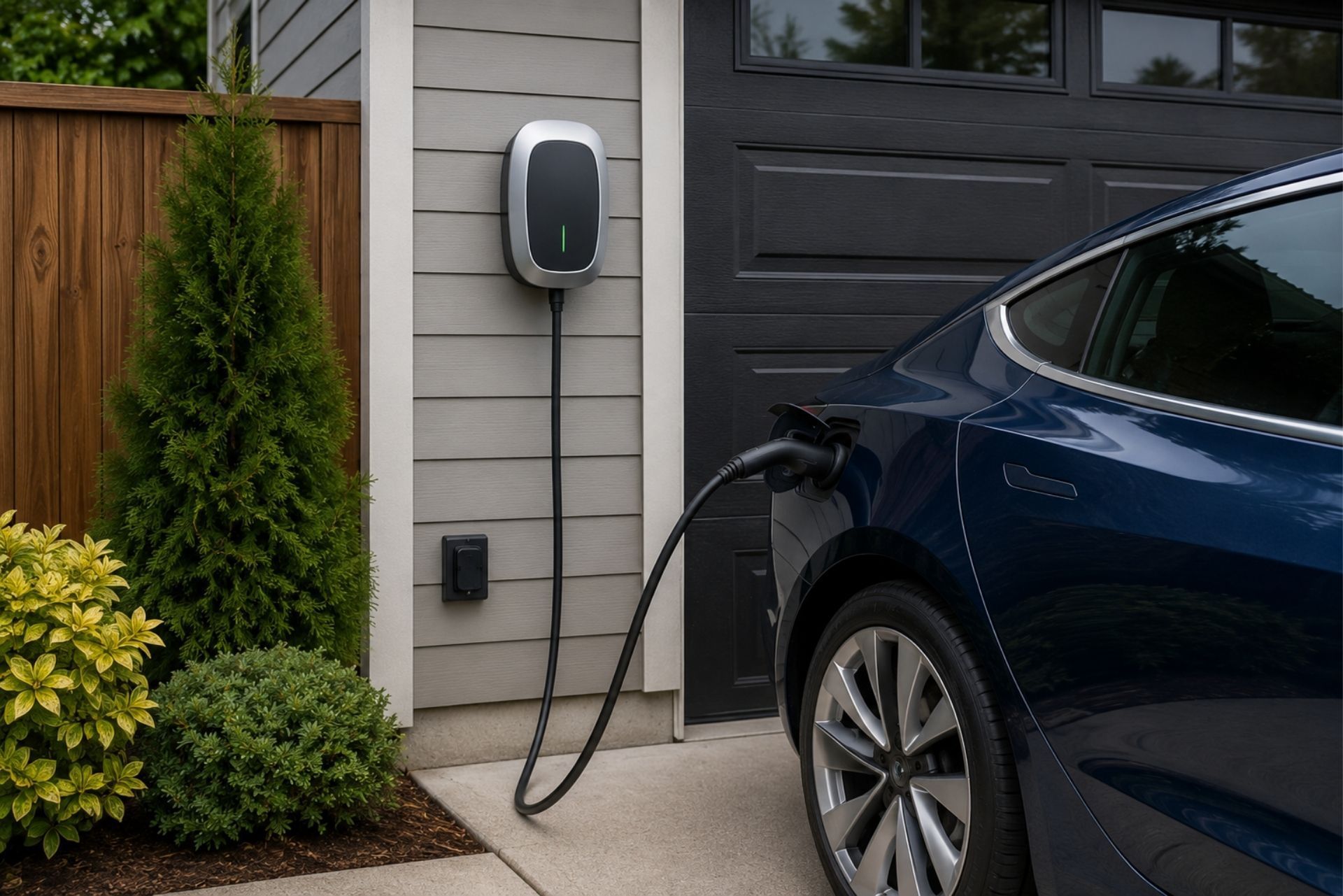
EV charger installation sits at the intersection of electrical contracting, construction, and technology services. This convergence creates risk management challenges that do not fit neatly into traditional insurance categories. A single project can expose the contractor to electrical hazards, construction defect claims, product liability for recommended hardware, and data breach liability for connected charging systems.
Handling High-Voltage Equipment Safely
DCFC installations involve 480-volt, three-phase power systems that carry a genuine risk of fatal electrocution or severe arc flash burns. Connecticut OSHA regulations require contractors to follow NFPA 70E standards for electrical safety in the workplace, including arc flash hazard analysis, appropriate personal protective equipment, and lockout/tagout procedures. Insurance carriers evaluate a contractor's safety program during the underwriting process, and firms that can demonstrate documented safety protocols, regular training sessions, and low incident rates will receive meaningfully better pricing. A single arc flash injury claim can exceed $500,000 in medical costs and lost wages, which underscores why workers' compensation limits and safety investments deserve serious attention. Connecticut's EV charging guide for commercial installations outlines technical standards that, when followed, also serve as evidence of due diligence in the event of a liability claim.
Cyber Liability for Smart Charging Networks
Most modern EV chargers are networked devices that connect to cloud-based management platforms, process credit card payments, and collect user data. A contractor who installs and configures these systems may bear partial liability if a data breach occurs due to improper network setup, default passwords left unchanged, or unsecured communication protocols. Cyber liability insurance covers the costs of breach notification, credit monitoring for affected users, forensic investigation, and regulatory fines. Policies designed for contractors typically start at $1 million in coverage and cost between $800 and $2,500 annually. Even contractors who do not manage the ongoing network operations should consider this coverage, because plaintiffs' attorneys frequently name the installing contractor in breach-related lawsuits regardless of who managed the system post-installation.
Common Questions About EV Contractor Insurance
How much does insurance cost for an EV charger installation business in Connecticut? A small firm with two to five employees can expect to pay between $8,000 and $18,000 annually for a comprehensive package that includes general liability, workers' compensation, commercial auto, and professional liability. Exact pricing depends on revenue, payroll, claims history, and the types of chargers installed.
Do I need separate insurance for Level 2 and DCFC installations? Not necessarily separate policies, but the coverage limits and endorsements should reflect the higher risk profile of DCFC work. Many carriers require disclosure of DCFC activity and may adjust premiums or add specific exclusions if it is not declared.
Can I use my existing electrician's insurance for EV charger work? It depends on the policy language. Some general electrician policies cover EV charger installation without modification, while others exclude it or limit coverage for high-voltage DC systems. A thorough policy review with an agent familiar with EV infrastructure is the safest approach.
What happens if I install a charger that causes a vehicle fire? Completed operations coverage under a general liability policy would respond to this type of claim. The investigation would determine whether the fire resulted from a defective product, an installation error, or a vehicle malfunction, and liability would be allocated accordingly.
Does Connecticut require EVITP certification for all EV charger installations? EVITP certification is required for DCFC installations as of mid-2024. Level 2 installations do not currently require EVITP certification, though Connecticut's clean energy programs may impose it as a condition of rebate eligibility.
Is bonding required in addition to insurance? Connecticut does not impose a statewide bonding requirement for electrical contractors, but individual municipalities or project owners may require performance or payment bonds, particularly for public infrastructure projects.
Making the Right Choice for Your Business
Selecting the right insurance program for a Connecticut EV charger installation contracting business requires more than comparing premium quotes. The cheapest policy is rarely the best value if it contains exclusions for the exact risks that EV infrastructure work creates. Contractors should prioritize carriers and agents who understand the specific exposures of high-voltage electrical work, networked technology systems, and Connecticut's regulatory framework.
Start by requesting a coverage comparison from at least three carriers, and ask specifically about completed operations, professional liability, cyber liability, and pollution coverage. Verify that the policy satisfies DCP licensing requirements, utility rebate program standards, and the insurance specifications of the general contractors or property owners who award projects. A well-structured insurance program not only protects against catastrophic losses but also positions the business as a credible, professional operation in a market where property owners and utilities are increasingly selective about the contractors they approve. The investment in proper coverage pays for itself the first time a claim arises, and in this line of work, claims are not a matter of if but when.
About The Author:
Anton Reed
As Managing Principal of Adion Financial Group, I’m committed to helping individuals and businesses achieve financial security through strategic insurance and planning solutions. My focus is on building trust, delivering clarity, and ensuring every client receives expert guidance backed by experience and integrity.
Contact Us
Personal INSURANCE Coverage
Comprehensive Coverage for Every Personal Need
Business Insurance Solutions
Professional Liability Coverage for Service-Based Businesses
General Liability Insurance
Protects businesses from lawsuits related to injuries and property damage.
INDUSTRIES WE SERVE
Specialized Coverage for Leading Connecticut Industries
Contractors
Insurance
Whether you’re a general contractor or a specialized tradesperson, we offer coverage that protects against job site risks, equipment damage, and liability claims.

Commercial Truck Insurance
Whether you operate a single truck or an entire fleet, we provide coverage for cargo, liability, and physical damage to keep your business moving.

Restaurant Business Insurance
Keep your restaurant, café, or bar protected with coverage for property damage, liquor liability, foodborne illness, and employee injuries.

Commercial Real Estate Insurance
Safeguard your commercial properties, rental units, and office spaces from property damage, liability claims, and tenant-related risks.

“I’ve been with AFG for years. Their service is second to none, and I always feel confident that I’m covered.”
Sarah K.
Real Stories.
Real Protection.
Real Trust.
See Why Businesses and Families Trust Us for Coverage.

Quick Answers to Your Insurance Questions
Frequently Asked Questions
about Adion Financial Group
Understanding Insurance Starts with the Right Information
1. What types of insurance do you offer?
At Adion Financial Group, we offer a wide range of insurance options designed to meet the needs of both individuals and businesses. For individuals, we provide coverage for personal auto, home, renters, life, and health insurance. Whether you're looking to protect your home, your car, or your loved ones, we have a solution tailored to your needs.
2. How do I get a quote for insurance?
Getting an insurance quote with Adion Financial Group is simple and fast. First, visit our website and fill out the quote request form, providing some basic information about the type of insurance you need. If you prefer a more personal touch, you can also contact us directly, and one of our agents will walk you through the process.
3. What should I do if I need to file a claim?
If you need to file a claim, the first step is to notify us immediately. You can either call our office or submit your claim online, depending on your preference. Once we receive your claim, our team will guide you through the necessary steps and help you gather the required information.
4. How can I change my coverage or update my policy?
Making changes to your coverage or updating your policy is easy with Adion Financial Group. Whether you're moving to a new home, adding a vehicle, or expanding your business, we can help you adjust your insurance to reflect your current needs.
5. Why should I choose an independent insurance agency?
Choosing an independent insurance agency like Adion Financial Group provides you with a distinct advantage: we work for you, not an insurance company. Our independent status allows us to shop around with multiple carriers to find the most competitive rates and the best coverage options for your unique situation.
6. How can I make sure I have the right amount of coverage?
Determining the right amount of coverage can be overwhelming, but our team at Adion Financial Group is here to help. The first step is assessing your personal or business assets and identifying the potential risks you face. Whether you're an individual looking to protect your home and car, or a business owner trying to safeguard your employees and property, we will walk you through the different coverage options.
Stay Informed on Insurance Trends and Tips
Insights & Tips to Keep You Informed



Contact Us
Phone
Locations
Connecticut Location
703 Hebron Ave., 3rd Floor, Glastonbury, CT 06033
North Carolina Location
436 East 36th St., Charlotte, NC 28205