Ordinance and Law Coverage for Rental Properties
See How We're Different
or call us: (888) 585-5188
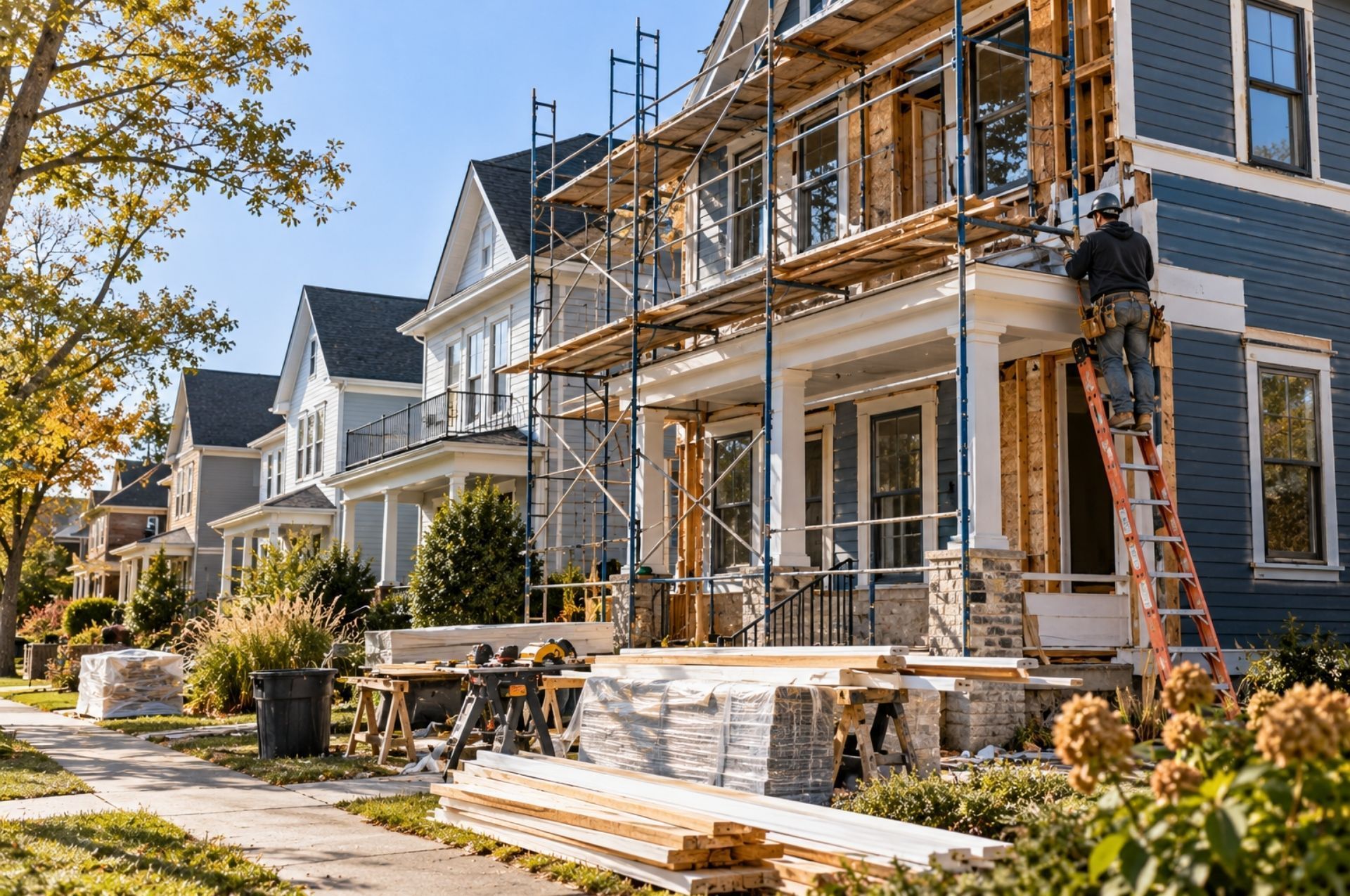
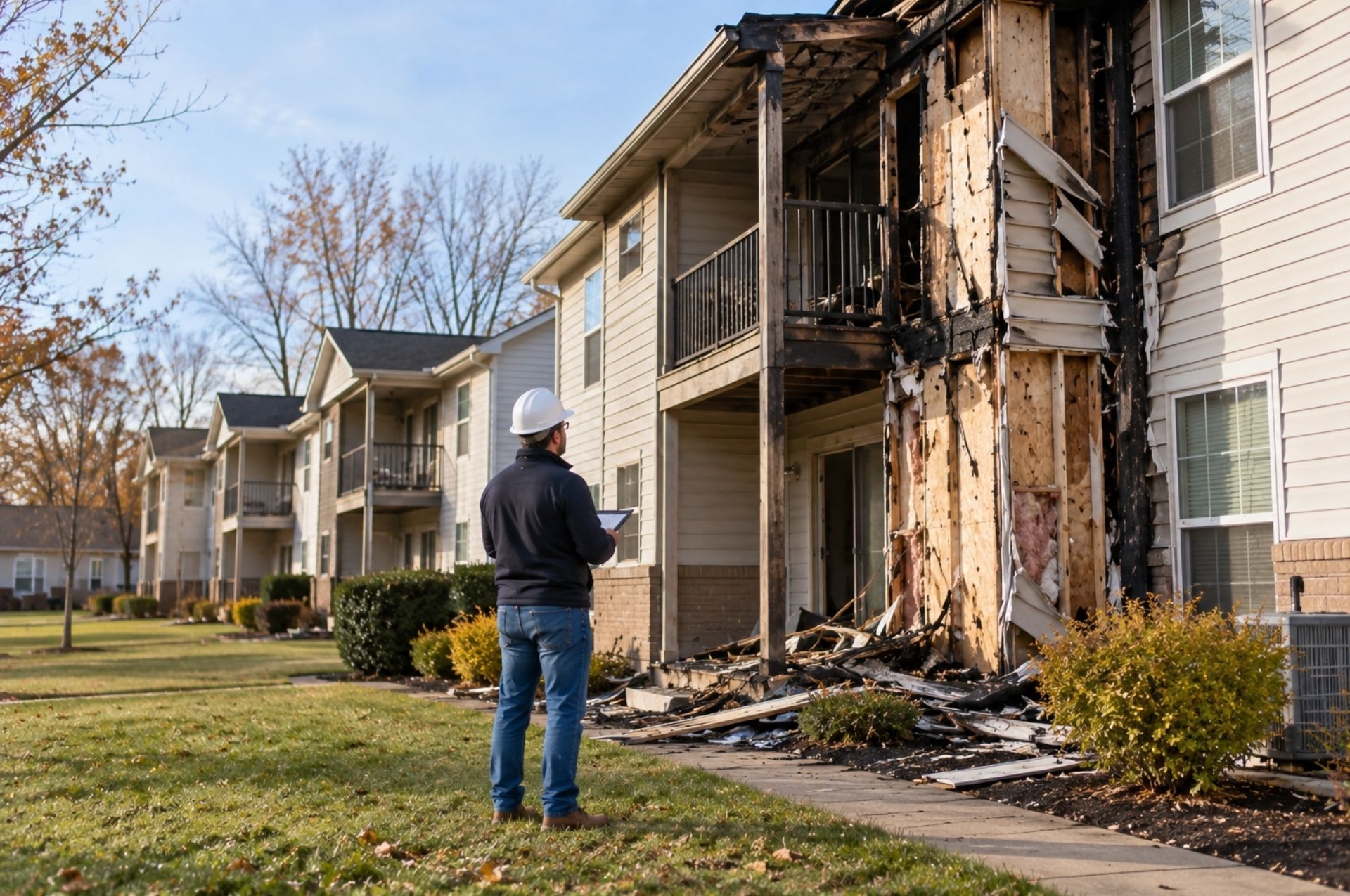
A fire tears through a 1940s duplex, destroying half the structure and leaving the other half standing but condemned. The landlord files a claim expecting full replacement, only to learn that the city now requires the entire building to be demolished and rebuilt to current seismic and energy codes. The standard property policy covers the fire damage itself, but the tens of thousands in demolition costs, hazardous material abatement, and code-mandated upgrades fall squarely on the owner's shoulders. This is the exact gap that ordinance and law coverage fills for rental properties, addressing the financial burden of building codes, demolition requirements, increased construction costs, and the unique vulnerabilities of older buildings. Without it, a single covered loss can quietly bankrupt a landlord who believed insurance had everything handled.
Understanding Ordinance and Law Coverage for Landlords
Ordinance and law coverage is an endorsement or policy provision that pays for costs arising from the enforcement of building codes and local ordinances after a covered loss. It exists because governments do not allow property owners to simply rebuild what existed before. Instead, damaged structures must be repaired or replaced in compliance with codes that may have changed dramatically since original construction. For rental property owners, this creates a financial exposure that standard policies were never designed to address.
Why Standard Property Insurance Falls Short
A standard commercial or landlord property policy pays to restore a building to its pre-loss condition, nothing more. If a 1960s apartment building suffers a kitchen fire, the policy covers drywall, cabinets, and appliances that were damaged. It does not cover the city's requirement to install a fire sprinkler system throughout the entire building, upgrade the electrical panel to 2026 code, or replace single-pane windows with energy-efficient alternatives. Property insurance claim severity reached a seven-year high in 2026 due in large part to the growing complexity of repairs and higher regulatory compliance costs. That gap between what the policy pays and what the city demands is where landlords get caught.
The Three Pillars: Coverage A, B, and C
Ordinance and law protection is typically structured around three distinct coverage parts. Coverage A pays for the loss in value of the undamaged portion of a building when local law requires demolition of the entire structure, even if only part was damaged. Coverage B pays for the actual cost of demolishing the undamaged portion and clearing the site. Coverage C covers the increased cost of construction necessary to bring the new or repaired building into compliance with current codes. Each part addresses a different financial risk, and skipping any one of them can leave a significant hole in protection.
How Building Codes Impact Your Claim
Building codes are not static. They evolve with new safety research, environmental standards, and accessibility requirements. A rental property built decades ago may have been fully compliant at the time of construction but now sits far outside what current regulations demand. The moment a covered loss triggers a repair or rebuild, the city steps in and enforces the latest standards.
The Cost of Bringing Older Rentals Up to Code
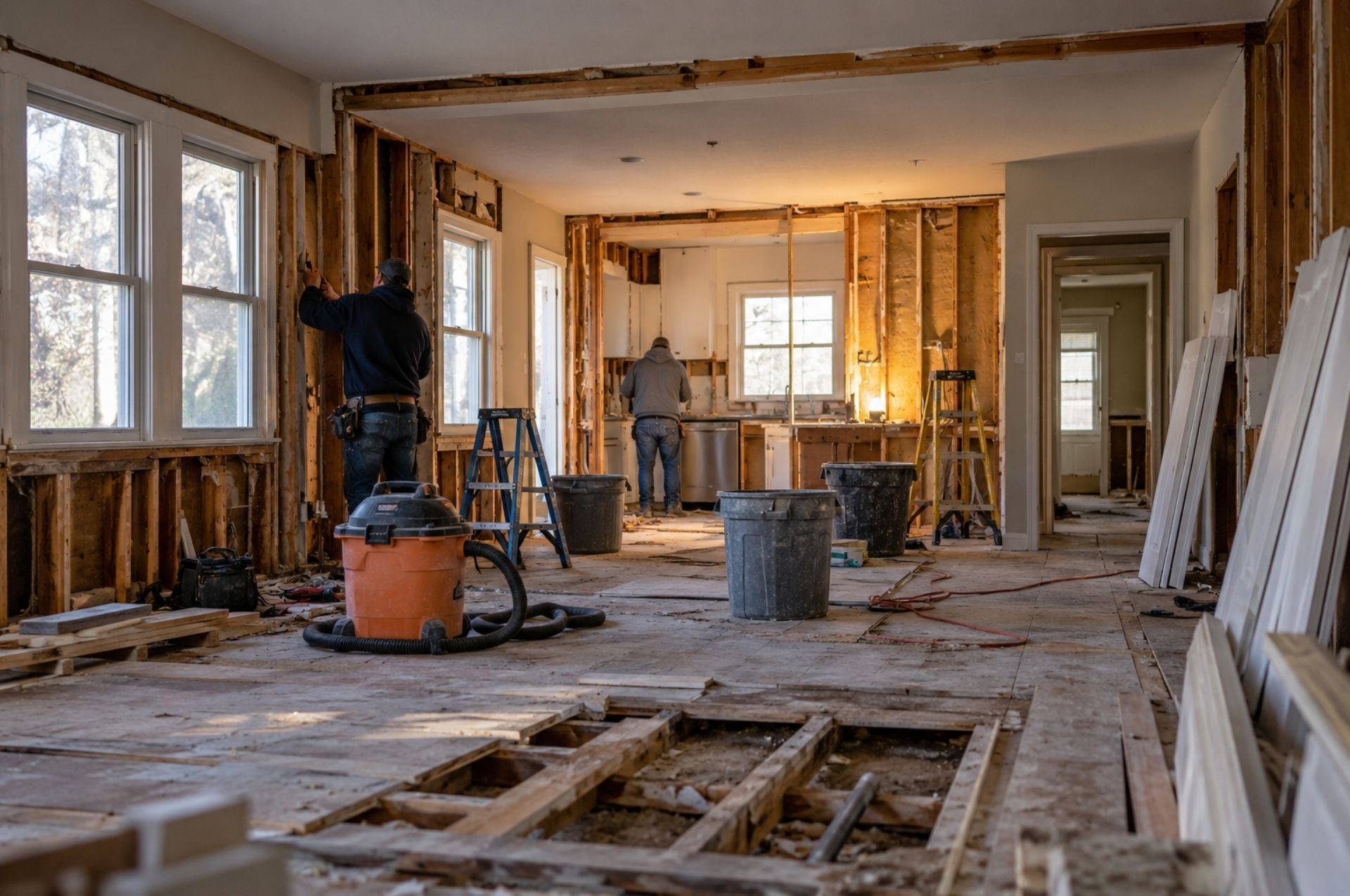
Older rental properties face the steepest cost increases after a loss. Electrical systems, plumbing, insulation, fire suppression, and structural components may all require upgrades that have nothing to do with the original damage. Asbestos abatement alone presents a major expense: national residential remediation averages range from $1,145 to $6,335, and costs in high-regulation areas like New York surged by 8% to 12% in early 2026. The EPA also implemented its most substantial transformation of lead exposure thresholds in decades as of April 2026, requiring more rigorous pre-demolition surveys and specialized disposal protocols for older properties. These are not optional expenses. They are legal mandates that must be met before reconstruction can proceed.
Mandatory Demolition of Undamaged Property
Many municipalities enforce what is commonly known as a "demolition threshold" ordinance. Under federal and local building codes, if repair costs for a structure in a Special Flood Hazard Area reach or exceed 50% of its market value, the entire building must be brought up to current codes, often requiring full demolition [https://schneidermaninsurance.com/how-california-habitability-laws-and-local-ordinances-are-creating-new-landlord-exposure-that-insurance-often-sees-first/]. A landlord who owns a four-unit building where fire destroys two units may find that the city will not allow the remaining two units to stand. Without Coverage A and B, the owner absorbs the full loss of the undamaged portion and pays out of pocket for its demolition.
Comparing Coverage: Standard Policy vs. Ordinance and Law
Understanding the protection gap requires a direct comparison of what each policy type covers after a loss event.
Comparison Chart: Protection Gaps and Limits
| Scenario | Standard Landlord Policy | With Ordinance and Law Endorsement |
|---|---|---|
| Fire damages 60% of building; city orders full demolition | Pays for damaged portion only | Covers loss of undamaged portion (A), demolition costs (B), and code-compliant rebuild (C) |
| Partial roof collapse requires full electrical rewiring to code | Pays for roof repair only | Also covers rewiring and other mandated upgrades |
| Partial roof collapse requires full electrical rewiring to code | Pays for roof repair only | Also covers rewiring and other mandated upgrades |
| Asbestos found during reconstruction of 1950s rental | No coverage for abatement | Coverage C pays for removal as part of increased construction cost |
| City requires ADA-compliant exits after structural repair | Not covered | Covered under increased cost of construction |
| Undamaged wing of building condemned due to damage threshold | Total loss to owner | Coverage A compensates for lost value of undamaged section |
The differences are stark. For owners of older rental buildings, the standard policy alone creates an exposure that can easily exceed the value of the original damage.
Determining How Much Coverage Your Rental Needs
Selecting the right coverage limits requires more than guesswork. It demands a realistic assessment of the property, the local regulatory environment, and the true cost of rebuilding to modern standards.
Assessing Building Age and Local Regulations
Buildings constructed before 1980 generally carry the highest ordinance and law risk because they predate most modern fire, energy, and accessibility codes. Properties built before 1950 face even greater exposure. Insurers are increasingly replacing standard HO-3 policies with HO-8 policies or specialized historic property riders for these older structures to account for functional replacement costs. Landlords should research their municipality's specific demolition threshold percentage, energy code requirements, and any pending code changes that could affect future claims. A conversation with the local building department before a loss occurs is far more productive than one after.
Evaluating Replacement Cost vs. Actual Cash Value
Ordinance and law limits should be based on replacement cost, not actual cash value. Actual cash value accounts for depreciation, which means it will never be enough to fund a code-compliant rebuild of an aging structure. For multi-unit properties built before the most recent major local code revisions, 25% or 50% of the building's insured value is considered the "right starting point" for coverage limits [https://strguardinsurance.com/coverage/ordinance-and-law/]. Insurers
maintain strict underwriting discipline for older facilities,
focusing on roof condition, aging electrical and plumbing systems, and building envelope integrity, so landlords should expect detailed inspections and documentation requirements.
Common Questions About Rental Property Ordinances
Landlords frequently raise the same concerns about how ordinance and law coverage works in practice. The following questions reflect the most common points of confusion.
Does this cover regular maintenance or wear and tear? No. Ordinance and law coverage only activates after a covered loss, such as a fire, windstorm, or other insured peril. It does not pay for routine code compliance, deferred maintenance, or upgrades that a city requires during a standard inspection unrelated to a loss event.
Will my policy pay for ADA accessibility upgrades? If a covered loss triggers reconstruction and the local building authority requires ADA-compliant features as part of the permitting process, Coverage C typically pays for those upgrades. A voluntary renovation or a code enforcement action unrelated to a covered loss would not be covered.
Is this coverage required by my mortgage lender? Most lenders do not specifically require ordinance and law coverage, but some commercial lenders and portfolio lenders for older properties have begun adding it to their insurance requirements. Even without a lender mandate, carrying this coverage is a sound financial decision for any rental property that would be subject to significant code upgrades after a loss.
How does a partial loss trigger this coverage? A partial loss triggers ordinance and law coverage when the local government enforces a code or ordinance as a direct result of the damage. The most common trigger is a demolition threshold: if damage exceeds a set percentage of the building's value, the city may require full demolition and code-compliant reconstruction. Even below that threshold, the building department may require upgraded systems in any area being repaired, activating Coverage C for increased construction costs.
Protecting Your Long-Term Investment
Ordinance and law coverage is not an abstract add-on for rental property owners. It is a direct response to a financial risk that grows larger every year as building codes become more stringent and construction costs climb. Older buildings, which make up a significant portion of the rental housing stock, carry the greatest exposure because the gap between their original construction standards and current code requirements widens with each regulatory update.
The right approach starts with understanding the three coverage parts, assessing the specific age and condition of each property in a portfolio, and setting limits that reflect the true cost of a code-compliant rebuild rather than the depreciated value of what stands today. Landlords who skip this step often discover the gap only when a claim forces them to choose between absorbing five- or six-figure costs and walking away from a property entirely.
Speak with an insurance professional who has direct experience with rental and commercial property claims. Request a detailed review of existing policy limits against current local building codes, and ask specifically about Coverage A, B, and C. The cost of this endorsement is modest compared to the exposure it eliminates, and for owners of older rental properties, it may be the single most important coverage decision they make.
Recent posts