

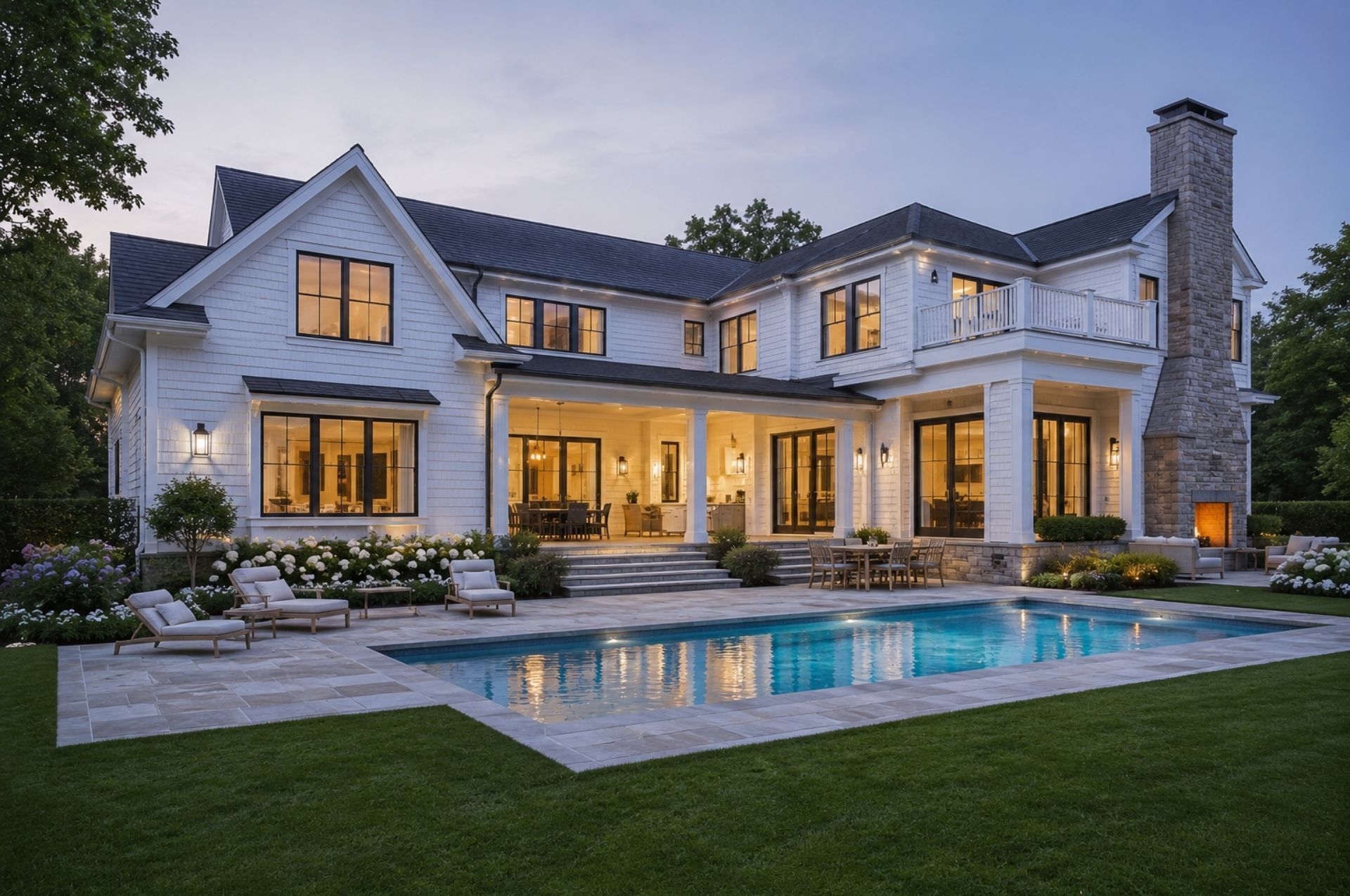
Greenwich sits at the intersection of coastal beauty and concentrated wealth, a combination that creates a distinct set of insurance challenges for property owners. Homes here range from historic estates along North Street to waterfront compounds on Belle Haven peninsula, and each carries risks that standard policies from other parts of Connecticut simply do not address. Connecticut homeowners saw
insurance premium increases averaging 13.5% in 2024, a sharp contrast to the 3.4% rise from the prior year, and those increases have hit Greenwich particularly hard due to elevated property values and coastal exposure. For homeowners in this market, understanding the right type and amount of protection is not optional: it is a financial necessity. A single gap in coverage on a $3 million or $10 million home can mean hundreds of thousands of dollars in unrecovered losses. This guide breaks down the coverage types, special considerations, and common questions that matter most for properties in this part of Fairfield County.
Understanding Homeowners Insurance in Greenwich
Greenwich presents a unique insurance profile within Connecticut. The town spans roughly 67 square miles and includes everything from densely wooded inland neighborhoods to tidal marshlands and Long Island Sound waterfront. Property values in many sections of town far exceed state averages, which means standard homeowners policies often fall short of providing adequate protection. Carriers that specialize in high-value homeowners coverage in Connecticut have expanded their offerings in recent years precisely because conventional policies were leaving significant gaps for affluent homeowners.
Local Risks and Environmental Factors
Coastal flooding, nor'easters, and wind-driven rain represent the most prominent natural threats in Greenwich. Superstorm Sandy in 2012 caused extensive damage along the shoreline, and the town has experienced multiple flooding events since then. Inland properties face their own hazards, including ice storms that topple trees onto roofs, frozen pipes during prolonged cold snaps, and the occasional sewer backup after heavy rainfall. Wildfire risk remains low, but water damage from aging plumbing in older homes is one of the most common claim types across all Greenwich zip codes.
Replacement Cost vs. Market Value in High-Value Zip Codes
A critical distinction that many Greenwich homeowners overlook is the difference between what a home would sell for and what it would cost to rebuild from the ground up. Market value reflects land, location, and demand. Replacement cost reflects materials, labor, architectural detail, and construction timelines. A home that sells for $5 million might cost $7 million or more to rebuild if it features custom millwork, imported stone, or historically accurate details. Policies should be written to guaranteed or extended replacement cost rather than actual cash value, which depreciates materials over time and can leave homeowners severely underinsured after a total loss.
Essential Coverage Types for Coastal and Inland Properties
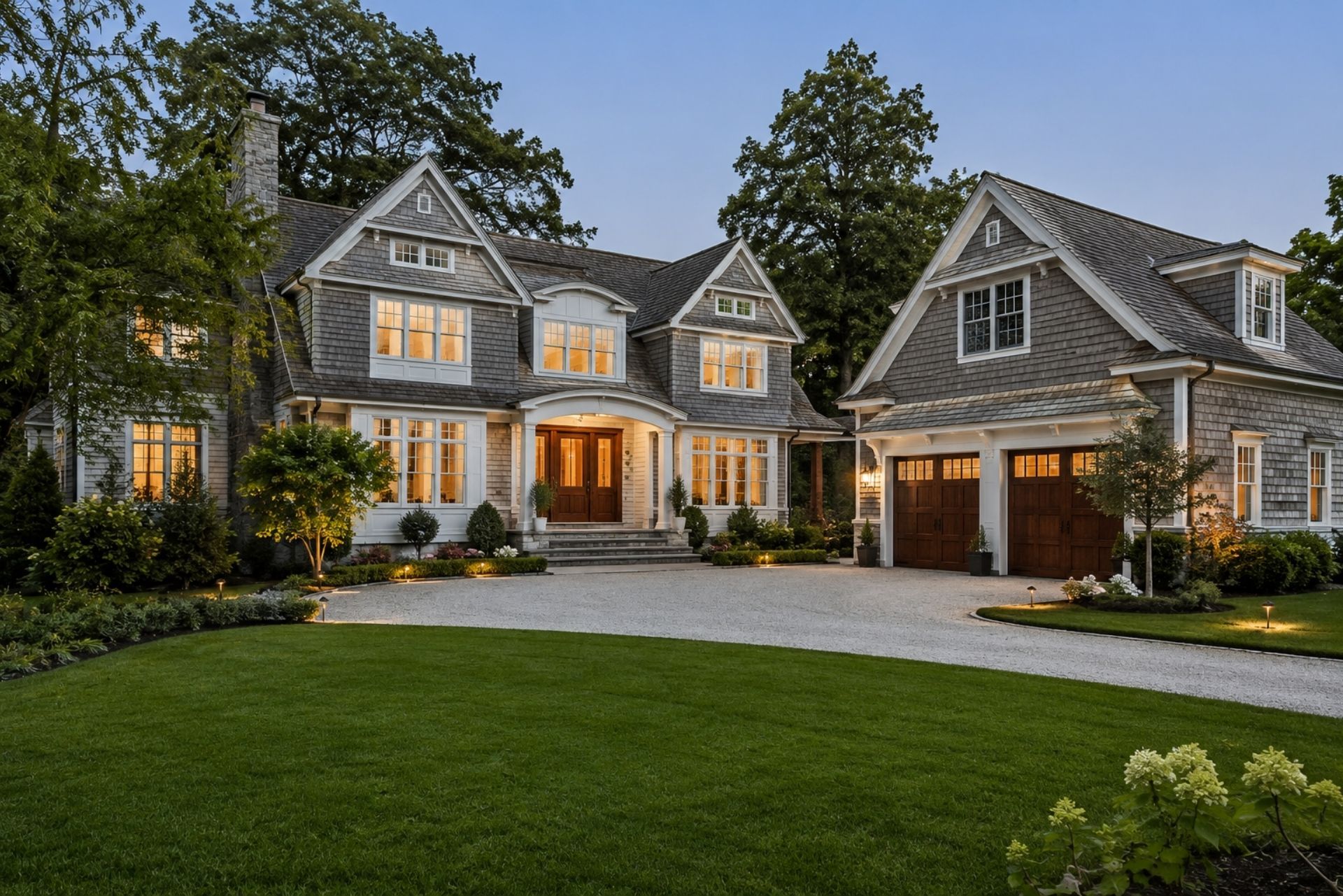
Every homeowners policy in Greenwich should address the specific risks tied to both the property's location and its contents. A waterfront home in Old Greenwich faces different exposures than a wooded estate in Backcountry, but both require thoughtful coverage design.
Dwelling and Other Structures Protection
Dwelling coverage pays to repair or rebuild the primary residence after a covered peril such as fire, wind, or falling objects. "Other structures" coverage extends to detached garages, pool houses, guest cottages, and fencing. In Greenwich, where many properties include multiple outbuildings, the standard 10% of dwelling coverage allocated to other structures is often insufficient. A detached carriage house or tennis court pavilion can easily exceed that default limit, so homeowners should request a specific appraisal and adjust coverage accordingly.
Personal Liability and Medical Payments
Liability coverage protects homeowners if someone is injured on the property or if a household member causes damage to another person's property. The standard $100,000 liability limit on a basic policy is far too low for most Greenwich households. A serious injury on a property, whether from a pool accident, a slip on an icy walkway, or a dog bite, can generate claims well into six or seven figures. Medical payments coverage, typically set at $1,000 to $5,000, covers minor injuries to guests regardless of fault, helping to resolve small incidents before they become lawsuits.
Loss of Use Coverage for Temporary Relocation
If a covered event makes a home uninhabitable, loss of use coverage pays for temporary housing and additional living expenses. In Greenwich, where comparable rental properties can cost $10,000 to $25,000 per month, the default limits on many policies run out quickly. A major fire or flood restoration project can take 12 to 18 months, which means loss of use limits should reflect the realistic cost of maintaining a household's standard of living for an extended period.
Comparing Basic vs. Comprehensive Protection
Not all policies are created equal, and the differences between a basic HO-3 policy and a comprehensive high-value homeowners policy can be substantial. Understanding what each tier includes, and what it excludes, helps homeowners make informed decisions about their Greenwich CT home insurance.
Coverage Comparison Table
| Feature | Basic HO-3 Policy | Comprehensive High-Value Policy |
|---|---|---|
| Dwelling Coverage Basis | Replacement cost with caps | Guaranteed/extended replacement cost |
| Personal Property | Named perils only | All-risk (open perils) |
| Liability Limit | $100,000 - $300,000 | $500,000 - $1,000,000+ |
| Water Backup | Often excluded or limited | Typically included up to $25,000+ |
| Deductible Options | $1,000 - $2,500 | Flexible, often percentage-based |
| Loss of Use | 20% of dwelling limit | 40%+ or uncapped for 12 months |
| Scheduled Items | Limited sub-limits | Full appraised value, agreed amount |
| Claims Service | Standard adjuster | Dedicated claims concierge |
| Cash Settlement Option | Rarely offered | Often available |
The gap between these two tiers is not just about price. A basic policy might save a few thousand dollars annually but could leave a homeowner exposed to hundreds of thousands in uncovered losses. For properties valued above $1 million, a comprehensive policy is almost always the more prudent choice.
Special Considerations for Greenwich Estates
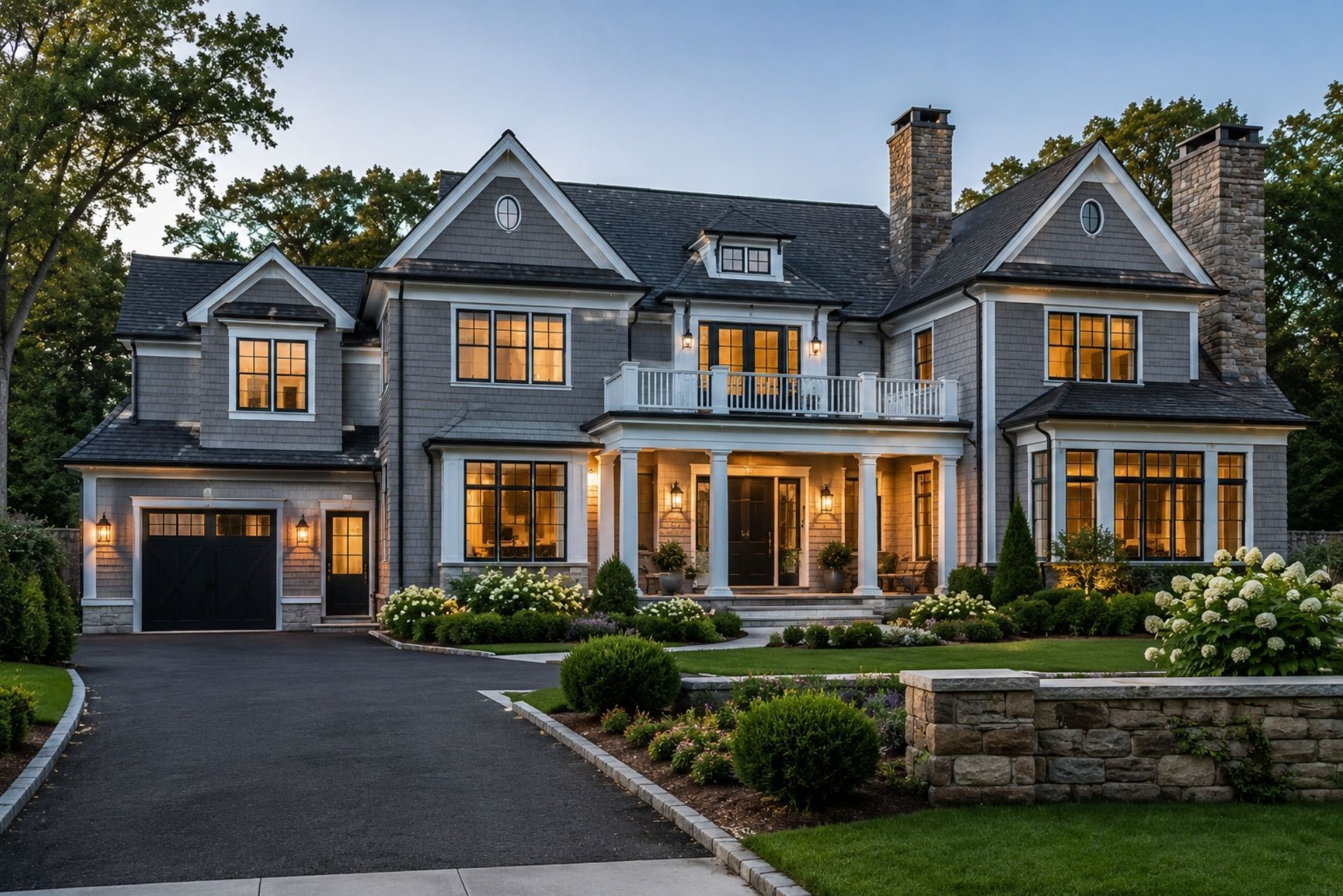
Large estates and high-value properties in Greenwich require coverage strategies that go well beyond standard homeowners insurance. The contents, the location, and the potential liability exposure all demand specialized attention.
Insuring Fine Art, Jewelry, and Collections
Standard homeowners policies place sub-limits on categories like jewelry (often $1,500), silverware ($2,500), and fine art (sometimes no specific coverage at all). For Greenwich households with significant collections, a scheduled personal property endorsement or a standalone valuable articles policy is essential. Each item should be professionally appraised and listed individually on the policy. Blanket coverage for collections is another option, providing a total limit that covers all items without requiring individual scheduling, though it typically costs slightly more. Working with brokers who specialize in high-net-worth insurance ensures that appraisals, coverage terms, and claim procedures are handled properly from the start.
Flood Insurance and Coastal Windstorm Deductibles
Standard homeowners policies do not cover flood damage. Period. Homeowners in FEMA-designated flood zones are required to carry flood insurance if they have a federally backed mortgage, but even properties outside those zones can flood. The National Flood Insurance Program provides coverage up to $250,000 for the dwelling and $100,000 for contents, limits that are insufficient for most Greenwich homes. Private flood insurance carriers now offer policies with much higher limits, and these are worth investigating for any property within a mile of the coastline or a tidal waterway.
Windstorm deductibles in Connecticut are another area that catches homeowners off guard. Many policies include a separate percentage-based deductible for wind and hail damage, often 2% to 5% of the dwelling coverage amount. On a home insured for $3 million, a 5% wind deductible means the homeowner pays the first $150,000 out of pocket before the policy responds.
Excess Liability and Personal Umbrella Policies
An umbrella policy provides an additional layer of liability protection above the limits on homeowners, auto, and watercraft policies. For Greenwich residents, umbrella coverage of $5 million to $10 million is common, and some households carry $20 million or more. These policies are relatively inexpensive for the amount of protection they provide, often costing $300 to $500 per million dollars of coverage annually. They cover scenarios that the underlying policies do not reach, including defamation claims, certain international incidents, and catastrophic injury lawsuits.
Common Questions About Greenwich Home Insurance
Is flood insurance required if I do not live on the water?
Flood insurance is only required by mortgage lenders for properties in high-risk FEMA flood zones. However, roughly 25% of all flood claims come from properties outside those designated areas. A property that sits near a brook, a drainage swale, or even at the bottom of a hill can experience significant water intrusion during heavy storms. Purchasing flood coverage voluntarily is a smart decision for most Greenwich homeowners regardless of zone designation.
How does a coastal deductible work during a storm?
A coastal or windstorm deductible is a separate, percentage-based deductible that applies only when wind or hail causes the damage. It triggers based on specific conditions, such as when the National Weather Service issues a hurricane or tropical storm warning for the area. If a named storm causes $500,000 in damage to a home with a 2% wind deductible on $4 million in dwelling coverage, the homeowner is responsible for the first $80,000. Connecticut has been tightening regulations around how insurers apply these deductibles, so it is important to understand the exact trigger language in any policy.
Will my policy cover high-end renovations or historical features?
Standard policies typically cover repairs using materials of "like kind and quality," but that phrase can be interpreted loosely by adjusters. If a home features hand-carved moldings, antique hardware, or historically significant architectural elements, a standard replacement may not restore those details. Policies with guaranteed replacement cost or agreed-value endorsements are better suited for historically significant properties because they commit the insurer to covering the actual cost of restoration, not just a generic rebuild.
Can I get a discount for home security and smart leak detectors?
Yes. Most carriers offer premium discounts for centrally monitored alarm systems, fire and smoke detection, and increasingly for smart home technology like water leak sensors and automatic shutoff valves. Discounts typically range from 5% to 15% depending on the carrier and the systems installed. Given that water damage is one of the most frequent claim types in Greenwich, leak detection systems can both reduce premiums and prevent costly losses before they escalate.
Making the Right Choice for Your Property
Protecting a Greenwich home requires more than selecting the cheapest available policy. The combination of high property values, coastal exposure, valuable contents, and significant liability risk means that coverage decisions carry real financial weight. A thorough review should start with an accurate replacement cost appraisal, extend to scheduled coverage for valuables, and include flood insurance and an umbrella policy sized to the household's total asset exposure.
The most common mistake homeowners in this market make is treating insurance as a commodity rather than a tailored financial tool. Two policies with the same premium can differ enormously in what they actually cover when a claim occurs. Working with a broker who understands the specific risks of Fairfield County properties, and who has access to carriers that specialize in high-value home insurance in Greenwich, CT, is the most reliable path to proper protection. Review coverage annually, update appraisals every three to five years, and never assume that the policy purchased five years ago still reflects the home's current value or risk profile.
About The Author:
Anton Reed
As Managing Principal of Adion Financial Group, I’m committed to helping individuals and businesses achieve financial security through strategic insurance and planning solutions. My focus is on building trust, delivering clarity, and ensuring every client receives expert guidance backed by experience and integrity.
Contact Us
Personal INSURANCE Coverage
Comprehensive Coverage for Every Personal Need
Business Insurance Solutions
Professional Liability Coverage for Service-Based Businesses
General Liability Insurance
Protects businesses from lawsuits related to injuries and property damage.
INDUSTRIES WE SERVE
Specialized Coverage for Leading Connecticut Industries
Contractors
Insurance
Whether you’re a general contractor or a specialized tradesperson, we offer coverage that protects against job site risks, equipment damage, and liability claims.

Commercial Truck Insurance
Whether you operate a single truck or an entire fleet, we provide coverage for cargo, liability, and physical damage to keep your business moving.

Restaurant Business Insurance
Keep your restaurant, café, or bar protected with coverage for property damage, liquor liability, foodborne illness, and employee injuries.

Commercial Real Estate Insurance
Safeguard your commercial properties, rental units, and office spaces from property damage, liability claims, and tenant-related risks.

“I’ve been with AFG for years. Their service is second to none, and I always feel confident that I’m covered.”
Sarah K.
Real Stories.
Real Protection.
Real Trust.
See Why Businesses and Families Trust Us for Coverage.

Quick Answers to Your Insurance Questions
Frequently Asked Questions
about Adion Financial Group
Understanding Insurance Starts with the Right Information
1. What types of insurance do you offer?
At Adion Financial Group, we offer a wide range of insurance options designed to meet the needs of both individuals and businesses. For individuals, we provide coverage for personal auto, home, renters, life, and health insurance. Whether you're looking to protect your home, your car, or your loved ones, we have a solution tailored to your needs.
2. How do I get a quote for insurance?
Getting an insurance quote with Adion Financial Group is simple and fast. First, visit our website and fill out the quote request form, providing some basic information about the type of insurance you need. If you prefer a more personal touch, you can also contact us directly, and one of our agents will walk you through the process.
3. What should I do if I need to file a claim?
If you need to file a claim, the first step is to notify us immediately. You can either call our office or submit your claim online, depending on your preference. Once we receive your claim, our team will guide you through the necessary steps and help you gather the required information.
4. How can I change my coverage or update my policy?
Making changes to your coverage or updating your policy is easy with Adion Financial Group. Whether you're moving to a new home, adding a vehicle, or expanding your business, we can help you adjust your insurance to reflect your current needs.
5. Why should I choose an independent insurance agency?
Choosing an independent insurance agency like Adion Financial Group provides you with a distinct advantage: we work for you, not an insurance company. Our independent status allows us to shop around with multiple carriers to find the most competitive rates and the best coverage options for your unique situation.
6. How can I make sure I have the right amount of coverage?
Determining the right amount of coverage can be overwhelming, but our team at Adion Financial Group is here to help. The first step is assessing your personal or business assets and identifying the potential risks you face. Whether you're an individual looking to protect your home and car, or a business owner trying to safeguard your employees and property, we will walk you through the different coverage options.
Stay Informed on Insurance Trends and Tips
Insights & Tips to Keep You Informed

Contact Us
Phone
Locations
Connecticut Location
703 Hebron Ave., 3rd Floor, Glastonbury, CT 06033
North Carolina Location
436 East 36th St., Charlotte, NC 28205