

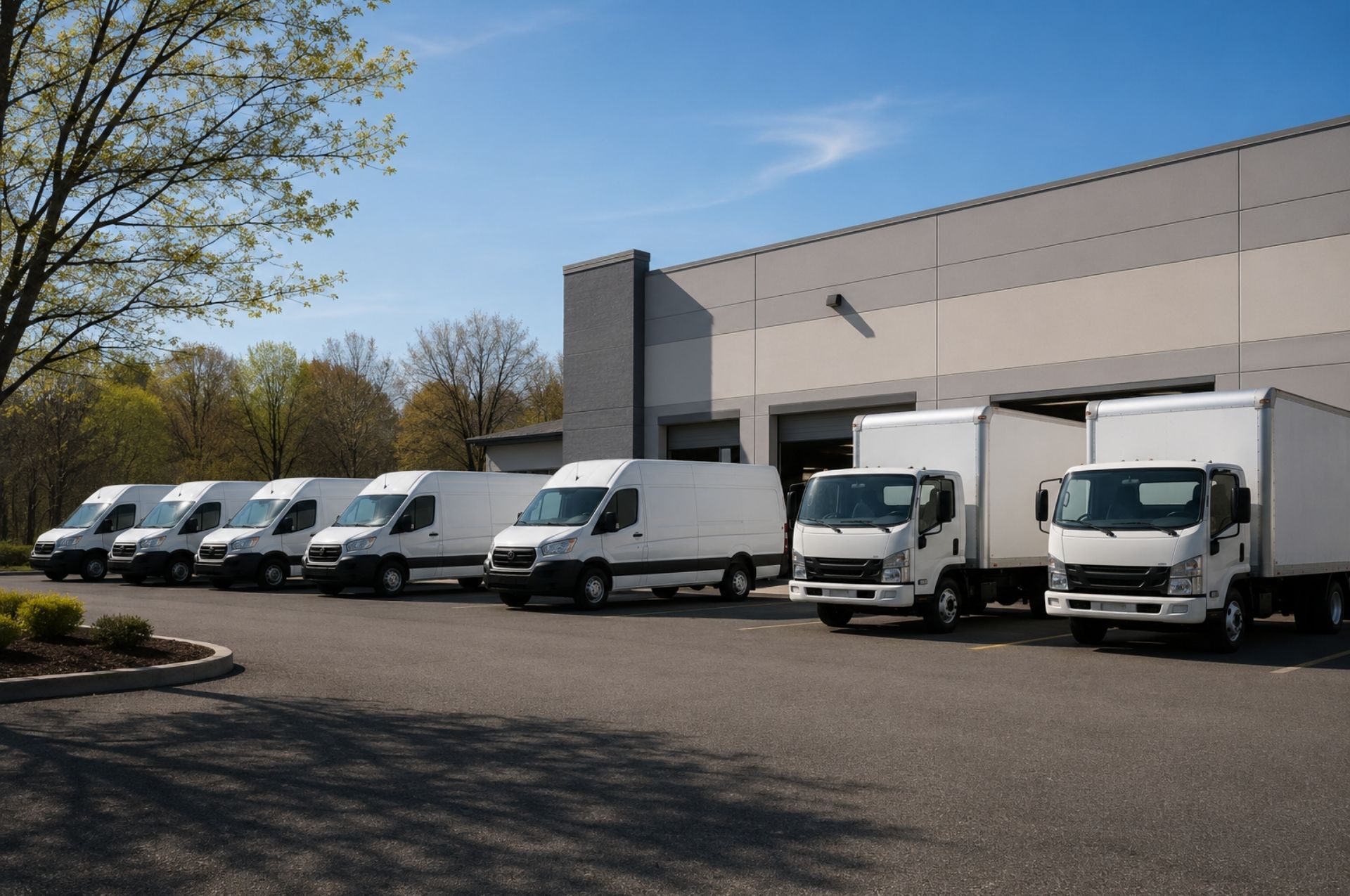
Running a business with multiple vehicles on Connecticut roads means dealing with a distinct set of insurance obligations that differ from personal auto coverage. Whether a company operates two delivery vans or fifty tractor-trailers, the state imposes specific financial responsibility standards that every fleet owner must satisfy before putting a single vehicle on the road. Connecticut fleet insurance rules and their associated costs can vary widely based on vehicle type, driver history, and the nature of the business itself. Understanding these requirements is not just a matter of regulatory compliance; it is also a critical factor in protecting a company's assets and long-term financial health.
The stakes are high. A single uninsured or underinsured vehicle involved in a serious accident can expose a business to lawsuits, regulatory penalties, and even the loss of operating authority. For companies operating across state lines, federal mandates layer on top of Connecticut's own rules, creating a compliance picture that demands careful attention. This guide breaks down the state's minimum requirements, the types of coverage available, the factors that drive premium costs, and the registration process for commercial vehicles, offering a practical resource for fleet owners and operations managers alike.
Connecticut Commercial Fleet Insurance Requirements
Connecticut law mandates that every motor vehicle registered in the state carry liability insurance, and commercial vehicles are no exception. The state's financial responsibility statutes apply to all businesses operating vehicles for commercial purposes, regardless of fleet size. Even a sole proprietor with a single work truck must maintain active coverage that meets or exceeds the state's minimum thresholds before the vehicle can be legally registered and operated.
The Connecticut Department of Motor Vehicles requires that commercial vehicle insurance be reported and maintained as a condition of registration. Failure to carry adequate coverage can result in fines, vehicle impoundment, and suspension of registration privileges. For businesses that hold operating authority from the Federal Motor Carrier Safety Administration (FMCSA), additional federal insurance requirements may also apply, often exceeding state minimums.
State Minimum Liability Limits
Standard commercial vehicles weighing under 10,001 pounds must carry minimum liability limits of $25,000 for bodily injury per person, $50,000 for bodily injury per accident, and $25,000 for property damage per accident. These 25/50/25 limits mirror Connecticut's personal auto requirements but serve as a baseline rather than a recommended level of protection. Most insurance professionals advise fleet owners to carry significantly higher limits, particularly if their vehicles travel on highways or transport goods of substantial value.
Heavier commercial vehicles and those transporting hazardous materials face
higher federal insurance requirements that supersede state minimums. For-hire carriers operating vehicles over 10,001 pounds, for example, must typically carry at least $750,000 in liability coverage, while hazmat haulers may need $1 million or more. Connecticut enforces these federal thresholds for interstate carriers registered in the state.
When Your Business Needs a Fleet Policy
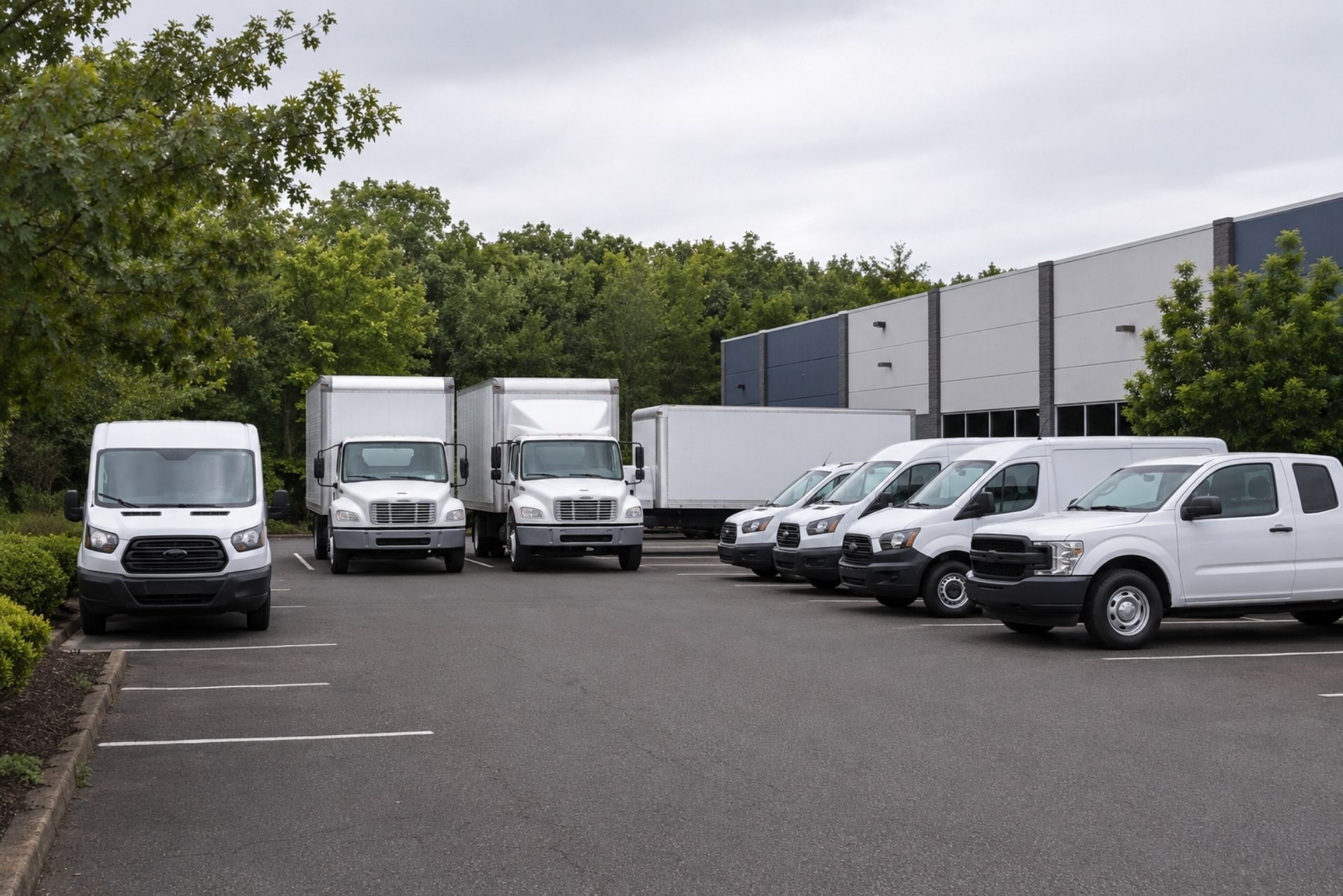
A fleet insurance policy becomes relevant once a business operates multiple vehicles. Most insurers define a "fleet" as five or more vehicles, though some carriers offer fleet pricing for as few as two or three. The primary advantage of a fleet policy over individual commercial auto policies is administrative simplicity: one policy, one renewal date, and often a volume discount on premiums.
Businesses that should consider fleet coverage include delivery services, construction companies, landscaping firms, transportation providers, and any organization that assigns vehicles to employees for work purposes. Even if some vehicles are titled to individual employees, a fleet policy may still be necessary if those vehicles are used primarily for business operations. The distinction between personal and commercial use is one of the most common coverage gaps that leads to denied claims, and Connecticut insurers scrutinize this boundary carefully.
Comparison of Connecticut Coverage Types
Connecticut fleet owners have access to several categories of commercial auto coverage, each addressing a different type of risk. The table below outlines the most common coverage types and their relevance to fleet operations.
| Coverage Type | What It Covers | Required? | Typical Use Case |
|---|---|---|---|
| Liability (BI/PD) | Injuries and property damage caused to others | Yes, by state law | All commercial vehicles |
| Uninsured/Underinsured Motorist | Accidents with drivers who lack adequate coverage | Yes, in CT (can be waived in writing) | Protection against underinsured at-fault drivers |
| Collision | Damage to the insured vehicle from an accident | No | Newer or high-value fleet vehicles |
| Comprehensive | Theft, vandalism, weather damage, animal strikes | No | Vehicles parked outdoors or in high-theft areas |
| Medical Payments | Medical expenses for vehicle occupants | No | Fleets with frequent passenger transport |
| Hired/Non-Owned Auto | Vehicles rented or owned by employees used for business | No | Businesses using employee-owned vehicles |
| Cargo Coverage | Damage to goods being transported | No (may be required by contract) | Delivery and freight operations |
Connecticut operates under a tort-based insurance system, meaning the at-fault driver's insurance is responsible for covering damages. This system makes liability coverage particularly important for fleet owners, since a single serious accident involving a company vehicle can generate claims well beyond the state minimum limits. Many fleet operators carry $1 million or more in combined single-limit liability to protect against catastrophic loss scenarios.
Uninsured motorist coverage deserves special attention. Connecticut requires it by default, though
business owners can reject it in writing. Given that a meaningful percentage of drivers on Connecticut roads remain uninsured or underinsured, waiving this coverage is a risk that most fleet managers should carefully evaluate before accepting.
Factors Influencing Fleet Insurance Costs in CT
Fleet insurance premiums in Connecticut are shaped by a combination of driver-specific, vehicle-specific, and business-specific variables. No two fleets pay the same rate, and understanding the key cost drivers can help business owners make informed decisions about coverage levels and risk management investments.
Annual premiums for a single commercial vehicle in Connecticut typically range from $1,200 to $3,500 or more, depending on the factors outlined below. Fleet policies with five or more vehicles often receive per-vehicle discounts of 5 to 15 percent compared to individually written policies, though this varies by insurer and the overall risk profile of the fleet.
Driver Records and Safety History
The driving records of all listed operators represent one of the most significant premium factors. Insurers pull motor vehicle reports for every driver on the policy, and violations such as DUIs, at-fault accidents, or multiple speeding tickets can dramatically increase costs. A fleet with ten clean-record drivers will pay substantially less than one with several drivers carrying recent violations.
Claims history matters just as much as individual driving records. A business that has filed multiple liability or collision claims in the past three to five years will face higher premiums and may even struggle to find coverage in the standard market. Investing in driver training programs, dash cameras, and telematics systems can help reduce both accident frequency and insurance costs over time. Some Connecticut insurers offer premium credits of 5 to 10 percent for fleets that implement approved safety programs.
Vehicle Types and Usage Radius
The types of vehicles in a fleet directly affect premium calculations. A fleet of sedans used for sales calls presents a very different risk profile than a fleet of heavy-duty dump trucks operating on construction sites. Heavier vehicles cause more damage in accidents and cost more to repair, both of which translate into higher premiums.
Usage radius is another critical variable. Vehicles that operate exclusively within a 50-mile radius of their base location generally cost less to insure than those traveling long distances or crossing state lines. Interstate operations introduce exposure to different state laws, higher-speed highway driving, and increased time on the road, all of which elevate risk.
Fleet owners in Connecticut who operate regionally may benefit from specifying a limited radius on their policy to reduce costs, provided the stated radius accurately reflects actual operations.
How to Register and Insure Commercial Vehicles with the DMV
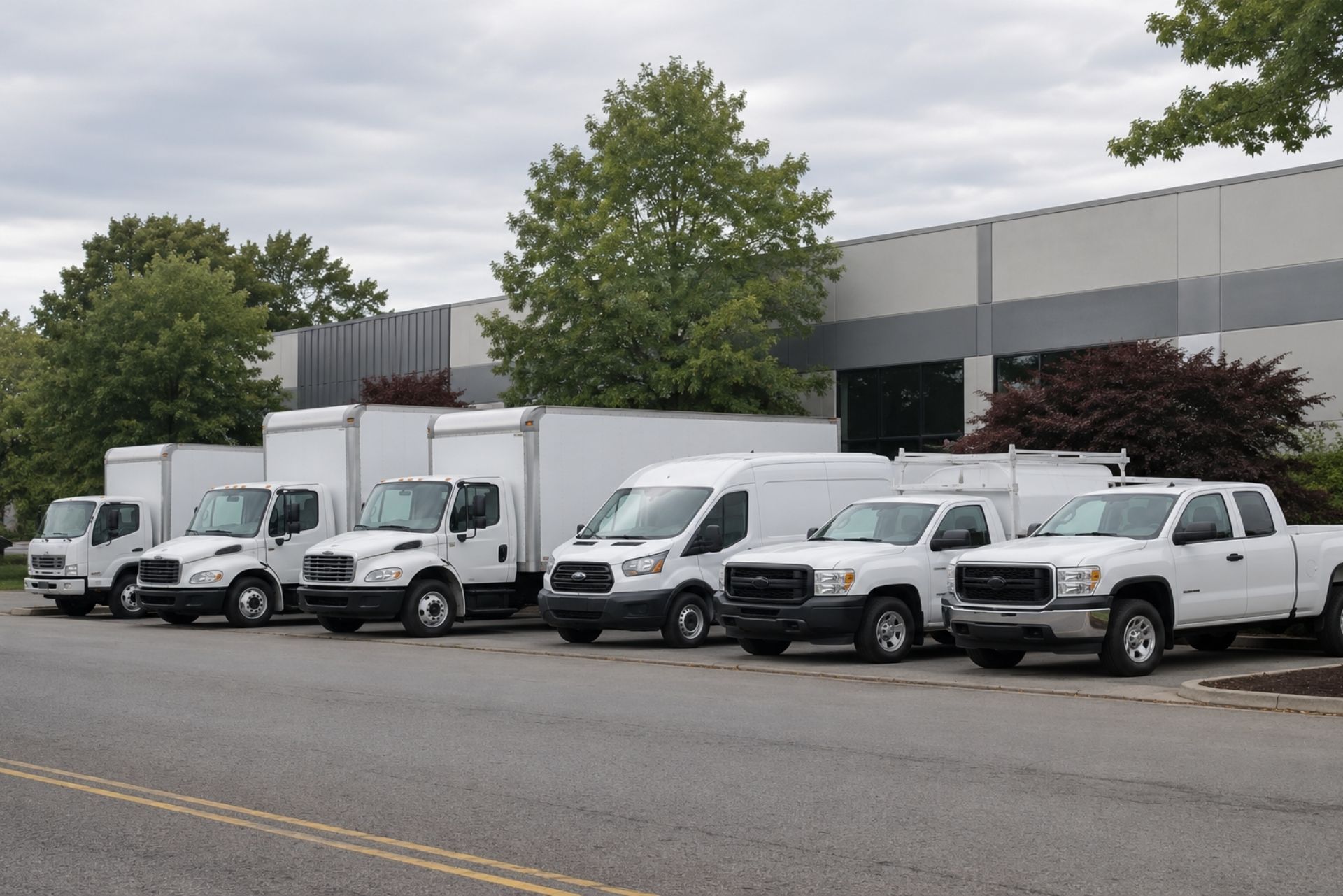
Registering a commercial vehicle in Connecticut involves a coordinated process between the business, its insurance carrier, and the DMV. The steps below outline the general sequence for getting a commercial vehicle road-ready.
- Obtain a commercial auto insurance policy that meets or exceeds Connecticut's minimum liability requirements before visiting the DMV.
- Gather required documentation, including proof of insurance (the insurance ID card), the vehicle title or manufacturer's certificate of origin, a completed registration application, and the business's federal EIN or tax identification number.
- Submit the application at a DMV office or through the state's online portal. Commercial registrations typically require payment of registration fees, which vary based on vehicle weight and type.
- For vehicles over 26,001 pounds or those requiring a CDL to operate, additional documentation such as a USDOT number and proof of FMCSA operating authority may be required.
- The DMV will verify insurance coverage electronically. If coverage lapses at any point, the state can suspend the vehicle's registration and impose reinstatement fees.
One common mistake fleet managers make is allowing a gap between purchasing a new vehicle and adding it to the insurance policy. Most fleet policies include a short grace period, often 30 days, for newly acquired vehicles, but this varies by carrier. Confirming the grace period terms with the insurer before acquiring additional vehicles can prevent an uninsured exposure window.
Common Questions About Connecticut Fleet Rules
Do all commercial vehicles in Connecticut need the same level of insurance? No. Minimum requirements depend on vehicle weight and the type of cargo transported. Vehicles under 10,001 pounds follow the state's 25/50/25 liability minimums, while heavier vehicles and hazmat carriers must meet higher federal thresholds.
Can a business insure personal and commercial vehicles on the same policy? Generally, no. Personal and commercial auto policies are underwritten differently, and mixing the two can lead to coverage denials. Vehicles used primarily for business purposes should be listed on a commercial policy.
Is commercial auto insurance more expensive than personal auto insurance? Yes, in most cases. Commercial policies carry higher premiums because they cover greater liability exposure, higher-value vehicles, and the additional risk associated with business use. The average cost of commercial auto coverage in Connecticut runs significantly higher than a comparable personal policy.
What happens if a fleet vehicle is involved in an accident without proper insurance? The business faces potential fines, license suspension, and personal liability for all damages. Connecticut's tort system means the at-fault party bears full financial responsibility, and without insurance, that burden falls directly on the business and its owners.
Does Connecticut require cargo insurance for delivery fleets? The state does not mandate cargo coverage, but many contracts and shippers require it. Carriers working with brokers or freight platforms will almost always need to carry cargo insurance as a condition of doing business.
Are there discounts available for fleets with safety technology? Many insurers offer discounts for fleets equipped with GPS tracking, dash cameras, collision avoidance systems, and telematics monitoring. These discounts
typically range from 5 to 15 percent depending on the carrier and the technology deployed.
What This Means for Your Business
Connecticut's commercial fleet insurance requirements establish a clear minimum standard, but the real question for most business owners is not whether they need coverage, but how much coverage adequately protects their operation. The state's 25/50/25 liability minimums are low relative to the actual cost of a serious accident, and any fleet owner relying solely on minimum limits is accepting significant financial exposure.
The most effective approach combines adequate liability limits, well-chosen optional coverages like collision and uninsured motorist protection, and a proactive risk management strategy that keeps premiums in check over time. Driver training, vehicle maintenance programs, and telematics adoption are not just safety measures; they are tools that directly influence what a business pays for insurance each year.
For fleet owners evaluating their current coverage or shopping for a new policy, the priority should be working with an agent or broker who specializes in
commercial auto insurance in Connecticut and understands the specific risks associated with the business's industry and vehicle types. A generalist personal lines agent may not have the expertise to structure a fleet policy that balances cost with genuine protection. Getting the right policy in place before an incident occurs is the single most important financial decision a fleet-dependent business can make.
About The Author:
Anton Reed
As Managing Principal of Adion Financial Group, I’m committed to helping individuals and businesses achieve financial security through strategic insurance and planning solutions. My focus is on building trust, delivering clarity, and ensuring every client receives expert guidance backed by experience and integrity.
Contact Us
Personal INSURANCE Coverage
Comprehensive Coverage for Every Personal Need
Business Insurance Solutions
Professional Liability Coverage for Service-Based Businesses
General Liability Insurance
Protects businesses from lawsuits related to injuries and property damage.
INDUSTRIES WE SERVE
Specialized Coverage for Leading Connecticut Industries
Contractors
Insurance
Whether you’re a general contractor or a specialized tradesperson, we offer coverage that protects against job site risks, equipment damage, and liability claims.

Commercial Truck Insurance
Whether you operate a single truck or an entire fleet, we provide coverage for cargo, liability, and physical damage to keep your business moving.
Restaurant Business Insurance
Keep your restaurant, café, or bar protected with coverage for property damage, liquor liability, foodborne illness, and employee injuries.

Commercial Real Estate Insurance
Safeguard your commercial properties, rental units, and office spaces from property damage, liability claims, and tenant-related risks.

“I’ve been with AFG for years. Their service is second to none, and I always feel confident that I’m covered.”
Sarah K.
Real Stories.
Real Protection.
Real Trust.
See Why Businesses and Families Trust Us for Coverage.

Quick Answers to Your Insurance Questions
Frequently Asked Questions
about Adion Financial Group
Understanding Insurance Starts with the Right Information
1. What types of insurance do you offer?
At Adion Financial Group, we offer a wide range of insurance options designed to meet the needs of both individuals and businesses. For individuals, we provide coverage for personal auto, home, renters, life, and health insurance. Whether you're looking to protect your home, your car, or your loved ones, we have a solution tailored to your needs.
2. How do I get a quote for insurance?
Getting an insurance quote with Adion Financial Group is simple and fast. First, visit our website and fill out the quote request form, providing some basic information about the type of insurance you need. If you prefer a more personal touch, you can also contact us directly, and one of our agents will walk you through the process.
3. What should I do if I need to file a claim?
If you need to file a claim, the first step is to notify us immediately. You can either call our office or submit your claim online, depending on your preference. Once we receive your claim, our team will guide you through the necessary steps and help you gather the required information.
4. How can I change my coverage or update my policy?
Making changes to your coverage or updating your policy is easy with Adion Financial Group. Whether you're moving to a new home, adding a vehicle, or expanding your business, we can help you adjust your insurance to reflect your current needs.
5. Why should I choose an independent insurance agency?
Choosing an independent insurance agency like Adion Financial Group provides you with a distinct advantage: we work for you, not an insurance company. Our independent status allows us to shop around with multiple carriers to find the most competitive rates and the best coverage options for your unique situation.
6. How can I make sure I have the right amount of coverage?
Determining the right amount of coverage can be overwhelming, but our team at Adion Financial Group is here to help. The first step is assessing your personal or business assets and identifying the potential risks you face. Whether you're an individual looking to protect your home and car, or a business owner trying to safeguard your employees and property, we will walk you through the different coverage options.
Stay Informed on Insurance Trends and Tips
Insights & Tips to Keep You Informed



Contact Us
Phone
Locations
Connecticut Location
703 Hebron Ave., 3rd Floor, Glastonbury, CT 06033
North Carolina Location
436 East 36th St., Charlotte, NC 28205