

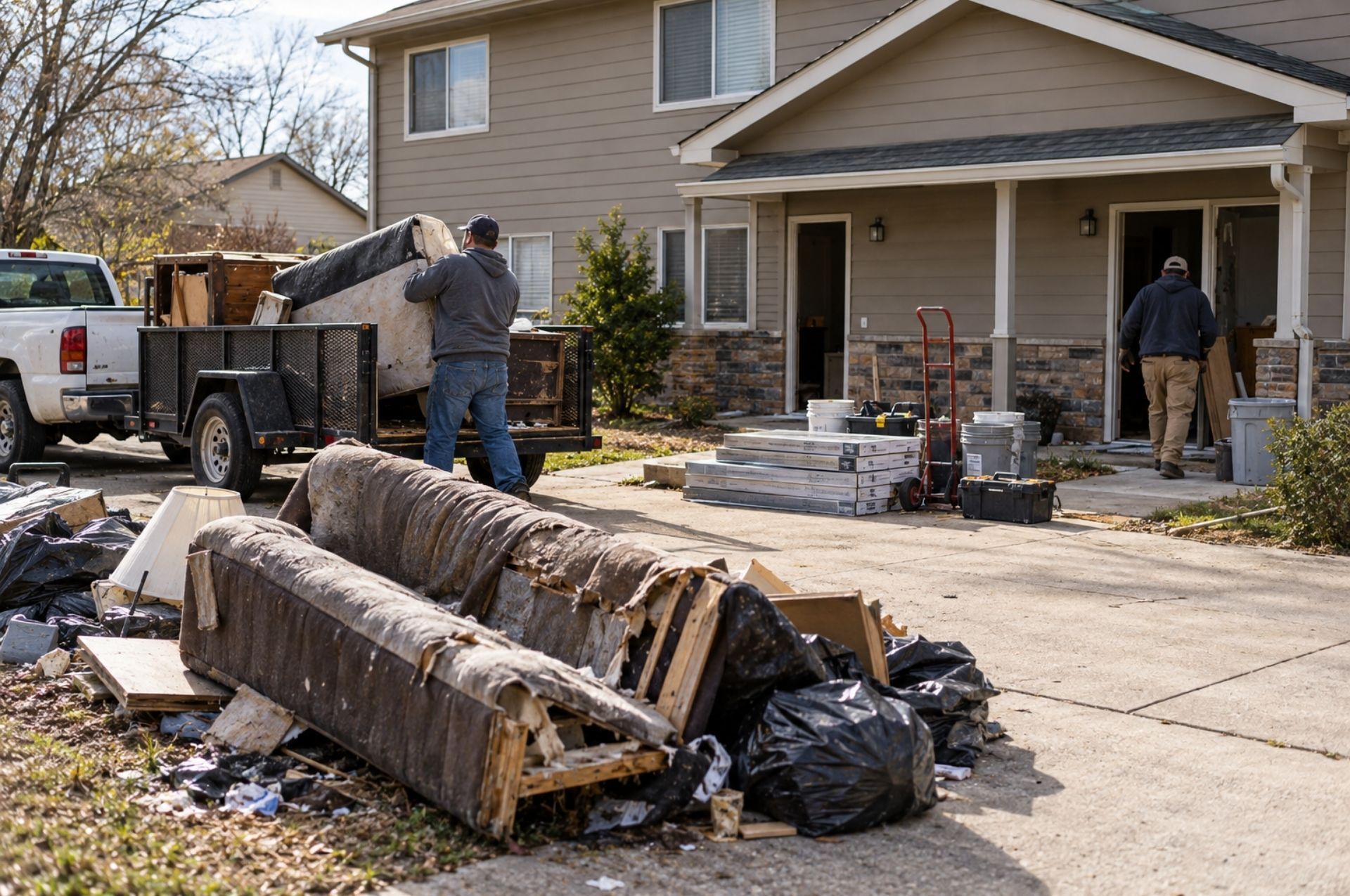
A rental property that has been trashed by a departing tenant is one of the most frustrating experiences a landlord can face. Understanding how
landlord insurance handles tenant-caused damage, from vandalism and negligence to liability questions, security deposit rules, and common policy exclusions, is essential for protecting a real estate investment. The distinction between what a policy covers and what falls squarely on the property owner is not always intuitive, and the financial consequences of guessing wrong can be significant. Landlord insurance premiums already
cost roughly 25% more than standard homeowners' insurance because of the elevated risks that come with renting to others. That added cost makes it all the more important to know exactly what protection those premiums actually buy. This guide breaks down how different types of tenant damage interact with insurance coverage, what steps landlords should take before and after damage occurs, and where the most common gaps in protection tend to appear.
Understanding Landlord Insurance and Tenant Damage
Landlord insurance, sometimes called a dwelling fire policy or rental property policy, is designed to protect the structure and the owner's financial interest rather than the tenant's belongings. Most standard policies cover damage from named perils such as fire, windstorms, hail, and lightning. The challenge is that tenant-caused damage does not fit neatly into one category. A tenant who accidentally starts a kitchen fire creates a very different insurance scenario than one who punches holes in every wall out of anger, and both differ from the slow deterioration that comes with years of normal occupancy.
Accidental Damage vs. Normal Wear and Tear
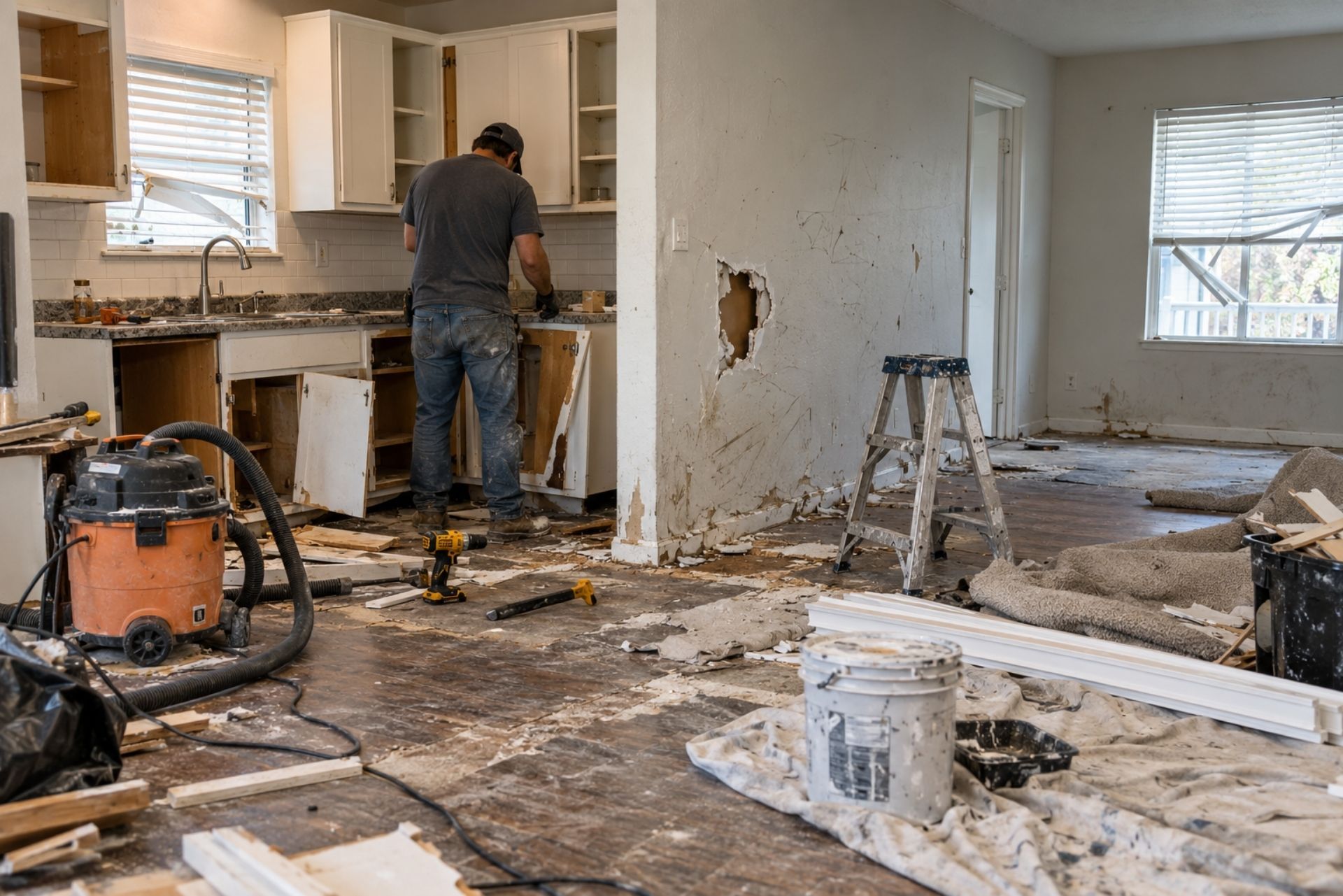
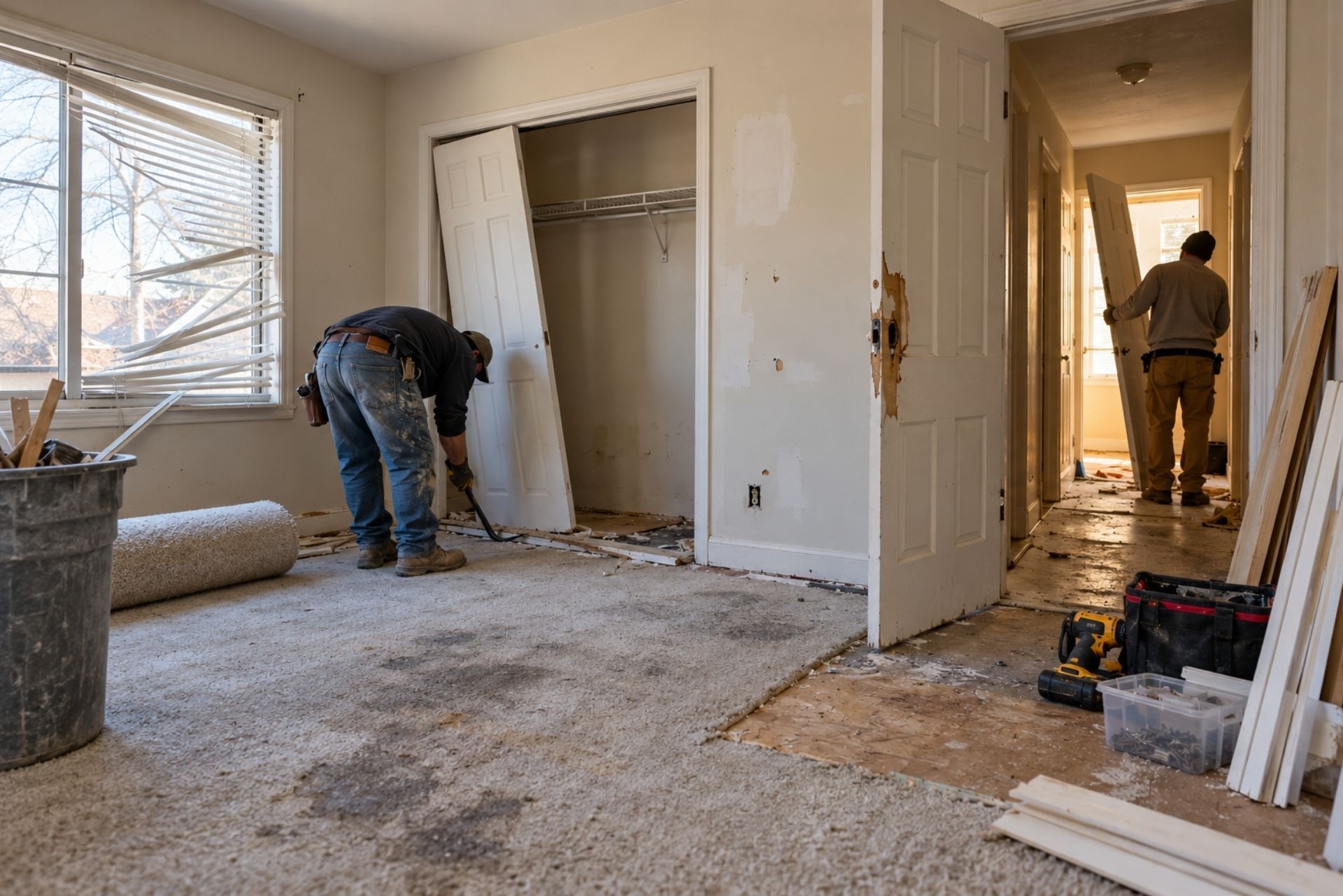
Normal wear and tear, such as faded paint, minor scuff marks on hardwood floors, or a worn-out carpet after several years of use, is never covered by landlord insurance. Insurers consider this the cost of doing business as a rental property owner. Accidental damage is different. If a tenant accidentally breaks a pipe while hanging a shelf, or a child knocks over a space heater and scorches the flooring, these incidents may fall under covered perils depending on the specific policy language. The key distinction is that the damage must result from a sudden, identifiable event rather than gradual decline.
Intentional Damage and Vandalism Coverage
Vandalism coverage exists in most
landlord policies, but a critical nuance often surprises property owners. In insurance terms,
vandalism generally refers to damage caused by a third party who does not have legal access to the property. A stranger breaking in and spray-painting walls is vandalism. A current tenant destroying the unit during a lease dispute is often excluded because the tenant has lawful access. Some policies do extend malicious mischief coverage to include tenant-caused intentional damage, but this is not universal. Vacancy also matters: in 2026, some dwelling-fire forms have
reduced the vacancy window for excluding vandalism coverage to just 30 days, meaning a property left empty between tenants may lose this protection faster than expected.
Standard Coverage vs. Optional Add-ons
Not all landlord policies are created equal, and the difference between a basic policy and a more comprehensive one can determine whether a claim for tenant damage gets paid or denied. Understanding the policy form is the first step in evaluating whether existing coverage is adequate.
Comparison: Basic DP-1 vs. Comprehensive DP-3 Policies
| Feature | DP-1 (Basic) | DP-3 (Comprehensive) |
|---|---|---|
| Coverage basis | Named perils only | Open perils (all risks unless excluded) |
| Vandalism/malicious mischief | Often excluded or optional | Typically included |
| Accidental tenant damage | Rarely covered | Covered unless specifically excluded |
| Loss of rental income | Usually not included | Often included or available as add-on |
| Water damage from tenant negligence | Not covered | May be covered depending on cause |
| Cost | Lower premiums | Higher premiums, broader protection |
A DP-1 policy covers only the perils explicitly listed, which usually means fire, lightning, and a handful of other events. A DP-3 policy flips the approach: it covers everything except what the policy specifically excludes. For landlords concerned about tenant damage, a DP-3 offers significantly more protection, though it still will not cover normal wear and tear or damage from pests, mold, or deferred maintenance.
Negligence, Liability, and What Falls Through the Cracks
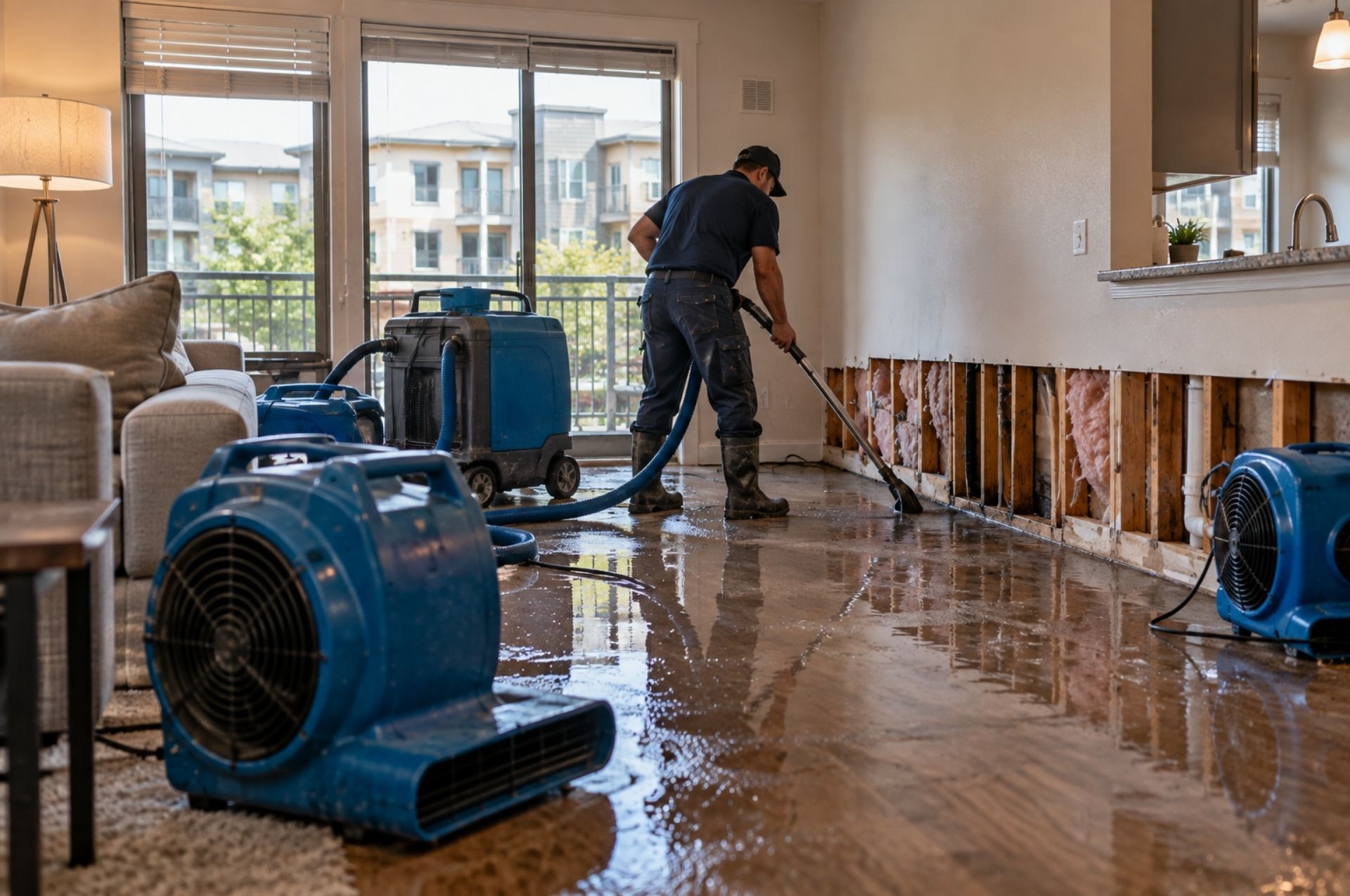
One of the most misunderstood areas of landlord insurance involves tenant negligence. If a tenant leaves a bathtub running and floods the unit below, the resulting water damage to the building may be covered under the landlord's property insurance. The tenant's personal liability for that damage, however, is a separate matter. Landlord liability coverage protects the property owner from lawsuits, typically those involving injuries on the property, not from damage the tenant causes to the rental unit itself. This gap between property coverage and liability coverage is where many landlords find themselves unexpectedly exposed. Policies also commonly exclude damage from tenants running illegal operations, infestations caused by tenant behavior, and slow leaks that a tenant failed to report. Reading the exclusions section of a policy is just as important as understanding what is covered.
The Role of Security Deposits and Renter's Insurance
Insurance is not meant to be the first line of defense against tenant damage. Two other financial tools, security deposits and renter's insurance, play a critical role in a landlord's overall risk management strategy.
Exhausting the Security Deposit First
Most insurers expect landlords to apply the security deposit toward tenant-caused damage before filing a claim. In many states, the security deposit is legally designated for exactly this purpose: covering damage beyond normal wear and tear. California's AB 2801, effective January 1, 2026, has raised the stakes for landlords by requiring that those who fail to provide before-and-after photos of a rental unit may forfeit their right to claim security deposit damages. This means that thorough documentation is no longer just good practice; in some jurisdictions, it is a legal prerequisite to retaining deposit funds.
Requiring Liability Coverage in Lease Agreements
A growing number of landlords now require tenants to carry renter's insurance as a condition of the lease. Renter's insurance typically includes personal liability coverage, which can pay for damage the tenant causes to the rental property. If a tenant's cooking fire damages the kitchen, the landlord can file a claim against the tenant's liability policy rather than their own landlord policy. This approach protects the landlord's claims history and keeps premiums stable. Lease clauses requiring renter's insurance should specify minimum liability limits, and landlords should request proof of coverage at lease signing and renewal.
How to File a Claim for Tenant Damage
When tenant damage exceeds what the security deposit covers and falls within the scope of the insurance policy, filing a claim becomes necessary. The process requires careful preparation to avoid delays or denials.
Documenting the Damage with Evidence
Thorough documentation is the foundation of any successful insurance claim. Landlords should photograph and video-record every room immediately after the tenant vacates, capturing damage from multiple angles. Keeping move-in inspection reports and photos is equally important because recovery for damage is increasingly determined by what was documented before the tenant moved in, not simply by how obvious the damage appears at move-out. Written estimates from licensed contractors, receipts for any emergency repairs, and copies of communication with the tenant all strengthen the claim file. Filing a police report is advisable when vandalism or criminal behavior is involved, as insurers often require one before processing a vandalism claim.
Evaluating Your Deductible vs. Repair Costs
Before filing a claim, landlords should compare the estimated repair costs against their policy deductible. If the damage amounts to $3,000 and the deductible is $2,500, the insurance payout would only be $500, and the claim would still appear on the landlord's loss history. Frequent claims can lead to premium increases or even non-renewal, so filing for marginal amounts is rarely worth the long-term cost. A general rule: if the repair cost is not at least double the deductible, paying out of pocket and preserving a clean claims record is often the wiser financial decision.
Frequently Asked Questions About Tenant Damage
Does landlord insurance cover a tenant's broken window? If the break was accidental or caused by a storm, it is usually covered under a DP-3 policy, but the repair cost must exceed the deductible to make filing worthwhile. A DP-1 policy may not cover accidental breakage at all, so checking the specific policy form matters.
What happens if my tenant ruins the carpet? Stained or worn carpet is almost always classified as wear and tear and is not covered by insurance. Coverage would only apply if the carpet was destroyed by a covered peril, such as a fire or burst pipe, rather than by everyday use or neglect.
Will my rates go up if I file a claim for tenant vandalism? Yes, frequent claims can result in higher premiums or policy non-renewal. For smaller repair amounts, paying out of pocket and keeping the claims history clean is often the better financial move.
Can I sue a tenant for damages that insurance does not cover? Landlords can pursue a civil judgment for costs exceeding the security deposit, and small claims court is a common venue for these disputes. That said, collecting on a judgment against a former tenant who has limited assets can be difficult and time-consuming.
The Bottom Line for Property Owners
Protecting a rental property from tenant damage requires more than just an insurance policy. It requires the right type of policy, proper documentation habits, strategic use of security deposits, and lease terms that shift some risk back to the tenant through renter's insurance requirements. The gaps between vandalism coverage, negligence exclusions, and liability protections are where landlords most often find themselves paying out of pocket for damage they assumed was covered.
Start by reviewing the current policy form to confirm whether it is a DP-1 or DP-3, and read the exclusions section carefully. Implement move-in and move-out photo documentation for every unit, require renter's insurance in every lease, and set deductibles at a level that discourages filing small claims. These steps will not prevent every loss, but they will ensure that when significant tenant damage does occur, the financial impact is manageable and the path to recovery is clear.
About The Author:
Anton Reed
As Managing Principal of Adion Financial Group, I’m committed to helping individuals and businesses achieve financial security through strategic insurance and planning solutions. My focus is on building trust, delivering clarity, and ensuring every client receives expert guidance backed by experience and integrity.
Contact Us
Personal INSURANCE Coverage
Comprehensive Coverage for Every Personal Need
Business Insurance Solutions
Professional Liability Coverage for Service-Based Businesses
General Liability Insurance
Protects businesses from lawsuits related to injuries and property damage.
INDUSTRIES WE SERVE
Specialized Coverage for Leading Connecticut Industries
Contractors
Insurance
Whether you’re a general contractor or a specialized tradesperson, we offer coverage that protects against job site risks, equipment damage, and liability claims.

Commercial Truck Insurance
Whether you operate a single truck or an entire fleet, we provide coverage for cargo, liability, and physical damage to keep your business moving.

Restaurant Business Insurance
Keep your restaurant, café, or bar protected with coverage for property damage, liquor liability, foodborne illness, and employee injuries.

Commercial Real Estate Insurance
Safeguard your commercial properties, rental units, and office spaces from property damage, liability claims, and tenant-related risks.

“I’ve been with AFG for years. Their service is second to none, and I always feel confident that I’m covered.”
Sarah K.
Real Stories.
Real Protection.
Real Trust.
See Why Businesses and Families Trust Us for Coverage.

Quick Answers to Your Insurance Questions
Frequently Asked Questions
about Adion Financial Group
Understanding Insurance Starts with the Right Information
1. What types of insurance do you offer?
At Adion Financial Group, we offer a wide range of insurance options designed to meet the needs of both individuals and businesses. For individuals, we provide coverage for personal auto, home, renters, life, and health insurance. Whether you're looking to protect your home, your car, or your loved ones, we have a solution tailored to your needs.
2. How do I get a quote for insurance?
Getting an insurance quote with Adion Financial Group is simple and fast. First, visit our website and fill out the quote request form, providing some basic information about the type of insurance you need. If you prefer a more personal touch, you can also contact us directly, and one of our agents will walk you through the process.
3. What should I do if I need to file a claim?
If you need to file a claim, the first step is to notify us immediately. You can either call our office or submit your claim online, depending on your preference. Once we receive your claim, our team will guide you through the necessary steps and help you gather the required information.
4. How can I change my coverage or update my policy?
Making changes to your coverage or updating your policy is easy with Adion Financial Group. Whether you're moving to a new home, adding a vehicle, or expanding your business, we can help you adjust your insurance to reflect your current needs.
5. Why should I choose an independent insurance agency?
Choosing an independent insurance agency like Adion Financial Group provides you with a distinct advantage: we work for you, not an insurance company. Our independent status allows us to shop around with multiple carriers to find the most competitive rates and the best coverage options for your unique situation.
6. How can I make sure I have the right amount of coverage?
Determining the right amount of coverage can be overwhelming, but our team at Adion Financial Group is here to help. The first step is assessing your personal or business assets and identifying the potential risks you face. Whether you're an individual looking to protect your home and car, or a business owner trying to safeguard your employees and property, we will walk you through the different coverage options.
Stay Informed on Insurance Trends and Tips
Insights & Tips to Keep You Informed


Contact Us
Phone
Locations
Connecticut Location
703 Hebron Ave., 3rd Floor, Glastonbury, CT 06033
North Carolina Location
436 East 36th St., Charlotte, NC 28205