

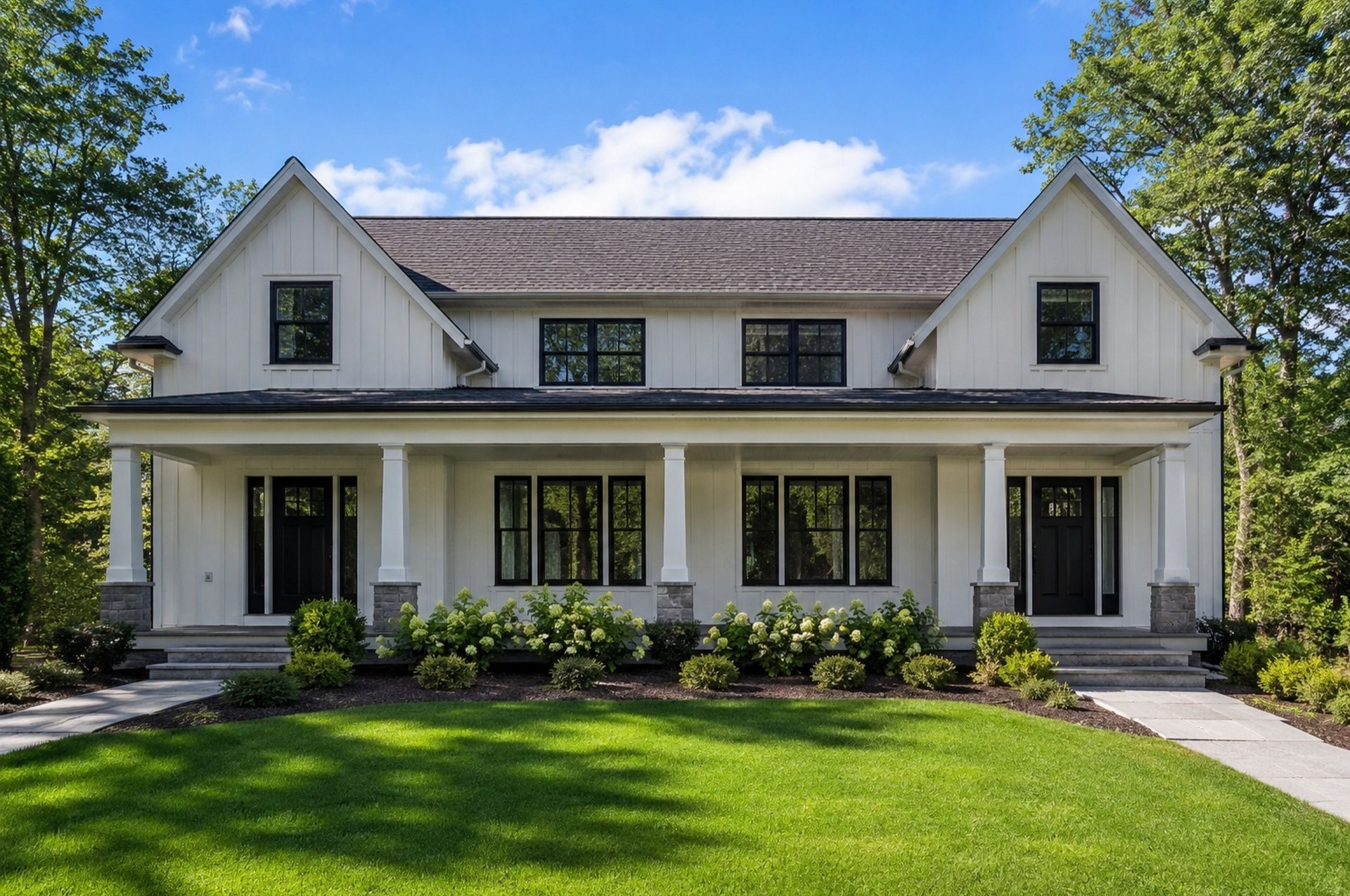
Owning a duplex in Connecticut presents a unique set of insurance challenges that single-family homeowners rarely encounter. Whether the property serves as a primary residence with a rental unit or operates as a full investment property, the coverage requirements differ significantly from a standard homeowners policy. Connecticut's coastal exposure, aging housing stock, and evolving insurance market all shape the way carriers price and structure these policies. The
average requested rate increase for Connecticut homeowners insurance dropped to 9.1% for 2025, down from 14.4% the year prior, but duplex owners often face higher premiums due to the added complexity of multi-unit properties. Understanding the right policy structure, coverage limits, and risk factors can mean the difference between a well-protected investment and a costly gap in coverage. This guide breaks down the essential considerations for insuring a duplex in Connecticut, from policy types and coverage options to the regional factors that influence premiums across the state.
Understanding Duplex Insurance in Connecticut
A duplex is classified as a two-family dwelling, and that distinction matters greatly in the insurance world. Carriers evaluate duplexes differently than single-family homes because they involve multiple living spaces, often with separate tenants, which introduces additional liability exposure and property risk. Connecticut insurers generally offer two main pathways for covering a duplex: a modified homeowners policy for owner-occupied units or a dedicated dwelling fire policy for investment properties. The choice between these two paths affects everything from premium costs to the scope of available endorsements.
Connecticut's insurance regulatory environment also plays a role. The state Department of Insurance reviews rate filings and monitors carrier practices, which provides some consumer protection but does not eliminate the need for careful policy selection. Duplex owners should approach insurance as a distinct discipline, separate from the standard homeowners coverage most people are familiar with.
Owner-Occupied vs. Non-Owner Occupied Policies
The most fundamental question any duplex owner must answer is whether the property is owner-occupied. If the owner lives in one unit and rents out the other, a standard HO-3 homeowners policy can sometimes be modified with endorsements to cover the rental portion. This approach tends to be less expensive and offers broader personal property and liability protections for the owner's unit.
Non-owner occupied duplexes, where both units are rented to tenants, require a dwelling fire policy (DP-1, DP-2, or DP-3). These policies are designed specifically for investment properties and do not include personal property coverage for the owner, since the owner does not reside on-site. They focus instead on the structure, liability, and rental income. Carriers in Connecticut treat these two scenarios very differently during underwriting, so misrepresenting occupancy status can lead to claim denials or policy cancellations.
Why Standard Homeowners Insurance Is Not Enough
A typical HO-3 homeowners policy is built around the assumption that one family occupies the entire structure. It does not account for the legal and financial exposure that comes with having tenants. Landlord liability, loss of rental income, and damage caused by tenants are risks that fall outside the scope of most standard policies.
Consider a scenario where a tenant's guest slips on an icy walkway and files a lawsuit. A standard homeowners policy may deny the claim if the injured party was visiting a rental unit, not the owner's residence. Similarly, if a fire renders both units uninhabitable, a standard policy may only cover the owner's living expenses, not the lost rental income from the tenant's unit. These gaps can cost tens of thousands of dollars. Duplex-specific coverage addresses these exposures directly, making it an essential investment rather than an optional upgrade.
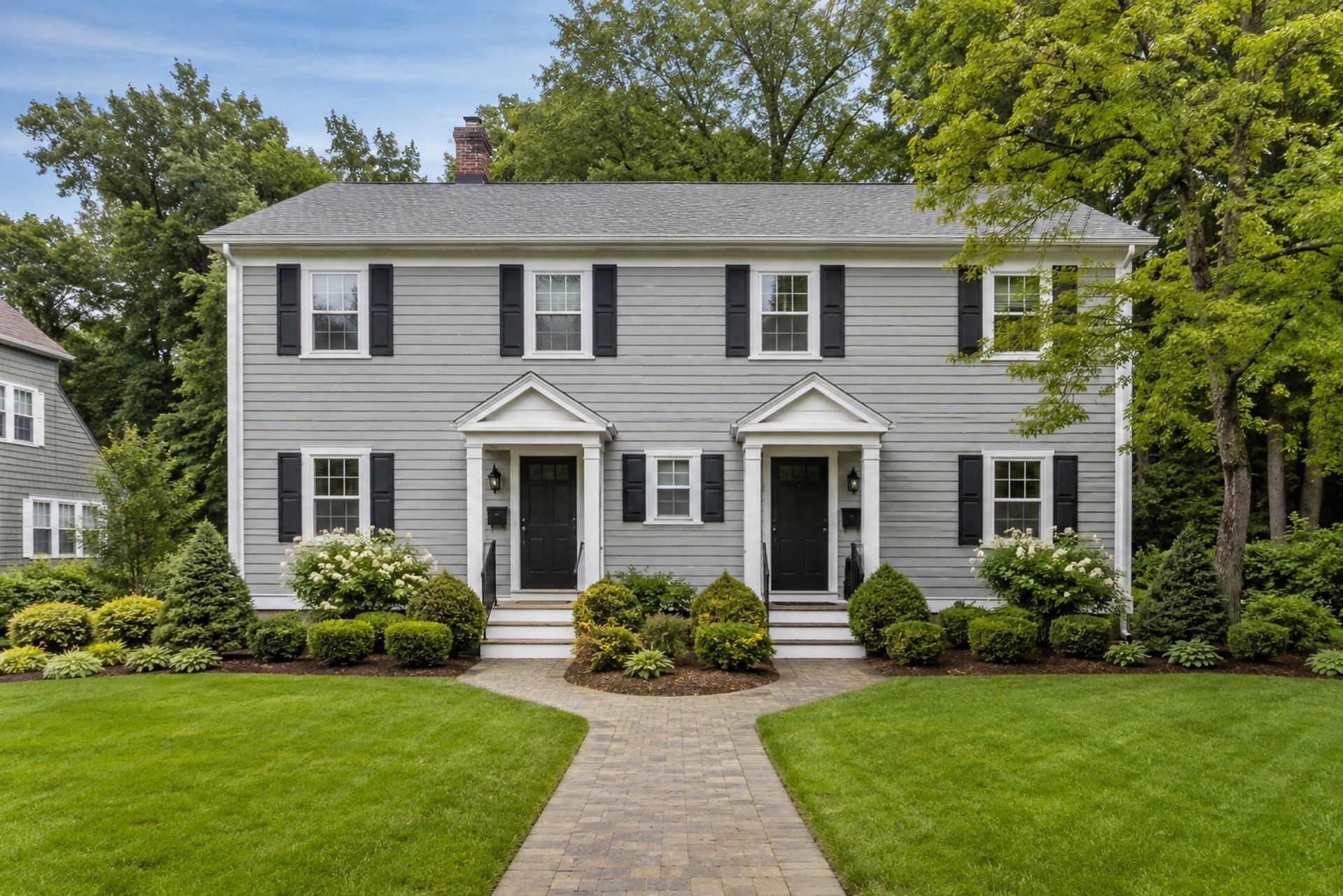
Selecting the right coverage for a Connecticut duplex means understanding which protections are essential and which are optional but valuable. A well-structured policy should address the physical structure, liability risks, and income loss potential that come with operating a multi-unit property.
Dwelling and Other Structures Coverage
Dwelling coverage protects the physical structure of the duplex itself, including walls, roofing, plumbing, electrical systems, and built-in appliances. For a two-family property, the dwelling limit should reflect the full replacement cost of the entire building, not just one unit. Many duplex owners in Connecticut underestimate this figure, particularly for older properties where reconstruction costs can exceed market value due to code upgrade requirements.
Other structures coverage applies to detached garages, sheds, fences, and similar features on the property. Connecticut duplexes built before 1960 often have separate carriage houses or outbuildings that need their own coverage allocation. A typical policy sets other structures coverage at 10% of the dwelling limit, but owners should verify this amount against actual replacement costs.
Liability Protection for Landlords
Liability coverage is arguably the most critical component of any duplex insurance policy. It protects against lawsuits arising from bodily injury or property damage that occurs on the premises. For landlords, the risk profile is broader than for a typical homeowner because tenants and their guests are on the property regularly, and the owner has a legal duty to maintain safe conditions.
Connecticut courts have historically held landlords to a high standard of care, particularly regarding common areas, stairways, and exterior walkways. A minimum liability limit of $300,000 is standard, but many insurance professionals recommend $500,000 or higher for duplex owners. An umbrella policy can extend this protection to $1 million or more for a relatively modest additional premium, often under $300 per year.
Loss of Rental Income Protection
If a covered event, such as a fire or severe storm damage, makes a rental unit uninhabitable, loss of rental income coverage replaces the rent payments the owner would have received during the repair period. This coverage is especially valuable in Connecticut, where average two-bedroom rents in many markets exceed $1,500 per month. A six-month repair timeline could mean $9,000 or more in lost income without this protection.
Most DP-3 policies include loss of rental income as a standard feature, but DP-1 and DP-2 policies may not. Owners should confirm the coverage period and any caps on the benefit amount. Some policies limit reimbursement to 12 months, while others use a percentage of the dwelling coverage as the maximum payout.
Comparing Policy Types: DP-1, DP-2, and DP-3
The three dwelling fire policy forms available in Connecticut differ significantly in scope, and the premium gap between them is often smaller than owners expect.
| Feature | DP-1 (Basic) | DP-2 (Broad) | DP-3 (Special) |
|---|---|---|---|
| Peril Coverage | Named perils only | Broader named perils | Open peril (all risks unless excluded) |
| Valuation | Actual cash value | Replacement cost available | Replacement cost standard |
| Theft Coverage | Not included | Included | Included |
| Loss of Rent | Not standard | Often included | Standard |
| Liability | Optional add-on | Often included | Standard |
| Best For | Budget-conscious, low-value properties | Mid-range investment properties | Full protection for valuable duplexes |
A DP-1 policy covers only a short list of named perils, such as fire, lightning, and windstorm, and typically pays claims on an actual cash value basis, meaning depreciation reduces the payout. A DP-2 expands the peril list and often includes replacement cost valuation. The DP-3 provides the broadest protection, covering all risks unless specifically excluded in the policy language. For most Connecticut duplex owners, the DP-3 offers the best balance of protection and value, particularly given the state's exposure to nor'easters, coastal flooding, and aging infrastructure risks.
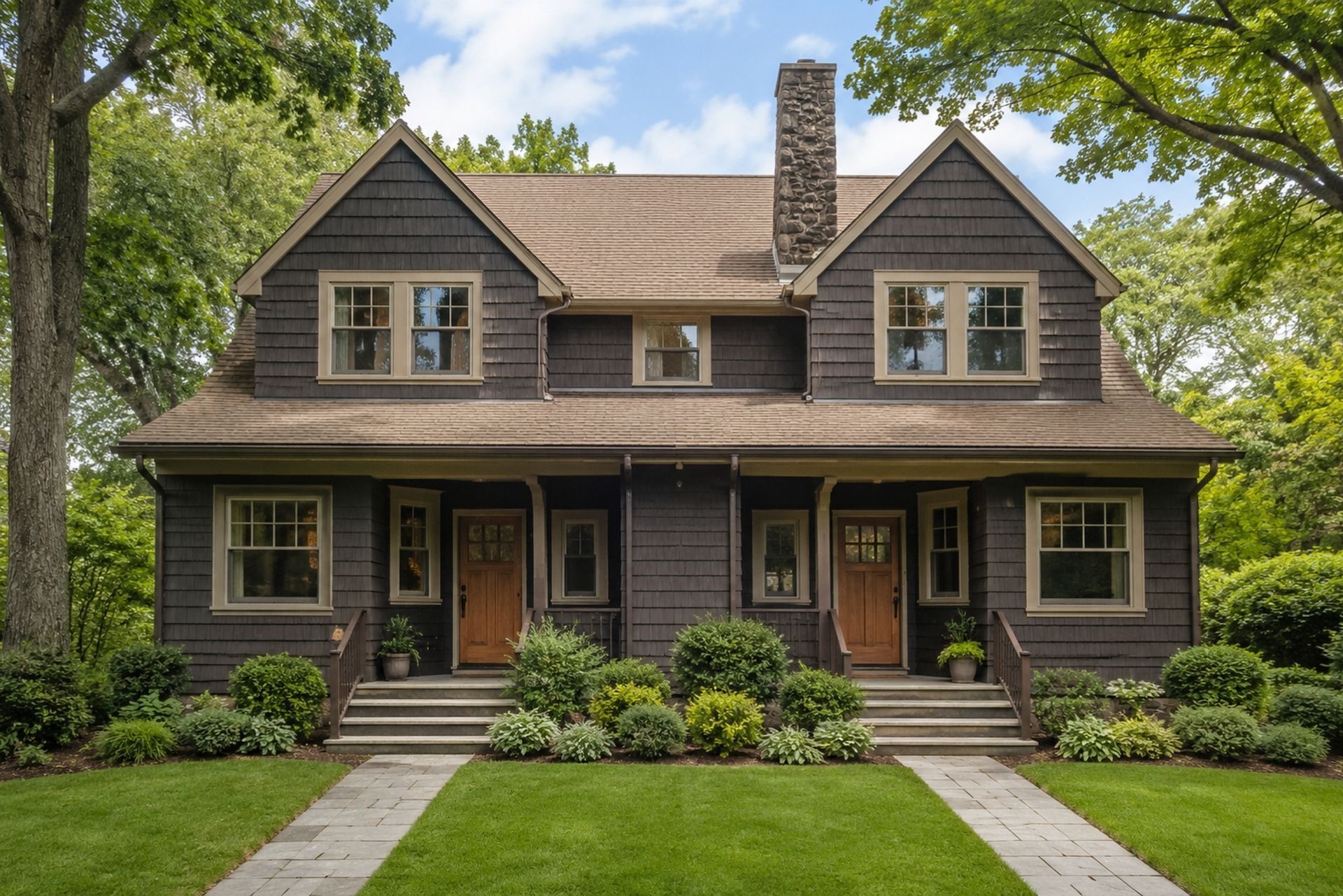
Several variables influence the cost of insuring a duplex in Connecticut, and understanding them can help owners manage expenses without sacrificing necessary coverage.
Coastal Risks and Windstorm Deductibles
Properties located within designated coastal zones face higher premiums due to hurricane and windstorm exposure. Connecticut insurers commonly apply a separate windstorm deductible, often calculated as a percentage of the dwelling coverage rather than a flat dollar amount. A 2% windstorm deductible on a duplex insured for $400,000 means the owner pays the first $8,000 of any wind-related claim out of pocket.
Towns along the Long Island Sound, including Stamford, Norwalk, Bridgeport, and New Haven, carry elevated risk profiles that affect insurance pricing. Owners in these areas should compare quotes from multiple carriers, as pricing for coastal properties varies widely. Inland properties in towns like Hartford, Waterbury, or Torrington generally face lower windstorm premiums but may still encounter flood risk near rivers and streams.
Property Age and System Upgrades
Connecticut has one of the oldest housing stocks in the nation, and many duplexes were built before 1950. Older electrical wiring, galvanized plumbing, and oil-fired heating systems all raise red flags during underwriting. Carriers may decline coverage or charge significantly higher premiums for properties with knob-and-tube wiring, fuse panels, or polybutylene plumbing.
Upgrading key systems can reduce premiums by 10% to 20% in many cases. Replacing a fuse box with a 200-amp breaker panel, installing a new roof, or converting from oil to natural gas heat all signal lower risk to insurers. Documenting these upgrades with receipts and inspection reports gives owners bargaining power when shopping for quotes.
Common Questions About Connecticut Duplex Insurance
Do both tenants need their own renters insurance? Renters insurance is not legally required in Connecticut, but landlords can mandate it in the lease. Requiring tenants to carry renters insurance with a minimum of $100,000 in liability coverage protects both the tenant and the landlord by reducing the likelihood of cross-claims.
Does flood insurance come standard with a duplex policy? No. Flood damage is excluded from all standard dwelling fire and homeowners policies. Duplex owners in flood-prone areas must purchase a separate flood policy through the National Flood Insurance Program or a private carrier. Premiums depend on the property's flood zone designation and elevation.
Can one policy cover both units of a duplex? Yes. A single dwelling fire policy or modified homeowners policy covers the entire structure. Each unit does not need a separate policy, though coverage limits should reflect the full replacement cost of the complete building.
How often should duplex owners review their coverage? An annual review is the minimum recommendation. Owners should also revisit coverage after completing renovations, adjusting rent prices, or experiencing changes in local building costs that affect replacement values.
Is an umbrella policy worth it for a duplex owner? For most landlords, yes. An umbrella policy provides an additional layer of liability protection beyond the base policy limits. Given that a single slip-and-fall lawsuit can exceed $500,000 in medical costs and legal fees, the $200 to $400 annual premium for $1 million in umbrella coverage is a sound investment.
Making the Right Choice for Your Investment
Choosing the right insurance for a Connecticut duplex requires more than simply finding the lowest premium. The policy must address the specific risks that come with multi-unit ownership, from tenant liability and rental income loss to coastal windstorm exposure and aging building systems. A DP-3 policy offers the most comprehensive protection for most duplex owners, though owner-occupied properties may benefit from a modified homeowners approach.
The most effective strategy involves gathering quotes from at least three carriers, verifying that coverage limits reflect true replacement costs, and confirming that windstorm deductibles and flood exclusions are clearly understood. Working with an independent insurance agent who specializes in multi-family properties can reveal options and endorsements that direct-to-consumer carriers may not offer. Protecting a duplex investment starts with the right policy, and the time spent comparing options now can prevent significant financial loss later.
About The Author:
Anton Reed
As Managing Principal of Adion Financial Group, I’m committed to helping individuals and businesses achieve financial security through strategic insurance and planning solutions. My focus is on building trust, delivering clarity, and ensuring every client receives expert guidance backed by experience and integrity.
Contact Us
Personal INSURANCE Coverage
Comprehensive Coverage for Every Personal Need
Business Insurance Solutions
Professional Liability Coverage for Service-Based Businesses
General Liability Insurance
Protects businesses from lawsuits related to injuries and property damage.
INDUSTRIES WE SERVE
Specialized Coverage for Leading Connecticut Industries
Contractors
Insurance
Whether you’re a general contractor or a specialized tradesperson, we offer coverage that protects against job site risks, equipment damage, and liability claims.

Commercial Truck Insurance
Whether you operate a single truck or an entire fleet, we provide coverage for cargo, liability, and physical damage to keep your business moving.

Restaurant Business Insurance
Keep your restaurant, café, or bar protected with coverage for property damage, liquor liability, foodborne illness, and employee injuries.

Commercial Real Estate Insurance
Safeguard your commercial properties, rental units, and office spaces from property damage, liability claims, and tenant-related risks.

“I’ve been with AFG for years. Their service is second to none, and I always feel confident that I’m covered.”
Sarah K.
Real Stories.
Real Protection.
Real Trust.
See Why Businesses and Families Trust Us for Coverage.

Quick Answers to Your Insurance Questions
Frequently Asked Questions
about Adion Financial Group
Understanding Insurance Starts with the Right Information
1. What types of insurance do you offer?
At Adion Financial Group, we offer a wide range of insurance options designed to meet the needs of both individuals and businesses. For individuals, we provide coverage for personal auto, home, renters, life, and health insurance. Whether you're looking to protect your home, your car, or your loved ones, we have a solution tailored to your needs.
2. How do I get a quote for insurance?
Getting an insurance quote with Adion Financial Group is simple and fast. First, visit our website and fill out the quote request form, providing some basic information about the type of insurance you need. If you prefer a more personal touch, you can also contact us directly, and one of our agents will walk you through the process.
3. What should I do if I need to file a claim?
If you need to file a claim, the first step is to notify us immediately. You can either call our office or submit your claim online, depending on your preference. Once we receive your claim, our team will guide you through the necessary steps and help you gather the required information.
4. How can I change my coverage or update my policy?
Making changes to your coverage or updating your policy is easy with Adion Financial Group. Whether you're moving to a new home, adding a vehicle, or expanding your business, we can help you adjust your insurance to reflect your current needs.
5. Why should I choose an independent insurance agency?
Choosing an independent insurance agency like Adion Financial Group provides you with a distinct advantage: we work for you, not an insurance company. Our independent status allows us to shop around with multiple carriers to find the most competitive rates and the best coverage options for your unique situation.
6. How can I make sure I have the right amount of coverage?
Determining the right amount of coverage can be overwhelming, but our team at Adion Financial Group is here to help. The first step is assessing your personal or business assets and identifying the potential risks you face. Whether you're an individual looking to protect your home and car, or a business owner trying to safeguard your employees and property, we will walk you through the different coverage options.
Stay Informed on Insurance Trends and Tips
Insights & Tips to Keep You Informed

Contact Us
Phone
Locations
Connecticut Location
703 Hebron Ave., 3rd Floor, Glastonbury, CT 06033
North Carolina Location
436 East 36th St., Charlotte, NC 28205