
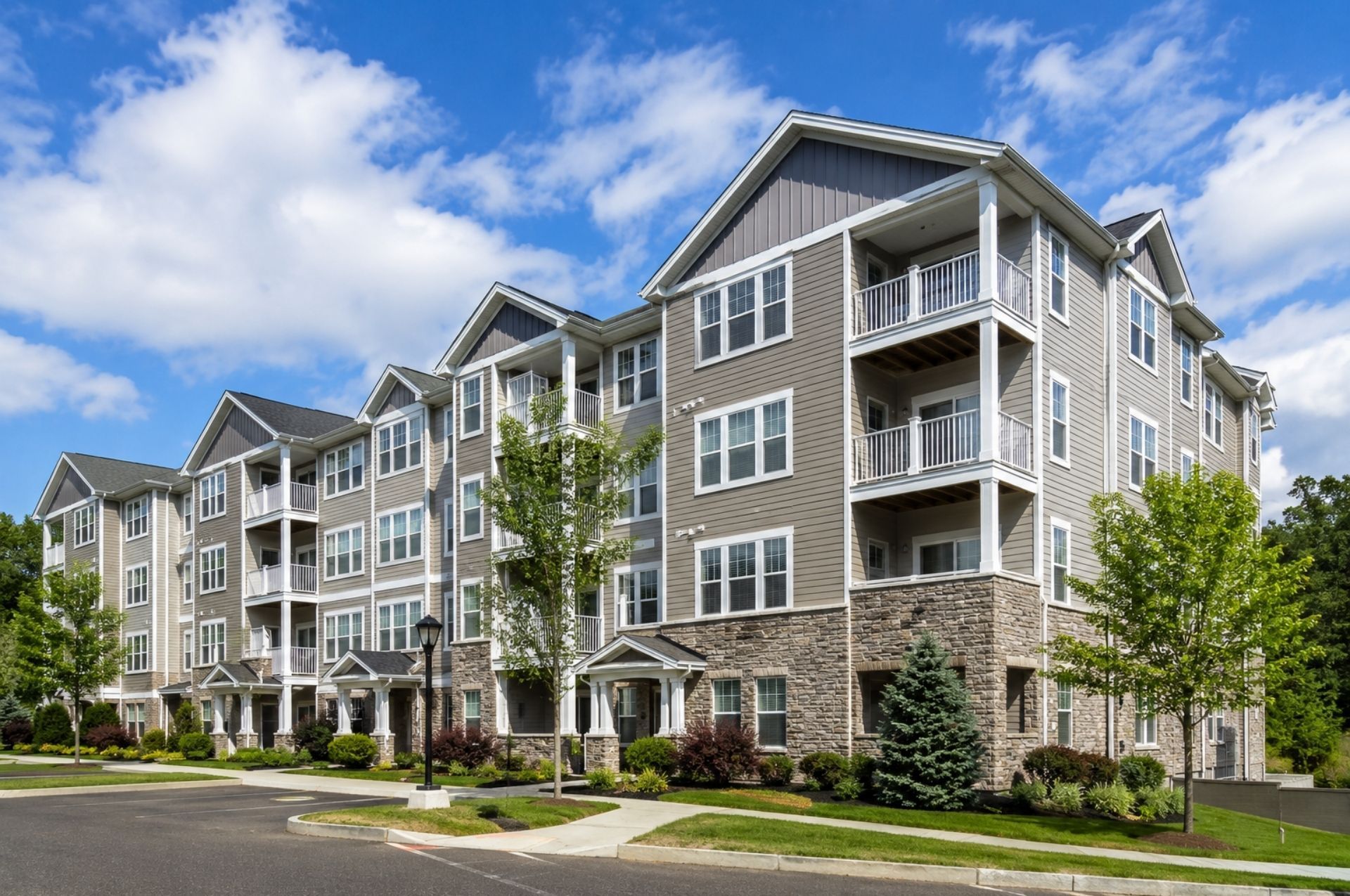
Connecticut apartment syndicators face a distinct set of insurance challenges that set them apart from single-property landlords or out-of-state operators. The state's older housing stock, coastal flood exposure, and evolving legislative requirements create a risk profile that demands careful, purpose-built coverage. Real estate syndication insurance for apartment syndicators operating in Connecticut is not simply a box to check before closing on a deal; it is a structural pillar of the entire investment thesis. A single uncovered claim, whether from a slip-and-fall in a New Haven stairwell or a mold remediation order in a Bridgeport garden-level unit, can wipe out investor returns and expose general partners to personal liability. This guide breaks down the specific coverages, policy tiers, and secondary protections that syndicators need to protect both their assets and their reputations in the Connecticut market.
Connecticut's insurance environment for multi-family properties is shaped by geography, building age, and a regulatory climate that has shifted meaningfully in recent years. Understanding these forces is essential for any syndicator assembling a portfolio in the state.
Unique Risks of the Nutmeg State
Roughly 60 percent of Connecticut's apartment inventory was built before 1980, which means syndicators routinely inherit lead paint, asbestos, knob-and-tube wiring, and aging plumbing systems. Each of these conditions creates both a remediation cost and an insurance underwriting concern. Coastal properties from Stamford through New London sit within FEMA-designated flood zones, and the state's 2026 flood disclosure law now requires sellers to provide detailed flood history to buyers, a change that directly affects how syndicators evaluate risk before acquisition. Winter freeze events, ice dam claims, and nor'easter wind damage round out a seasonal risk cycle that carriers price aggressively.
Connecticut has also passed several new real estate-related bills that touch on landlord obligations, disclosure requirements, and tenant protections, all of which can increase a syndicator's liability exposure if policies are not structured correctly.
The Role of Syndicators in Multi-Family Risk Management
Unlike a sole-owner landlord, a syndicator operates as a fiduciary for passive investors. That distinction matters enormously in an insurance context. The general partner or managing member bears the responsibility of selecting adequate coverage, maintaining it throughout the hold period, and ensuring that policy limits align with the asset's actual replacement cost, not just its purchase price. Failure to carry proper coverage can trigger breach-of-fiduciary claims from limited partners, a risk that sits outside standard property and casualty policies entirely. Syndicators who treat insurance as a post-closing afterthought often discover gaps only after a loss event, by which point the financial damage is already compounding.
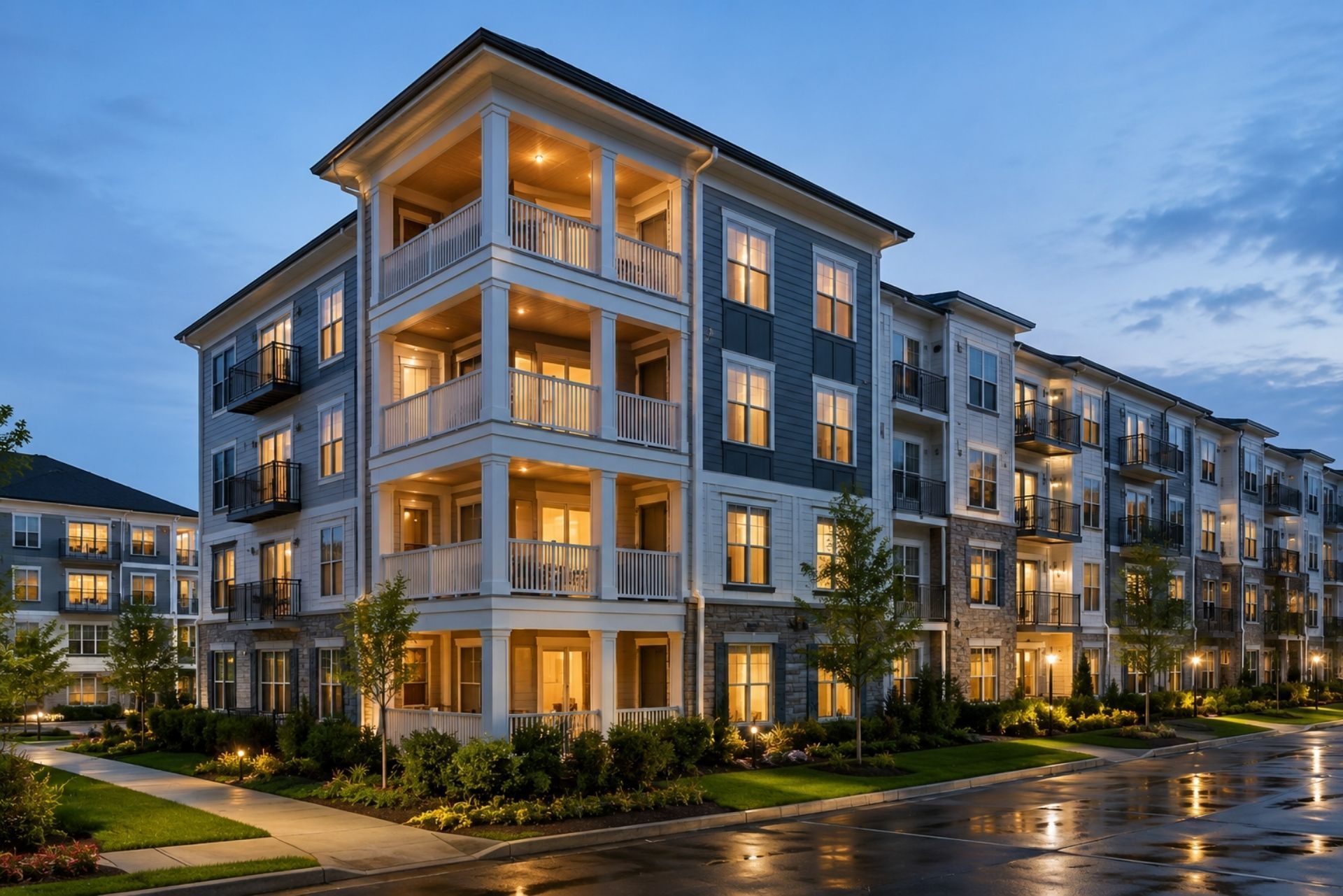
Every Connecticut apartment syndication should carry a baseline of three interlocking coverages: general liability, property insurance, and directors and officers protection. These form the foundation upon which all other policies build.
Commercial General Liability vs. Professional Liability
Commercial general liability (CGL) covers bodily injury and property damage claims arising from the physical premises, think a tenant who falls on an icy walkway or a visitor injured by a collapsing porch railing. Professional liability, sometimes called errors and omissions (E&O), covers claims stemming from the syndicator's management decisions, such as alleged misrepresentation in offering documents or failure to disclose a known defect. Many syndicators carry only CGL and assume it covers everything. It does not. A limited partner who alleges that the GP failed to maintain the property as promised is making a professional liability claim, not a premises liability claim, and a CGL policy will typically deny that filing.
Property Insurance and Replacement Cost Value
Property insurance for a Connecticut apartment complex should be written on a replacement cost basis rather than actual cash value. The difference is significant: replacement cost pays to rebuild or repair the structure at current material and labor prices, while actual cash value deducts depreciation, often leaving a massive gap on older buildings. Commercial property insurance rates for well-maintained Connecticut multifamily assets are decreasing by an average of 10 to 25 percent in 2026, a welcome trend after several years of hard-market pricing. Syndicators should use this window to lock in favorable terms while ensuring that coverage limits reflect true rebuild costs, which in many Connecticut submarkets now exceed $250 per square foot for wood-frame multi-family construction.
Directors and Officers (D&O) Protection for Lead Partners
D&O insurance protects the individuals who serve as general partners, managing members, or board directors of the syndication entity. This coverage responds when investors or third parties allege mismanagement, breach of fiduciary duty, or failure to comply with securities regulations. Connecticut syndications structured as LLCs or limited partnerships should carry D&O limits of at least $1 million, though larger portfolios often warrant $2 million to $5 million. The cost is modest relative to the exposure, typically running between $2,500 and $7,500 annually for a single-asset syndication, and it provides a critical layer of personal asset protection for the deal sponsors.
Comparing Policy Tiers for Connecticut Syndicators
Not all policies are created equal, and syndicators should understand the practical differences between basic, mid-tier, and comprehensive coverage structures before binding a policy.
| Coverage Feature | Basic Tier | Mid-Tier | Comprehensive |
|---|---|---|---|
| CGL Limit | $1M per occurrence | $1M per occurrence | $2M per occurrence |
| Property Coverage | Actual cash value | Replacement cost | Replacement cost + ordinance/law |
| D&O | Not included | $1M limit | $2M+ limit |
| Loss of Rents | 6 months | 12 months | 18 months |
| Flood/Earthquake | Excluded | Optional endorsement | Included (sub-limits apply) |
| Umbrella | Not included | $1M excess | $5M+ excess |
| Approximate Annual Cost (50-unit) | $18,000-$25,000 | $30,000-$45,000 | $50,000-$75,000 |
The mid-tier structure represents the minimum that most experienced syndicators should consider for a Connecticut asset. Basic-tier policies leave too many gaps, particularly around loss of rents and ordinance/law coverage, which pays the additional cost of rebuilding to current code after a covered loss. A 1960s-era apartment building that suffers a major fire will almost certainly face code-upgrade requirements that a basic property policy will not cover.
The
real estate insurance outlook for 2026 suggests that carriers are competing more aggressively for well-underwritten multi-family accounts, giving syndicators more negotiating power than they have had in several years. This is the right moment to push for broader coverage terms rather than simply accepting the lowest premium.
Secondary Protections Every Syndicator Should Consider
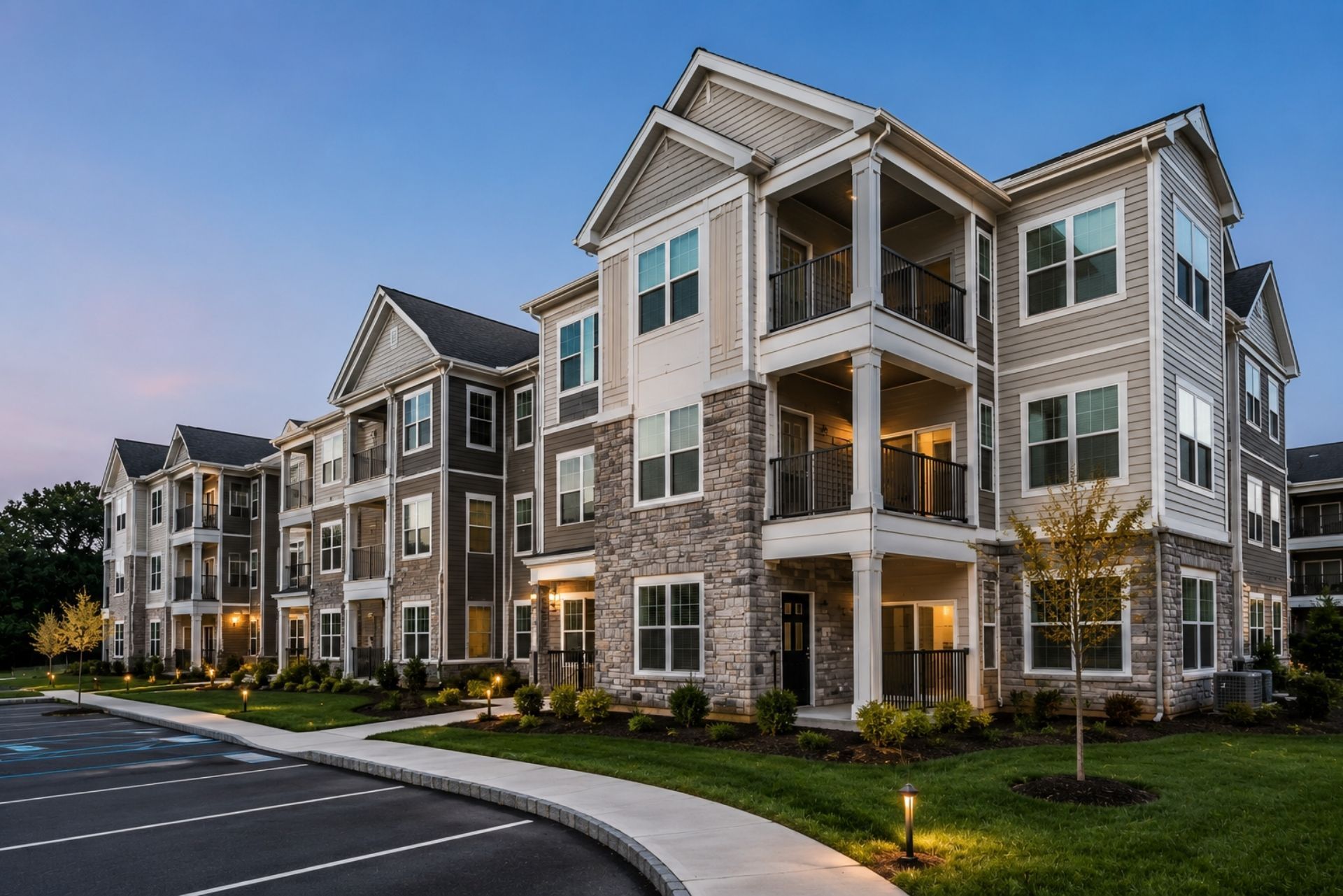
Beyond the core trio of CGL, property, and D&O, several secondary coverages address risks that are specific to the Connecticut market or to the syndication business model itself.
Umbrella and Excess Liability Policies
An umbrella policy sits above the CGL and auto liability policies, providing additional limits once the underlying coverage is exhausted. For a 50-unit apartment syndication, a $5 million umbrella typically costs between $3,000 and $6,000 annually. Given that a single catastrophic injury claim in Connecticut can produce a jury verdict well above $1 million, the umbrella is not optional for serious operators. It also satisfies the insurance requirements that most commercial lenders impose as a condition of financing.
Environmental and Pollution Liability
Connecticut's Department of Energy and Environmental Protection (DEEP) maintains strict standards for soil and groundwater contamination. Older apartment sites, particularly those near former industrial corridors in cities like Hartford, Waterbury, and New Britain, may carry legacy contamination that a standard property policy explicitly excludes. Environmental liability insurance covers remediation costs, third-party bodily injury claims from contamination exposure, and legal defense expenses. Premiums vary widely based on site history, but syndicators should budget $2,000 to $8,000 per year for a standalone environmental policy on a property with no known contamination.
Cyber Liability for Investor Portals
Most syndications now collect sensitive investor data, including Social Security numbers, bank account details, and accredited investor documentation, through online portals. A data breach exposes the syndicator to notification costs, credit monitoring obligations, regulatory fines, and potential lawsuits. Cyber liability coverage for a small to mid-size syndication operation
typically runs between $1,500 and $4,000 annually and covers breach response, forensic investigation, and third-party claims. Connecticut's data breach notification statute requires prompt disclosure to affected individuals, and the costs of compliance alone can justify the premium.
Common Questions About Connecticut Apartment Insurance
Does Connecticut require landlords to carry a minimum amount of property insurance? The state does not mandate a specific minimum for property insurance on rental buildings. That said, virtually all commercial lenders require replacement cost coverage as a loan covenant, and most syndication operating agreements impose insurance obligations on the GP.
Can a syndicator use one policy to cover multiple Connecticut properties? Yes. A blanket policy can cover multiple assets under a single policy number, often at a lower combined premium than individual policies. The trade-off is that a large claim on one property can reduce available limits for the others unless the policy includes per-location sub-limits.
How does Connecticut's new insurance legislation affect apartment syndicators? Connecticut's HB 5373 has moved beyond the previous "diligent effort" standard for placing coverage, which may affect how brokers shop policies for harder-to-place risks like older buildings or coastal properties. Syndicators should confirm that their broker is aware of the updated requirements.
Is flood insurance required for Connecticut apartment buildings? If the property sits in a FEMA Special Flood Hazard Area and carries a federally backed mortgage, flood insurance is mandatory. Even outside designated zones, many syndicators carry flood coverage voluntarily given Connecticut's increasing storm intensity.
What is the most common coverage gap syndicators overlook? Loss of rents coverage is consistently undervalued. A six-month limit on a property that takes fourteen months to rebuild after a fire leaves the syndication without income for eight months, a gap that can force a capital call or trigger loan default.
Apartment syndication insurance in Connecticut requires more than a standard landlord policy purchased through a residential agency. The combination of older building stock, coastal flood risk, evolving state legislation, and fiduciary obligations to passive investors creates a risk profile that demands specialized attention. Syndicators should work with a broker who understands both the commercial multi-family space and the securities-layer exposures unique to syndicated deals.
The 2026 market offers a genuine opportunity. With commercial property rates declining for well-maintained assets, syndicators can secure broader coverage at lower cost than at any point in the past three years. The priority should be locking in replacement cost property coverage, pairing it with adequate CGL and D&O limits, and layering umbrella and environmental policies on top. Request quotes from at least three carriers, compare not just premiums but coverage terms and exclusions, and have an insurance attorney review the final policy before binding. The cost of proper coverage is a fraction of the cost of a single uninsured claim, and investors expect nothing less from the operators entrusted with their capital.
About The Author:
Anton Reed
As Managing Principal of Adion Financial Group, I’m committed to helping individuals and businesses achieve financial security through strategic insurance and planning solutions. My focus is on building trust, delivering clarity, and ensuring every client receives expert guidance backed by experience and integrity.
Contact Us
Personal INSURANCE Coverage
Comprehensive Coverage for Every Personal Need
Business Insurance Solutions
Professional Liability Coverage for Service-Based Businesses
General Liability Insurance
Protects businesses from lawsuits related to injuries and property damage.
INDUSTRIES WE SERVE
Specialized Coverage for Leading Connecticut Industries
Contractors
Insurance
Whether you’re a general contractor or a specialized tradesperson, we offer coverage that protects against job site risks, equipment damage, and liability claims.

Commercial Truck Insurance
Whether you operate a single truck or an entire fleet, we provide coverage for cargo, liability, and physical damage to keep your business moving.

Restaurant Business Insurance
Keep your restaurant, café, or bar protected with coverage for property damage, liquor liability, foodborne illness, and employee injuries.

Commercial Real Estate Insurance
Safeguard your commercial properties, rental units, and office spaces from property damage, liability claims, and tenant-related risks.

“I’ve been with AFG for years. Their service is second to none, and I always feel confident that I’m covered.”
Sarah K.
Real Stories.
Real Protection.
Real Trust.
See Why Businesses and Families Trust Us for Coverage.

Quick Answers to Your Insurance Questions
Frequently Asked Questions
about Adion Financial Group
Understanding Insurance Starts with the Right Information
1. What types of insurance do you offer?
At Adion Financial Group, we offer a wide range of insurance options designed to meet the needs of both individuals and businesses. For individuals, we provide coverage for personal auto, home, renters, life, and health insurance. Whether you're looking to protect your home, your car, or your loved ones, we have a solution tailored to your needs.
2. How do I get a quote for insurance?
Getting an insurance quote with Adion Financial Group is simple and fast. First, visit our website and fill out the quote request form, providing some basic information about the type of insurance you need. If you prefer a more personal touch, you can also contact us directly, and one of our agents will walk you through the process.
3. What should I do if I need to file a claim?
If you need to file a claim, the first step is to notify us immediately. You can either call our office or submit your claim online, depending on your preference. Once we receive your claim, our team will guide you through the necessary steps and help you gather the required information.
4. How can I change my coverage or update my policy?
Making changes to your coverage or updating your policy is easy with Adion Financial Group. Whether you're moving to a new home, adding a vehicle, or expanding your business, we can help you adjust your insurance to reflect your current needs.
5. Why should I choose an independent insurance agency?
Choosing an independent insurance agency like Adion Financial Group provides you with a distinct advantage: we work for you, not an insurance company. Our independent status allows us to shop around with multiple carriers to find the most competitive rates and the best coverage options for your unique situation.
6. How can I make sure I have the right amount of coverage?
Determining the right amount of coverage can be overwhelming, but our team at Adion Financial Group is here to help. The first step is assessing your personal or business assets and identifying the potential risks you face. Whether you're an individual looking to protect your home and car, or a business owner trying to safeguard your employees and property, we will walk you through the different coverage options.
Stay Informed on Insurance Trends and Tips
Insights & Tips to Keep You Informed


Contact Us
Phone
Locations
Connecticut Location
703 Hebron Ave., 3rd Floor, Glastonbury, CT 06033
North Carolina Location
436 East 36th St., Charlotte, NC 28205