
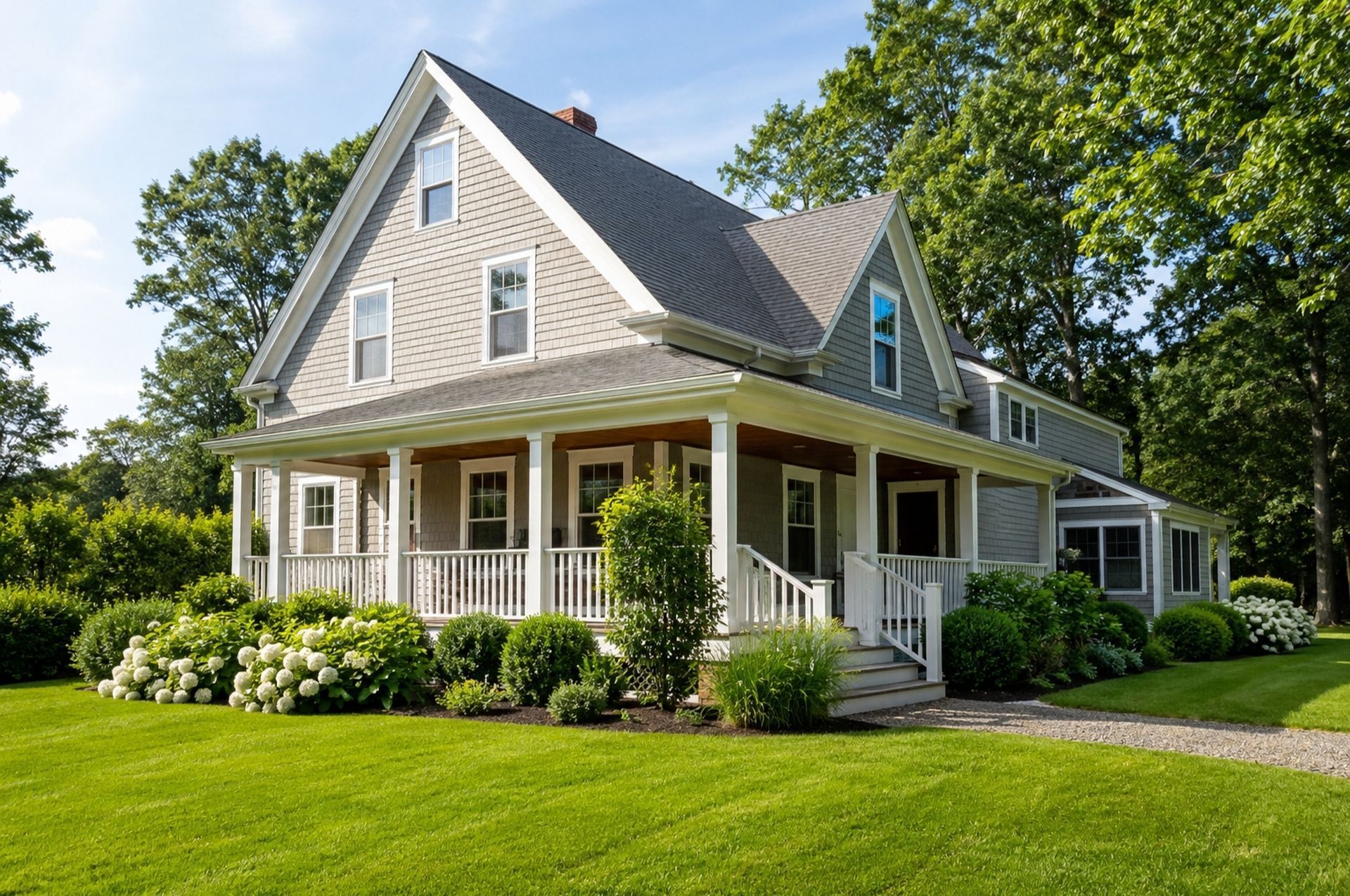
Connecticut landlords operating short-term rentals face a unique set of insurance challenges that standard policies were never designed to address. A homeowners policy written for owner-occupied residences and a traditional
landlord policy written for long-term tenants both leave significant gaps once a property begins accepting nightly guests through platforms like Airbnb or Vrbo. The state itself is adding new layers of complexity: Connecticut's House Bill 5536 proposes a
mandatory statewide short-term rental registry with a $100 annual registration fee, signaling that regulatory scrutiny is only increasing. For property owners who want to protect both their investment and their income stream, understanding the right Airbnb insurance for Connecticut landlords is not optional. It is a financial necessity that requires careful comparison of coverage types, policy limits, and state-specific risk factors. The difference between a well-insured property and an underinsured one can amount to tens of thousands of dollars in a single claim event.
Understanding Short-Term Rental Insurance in Connecticut
Short-term rental insurance occupies a middle ground between residential homeowners coverage and full commercial hospitality policies. It is specifically structured for properties that host paying guests on a nightly or weekly basis, accounting for the higher turnover, increased liability exposure, and property damage risks that come with transient occupancy. Connecticut has no single statute mandating a specific insurance type for short-term rental hosts, but the state's evolving regulatory framework, including proposed legislation aiming to create a registry for short-term rentals, strongly suggests that formalized requirements could follow. Landlords who secure proper coverage now position themselves ahead of potential compliance mandates.
The Gap Between Homeowners and Commercial Policies
Standard homeowners insurance policies contain exclusions for commercial activity conducted on the premises. The moment a property generates rental income from short-term guests, most carriers consider that a business use, which voids key coverage provisions. A landlord policy designed for long-term tenants does not solve this problem either, because it assumes a stable, vetted tenant rather than a rotating cast of strangers. Standard home insurance falls short for Airbnb and Vrbo hosts precisely because the risk profile of nightly rentals is fundamentally different from either owner-occupied or long-term leased properties.
A common mistake involves landlords assuming their existing policy will cover a guest injury or property damage claim. Carriers routinely deny these claims once they discover the property was being used as a short-term rental, leaving the landlord personally liable for medical bills, legal fees, and repair costs.
State-Specific Risks: Coastal Weather and Historic Properties
Connecticut's geography introduces risks that many inland states do not share. Coastal properties along the Long Island Sound face hurricane exposure, flood risk, and nor'easter damage that can devastate a rental property in a single storm season. Standard short-term rental policies may exclude wind-driven water damage or require separate flood endorsements, and landlords in Fairfield County or the shoreline towns of New London County should verify these provisions carefully.
The state's abundance of historic and pre-war housing stock creates another layer of concern. Older electrical systems, lead paint, aging plumbing, and non-standard construction materials all increase both the cost of claims and the likelihood of coverage disputes. A property built in the 1800s in Litchfield or New Haven will carry different underwriting considerations than a modern
condominium in Stamford.

Airbnb AirCover vs. Private Insurance Policies
Airbnb offers its AirCover for Hosts program at no additional cost to property owners who list on the platform. On the surface, it appears generous: up to $3 million in host liability insurance and up to $3 million in host damage protection. Many landlords treat this as sufficient coverage. That assumption can be expensive.
Limits of Airbnb's Host Liability Insurance
AirCover is not an insurance policy in the traditional sense. It is a protection program administered by Airbnb, and the claims process is controlled entirely by the platform. Hosts have reported lengthy disputes, denied claims for pre-existing damage, and difficulty obtaining reimbursement for high-value items. The program does not cover damage caused by normal wear and tear, damage from pets if the host allowed pets, or certain categories of valuable property.
Critically, AirCover does not extend to bookings made outside the Airbnb platform. A landlord who also lists on Vrbo, Booking.com, or accepts direct bookings has zero coverage from AirCover for those reservations. The program also does not cover loss of rental income if a property becomes uninhabitable due to a covered event, leaving a significant financial gap during repairs.
Why Secondary Coverage is Necessary for CT Landlords
Connecticut Airbnb insurance for landlords should function as a standalone policy that covers the property regardless of which platform generated the booking. This is where dedicated short-term rental insurance providers fill the gap. Companies like Proper Insurance, CBIZ, and Safely offer policies written specifically for the nightly rental model, with provisions for liability, property damage, lost income, and guest-caused losses.
A landlord who relies solely on AirCover is essentially trusting a booking platform to act as an insurer. The
landlord-as-insurance-beneficiary clause in many lease and
property management agreements reinforces why an independent policy is preferable: it ensures the property owner, not the platform, controls the claims process and receives direct payouts.
Comparing Coverage Types for Your Rental
Not all short-term rental policies offer the same protections. The difference between a basic policy and a comprehensive one can determine whether a landlord recovers fully from a major loss or absorbs thousands of dollars out of pocket. The costs and coverage scope of vacation rental insurance vary widely depending on the provider, location, and property type.
Comparison Table: Basic vs. Comprehensive Protection
| Feature | Basic Policy | Comprehensive Policy |
|---|---|---|
| Liability Coverage | $300,000 - $500,000 | $1,000,000 - $2,000,000 |
| Property Damage | Named perils only | All-risk / open perils |
| Loss of Rental Income | Not included | 12-24 months coverage |
| Guest-Caused Damage | Limited or excluded | Included with per-incident cap |
| Theft by Guests | Excluded | Included |
| Pool/Hot Tub Liability | Excluded or surcharge | Included |
| Flood/Wind Endorsement | Not available | Available as add-on |
| Multi-Platform Coverage | Airbnb only | All platforms + direct bookings |
| Annual Premium Range | $800 - $1,500 | $2,000 - $4,500+ |
For Connecticut coastal properties, the comprehensive tier is almost always the better investment. A single liability claim from a guest injury at a waterfront property can exceed $500,000 in medical and legal costs.
Key Policy Features to Look For
Selecting the right policy requires attention to specific provisions that matter most for short-term rental operations. Not every feature carries equal weight for every property, but several are consistently relevant across the Connecticut market.
Loss of Rental Income Protection
A fire, storm, or major plumbing failure can take a property offline for weeks or months. During that time, a landlord loses not only the repair costs but also the revenue the property would have generated. Loss of rental income coverage, sometimes called business interruption coverage, reimburses the landlord for projected earnings during the repair period. Connecticut rental property insurance providers like Ferguson McGuire offer commercial rental policies that include this provision as a standard feature rather than an optional endorsement.
This coverage is particularly valuable during peak summer months, when Connecticut shoreline rentals can command $300 to $600 per night. A six-week repair window during July and August could represent $15,000 to $25,000 in lost income.
Liability for Amenities Like Pools and Hot Tubs
Properties with pools, hot tubs, fire pits, docks, or waterfront access carry elevated liability risk. A guest injury involving any of these amenities can result in a lawsuit that far exceeds basic policy limits. Many basic short-term rental policies either exclude these amenities entirely or require a separate rider at additional cost.
Landlords should confirm that their policy provides at least $1 million in liability coverage that explicitly includes amenity-related incidents. Some carriers also require proof of safety measures, such as pool fencing, locking hot tub covers, or posted warning signage, as a condition of coverage.
Theft and Vandalism by Guests
Guest-caused theft and intentional property damage represent one of the most frustrating realities of short-term rental ownership. A standard landlord policy typically excludes damage caused by someone the owner voluntarily allowed onto the property. Dedicated short-term rental policies address this gap with guest-caused damage provisions, usually subject to a per-incident cap ranging from $5,000 to $25,000.
Documenting property contents with photographs and maintaining an inventory list strengthens any theft or vandalism claim. Some hosts also install smart locks and security cameras in exterior common areas to deter and document incidents.
Frequently Asked Questions About CT Rental Insurance
Does my regular landlord policy cover Airbnb guests? Almost certainly not. Most landlord policies are written for long-term tenants and exclude short-term rental activity. A claim filed after a guest injury will likely be denied once the carrier discovers the property was listed on a booking platform.
How much does short-term rental insurance cost in Connecticut? Annual premiums typically range from $1,500 to $4,500 depending on location, property value, amenities, and coverage limits. Coastal properties and those with pools tend to fall on the higher end.
Is Airbnb's AirCover enough to protect my property? AirCover provides a baseline of protection, but it does not replace a standalone insurance policy. It excludes loss of income, does not cover bookings from other platforms, and places claims decisions in Airbnb's hands rather than the landlord's.
Do I need flood insurance for a Connecticut rental property? If the property is in a FEMA-designated flood zone, a separate flood policy is strongly recommended. Standard short-term rental policies exclude flood damage, and Connecticut's coastal areas face real exposure to storm surge and tidal flooding.
Will the new Connecticut short-term rental registry affect my insurance? The proposed registry and its regulatory implications could eventually influence insurance requirements. Registered properties may face minimum coverage mandates, making it wise to secure comprehensive coverage now rather than scrambling to comply later.
Can I deduct short-term rental insurance premiums on my taxes?
Yes. Insurance premiums for a rental property are generally deductible as a business expense on Schedule E. Consult a tax professional for guidance specific to Connecticut state tax obligations.
Making the Right Choice for Your Property
The insurance decision for a Connecticut short-term rental property is not one that should be made by default. Relying on AirCover alone, maintaining an outdated landlord policy, or assuming a homeowners policy will stretch to cover guest injuries are all common mistakes that leave landlords financially exposed. The right approach involves securing a dedicated short-term rental policy with liability limits of at least $1 million, loss of income protection, and guest-caused damage coverage.
Connecticut's regulatory environment is shifting. With
New Haven and other municipalities tightening short-term rental laws and statewide registration on the legislative agenda, landlords who build a solid insurance foundation now will face fewer disruptions as new rules take effect. Comparing quotes from at least three dedicated short-term rental insurers, reviewing policy exclusions line by line, and confirming that coverage extends across all booking platforms are the three most important steps any Connecticut landlord can take this year. The cost of proper coverage is a fraction of what a single uninsured claim can cost.
About The Author:
Anton Reed
As Managing Principal of Adion Financial Group, I’m committed to helping individuals and businesses achieve financial security through strategic insurance and planning solutions. My focus is on building trust, delivering clarity, and ensuring every client receives expert guidance backed by experience and integrity.
Contact Us
Personal INSURANCE Coverage
Comprehensive Coverage for Every Personal Need
Business Insurance Solutions
Professional Liability Coverage for Service-Based Businesses
General Liability Insurance
Protects businesses from lawsuits related to injuries and property damage.
INDUSTRIES WE SERVE
Specialized Coverage for Leading Connecticut Industries
Contractors
Insurance
Whether you’re a general contractor or a specialized tradesperson, we offer coverage that protects against job site risks, equipment damage, and liability claims.

Commercial Truck Insurance
Whether you operate a single truck or an entire fleet, we provide coverage for cargo, liability, and physical damage to keep your business moving.

Restaurant Business Insurance
Keep your restaurant, café, or bar protected with coverage for property damage, liquor liability, foodborne illness, and employee injuries.

Commercial Real Estate Insurance
Safeguard your commercial properties, rental units, and office spaces from property damage, liability claims, and tenant-related risks.

“I’ve been with AFG for years. Their service is second to none, and I always feel confident that I’m covered.”
Sarah K.
Real Stories.
Real Protection.
Real Trust.
See Why Businesses and Families Trust Us for Coverage.

Quick Answers to Your Insurance Questions
Frequently Asked Questions
about Adion Financial Group
Understanding Insurance Starts with the Right Information
1. What types of insurance do you offer?
At Adion Financial Group, we offer a wide range of insurance options designed to meet the needs of both individuals and businesses. For individuals, we provide coverage for personal auto, home, renters, life, and health insurance. Whether you're looking to protect your home, your car, or your loved ones, we have a solution tailored to your needs.
2. How do I get a quote for insurance?
Getting an insurance quote with Adion Financial Group is simple and fast. First, visit our website and fill out the quote request form, providing some basic information about the type of insurance you need. If you prefer a more personal touch, you can also contact us directly, and one of our agents will walk you through the process.
3. What should I do if I need to file a claim?
If you need to file a claim, the first step is to notify us immediately. You can either call our office or submit your claim online, depending on your preference. Once we receive your claim, our team will guide you through the necessary steps and help you gather the required information.
4. How can I change my coverage or update my policy?
Making changes to your coverage or updating your policy is easy with Adion Financial Group. Whether you're moving to a new home, adding a vehicle, or expanding your business, we can help you adjust your insurance to reflect your current needs.
5. Why should I choose an independent insurance agency?
Choosing an independent insurance agency like Adion Financial Group provides you with a distinct advantage: we work for you, not an insurance company. Our independent status allows us to shop around with multiple carriers to find the most competitive rates and the best coverage options for your unique situation.
6. How can I make sure I have the right amount of coverage?
Determining the right amount of coverage can be overwhelming, but our team at Adion Financial Group is here to help. The first step is assessing your personal or business assets and identifying the potential risks you face. Whether you're an individual looking to protect your home and car, or a business owner trying to safeguard your employees and property, we will walk you through the different coverage options.
Stay Informed on Insurance Trends and Tips
Insights & Tips to Keep You Informed


Contact Us
Phone
Locations
Connecticut Location
703 Hebron Ave., 3rd Floor, Glastonbury, CT 06033
North Carolina Location
436 East 36th St., Charlotte, NC 28205