Replacement Cost vs. Actual Cash Value for CT Homeowners
See How We're Different
or call us: (888) 585-5188
26 May 2026
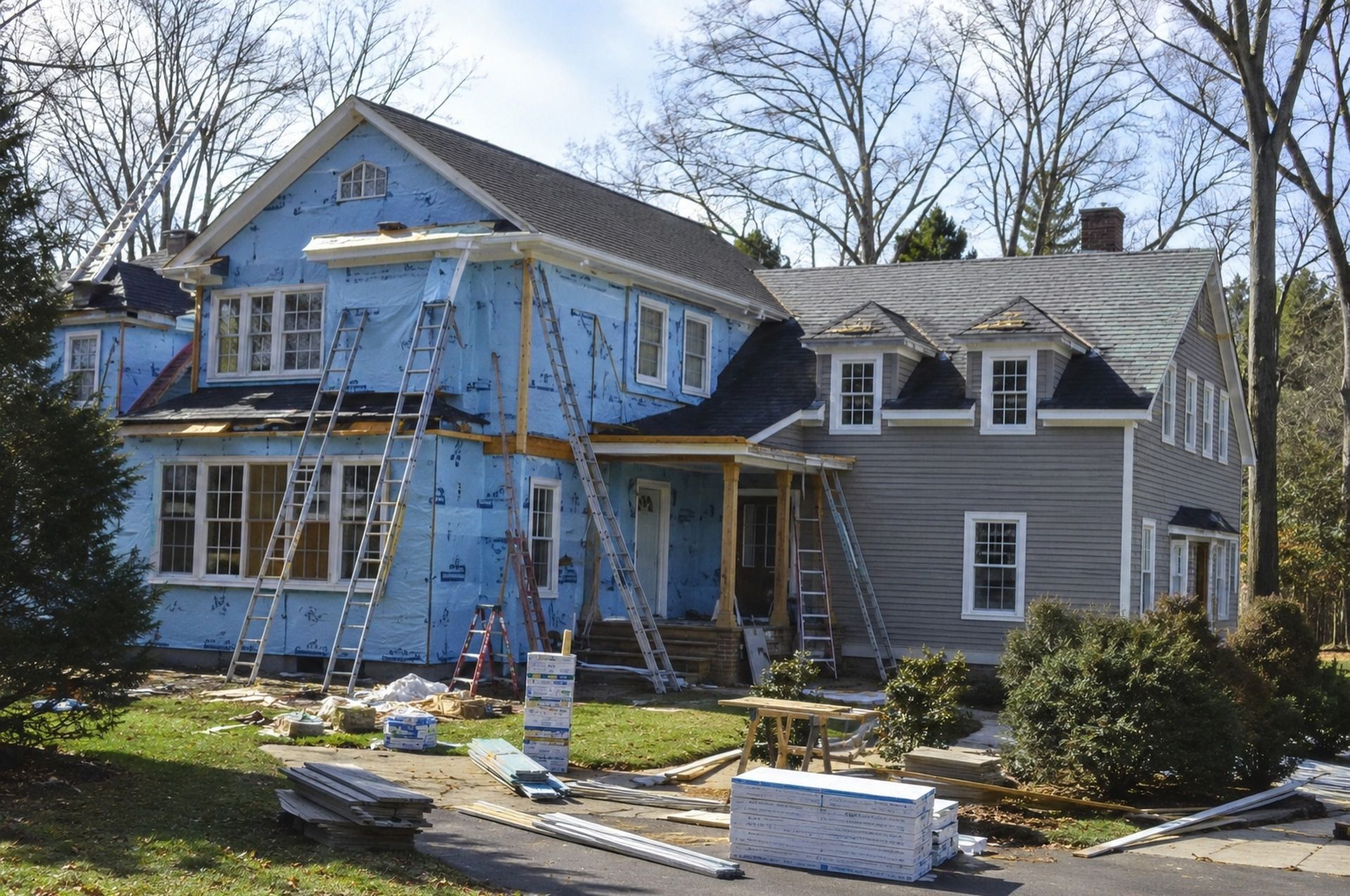
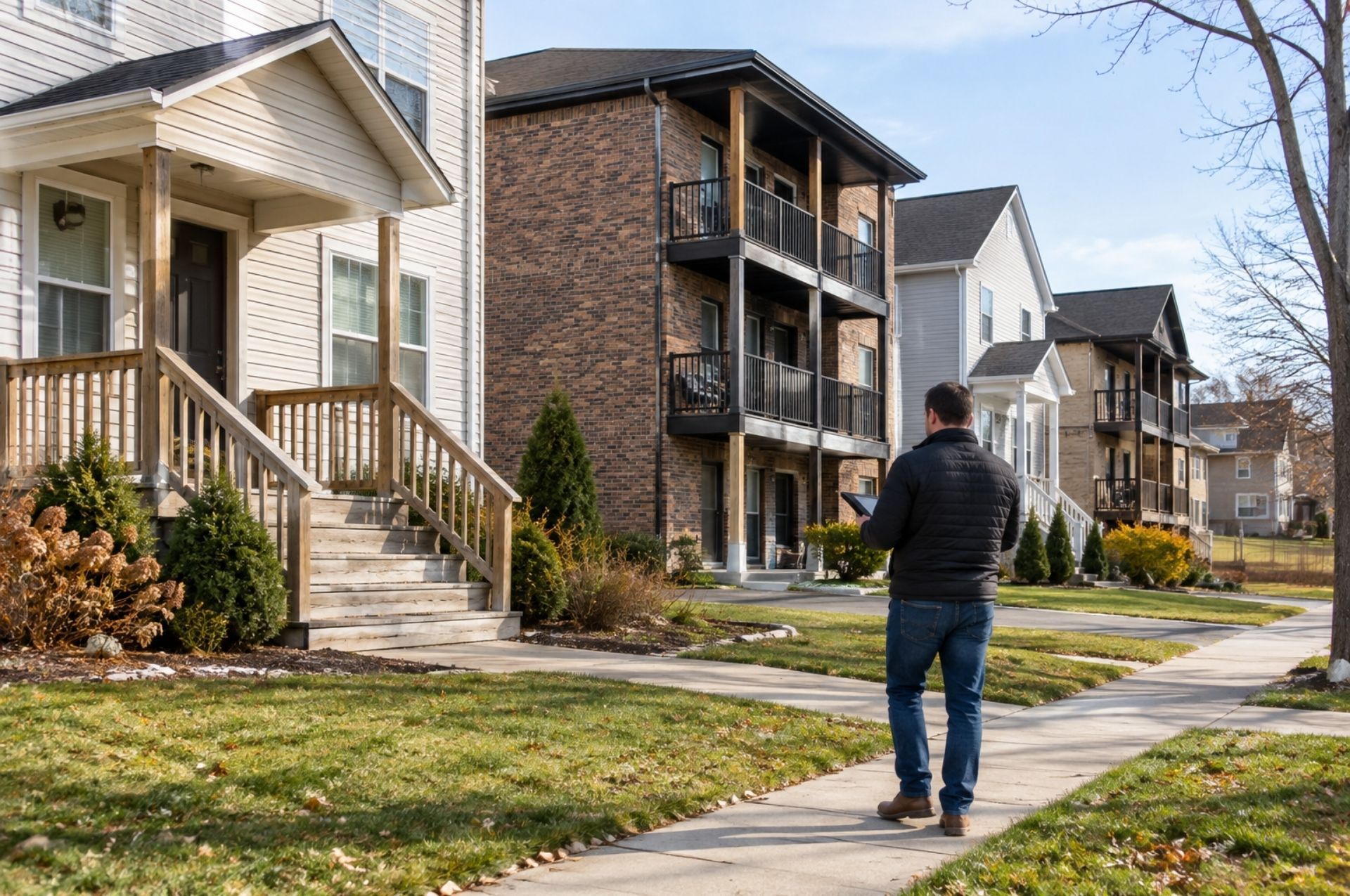
A house fire, burst pipe, or fallen tree does not wait for a convenient moment, and the insurance policy sitting in a filing cabinet determines whether the recovery process feels manageable or financially devastating. For Connecticut homeowners, the distinction between replacement cost and actual cash value coverage represents one of the most consequential decisions embedded in a property insurance policy. Most policyholders sign their declarations page without fully understanding how their insurer will calculate a claim payout, and that knowledge gap can translate into tens of thousands of dollars lost after a covered event. With Connecticut's housing stock among the oldest in the nation and individual carrier rate filings increasing between 8% and 18% in early 2026 to reflect aging infrastructure and storm exposure, selecting the right valuation method has never carried more financial weight. This guide breaks down what CT homeowners need to know about replacement cost versus actual cash value so that the next policy renewal is an informed one.
Understanding Home Insurance Valuation in Connecticut
Every homeowners insurance policy assigns a valuation method that dictates how claims are settled. The two primary methods, replacement cost value (RCV) and actual cash value (ACV), produce dramatically different payout amounts for the same loss. A homeowner who assumes the policy will simply "cover the damage" may not realize that one method accounts for depreciation while the other does not, creating a gap that widens with every year a home ages.
Connecticut's housing market adds a layer of complexity because the median home age in the state exceeds 50 years. Older homes often contain materials, finishes, and architectural details that are expensive to replicate with modern equivalents. The valuation method on the policy determines whether the insurer pays to restore those elements at current prices or deducts years of wear before issuing a check.
Why Policy Type Matters for CT Property Values
Property values across Connecticut vary significantly by region, from waterfront homes in Fairfield County appraised well above $1 million to modest colonials in Windham County valued closer to $250,000. Regardless of market value, the cost to physically rebuild a structure depends on current labor rates, material prices, and local building code requirements, none of which correlate directly with what a home would sell for on the open market.
A policy's valuation method becomes the mechanism that bridges the gap between what a home is worth on paper and what it costs to reconstruct after a loss. Homeowners who confuse market value with insurable value frequently end up underinsured. The correct valuation approach ensures the policyholder can actually afford to rebuild, not just recover a fraction of the home's depreciated worth.
Replacement Cost: Full Protection Without Depreciation
Replacement cost coverage pays to repair or rebuild damaged property using materials of similar kind and quality at current market prices, with no deduction for depreciation. If a 20-year-old roof is destroyed by a windstorm, the insurer covers the full cost of a new roof rather than calculating what a two-decade-old roof was worth at the time of loss. This distinction matters enormously for Connecticut homeowners whose properties contain aging systems and finishes.
The financial protection is straightforward: the policyholder receives enough money to return the home to its pre-loss condition without absorbing a depreciation penalty. Most standard HO-3 policies in Connecticut default to replacement cost for the dwelling structure, though personal property coverage often defaults to ACV unless upgraded.
Calculating Modern Construction Costs in New England
New England construction costs have climbed steadily, and Connecticut sits near the top of national cost-per-square-foot rankings. Rebuilding a 2,000-square-foot colonial in Hartford County can run $250 to $350 per square foot in 2026, depending on finishes and site conditions. Coastal towns like Old Saybrook or Westport push those figures even higher due to flood mitigation requirements and elevated foundation standards.
Replacement cost policies use these current construction figures, not the original build cost from 1975 or 1990. Insurers typically rely on estimating tools like CoreLogic or Verisk to calculate reconstruction costs, but homeowners should verify those estimates against local contractor bids to confirm accuracy. Underestimating reconstruction costs is one of the most common mistakes seen in Connecticut claims.
The Benefits of Guaranteed Replacement Cost Riders
A standard replacement cost policy caps the payout at the dwelling coverage limit listed on the declarations page. A guaranteed replacement cost rider removes that cap, paying whatever it actually costs to rebuild even if the final figure exceeds the policy limit. Some carriers offer an extended replacement cost endorsement instead, which adds a buffer of 25% to 50% above the stated limit.
For Connecticut homeowners in areas prone to widespread storm damage, these riders provide critical protection against demand surge, the phenomenon where labor and material costs spike after a regional disaster because every contractor in the area is booked. The premium increase for a guaranteed replacement cost rider typically runs 10% to 15% above the base dwelling premium, a modest investment against a potentially catastrophic shortfall.
Actual Cash Value: Factoring in Age and Wear
Actual cash value coverage calculates claim payouts by taking the replacement cost of the damaged item and subtracting depreciation based on age, condition, and expected useful life. The formula is simple: ACV equals replacement cost minus depreciation. A 15-year-old HVAC system with an expected 20-year lifespan would be depreciated by 75%, meaning the insurer pays only 25% of the cost to install a new system.
ACV policies carry lower premiums precisely because the insurer's exposure is smaller. For budget-conscious homeowners, the reduced monthly cost can be appealing, but the tradeoff becomes painfully clear at claim time.
How Depreciation Impacts Your Final Claim Payout
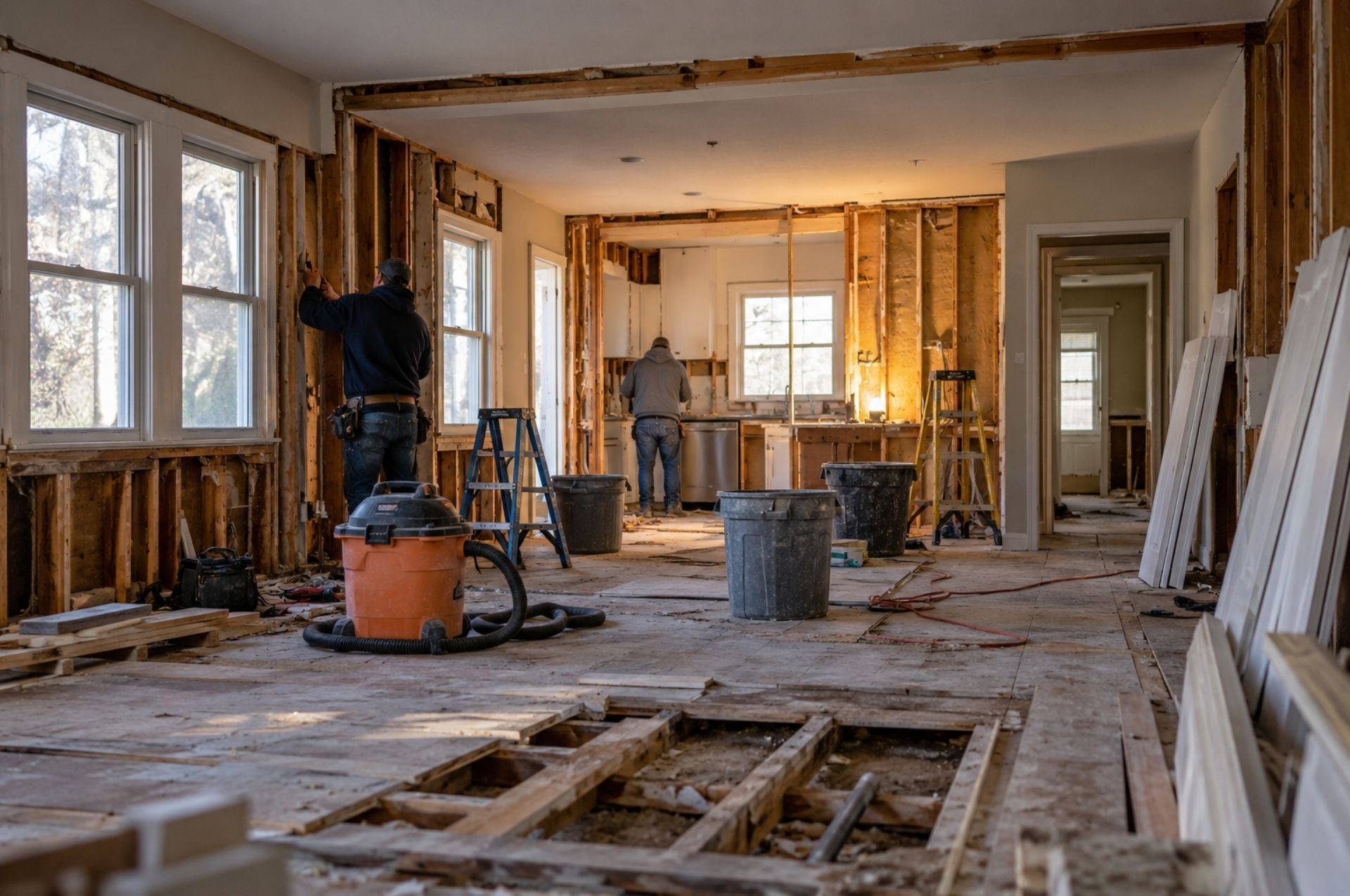
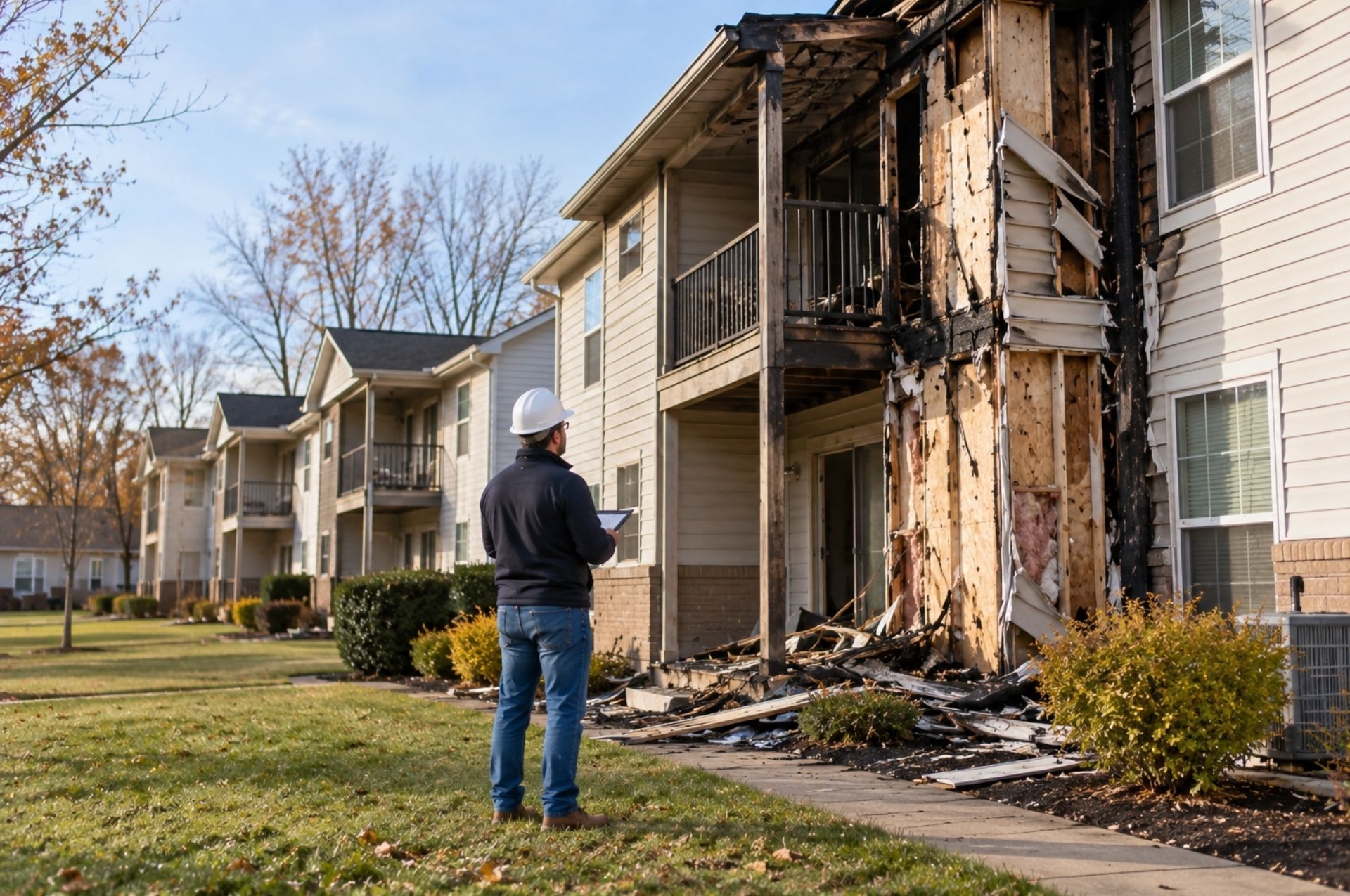
Consider a real-world scenario: a kitchen fire destroys cabinets, countertops, appliances, and flooring in a Connecticut home. The replacement cost to restore the kitchen is $45,000. Under an ACV policy, the adjuster depreciates each component individually. Cabinets installed 12 years ago might be depreciated 60%. The eight-year-old refrigerator loses 50% of its value. After depreciation, the ACV payout might total $22,000 or less, leaving the homeowner responsible for the remaining $23,000.
That gap represents real money that comes directly out of the policyholder's savings or borrowing capacity. Depreciation schedules vary by insurer, and some carriers depreciate more aggressively than others, which makes reviewing the specific depreciation methodology in a policy essential before a loss occurs.
The Risks of ACV Policies for Older Connecticut Homes
Older homes face a compounding problem under ACV coverage. A 1920s Tudor in West Hartford contains plaster walls, hardwood floors, original windows, and copper plumbing that may be 60 to 100 years old. Under an ACV policy, these components carry minimal residual value despite being functional and well-maintained. A significant loss could trigger a payout so low that reconstruction becomes financially impossible without substantial personal funds.
Connecticut's building stock includes thousands of pre-war homes with irreplaceable architectural details. Homeowners in these properties should treat ACV dwelling coverage as a serious financial risk rather than a cost-saving measure.
Key Differences in Premium Costs and Out-of-Pocket Expenses
The premium difference between RCV and ACV policies typically ranges from 15% to 30%, depending on the carrier, the home's age, and the coverage limits selected. On a Connecticut home insured for $400,000 in dwelling coverage, that difference might amount to $300 to $600 annually.
| Feature | Replacement Cost (RCV) | Actual Cash Value (ACV) |
|---|---|---|
| Depreciation deducted | No | Yes |
| Annual premium | Higher (15-30% more) | Lower |
| Claim payout | Full rebuild cost | Rebuild cost minus depreciation |
| Best for | Older homes, high-value properties | Rental/investment properties, tight budgets |
| Out-of-pocket risk | Lower | Significantly higher |
| Personal property default | Often ACV unless upgraded | ACV |
The table illustrates why the premium savings from an ACV policy can be misleading. Saving $400 per year on premiums while absorbing a $25,000 depreciation penalty on a single claim is not a favorable trade. Homeowners should evaluate the total cost of ownership over a five- to ten-year horizon rather than focusing solely on the annual premium.
Connecticut-Specific Considerations for Policy Selection
Connecticut's regulatory environment, geography, and building traditions create unique insurance dynamics that influence whether replacement cost or actual cash value coverage makes more sense for a given property. The Connecticut Insurance Department actively monitors carrier rate filings and provides consumer resources for comparing policy types, but individual homeowners bear the responsibility of understanding their own coverage.
Meeting State Building Codes and Ordinance Requirements
Connecticut enforces the 2021 International Building Code with state-specific amendments, and local municipalities may impose additional requirements. After a significant loss, a home must be rebuilt to current code standards, not the standards in effect when it was originally constructed. This means a 1960s ranch may require upgraded electrical panels, insulation, egress windows, and seismic fasteners that did not exist when the home was built.
Standard replacement cost policies do not automatically cover code upgrade costs. A building ordinance or law endorsement fills this gap by paying the additional expense of bringing the rebuilt structure into compliance. Without this endorsement, even an RCV policyholder may face unexpected out-of-pocket costs. Connecticut homeowners should confirm this endorsement appears on their declarations page, particularly for homes built before 1990.
Coastal vs. Inland Risk Factors
Connecticut's 96 miles of Long Island Sound coastline create a distinct risk profile for coastal properties. Homes in FEMA-designated flood zones often require separate flood insurance through the National Flood Insurance Program or a private carrier, and wind coverage may be subject to percentage-based deductibles rather than flat dollar amounts. Coastal homeowners in towns like Milford, Branford, and Stonington face higher wind and hail deductibles that can reach 2% to 5% of the dwelling coverage limit.
Inland properties face different but still significant risks, including ice dams, falling trees, and frozen pipe bursts during Connecticut's harsh winters. These perils cause damage that depreciates quickly under ACV calculations, making replacement cost coverage particularly valuable for inland homes with aging plumbing and roofing systems.
Choosing the Right Coverage for Your Financial Security
The choice between replacement cost and actual cash value coverage is ultimately a question of risk tolerance and financial preparedness. Connecticut homeowners with older properties, limited savings, or homes in high-risk areas should strongly consider replacement cost coverage with a guaranteed or extended replacement cost rider and a building ordinance endorsement. The premium increase is real but modest compared to the financial exposure of an ACV policy after a major loss.
Homeowners who own rental or investment properties and can absorb depreciation losses may find ACV coverage acceptable, particularly if the property generates income that offsets the risk. For primary residences, though, the math almost always favors replacement cost.
Reviewing a policy annually, confirming that dwelling limits reflect current construction costs, and discussing endorsement options with a licensed Connecticut agent are the most effective steps any homeowner can take. Do not wait for a claim to discover the policy falls short.
Frequently Asked Questions
Does my Connecticut homeowners policy default to replacement cost or actual cash value? Most HO-3 policies default to replacement cost for the dwelling, but personal property coverage often defaults to ACV. Check the declarations page or contact the carrier to confirm.
Can I switch from ACV to replacement cost mid-policy? Yes, most Connecticut carriers allow mid-term endorsements. The premium will be prorated for the remaining policy period.
Is replacement cost coverage worth the extra premium on a newer home? Even newer homes benefit from RCV because construction costs fluctuate. A home built five years ago may cost 20% more to rebuild today due to material and labor inflation.
What is the difference between guaranteed and extended replacement cost? Guaranteed replacement cost pays the full rebuild amount with no cap. Extended replacement cost adds a percentage buffer, typically 25% to 50%, above the policy limit.
Do I need a separate flood policy in Connecticut?
Standard homeowners policies exclude flood damage regardless of valuation method. Homeowners in or near flood zones should purchase a separate flood policy through the NFIP or a private insurer.
Recent posts