Loss of Rent Coverage for Multi-Property Investors: Waiting Periods, Rental Income Records, Limits, and Portfolio Claims
See How We're Different
or call us: (888) 585-5188
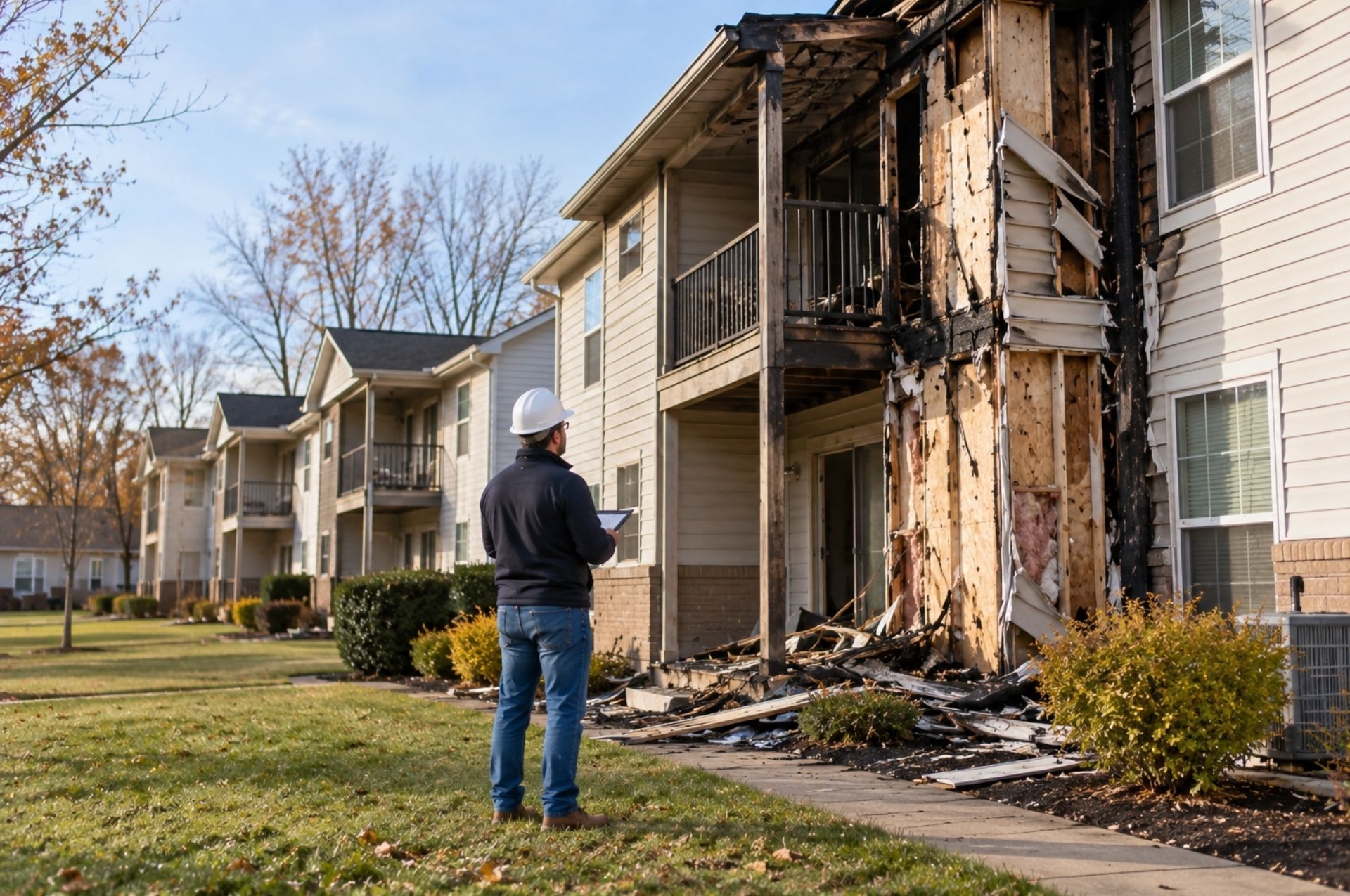
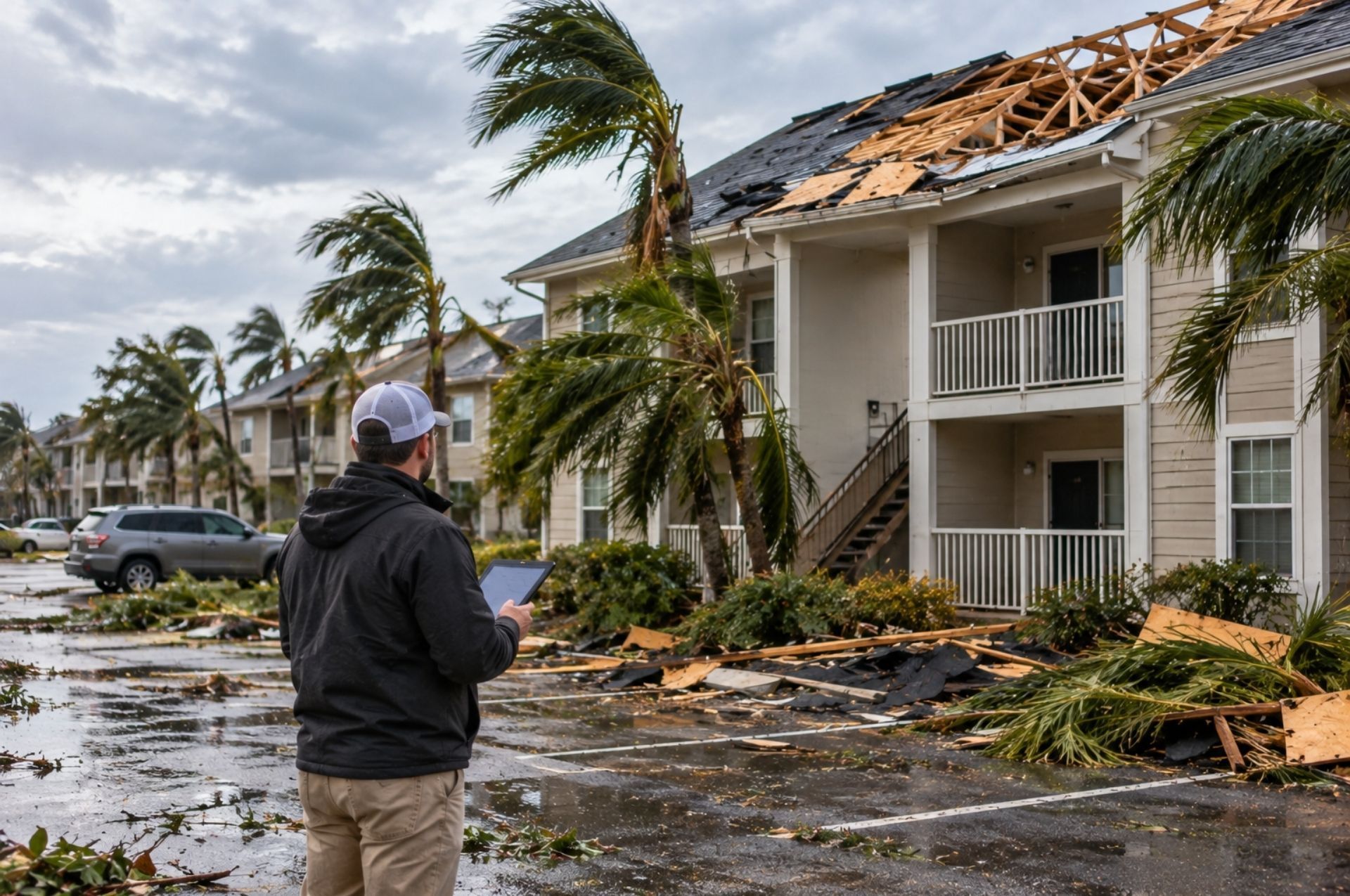
A single property sitting vacant after a kitchen fire is a manageable setback. Ten units offline across three buildings following a windstorm is a crisis that can drain reserves, trigger mortgage default, and unravel years of careful investing. For landlords who hold multiple rental properties, loss of rent coverage is not a luxury rider but a structural necessity that protects the income stream holding the entire portfolio together. The challenge is that policies designed for single-property owners rarely account for the complexity of waiting periods across multiple addresses, the documentation burden of proving rental income on a portfolio scale, or the interplay between per-occurrence and aggregate limits when a single catastrophe damages several buildings at once. Understanding how these components interact, from rental income records and waiting periods to portfolio-wide claim limits, is what separates investors who recover quickly from those who spend months fighting adjusters while hemorrhaging cash. This guide breaks down each of those components with practical detail aimed at investors managing five, fifteen, or fifty rental doors.
Understanding Loss of Rent Coverage for Multi-Unit Portfolios
Loss of rent coverage, sometimes listed as "fair rental value" or "rental income insurance" on a declarations page, reimburses landlords for the income they would have collected while a covered property remains uninhabitable. For portfolio investors, the coverage applies on a per-property or per-unit basis, meaning each address or each dwelling unit within a multi-family building carries its own income calculation. The distinction matters because a four-unit building generates four separate rental streams, and the policy must reflect that reality.
Defining Fair Rental Value in Multi-Property Policies
Fair rental value is the amount a property would command on the open market, not simply the rent stated in a current lease. Insurers typically calculate it by reviewing comparable rents in the same submarket, the condition of the unit before the loss, and any amenities included. If a unit was rented below market rate to a long-term tenant, the insurer may still base reimbursement on the lease amount rather than the higher market rate, which is why keeping detailed lease agreements and rent rolls on file is so critical. Investors who self-manage and accept cash payments without formal leases often discover this gap only after filing a claim.
How Covered Perils Trigger Rental Income Reimbursement
A loss of rent claim is always secondary to a property damage claim. The covered peril, whether fire, windstorm, burst pipe, or vandalism, must first be established under the property section of the policy before rental income reimbursement activates. Flood and earthquake damage, which require separate policies, do not trigger rental income recovery under a standard landlord policy. This is a frequent blind spot for coastal and seismic-zone investors who assume their rent protection extends to all physical damage scenarios.
The Impact of Waiting Periods on Cash Flow
Every loss of rent policy includes some form of deductible period before benefits begin, and the type of deductible chosen has a direct effect on how quickly cash flow is restored after a covered event.
Standard Time Deductibles vs. Dollar Deductibles
A time deductible, often called a waiting period, requires the property to remain uninhabitable for a set number of days, commonly 72 hours to 14 days, before coverage kicks in. A dollar deductible works like a traditional deductible: the investor absorbs the first stated dollar amount of lost rent before the insurer pays. Time deductibles tend to produce lower premiums but can be painful on high-rent properties where even a week of vacancy represents thousands of dollars. Dollar deductibles offer more predictable exposure but carry higher premium costs.
| Feature | Time Deductible | Dollar Deductible |
|---|---|---|
| How it works | No payment until waiting period expires | Investor pays first $X of lost rent |
| Typical range | 72 hours to 14 days | $500 to $5,000 per occurrence |
| Best for | Lower-rent properties, cost-conscious investors | High-rent units where daily losses are significant |
| Premium impact | Generally lower premiums | Higher premiums, faster payout |
| Cash flow risk | Unpredictable if repairs drag on | Capped, predictable out-of-pocket |
Strategies for Selecting the Right Waiting Period Length
Investors with strong cash reserves can accept longer waiting periods and benefit from reduced premiums. Those carrying thin margins on highly leveraged properties should consider shorter waiting periods or dollar deductibles to avoid a scenario where mortgage payments come due with no rental income to cover them. A useful rule of thumb is to match the waiting period to the number of days of lost rent the portfolio can absorb without triggering a cash shortfall on debt service.
Documentation Requirements for Rental Income Records
Adjusters handling rental income claims require far more documentation than most landlords expect. The burden of proof falls entirely on the policyholder, and incomplete records are the most common reason rental income claims are reduced or denied.
Essential Paperwork: Leases, Tax Returns, and Rent Rolls
At minimum, investors should maintain current signed leases for every occupied unit, Schedule E tax returns for at least the prior two years, monthly rent rolls showing payment history, and bank statements confirming deposit of rental income. Insurers cross-reference these documents to verify that the claimed rental income matches actual collections. Discrepancies between tax filings and claimed rent amounts raise red flags and can delay payment by weeks.
A solid record-keeping system should include:
- Signed lease agreements with renewal dates and rent escalation clauses
- Monthly rent rolls or property management reports
- Bank statements showing tenant deposits
- Schedule E from federal tax returns for the prior 24 months
- Income verification documents such as 1099s from property management companies
Proving Market Value for Vacant Units Under Renovation
Vacant units present a unique challenge. If a unit was unoccupied at the time of loss because it was
undergoing renovation, the investor must prove the unit would have been rented and at what rate. This typically requires a documented renovation timeline,
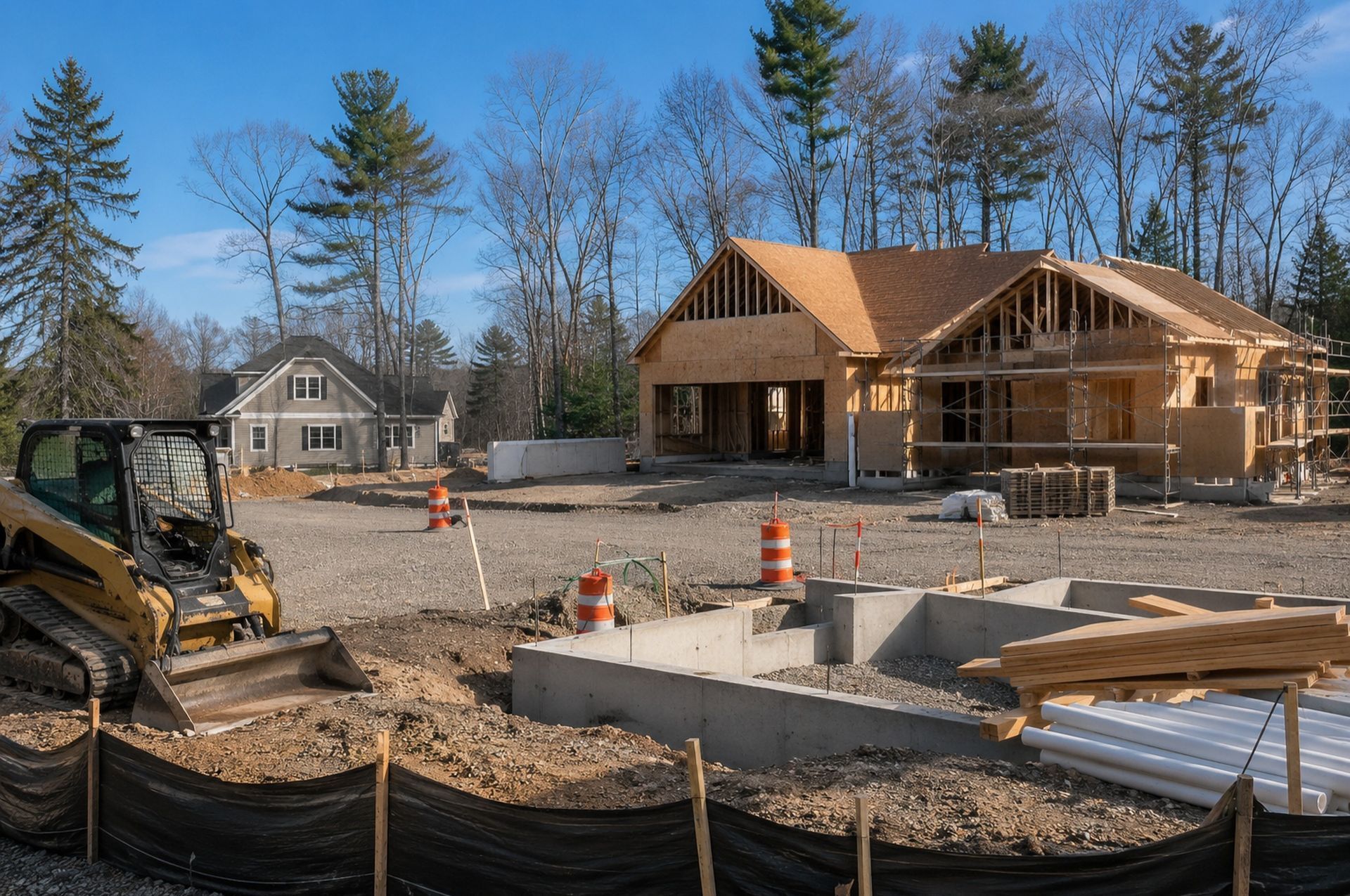
contractor invoices, marketing materials or listing history, and a broker opinion of rental value. Without this paper trail, insurers will often assign zero rental value to vacant units, even if the investor planned to have them leased within weeks. Keeping financial documents organized and accessible is not merely good practice; it is a prerequisite for full claim recovery.
Coverage Limits and Portfolio-Wide Claims
The structure of coverage limits determines how much total reimbursement is available when multiple properties are damaged in a single event, such as a hurricane or regional flooding.
Per-Occurrence vs. Aggregate Limits in Large Portfolios
A per-occurrence limit caps the payout for any single event across all affected properties. An aggregate limit caps total payouts for the entire policy period, regardless of how many events occur. For investors with geographically concentrated portfolios, a single hurricane could exhaust a per-occurrence limit across multiple buildings. Spreading properties across different markets reduces this concentration risk, but it does not eliminate the need for adequate per-occurrence limits.
Blanket Coverage vs. Scheduled Property Limits
Blanket coverage assigns a single total limit across all properties in the portfolio, allowing unused capacity from undamaged properties to flow toward those with larger losses. Scheduled coverage assigns a specific limit to each property, which can leave money on the table if the hardest-hit building reaches its individual cap while other properties remain undamaged. Blanket policies tend to offer greater flexibility for portfolios with uneven property values, though they typically carry higher premiums.
Comparing Policy Structures for Real Estate Investors
Landlord policies, commercial property policies, and business owner policies each handle rental income protection differently. A standard landlord policy from a personal lines carrier often limits loss of rent to 12 months and caps it at a percentage of the dwelling coverage amount, typically 10% to 20%. Commercial property policies offer more flexibility, allowing investors to select specific rental income limits, choose between actual loss sustained and a fixed time period, and add ordinance or law coverage that extends the indemnity period if rebuilding is delayed by code upgrades. Business owner policies bundle general liability with property and rental income coverage, which can simplify administration for smaller portfolios but may lack the customization options that larger investors need.
Filing a Portfolio Claim: Steps and Common Mistakes
When a covered event damages multiple properties simultaneously, the claim process becomes a project management exercise. Investors should document damage at every property immediately with timestamped photos and video, notify the insurer within 24 hours, and request a separate claim number for each property or building. A common mistake is filing a single claim for the entire portfolio and allowing the adjuster to lump all properties together, which can obscure the individual rental income loss at each address. Working with a
knowledgeable insurance advisor who understands landlord-specific coverage helps prevent underpayment and ensures that each property receives its full allocation.
Common Questions About Rental Income Insurance
Does loss of rent coverage apply if a tenant stops paying but the property is not damaged? No. This coverage only activates when a covered peril makes the property uninhabitable. Tenant nonpayment is a lease enforcement issue, not an insurance matter.
Can a vacant property be covered for lost rent? Yes, but only if the investor can demonstrate the unit was actively being marketed or renovated with a clear timeline to occupancy. Documentation requirements are stricter for vacant units.
How long does rental income reimbursement last? Most policies pay until the property is repaired or until the coverage period expires, whichever comes first. Standard periods range from 12 to 24 months, though some commercial policies offer actual loss sustained with no fixed time cap.
Is loss of rent coverage the same as business interruption insurance? They are closely related. Business interruption coverage for short-term rental operators often includes lost booking revenue, cleaning fees, and platform income, while traditional loss of rent coverage focuses on the lease-based rental stream.
Do all landlord policies include loss of rent coverage automatically? Many do, but limits and waiting periods vary widely. Some policies require it to be added as an endorsement, so investors should confirm its presence on the declarations page.
Current Market Conditions and Premium Trends for 2026
Commercial property insurance premiums saw an average decrease of 6.3% in Q2 2026, marking the fifth consecutive quarter of negative rate movement. This softening market creates an opportunity for multi-property investors to negotiate better terms on rental income endorsements without sacrificing coverage quality. Investors who locked in policies during the hard market of 2023 and 2024 should request requotes, as
the 2026 property insurance outlook has shifted meaningfully in favor of buyers. That said, rising home insurance premiums in certain coastal and wildfire-prone markets continue to
reshape rental property cash flow calculations, making it important to evaluate net operating income after insurance costs rather than focusing solely on premium savings.
Short-Term Rentals vs. Long-Term Leases: Coverage Differences
Short-term rental properties generate income differently than traditional leased units, and insurers treat them accordingly. A long-term lease provides a stable, documented income stream that is straightforward to verify and reimburse. A short-term rental generates variable income that fluctuates by season, day of the week, and local event calendars. Policies covering short-term rentals often require 12 months of booking history, platform payout records, and occupancy rate documentation to establish the baseline income for a claim. Investors who operate a mixed portfolio of short-term and long-term rentals should consider separate policy structures for each category to avoid coverage gaps.
State-Specific Considerations for Multi-Property Owners
Insurance regulations vary by state, and these differences affect loss of rent coverage in practical ways. Some states mandate minimum coverage periods for rental income protection, while others allow insurers to impose exclusions that would not be permitted elsewhere. Investors with properties in multiple states should review each state's insurance department guidelines and confirm that their policy complies with local requirements. Texas, Florida, and California each have distinct rules around windstorm and wildfire exclusions that directly affect whether rental income coverage triggers after the most common regional perils.
Avoiding Coverage Gaps Across a Growing Portfolio
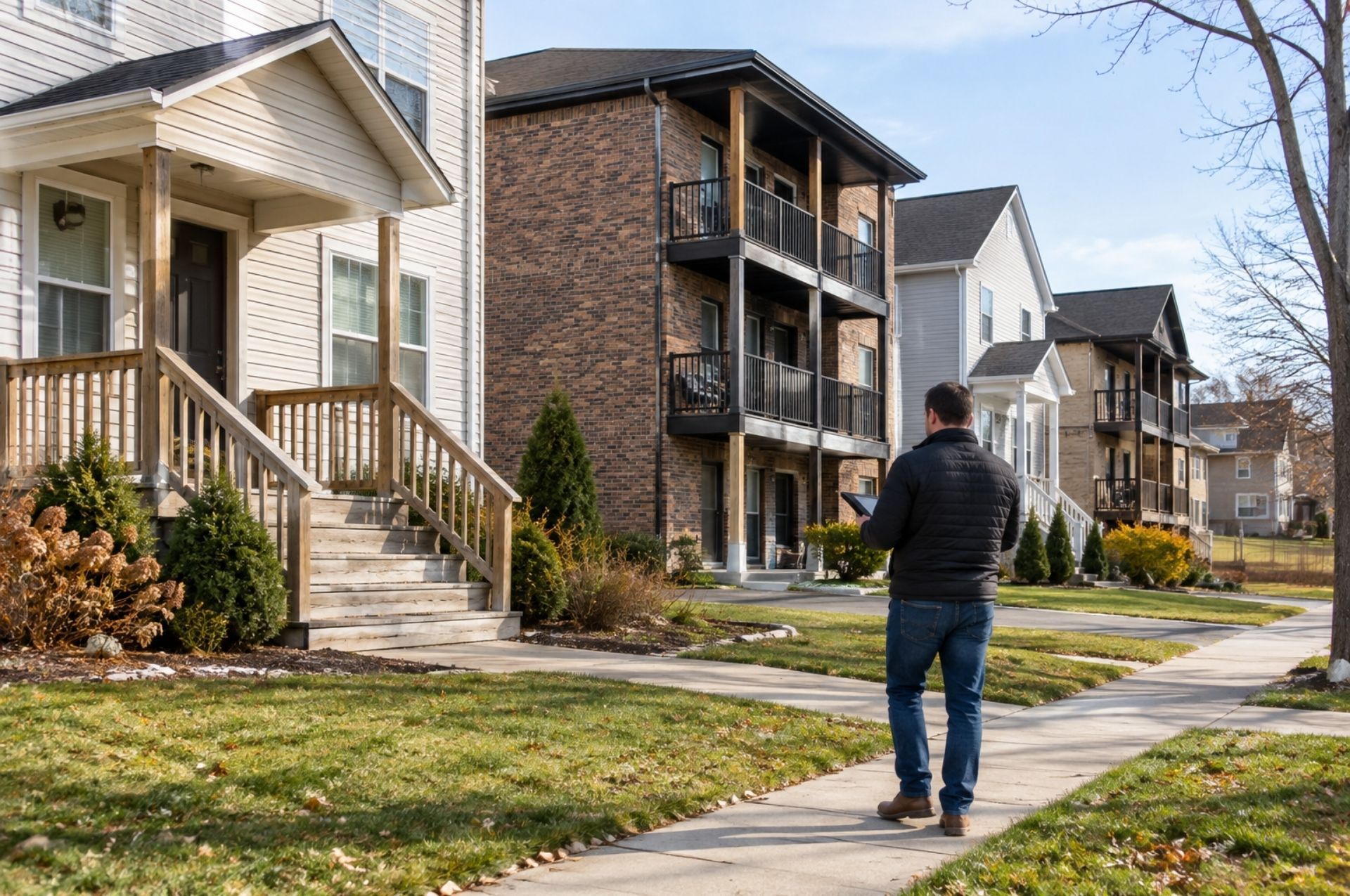
Every time an investor acquires a new property, the portfolio's insurance program needs to be updated. Failing to add a property to an existing blanket policy or neglecting to purchase a standalone landlord policy creates an uninsured gap that only becomes apparent after a loss. A quarterly insurance audit, timed to coincide with property acquisitions and lease renewals, helps ensure that every unit is covered and that rental income limits reflect current market rents rather than outdated figures.
The Bottom Line for Your Portfolio Strategy
Protecting rental income across a multi-property portfolio requires more than simply adding a rider to each policy. Waiting period selection, documentation discipline, limit structure, and claim filing strategy all interact to determine whether an investor recovers fully or absorbs significant uninsured losses. The softening premium environment in 2026 provides a window to restructure coverage, increase limits, or shorten waiting periods without a proportional cost increase. Investors who treat insurance as a portfolio-level risk management tool, rather than a property-by-property expense, will find themselves better positioned to weather the next catastrophic event. Start by pulling every declarations page across the portfolio, comparing limits and waiting periods side by side, and identifying the properties where a single loss would create the greatest cash flow disruption. That exercise alone will reveal where the real exposure lies.
Recent posts